
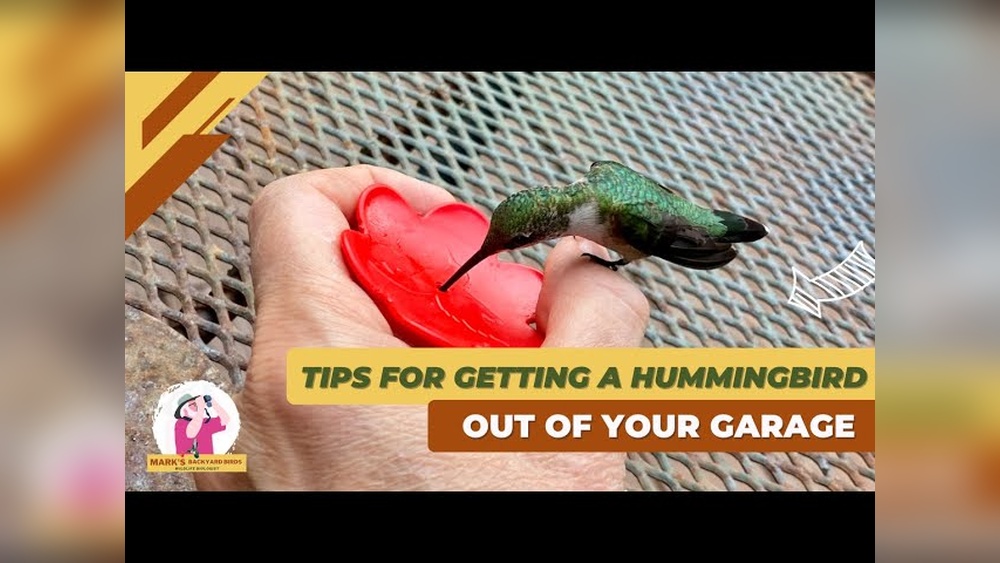
A hummingbird inside your house can feel like a tiny emergency. These birds are fast, fragile, and easily stressed. Many people panic when they see a hummingbird zooming around their living room or kitchen. But with the right steps, you can guide the bird outside safely and quickly.
This guide explains exactly how to get a hummingbird out of your house, why it happens, and how to prevent it from happening again.
Why Hummingbirds Enter Houses
Hummingbirds usually don’t want to be inside. Their natural habitat is outdoors, where they feed on flower nectar and insects. However, there are several reasons why a hummingbird might accidentally enter your home:
- Bright windows: Birds may see trees or flowers reflected and try to fly through.
- Open doors: During warm months, doors are often left open, inviting curious birds.
- Indoor plants or flowers: Hummingbirds might mistake these for a food source.
- Attracted by red items: Hummingbirds are drawn to red colors, so decorations or clothing can lure them in.
Once inside, hummingbirds become confused. They fly toward light, get trapped near windows, and may quickly tire or get injured.
Immediate Actions When You Spot A Hummingbird Indoors
Act quickly but calmly. A hummingbird’s life can depend on how you handle the situation.
Step-by-step Guide
1. Stay Calm
Avoid sudden movements or loud noises. Stress can harm the bird.
2. Close Off Other Rooms
Shut doors to keep the bird in one area. This limits escape routes and makes it easier to guide the bird outside.
3. Turn Off Lights
Dim indoor lights so the brightest spot is outside. Hummingbirds fly toward light.
4. Open Windows And Doors
Create an obvious exit. Open all nearby windows and doors fully, removing screens if possible.
5. Remove Pets And People
Clear the room of pets and extra people to prevent distractions.
6. Guide With Gentle Movements
Use your arms or a soft towel to gently direct the bird toward the exit. Do not chase.
7. Wait And Watch
Sometimes the bird will find its way out on its own. Stay nearby to ensure safety.
Example Scenario
Imagine a hummingbird trapped in your kitchen. You close the hallway door, turn off kitchen lights, and open the back door wide. You stand quietly, using your arms to gently wave the bird toward the open door. Within minutes, it finds the exit and flies out.

Credit: urbaki.com
What Not To Do
Many beginners make mistakes that can seriously harm the bird. Avoid these common errors:
- Do not try to catch with bare hands. Hummingbirds are delicate, and touching them can cause injury.
- Do not use nets or hard objects. Nets can tangle wings, and objects can frighten or hurt the bird.
- Do not spray water or use loud noises. Stress can be fatal for hummingbirds.
- Do not block windows. The bird needs a clear path to the exit.
How Long Can A Hummingbird Survive Indoors?
Hummingbirds have very high metabolisms. Without food, they can survive only a few hours indoors. Most will become exhausted within 30–60 minutes. If they are not freed soon, they can die of starvation or stress.
Here is a quick comparison:
| Situation | Survival Time | Risk Level |
|---|---|---|
| Trapped indoors (no food) | 1–4 hours | High |
| Trapped but near window | 2–6 hours | Moderate |
| Freed quickly | N/A | Low |
If you cannot get the bird out in 15–20 minutes, you may need to intervene more actively.

Credit: www.wikihow.com
Safe Ways To Help A Tired Hummingbird
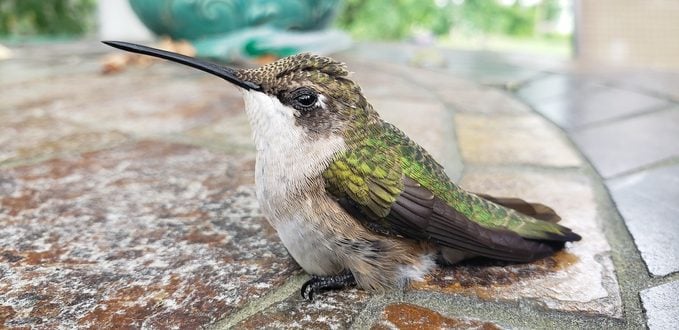
If a hummingbird seems exhausted and cannot fly, you need to help carefully.
- Pick up gently: Use a soft cloth or tissue to lift the bird. Never squeeze.
- Offer sugar water: Mix 1 part white sugar to 4 parts water. Place drops near the bird’s beak.
- Keep warm: Place the bird in a small, ventilated box with a soft cloth.
- Let it rest: Allow the bird to recover for 10–20 minutes, then try to release again.
Data: Sugar Water Recipe
| Ingredient | Amount | Purpose |
|---|---|---|
| White sugar | 1 teaspoon | Energy source |
| Water | 4 teaspoons | Hydration |
This mixture mimics nectar and can revive a weak hummingbird.
Preventing Hummingbird Entry: Practical Tips
Prevention is easier than rescue. Follow these tips to keep hummingbirds outside:
- Install screens: Use screens on all windows and doors, especially during spring and summer.
- Keep doors closed: Limit open doors when not needed.
- Move indoor plants away from windows: Birds might mistake plants for food.
- Avoid red decorations near entrances: Red attracts hummingbirds.
- Use decals on windows: Bird decals break up reflections and signal a barrier.
Example Prevention Plan
If you live in an area with lots of hummingbirds, install screens on patio doors, use bird decals on large windows, and avoid placing red flowers near entrances. This reduces the risk of birds entering your house.
Why Quick Action Matters
Hummingbirds are among the smallest birds, with wings beating up to 70 times per second. Their hearts can beat more than 1,200 times per minute. These facts show why they need to be freed quickly:
- High energy use: They burn calories fast.
- Stress risk: Prolonged stress can kill them.
- Physical injury: Collisions with windows or walls can cause harm.
If a hummingbird is trapped for more than an hour, its chances of survival drop sharply. Acting quickly and carefully is the best way to save the bird.
What To Do If The Bird Is Injured
Sometimes a hummingbird will hit a window or wall and become injured. In these cases:
1. Place In A Small Box
Line a box with tissue or soft cloth. Make small air holes.
2. Keep Quiet And Warm
Avoid noise and keep the box in a warm area.
3. Offer Sugar Water
Use a dropper or small spoon.
4. Contact Wildlife Rescue
Reach out to local wildlife groups or bird rehabilitators.
For more information, visit Audubon Society, which offers help for injured birds.
Comparing Hummingbird Rescue To Other Birds
Rescuing a hummingbird is different from rescuing larger birds. Here’s a comparison:
| Bird Type | Handling Difficulty | Survival Indoors | Stress Sensitivity |
|---|---|---|---|
| Hummingbird | Very high | 1–4 hours | Extreme |
| Sparrow | Medium | 6–12 hours | Moderate |
| Dove | Low | 12–24 hours | Low |
Hummingbirds require the most urgent and gentle care.
Real-life Stories And Data
According to bird rescue centers, about 70% of hummingbirds trapped indoors are freed safely if action is taken within 15 minutes. However, only 30% survive if left trapped for more than 2 hours. Most hummingbird injuries happen near windows, so focusing on exits near light is important.
Non-obvious Insights
- Windows act like mirrors: Birds often get stuck near windows because they see reflections of trees or sky and think they can fly through. Use decals or coverings to break up these reflections.
- Hummingbird feeders can attract birds inside: If you place feeders near doors or windows, consider moving them farther away to prevent accidental entry.
Credit: www.birdsandblooms.com
Frequently Asked Questions
How Can I Safely Pick Up A Hummingbird?
If the bird is unable to fly, use a soft tissue or cloth. Gently scoop the bird, supporting its body without squeezing. Avoid touching wings or feet.
What Should I Feed A Tired Hummingbird?
Mix 1 part white sugar with 4 parts water. Offer drops near the beak using a spoon or dropper. Avoid honey or artificial sweeteners, which can harm the bird.
How Do I Prevent Hummingbirds From Entering Again?
Install screens on windows and doors, use bird decals on glass, and avoid placing red items near entrances. Move feeders and plants away from entryways.
Are Hummingbirds Dangerous To Humans?
No, hummingbirds are not dangerous. They do not bite or sting. However, handling them roughly can cause harm to the bird.
What If The Hummingbird Does Not Leave After Opening Doors And Windows?
Wait quietly for up to 20 minutes. If the bird does not leave, gently guide it toward the exit using a soft cloth or your hands. If still unsuccessful, contact a local wildlife rescue for help.
Final Thoughts
Getting a hummingbird out of your house is about patience and speed. These birds are fragile, and quick, gentle action is necessary. Always prepare your home to prevent accidental entry, and respond calmly if a bird gets trapped. With the right approach, you can help the hummingbird find its way back outside and stay safe.
Remember, even small actions can save a life.