
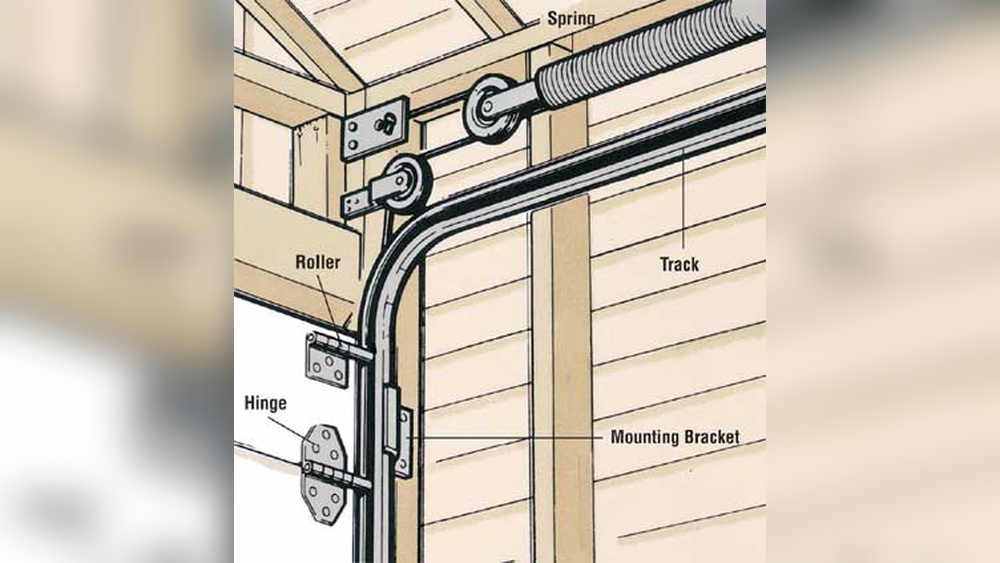
A garage door is one of the largest moving parts in a home. When it stops working, it can cause a lot of stress. Many homeowners think garage door repair is complicated. But with some basic tools and clear steps, you can fix most problems yourself.
Understanding how to repair a garage door not only saves money, but also helps keep your home secure. This guide will walk you through common garage door issues and how to solve them—step by step.
Safety First: What To Know Before You Start
Garage doors are heavy and use strong springs. Safety is always the top concern. Before starting any repair, keep these points in mind:
- Disconnect power to the garage door opener.
- Never try to repair or adjust torsion springs yourself. These springs can cause serious injury.
- Wear gloves and safety glasses for protection.
- Keep children and pets away from the work area.
If you feel unsure about any repair, it’s best to call a professional.
Common Garage Door Problems And How To Fix Them
Most garage door problems fall into a few main categories. Here’s how to identify and fix them.
1. Garage Door Won’t Open Or Close
This is a frequent issue. There can be several causes:
- Power supply: Check if the opener is plugged in and the circuit breaker is on.
- Remote batteries: Replace batteries in your remote control.
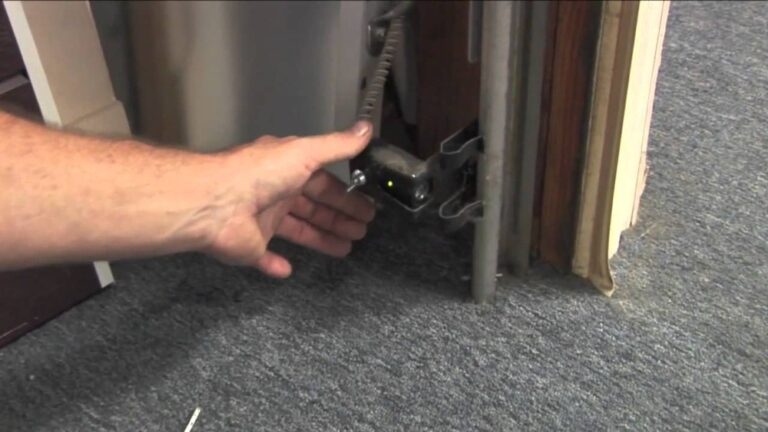
- Sensor alignment: If the safety sensors are blocked or misaligned, the door won’t move.
How to fix sensor alignment:
- Find the two sensors at the bottom of the door tracks.
- Clean the lenses with a soft cloth.
- Check both sensors have lights on.
- If one light is blinking or off, gently adjust the sensor until the light turns solid.
2. Noisy Garage Door
A garage door should make some noise, but loud grinding or squeaking means something is wrong.
- Loose hardware: Use a wrench or screwdriver to tighten all bolts and screws.
- Lack of lubrication: Use a silicone-based lubricant on rollers, hinges, and tracks.
- Worn rollers: Metal rollers can wear out over time.
Lubrication tip:
Apply lubricant to all moving parts every 6 months for a quieter, longer-lasting door.
3. Door Moves Unevenly Or Gets Stuck
When the door sticks or looks crooked, check these areas:
- Track alignment: Tracks must be straight and parallel.
- Obstructions: Small objects or dirt in the tracks can block movement.
- Roller wear: Old or broken rollers can cause uneven movement.
Track adjustment steps:
- Loosen (but do not remove) the mounting brackets on the tracks.
- Gently tap the track into position using a rubber mallet.
- Use a level to check alignment.
- Tighten the bolts.
4. Garage Door Opens Then Closes Immediately
If the door won’t stay open, the issue is often with the springs or limit settings.
- Limit switch setting: Adjust the limit on the opener. Look for two knobs or screws labeled “up” and “down.”
- Spring tension: Too much or too little tension prevents smooth operation.
Important: Spring adjustments can be dangerous. Call a professional if you are not sure.
5. Remote Control Or Keypad Not Working
- Check batteries first.
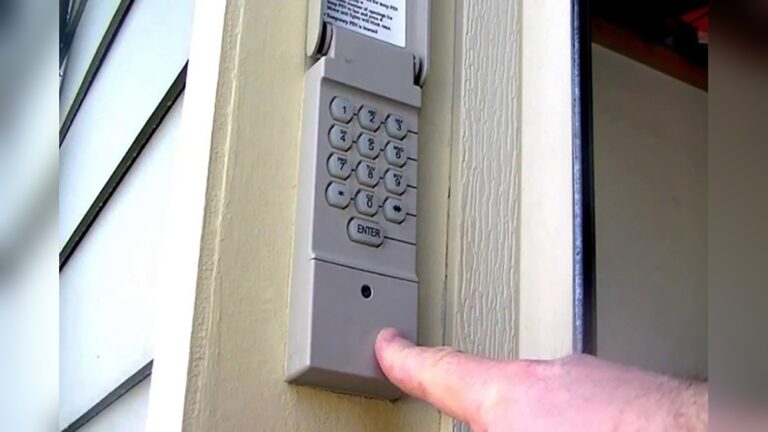
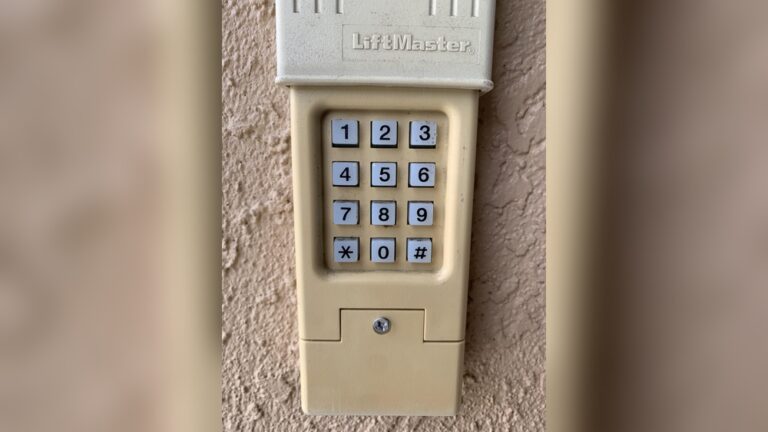
- Reprogram the remote or keypad. Most models have a “learn” button on the opener.
- Check for signal interference from nearby electronics.
6. Garage Door Reverses Before Hitting The Floor
This usually means the opener’s close force setting is too low. The opener thinks there is an obstacle and reverses the door.
- Turn the “close force” dial slightly to increase the setting.
- Test the door several times to find the right balance.
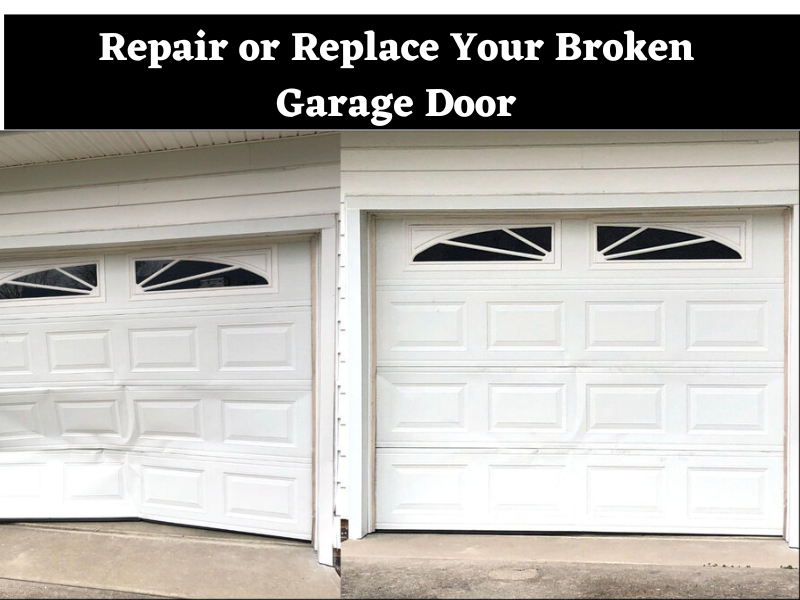
Credit: doordoctor.com
Essential Tools And Materials For Garage Door Repair
Having the right tools makes repairs much easier. Here’s a list of basic items:
- Adjustable wrench
- Screwdriver set (flat and Phillips)
- Socket set
- Pliers
- Silicone-based lubricant
- Clean rags
- Replacement rollers or hinges (if needed)
- Stepladder
These tools handle most basic repairs. For advanced work, like spring replacement, you need special tools and training.
Diy Vs. Professional Repair: When To Call An Expert
Some garage door repairs are simple. Others are dangerous or require special skills. Here’s a quick comparison:
| Repair Type | DIY Safe? | Professional Needed? |
|---|---|---|
| Lubricating parts | Yes | No |
| Track adjustment | Yes | No |
| Spring replacement | No | Yes |
| Opener motor repair | No | Yes |
| Sensor cleaning | Yes | No |
Non-obvious insight: Even if you have the tools, never try to fix garage door springs yourself. They hold a lot of energy and can cause injury.
Step-by-step Guide: Basic Garage Door Maintenance
Simple maintenance can prevent most garage door problems. Follow these steps twice a year:
- Inspect all parts for wear, rust, or damage.
- Tighten loose bolts with a wrench.
- Lubricate moving parts, especially springs, rollers, and hinges.
- Clean tracks with a damp cloth to remove dirt or debris.
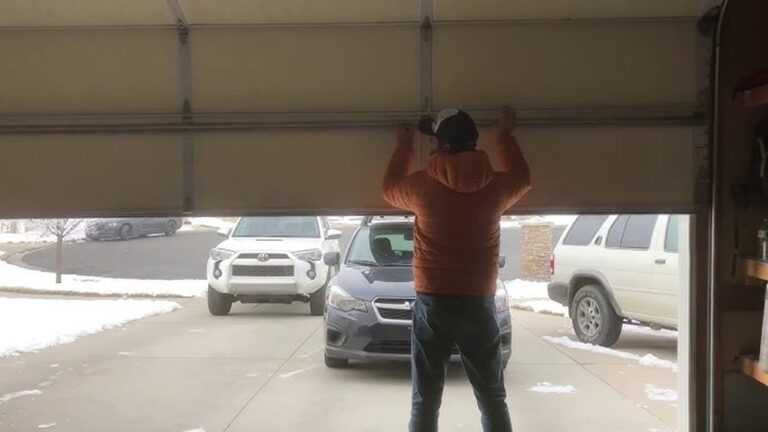
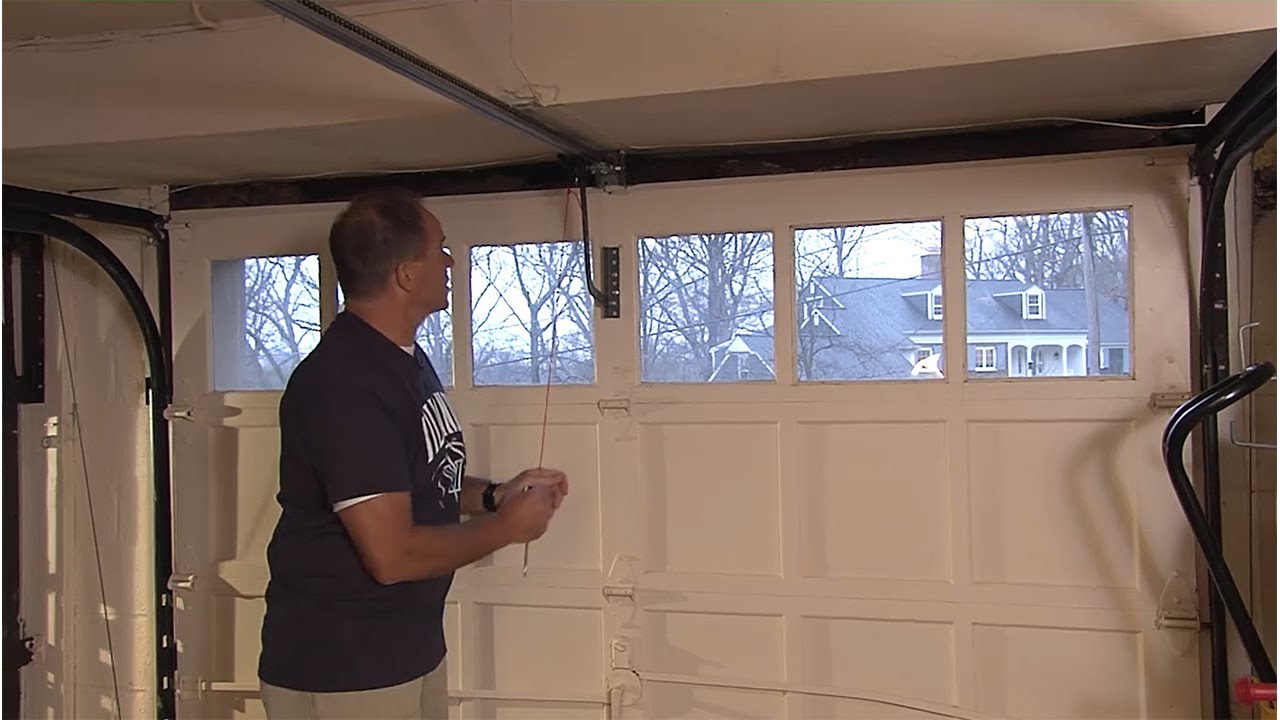
- Test the balance of the door. Disconnect the opener and lift the door halfway. It should stay in place. If it moves, springs may need adjustment by a pro.
Example: Homeowners who do regular maintenance spend 30% less on garage door repairs each year.
Garage Door Opener Problems: Solutions
If the door itself works but the opener does not, try these steps:
Check Power And Settings
- Make sure the opener is plugged in.
- Check the circuit breaker.
- Reset the opener by unplugging it for 30 seconds.
Test The Remote And Keypad
- Replace batteries.
- Reprogram if needed.
Adjust The Opener Settings
Most openers have force and limit settings. Adjust these if the door does not open or close fully.
When To Replace The Opener
Openers last about 10-15 years. If yours is older or keeps failing, replacement may be cheaper and safer.
Credit: www.youtube.com
Cost Comparison: Diy Vs. Professional Repair
Many people want to know if DIY repair really saves money. Here is a cost comparison for common repairs:
| Repair Type | DIY Cost | Pro Cost |
|---|---|---|
| Lubrication | $10 (lubricant) | $70-$100 |
| Roller replacement | $20-$40 | $120-$200 |
| Spring replacement | Dangerous | $150-$350 |
| Track alignment | Free (if you have tools) | $125-$200 |
| Opener installation | $150-$300 | $350-$600 |
Key point: DIY is cheaper for simple jobs but can be costly or dangerous for complex repairs.
Preventing Future Problems: Tips For Long-lasting Garage Doors
Taking care of your garage door can add years to its life. Here’s how:
- Lubricate parts every 6 months.
- Clean tracks regularly.
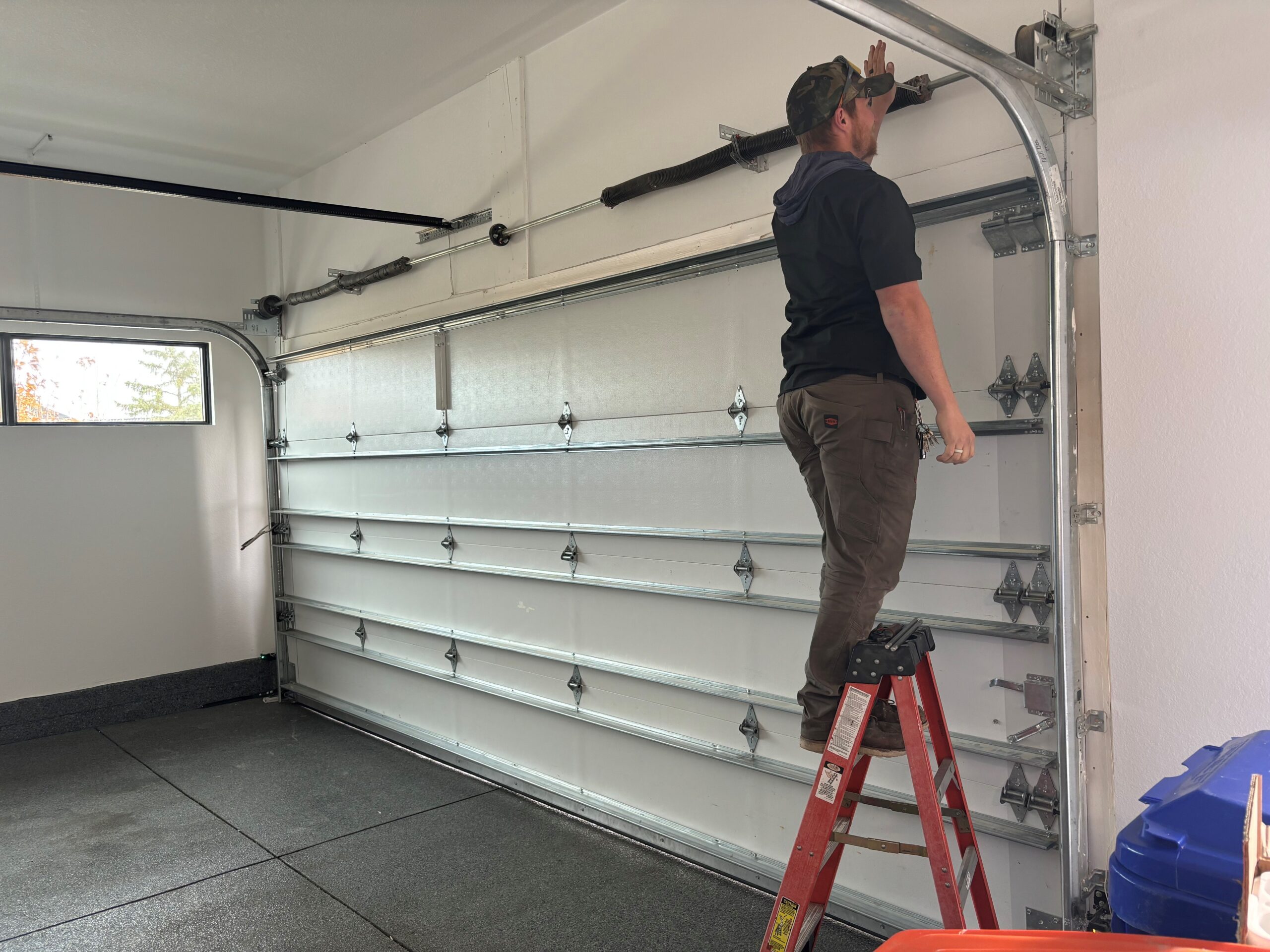
- Inspect springs and cables for signs of wear.
- Don’t ignore small problems. Fix them early to avoid bigger repairs.
Non-obvious tip: Garage doors last longer in dry, clean environments. Humidity and dust can speed up wear, so keep your garage clean and dry.
Real-world Example: A Simple Repair Saves Money
Maria noticed her garage door was making loud noises and moving slowly. She checked the tracks and found dirt and some loose bolts. After cleaning the tracks and tightening the hardware, the door worked smoothly again. Maria saved $150 by doing this simple repair herself.
How To Choose A Garage Door Repair Service
Sometimes, a professional is necessary. Here’s what to look for:
- Licensed and insured technicians.
- Good reviews online (look for 4 stars or higher).
- Clear pricing with no hidden fees.
- Warranty on repairs and parts.
Practical tip: Get at least two quotes before hiring. This helps you find a fair price and avoid scams.
For more on garage doors, the Family Handyman offers excellent, detailed guides.
Credit: americangaragedoor.net
Frequently Asked Questions
How Often Should I Lubricate My Garage Door?
Lubricate all moving parts every 6 months. This includes rollers, hinges, and springs. Regular lubrication reduces noise and prevents wear.
Why Won’t My Garage Door Close All The Way?
The most common reason is misaligned or dirty safety sensors. Clean the lenses and make sure they face each other. Check for objects blocking the sensor beam.
Can I Replace Garage Door Springs Myself?
No, it is not safe. Garage door springs are under high tension and can cause serious injury. Always hire a trained professional for spring replacement.
What Should I Do If My Garage Door Opener Remote Stops Working?
First, replace the batteries. If this doesn’t help, try reprogramming the remote. Check the opener manual for instructions. If it still doesn’t work, there may be a problem with the opener or signal interference.
How Long Does A Garage Door Usually Last?
A typical garage door lasts 15–30 years, depending on material and maintenance. Regular cleaning and lubrication can help your door last longer.
Repairing a garage door is often easier than it seems. With some simple tools and careful steps, you can handle most problems yourself. Regular maintenance is key to avoiding big repairs and keeping your garage door running smoothly for years.
If you ever feel unsure or face a dangerous repair, don’t hesitate to call a professional. Your safety and peace of mind are most important.