
Garage door sensors are a safety feature. They stop the door from closing if something is in the way. Sometimes, you may want to bypass these sensors. For example, your sensors could be broken, dirty, or misaligned. Maybe you need to close the door for security, but the sensors won’t let you.
Learning how to bypass garage door sensors can help in emergencies or when you need a quick solution. However, it’s important to know the risks, legal issues, and safe methods. This guide will show you practical ways to bypass sensors, explain when it’s safe, and help you avoid common mistakes.
What Are Garage Door Sensors?
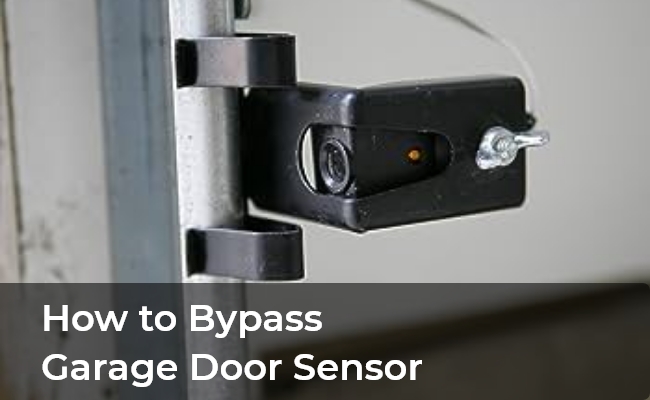
Garage door sensors are called photoelectric sensors. Most modern garage doors use them. They work by sending a beam of light from one sensor to another. If something blocks the beam, the door stops closing.
- One sensor is the emitter (sends the beam).
- The other is the receiver (gets the beam).
If the receiver doesn’t get the beam, the door opens or stays open. This prevents accidents, like children or pets getting trapped.
Key Data On Sensor Safety
- US law requires sensors on doors installed since 1993.
- Sensors reduce accidents by up to 80% according to safety studies.
- Most sensors use infrared light.
Garage door sensors make homes safer. But sometimes, you need to bypass them to close the door.
Why Would You Want To Bypass Garage Door Sensors?
There are several reasons people need to bypass sensors:
- Broken sensors: Damaged by weather or age.
- False alarms: Sensors stop the door even if nothing is blocking them.
- Misalignment: Sensors not facing each other.
- Dirty lenses: Dust or spider webs block the beam.
- Temporary need: You need the door closed for security.
Sometimes, fixing the sensor takes time. Bypassing helps in the short term.
Real-life Example
Imagine your sensor lens gets muddy after a storm. The door won’t close. You clean the lens, but it still doesn’t work. You need to close the door before leaving. Bypassing the sensor lets you secure your garage.

Credit: www.youtube.com
Is Bypassing Garage Door Sensors Safe And Legal?
Bypassing sensors can be dangerous. The sensors are there to protect people and pets. If you bypass them, the door can close on someone or something.
Legal Facts
- US federal law requires sensors on doors since 1993.
- Removing or disabling sensors is against safety codes.
- Home insurance may not cover accidents if you bypass sensors.
It is safest to bypass sensors only for a short time. Always restore sensor function as soon as possible.
Methods To Bypass Garage Door Sensors
There are several ways to bypass garage door sensors. Each method has risks and benefits. Here are the most common ways.
1. Hold Down The Wall Button
Many garage doors let you hold down the wall button to override the sensors. This is the safest and easiest method.
- Find the wall button (usually near the garage door).
- Press and hold until the door closes fully.
- Release when done.
This works because the system knows you are watching the door.
2. Align Or Tape The Sensors
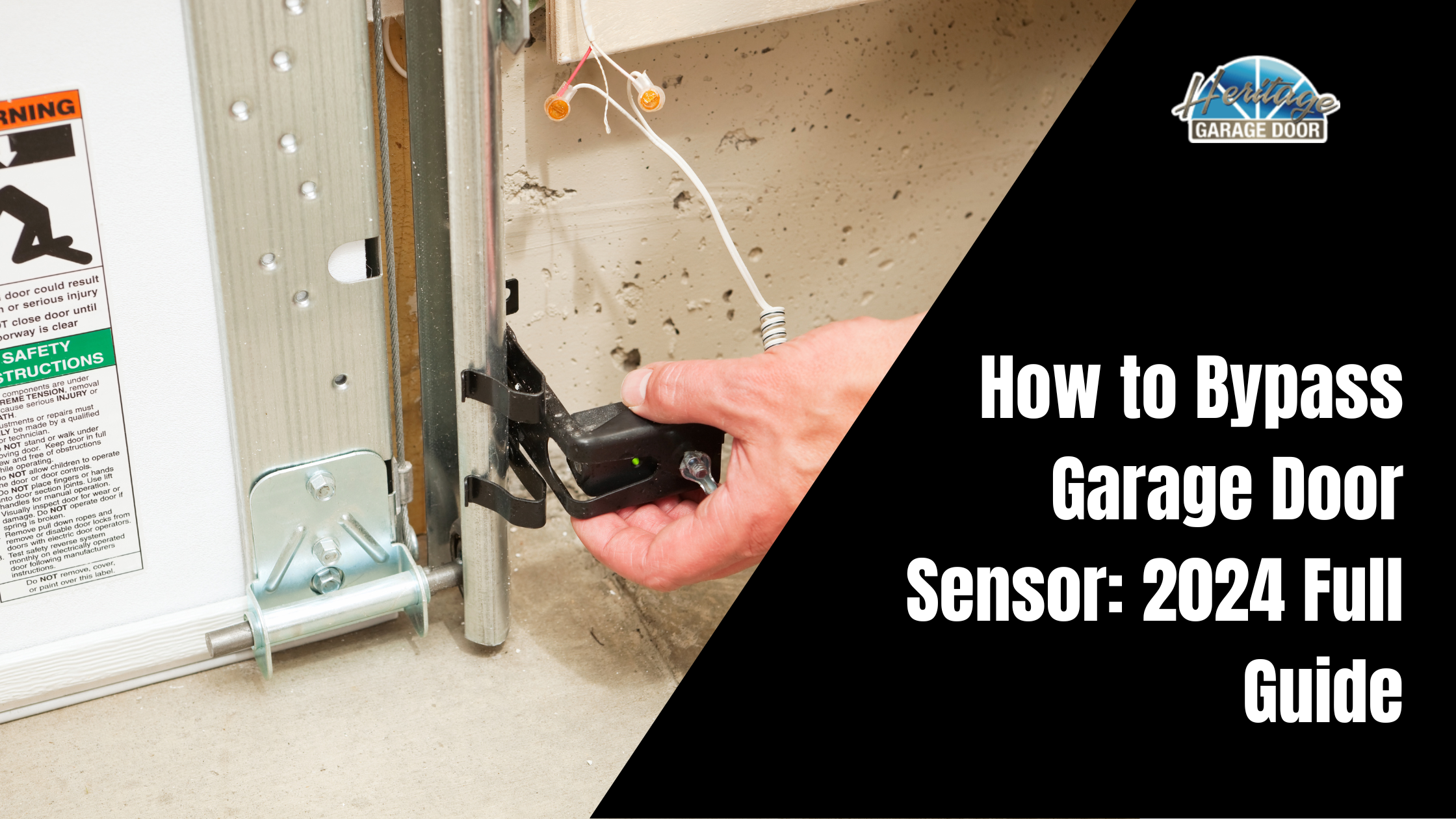
If sensors are misaligned, you can realign them. If you want to bypass, you can tape the sensors together.
- Move the sensors so they face each other.
- Use tape to keep them in place.
- The beam connects, and the door closes.
If you can’t align, you can tape the sensors together, facing each other, even off the mount.
3. Clean The Sensor Lenses
Dust and dirt block the beam. Cleaning can fix false alarms.
- Use a soft cloth to wipe the lenses.
- Remove spider webs, mud, or dust.
If cleaning doesn’t work, try another method.
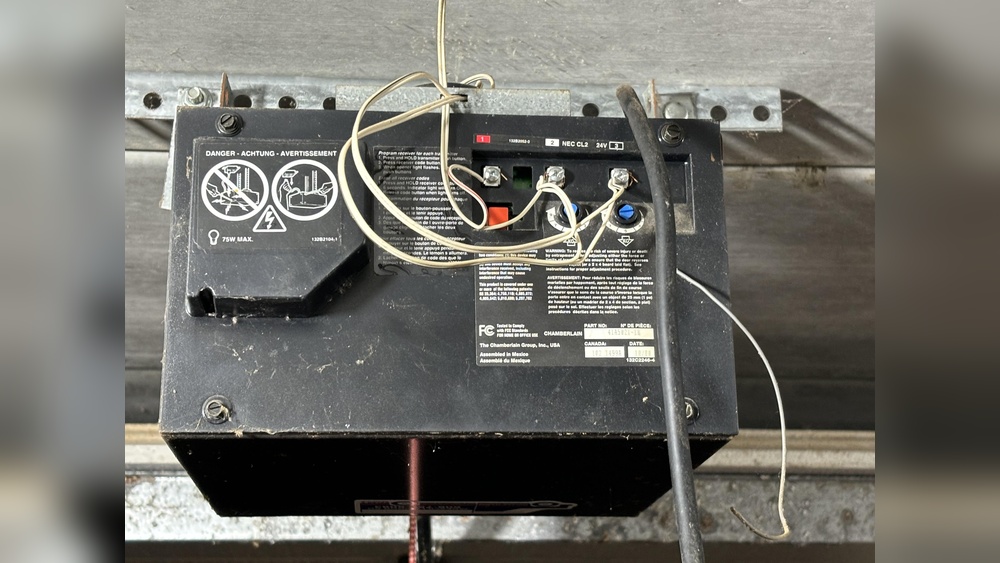
4. Bridge The Sensor Wires
This method is more advanced. It should only be used if you know basic wiring.
- Find the sensor wires on your garage door opener.
- Disconnect the sensors.
- Use a wire to connect the two sensor terminals.
This tricks the system into thinking the sensors are working.
Warning: This method removes safety. Only use if necessary, and restore sensors soon.
5. Use A Bypass Switch
Some garage door openers have a bypass switch. Check your manual to see if yours does.
- Flip the switch to bypass sensors.
- Close the door.
Not all models have this feature.
Comparison Of Methods
Here’s a quick look at the main methods:
| Method | Difficulty | Safety | Temporary? |
|---|---|---|---|
| Hold Wall Button | Easy | Safe | Yes |
| Align/Tape Sensors | Easy | Medium | Yes |
| Clean Lenses | Easy | Safe | Yes |
| Bridge Wires | Hard | Unsafe | No |
| Bypass Switch | Easy | Safe | Yes |
Step-by-step Guide: How To Bypass Garage Door Sensors
Let’s look at the safest way for beginners: holding down the wall button.
Step 1: Check Sensor Status
- Look at the sensors on both sides of the door.
- Check for blinking lights or red indicators.
If the sensors are dirty, clean them.
Step 2: Locate The Wall Button
- Find the button on the wall near the garage door.
- It is usually bigger than the remote button.
Step 3: Press And Hold
- Press the button and hold it down.
- The door should start closing.
- Keep holding until the door is fully closed.
Step 4: Release
- Let go after the door is closed.
- The door should stay shut.
This method is safe because you control the door and can stop if something is wrong.
Step-by-step Comparison
Here’s how different methods compare for beginners:
| Method | Tools Needed | Skill Level | Time Required |
|---|---|---|---|
| Wall Button | None | Beginner | 1 min |
| Align/Tape Sensors | Tape | Beginner | 5 min |
| Clean Lenses | Cloth | Beginner | 3 min |
| Bridge Wires | Wire cutter | Advanced | 10 min |
| Bypass Switch | None | Beginner | 1 min |
Common Mistakes When Bypassing Sensors
Beginners often make mistakes. Here are the most frequent ones:
- Ignoring safety: Always watch the door while bypassing.
- Permanent bypass: Do not leave sensors bypassed. Restore them quickly.
- Incorrect wiring: Bridging wires can cause electrical issues.
- Overlooking cleaning: Dirty sensors cause most problems.
- Misalignment: Sensors must face each other.
A non-obvious tip: Many problems are not with the sensors but with the door tracks. Check tracks for obstructions before bypassing sensors.
Credit: reolink.com
Risks And Warnings
Bypassing sensors removes safety. Here are the main risks:
- Injury: The door can close on people, pets, or objects.
- Damage: The door can crush bikes, tools, or cars.
- Legal issues: Insurance may not cover accidents.
- Electrical hazards: Incorrect wiring can cause shocks.
Always restore sensor function as soon as possible.
Alternatives To Bypassing Garage Door Sensors
Sometimes, it’s better to fix the sensor than bypass it. Here are alternatives:
- Clean or realign sensors: Solve most problems.
- Replace damaged sensors: Buy new sensors for $20–$50.
- Call a technician: Costs $100–$200 but ensures safety.
- Check the manual: Your opener may have troubleshooting steps.
A non-obvious insight: Some garage doors have sensor diagnostics. Check your opener for a “diagnostic mode” to see sensor errors.
How To Prevent Future Sensor Problems
Prevention saves time and keeps your home safe.
- Clean sensors monthly: Use a soft cloth.
- Check alignment: Sensors should face each other.
- Protect from weather: Use covers or shields.
- Keep the area clear: Remove objects and cobwebs.
- Test regularly: Close the door and watch sensors respond.
Here’s a table showing how often to check each part:
| Part | Check Frequency | Action |
|---|---|---|
| Sensors | Monthly | Clean and align |
| Door Tracks | Bi-monthly | Clear obstructions |
| Wiring | Yearly | Inspect for damage |
| Opener Unit | Yearly | Test diagnostics |
When To Call A Professional
If you try all methods and the door still won’t close, call a garage door technician.
- Professional service ensures safety.
- Technicians fix wiring, sensors, and opener problems.
- Most repairs cost $100–$200.
You can find certified technicians through websites like the International Door Association.
Credit: heritagedoor.com
Frequently Asked Questions
What Happens If Garage Door Sensors Are Bypassed?
If sensors are bypassed, the door will close even if something is blocking it. This can cause injury or damage. Always watch the door closely.
Is It Legal To Bypass Garage Door Sensors?
It is not legal to bypass sensors permanently. US law requires sensors on doors installed since 1993. Temporary bypass for emergencies is usually tolerated, but restore sensors quickly.
Can I Bypass Sensors With The Remote Control?
Most garage doors do not let you bypass sensors with the remote. Use the wall button instead. The wall button is safer because you can stop the door if needed.
How Do I Know If My Sensors Are Broken Or Just Dirty?
Check the sensor lights. If they blink or are off, clean the lenses first. If cleaning doesn’t help, try realigning. If the problem continues, sensors may be broken.
What Is The Safest Way To Bypass Garage Door Sensors?
The safest way is to hold down the wall button until the door closes. You control the door and can stop at any time. Avoid permanent bypass methods.
Learning how to bypass garage door sensors can help in emergencies. But it’s important to understand the risks and restore sensors as soon as possible. Always watch the door while bypassing, and use safe, temporary methods. Regular cleaning and maintenance prevent most sensor problems.
If you have trouble, call a professional for help. Your safety—and your family’s safety—always comes first.