
What Is The Best Garage Door Lubricant
A noisy or stuck garage door can ruin your day. Many people ignore their garage doors until something goes wrong. But with the right garage door lubricant, you can keep your door running smoothly and quietly for years. If you’re new to garage door care, choosing the right lubricant might seem confusing. This guide will explain everything you need to know in clear, simple language. You’ll learn what types of lubricants exist, what makes one better than another, and how to use them for the best results.
Why Garage Door Lubrication Matters
Garage doors have many moving parts. Without proper lubrication, these parts rub together and create friction. Over time, friction leads to:
- Annoying squeaks and grinding sounds
- Slower or stuck doors
- Damage to rollers, hinges, and tracks
- Shorter lifespan for your garage door opener
Regular lubrication helps avoid costly repairs. It also makes your door safer and easier to use. Many beginners do not realize that using the wrong lubricant can actually attract dirt and cause more problems. That’s why it’s important to pick the right product.
Types Of Garage Door Lubricants
Not all lubricants are the same. The main types include silicone-based, lithium grease, oil-based lubricants, and WD-40 style sprays. Each has unique features.
| Type | Main Features | Best For | Drawbacks |
|---|---|---|---|
| Silicone-Based | Resists dust, works in extreme temperatures | Rollers, hinges, tracks | More expensive |
| Lithium Grease | Thick, long-lasting, water-resistant | Metal parts, gears | Can attract dirt if overused |
| Oil-Based | Easy to apply, cheap | Temporary fixes | Drips, attracts dust, short-lasting |
| WD-40 (Penetrating Oil) | Loosens rust, removes grime | Cleaning, not long-term lubrication | Not a true lubricant |
Pro tip: Many beginners think WD-40 is a lubricant. It’s mostly a cleaner and rust remover, not a long-term solution for garage doors.
What To Look For In The Best Garage Door Lubricant
Choosing the right product saves time and money. Here’s what matters most:
- Long-lasting protection: You don’t want to reapply every month.
- Dust resistance: Some lubricants attract dirt, which can gum up parts.
- Temperature tolerance: Garage doors face hot summers and cold winters.
- Easy to apply: Sprays reach tight spots better than thick greases.
Non-obvious insight: Lubricants with a “dripless” or “no-mess” formula reduce cleanup. This is especially helpful if your garage floor is finished or you store items nearby.
Top Garage Door Lubricant Products
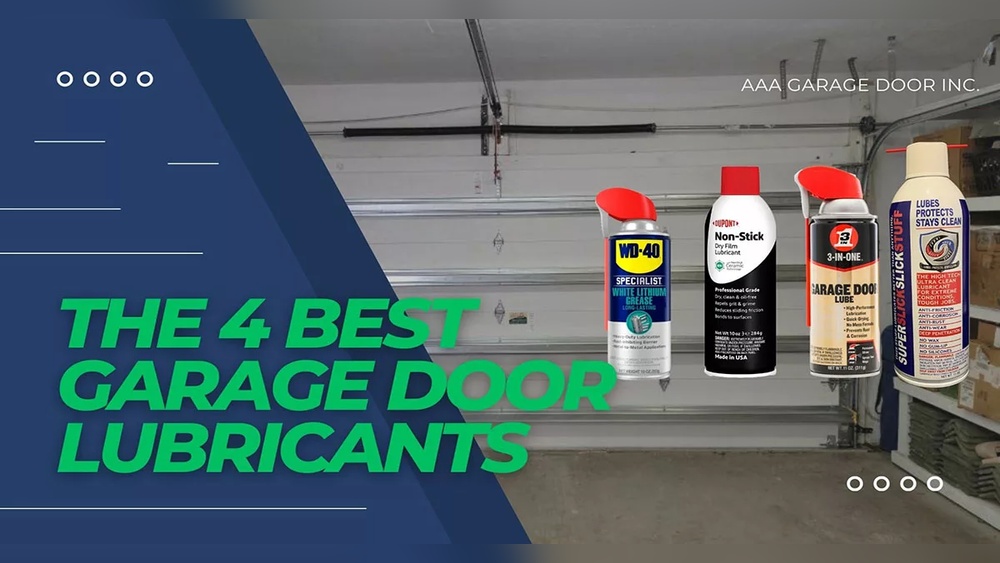
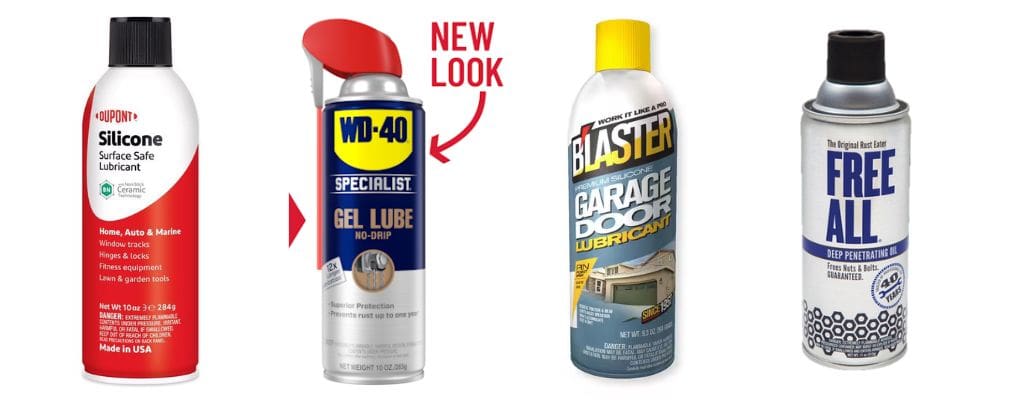
Here are some of the best-rated lubricants for garage doors, based on expert reviews and user ratings. Always check the label for suitability with your door type.
| Brand/Product | Type | Key Benefits | Price Range (USD) |
|---|---|---|---|
| 3-IN-ONE Professional Garage Door Lubricant | Silicone Spray | Resists dirt, works in all weather, precise spray | $7–$12 |
| Blaster Garage Door Lubricant | Silicone Spray | Drip-free, prevents rust, low odor | $6–$10 |
| WD-40 Specialist White Lithium Grease | Lithium Grease | Heavy-duty, long-lasting, weather resistant | $5–$9 |
| Liquid Wrench L616 | Silicone Spray | Dries fast, non-staining, safe on metal/plastic | $6–$11 |
| Genie Screw Drive Lube | Lithium Grease | Special for screw drive openers, reduces noise | $8–$14 |
Example: 3-IN-ONE’s Professional Garage Door Lubricant is popular because it sprays easily into hinges and rollers. It forms a protective layer that lasts months and doesn’t drip onto your car or storage boxes.

Credit: www.youtube.com
Silicone Vs. Lithium Grease: Which Is Better?
Both silicone spray and white lithium grease are safe for garage doors, but each has its strengths.
- Silicone spray is best for plastic, nylon, or rubber parts because it won’t break them down.
- Lithium grease is better for metal-to-metal contact, like steel rollers or opener gears.
Non-obvious insight: If your garage door has nylon rollers (many modern doors do), silicone spray is safer and quieter. Lithium grease can damage nylon over time.
How To Apply Garage Door Lubricant (step-by-step)
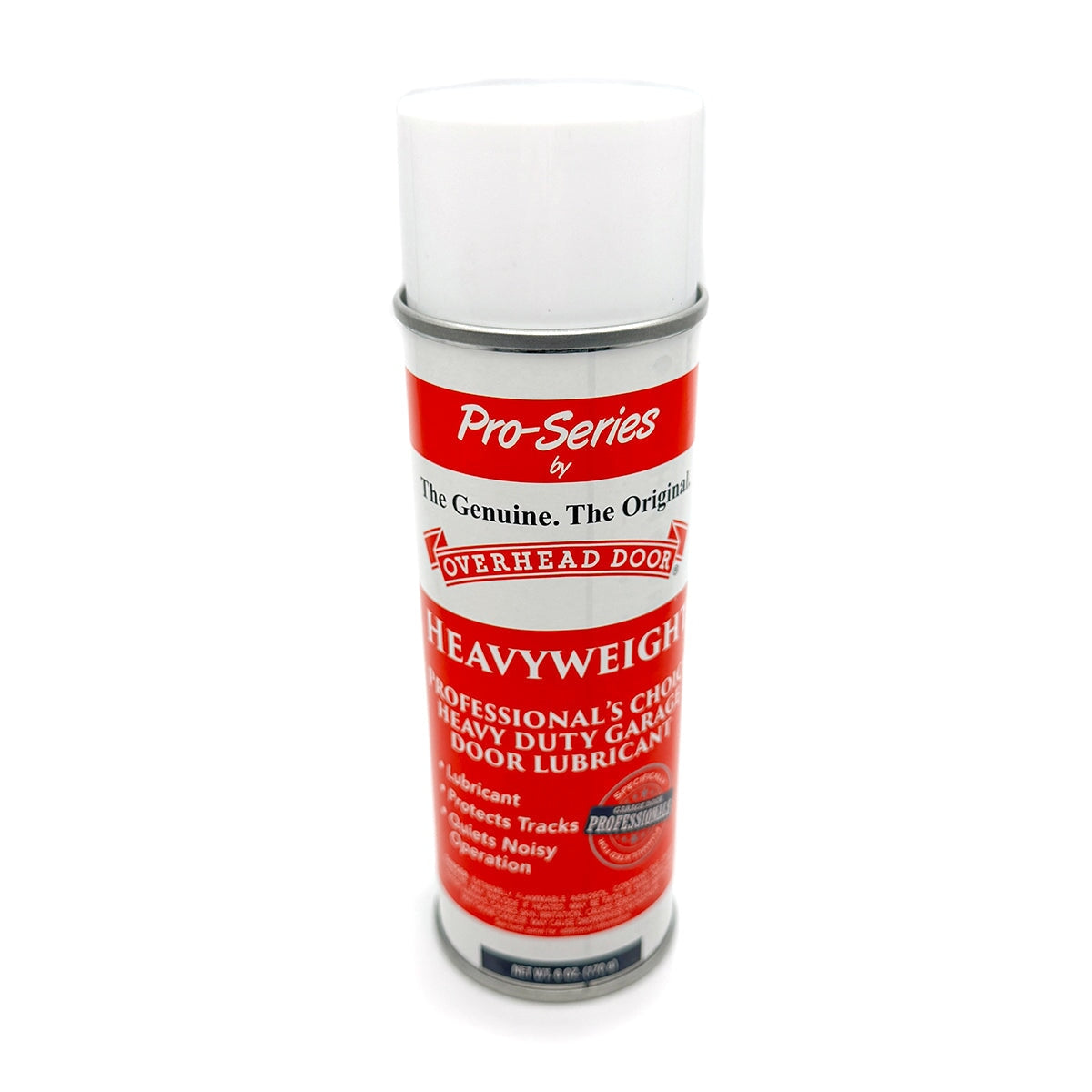
Using the best garage door lubricant is only half the job. Application matters just as much. Beginners often make the mistake of spraying everything, but some parts should stay dry.
Step-by-step guide:
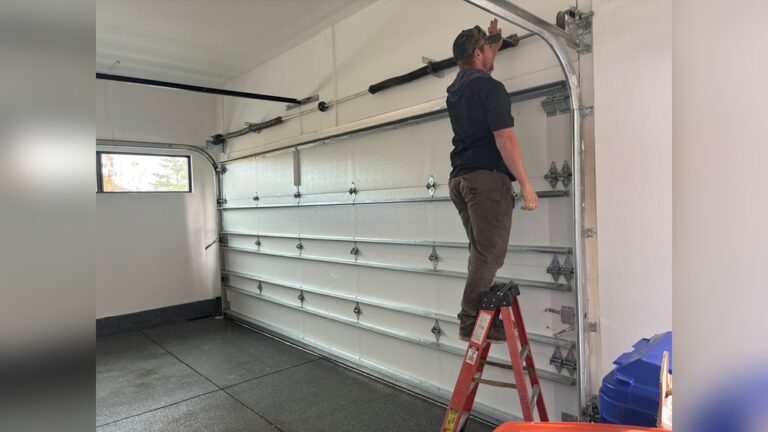
- Gather supplies: Lubricant, clean rag, step stool, and safety glasses.
- Clean first: Wipe away old grease, dust, and cobwebs from moving parts.
- Apply lubricant: Focus on these areas:
- Hinges: Spray where they pivot.
- Rollers: Lubricate the shaft, not the wheel surface.
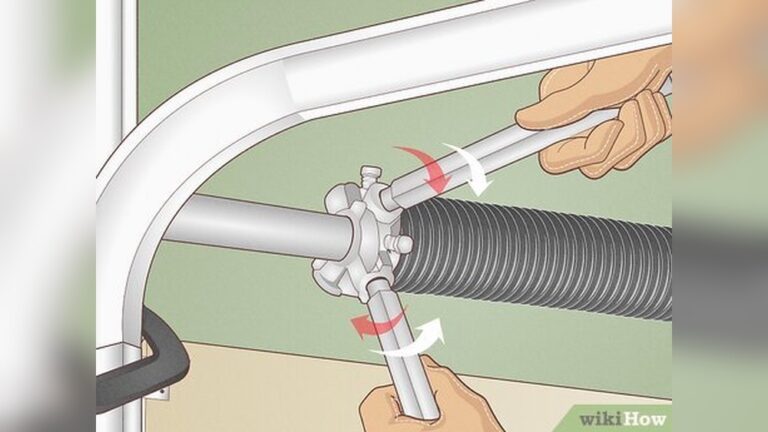
- Springs: Coat torsion springs lightly.
- Bearings and pulleys: Spray both sides.
- Lock and arm bar: If your door has these, use a small amount.
- Avoid tracks: Do not spray lubricant inside the garage door tracks. Tracks should be clean and dry.
- Open and close door: Move the door up and down a few times to spread the lubricant.
Practical tip: Apply lubricant every 6–12 months, or whenever you hear squeaks.
Credit: www.expressgaragedoors.com
Common Mistakes When Lubricating Garage Doors
Many first-timers make errors that can cause more harm than good.
- Over-lubricating: Too much product collects dust and grime.
- Using the wrong type: Never use motor oil or cooking spray.
- Ignoring cleaning: Lubricant on dirty parts creates sludge.
- Spraying tracks: This makes rollers slip and doors misalign.
Example: If you spray grease inside the tracks, the rollers may slide instead of roll. This leads to uneven wear and jerky door movement.
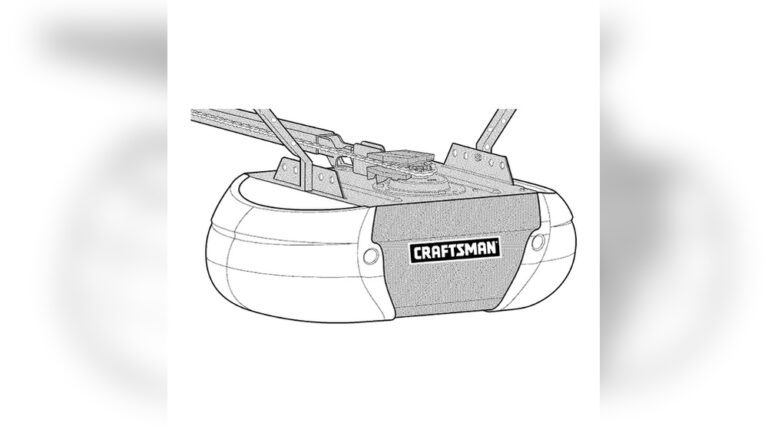
How Lubricants Impact Garage Door Opener Life
A well-lubricated door reduces stress on the garage door opener. Openers are designed to pull a balanced, low-friction door. If the door is stiff, the opener’s motor and gears work harder, wearing out faster.
- Studies show regular lubrication can extend opener life by 3–5 years.
- Manufacturer warranties often require proof of maintenance.
Fact: Most opener failures are linked to neglected doors, not faulty motors.
Credit: www.garagedoorrepair.com
Weather And Climate Considerations
Your local climate should influence your choice of lubricant.
- Cold climates: Silicone sprays stay flexible in freezing weather. Some greases become stiff.
- Hot, dusty climates: Silicone resists dirt better than traditional oil or grease.
- Humid areas: Lithium grease protects against rust but may need more frequent cleaning.
Practical example: In Arizona’s hot, dusty summers, a silicone spray keeps door parts moving without attracting sand.
Signs You Need To Lubricate Your Garage Door
Don’t wait for a major problem. Look for these early warning signs:
- Squeaking or grinding noises when opening or closing
- Jerky or slow door movement
- Rust on springs or hinges
- Door gets stuck or reverses for no reason
Pro tip: If your door works fine but hasn’t been lubricated in over a year, it’s time to do it. Preventive care is always cheaper than repairs.
Safety Precautions When Using Lubricants
Lubricants are safe when used correctly, but always:
- Wear safety glasses to avoid spray in your eyes.
- Work in a ventilated area.
- Wipe up any drips to prevent slips.
- Keep cans away from children and heat sources.
If you’re sensitive to fumes, choose a low-odor, fast-drying spray.
Where To Buy Garage Door Lubricants
You can find the best garage door lubricants at:
- Hardware stores (Home Depot, Lowe’s)
- Auto parts stores
- Online retailers (Amazon, Walmart)
- Some local garage door service companies
Always check reviews and product descriptions. Make sure the lubricant is labeled for garage doors.
Why Regular Garage Door Maintenance Pays Off
Regular lubrication is a small job with big benefits:
- Quieter operation: No more waking the neighbors.
- Lower repair bills: Avoids early part replacement.
- Longer door and opener life: Protects your investment.
- Safer operation: Reduces risk of sudden failures.
A well-maintained garage door adds value to your home and peace of mind.
Frequently Asked Questions
What Is The Best Lubricant For Garage Door Rollers?
The best option for garage door rollers is usually a silicone-based spray. It does not attract dust and is safe for both nylon and steel rollers. Avoid oil-based lubricants, as they can collect dirt and gum up the rollers over time.
Can I Use Wd-40 On My Garage Door?
WD-40 is good for cleaning and loosening rusty parts, but it’s not a long-term lubricant. After cleaning with WD-40, always apply a silicone spray or white lithium grease for lasting protection.
How Often Should I Lubricate My Garage Door?
It’s best to lubricate your garage door every 6 to 12 months. If you hear squeaks or notice stiff movement, lubricate sooner. In harsh climates, check more often.
What Parts Of The Garage Door Should Not Be Lubricated?
Do not lubricate the inside of the garage door tracks. Keep tracks clean and dry. Lubricate only the rollers, hinges, springs, and pulleys.
Where Can I Learn More About Garage Door Care?
For more detailed information and maintenance guides, visit the Family Handyman garage door maintenance guide.
Keeping your garage door in top shape doesn’t require special skills—just the right product and a little time. With proper lubrication, you’ll enjoy a quieter, smoother, and longer-lasting garage door. Regular checks now can save you big repair bills later.
Start with a trusted silicone spray or white lithium grease, follow the right steps, and your garage door will thank you for years to come.