
Getting oil stains out of concrete can feel impossible for beginners. Whether your driveway or garage floor has a fresh spill or an old mark, oil can soak deep into the concrete and leave a stubborn stain. The good news? You can remove oil from concrete with the right tools, techniques, and a bit of patience. In this guide, you’ll learn exactly how to tackle oil stains, what products work best, and some practical tips to make your concrete look clean again.
Why Oil Stains Are Hard To Remove
Concrete is a porous material. That means it has tiny holes that soak up liquids like engine oil, cooking oil, or grease. When oil spills, it doesn’t just sit on top—it gets pulled inside. This is why just washing with water rarely works.
Oil stains can:
- Make concrete look dirty and old
- Cause slippery surfaces, which can be dangerous
- Lower the value of your home or property
Even after scrubbing, stains may appear lighter but not disappear completely. To fully remove oil, you need to draw it out from deep inside the concrete.
Preparing To Clean Oil From Concrete
Before you start cleaning, get ready with the right materials and know the size of the stain. This helps you choose the best cleaning method and avoid mistakes.
Key materials:
- Absorbent material: Kitty litter, sawdust, or baking soda
- Stiff brush: Wire or nylon
- Detergent or degreaser: Dish soap or commercial concrete cleaner
- Water: For rinsing
- Protective gloves: To keep your hands safe
Optional tools:
- Pressure washer
- Scraper or broom
- Safety goggles
Estimate stain size:
- Small stains: Less than 1 square foot
- Medium stains: 1–5 square feet
- Large stains: More than 5 square feet
Tip: Always test your cleaning product on a small area first to avoid damaging the concrete.

Credit: bio-dry.com
Step-by-step Methods To Get Oil Out Of Concrete
There are several ways to clean oil stains. Your choice depends on how old the stain is and what materials you have. Here are the most effective methods for beginners.
1. Absorb Fresh Oil With Kitty Litter
For new spills, quick action is key. Kitty litter is cheap and easy to find.
Steps:
- Pour kitty litter over the oil stain.
- Use a broom or your shoe to crush it into the stain.
- Wait at least 1–2 hours (overnight is better).
- Sweep up the litter and dispose.
- If needed, repeat.
Example: If you spill motor oil in your garage, cover it fast with kitty litter. This prevents the oil from soaking deeper.
2. Clean With Dish Soap And A Brush
For light stains, dish soap works well because it breaks down grease.
Steps:
- Wet the stained area.
- Apply a generous amount of dish soap.
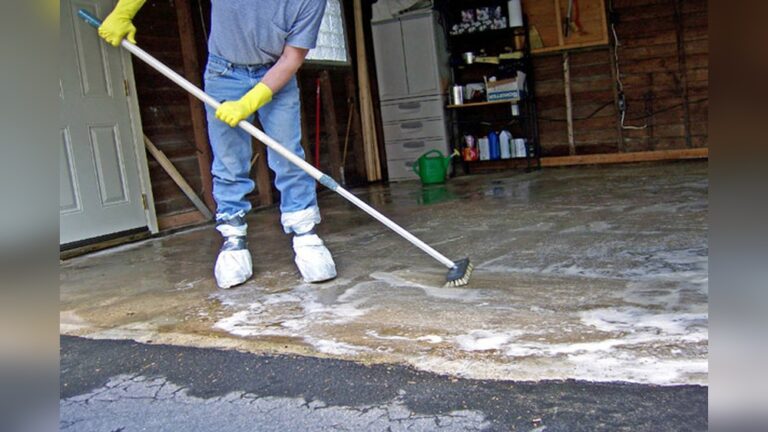
- Scrub with a stiff brush in circles.
- Leave for 10–15 minutes.
- Rinse with water.
Tip: Use hot water if possible. Heat helps dissolve oil.
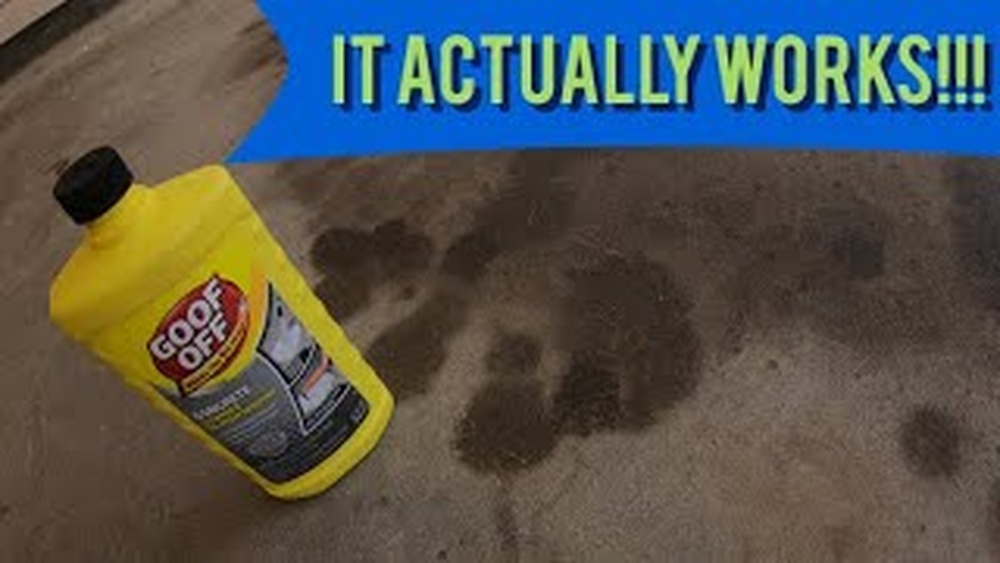
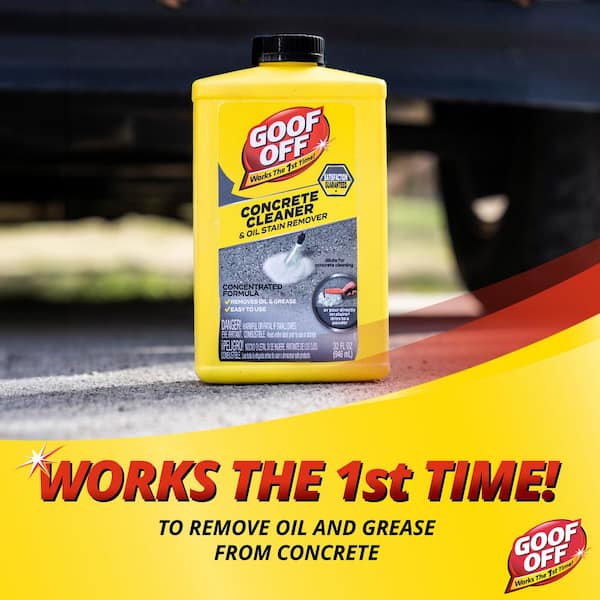
3. Use Commercial Degreasers
Degreasers are made for tough stains. You can buy them at hardware stores.
Steps:
- Read instructions on the product label.
- Pour or spray degreaser over the stain.
- Let it sit for the recommended time (usually 15–30 minutes).
- Scrub with a brush.
- Rinse thoroughly.
Data: Most degreasers claim to remove up to 90% of oil stains with one application. Results depend on stain age and depth.
4. Try Baking Soda And Vinegar
These household items can help with small or old stains.
Steps:
- Sprinkle baking soda over the stain.
- Pour white vinegar on top.
- Let the mixture fizz for 10 minutes.
- Scrub with a brush.
- Rinse with water.
Insight: The fizzing reaction helps loosen oil stuck in the concrete.
5. Use Pressure Washing For Large Areas
Pressure washers use strong water jets to blast away oil and dirt.
Steps:
- Apply a degreaser or soap first.
- Wait 10–15 minutes.
- Use the pressure washer on the highest safe setting.
- Move slowly across the stain.
Example: A pressure washer can clean a whole driveway in less than an hour. However, it may not remove deep stains without pretreatment.
Comparing Cleaning Methods For Oil Removal
Here’s a helpful comparison of popular oil stain removal methods:
| Method | Best For | Average Success Rate | Cost | Time Needed |
|---|---|---|---|---|
| Kitty Litter | Fresh spills | 70–80% | Low | 1–12 hours |
| Dish Soap | Small/light stains | 60–75% | Low | 30 minutes |
| Commercial Degreaser | Old/tough stains | 75–90% | Medium | 1 hour |
| Baking Soda & Vinegar | Small stains | 50–65% | Low | 30 minutes |
| Pressure Washer | Large areas | 60–80% | High | 1 hour |

Credit: www.youtube.com
Advanced Cleaning: Poultice And Enzyme Cleaners
If the stain is very old or deep, basic cleaning may not work. Try advanced methods.
Poultice Paste
A poultice is a paste made from absorbent powder and cleaning liquid.
How to use:
- Mix baking soda or flour with water or degreaser to form a thick paste.
- Spread over the stain.
- Cover with plastic wrap and leave for 24–48 hours.
- Remove and rinse.
Insight: Poultices pull oil from deep inside concrete. They are slow but effective.
Enzyme Cleaners
These products use bacteria to eat oil molecules.
How to use:
- Apply enzyme cleaner as directed.
- Keep the area moist for 24–48 hours.
- Scrub and rinse.
Data: Enzyme cleaners are eco-friendly and can remove up to 95% of oil over time. They work best for old, stubborn stains.
Mistakes Beginners Often Make
Many beginners waste time or damage concrete by making simple mistakes. Avoid these errors:
- Using too much water: Water alone spreads oil instead of removing it.
- Scrubbing too hard: This can damage the surface or push oil deeper.
- Not waiting long enough: Some products need time to work.
- Skipping absorbent step: Always soak up fresh oil before cleaning.
- Using bleach: Bleach doesn’t remove oil and can discolor concrete.
Tip: Always follow product instructions and test in a small spot first.
Credit: www.homedepot.com
Real-life Example: Removing Oil From A Garage Floor
Let’s walk through a practical case.
Situation: You park your car in the garage and notice a fresh oil leak about 2 square feet in size.
Step-by-step:
- Cover the area with kitty litter. Wait overnight.
- Sweep away the litter. Most oil is gone, but some stains remain.
- Wet the area, add dish soap, and scrub with a brush.
- Rinse. Stain is lighter but still visible.
- Apply a commercial degreaser. Wait 30 minutes.
- Scrub and rinse. The stain is almost gone.
- Repeat if needed.
Result: Most beginners can remove at least 80–90% of oil stains with this process.
How To Prevent Future Oil Stains
Once you remove oil, keep your concrete clean by preventing new stains.
Prevention tips:
- Use drip pans under vehicles.
- Clean up spills quickly.
- Seal concrete with a penetrating sealer every 2–3 years.
- Check for leaks in cars or equipment regularly.
- Place absorbent mats in high-risk areas.
Data: Sealed concrete is up to 60% less likely to absorb new oil stains.
Best Products For Oil Stain Removal
Choosing the right product saves time and effort. Here’s a quick look at popular options.
| Product | Type | Ease of Use | Eco-Friendly | Average Price |
|---|---|---|---|---|
| Oil Eater Cleaner | Degreaser | Easy | Yes | $10–$20 |
| Zep Concrete Cleaner | Degreaser | Easy | No | $15–$25 |
| Simple Green | Enzyme Cleaner | Moderate | Yes | $10–$18 |
| Kitty Litter | Absorbent | Very Easy | No | $5–$10 |
| Baking Soda | Absorbent | Easy | Yes | $3–$5 |
Tip: If you’re unsure, start with dish soap and kitty litter. Move to commercial products only if needed.
How To Tell If A Stain Is Permanent
Sometimes, even after cleaning, a faint mark remains. It’s important to know when to stop.
Signs of permanent stains:
- Stain is lighter but still visible after multiple methods
- No change after enzyme or poultice treatment
- Concrete is rough or damaged
Example: Old stains from diesel fuel are hard to remove completely. You may need to live with a slight mark or paint over it.
Environmental And Safety Concerns
Cleaning oil from concrete can affect the environment and your health.
Safety tips:
- Wear gloves and goggles when using chemicals.
- Avoid letting oil or cleaners run into storm drains.
- Choose eco-friendly products when possible.
- Dispose of used absorbents (like kitty litter) safely.
Data: The EPA recommends using biodegradable cleaners and proper disposal to reduce pollution. For more safety advice, see EPA Safer Choice.
Frequently Asked Questions
Can I Use Bleach To Clean Oil Stains?
No, bleach does not remove oil. It can discolor concrete and make stains worse. Use degreasers or absorbents instead.
What’s The Fastest Way To Clean A Fresh Oil Spill?
Pour kitty litter or sawdust on the spill right away. Crush it in, wait a few hours, then sweep it up. This absorbs oil before it soaks in.
Do Oil Stains Come Back After Cleaning?
Sometimes, oil deep in the concrete can rise to the surface later. If this happens, repeat cleaning or use a poultice.
Is Pressure Washing Safe For Concrete?
Yes, but use the right nozzle and pressure. High pressure can damage old or weak concrete. Pretreat stains for best results.
How Can I Prevent Oil Stains In The Future?
Use drip pans, seal your concrete, and clean spills quickly. Regular maintenance keeps concrete looking new and prevents stains.
Removing oil from concrete takes patience, but with the right steps, even beginners can get great results. Start with simple methods like absorbents and dish soap. Move to commercial products if needed, and don’t forget prevention. With these tips, your driveway or garage floor can stay clean and safe for years to come.