
Keeping your garage floor clean is not just about looks. A clean floor helps prevent slips, keeps pests away, and makes your garage last longer. Many people think you need a pressure washer to get a spotless garage floor, but that’s not true.
You can get great results with simple tools and the right steps. If you’re a beginner, don’t worry. This guide will show you how to clean your garage floor without a pressure washer—step by step, with easy tips, real-life examples, and clear answers to common questions.
Why Clean Your Garage Floor?
A dirty garage floor is more than just an eyesore. Oil stains, dust, and dirt can make the surface slippery and unsafe. Over time, chemicals and road salt can damage the concrete, causing cracks and holes. Cleaning your garage floor removes these risks.
It also helps your garage smell better and look brighter.
Many people store food, tools, or even use the garage as a home gym. In these cases, a clean floor is even more important for health and safety.
Tools And Materials You’ll Need
You don’t need fancy equipment to clean your garage floor. Here’s a simple list of what you’ll need:
- Push broom or stiff-bristle broom
- Dustpan
- Bucket
- Mop (preferably with a strong head, like microfiber)
- Scrub brush (handheld or with a long handle)
- Garden hose (optional, but useful)
- Mild detergent (dish soap or floor cleaner)
- Degreaser (for oil stains)
- Absorbent materials (cat litter, sawdust, or baking soda)
- Rubber gloves
- Old towels or rags
- Plastic scraper (for sticky messes)
- Warm water
If you have allergies, a mask can help when sweeping up dust.

Credit: www.youtube.com
Step-by-step Cleaning Process
Let’s break down the cleaning process into easy steps. Each step is beginner-friendly and uses simple tools.
1. Clear The Garage
Start by removing everything from the floor. Move out cars, bikes, tools, and storage boxes. If something is too heavy, push it to one side and clean the floor in sections.
2. Sweep Up Dust And Debris
Use a push broom or stiff-bristle broom to sweep up all loose dirt and dust. Pay special attention to corners and behind doors. Sweep everything into a dustpan and throw it away.
Tip: Dust and sand can scratch your floor if not cleaned regularly.
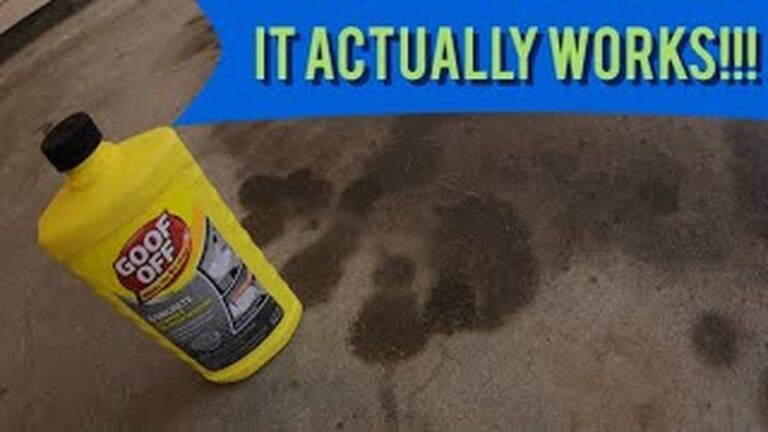
3. Tackle Oil And Grease Stains
Oil stains are common in garages. Here’s how to deal with them:
- Sprinkle cat litter, sawdust, or baking soda on the stain. These materials soak up fresh spills.
- Let it sit for at least 1 hour (overnight is best for large spills).
- Sweep up the absorbent material.
- Pour a small amount of degreaser or dish soap directly on the stain.
- Scrub with a stiff brush and warm water.
- Wipe up the dirty water with old towels.
If the stain is old, repeat the process or let the cleaner sit for 15–20 minutes before scrubbing.
4. Remove Sticky Messes And Paint
Dried paint or sticky glue spots can be tough. Use a plastic scraper to gently lift these off the floor. Avoid metal scrapers, which can scratch concrete.
5. Mop The Floor
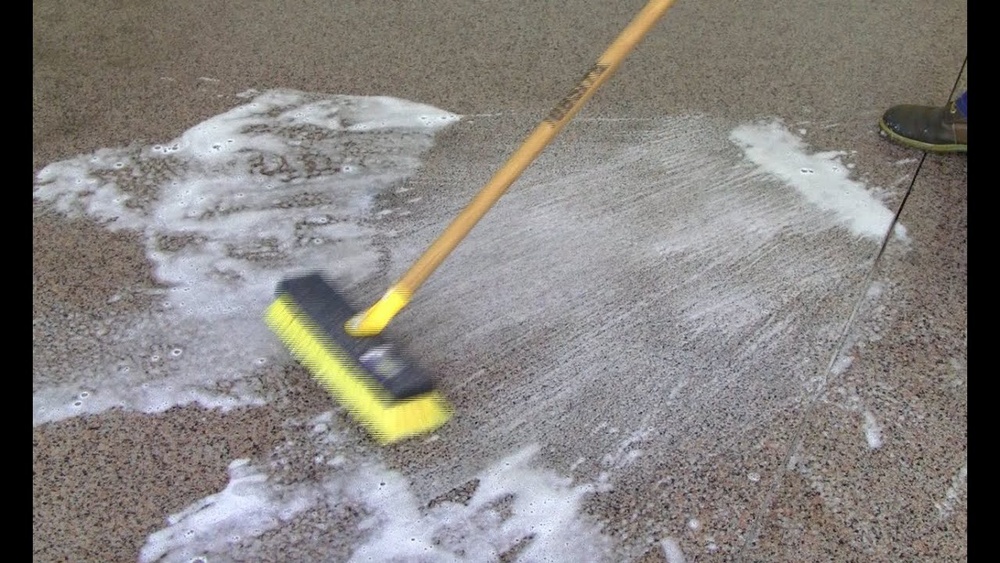
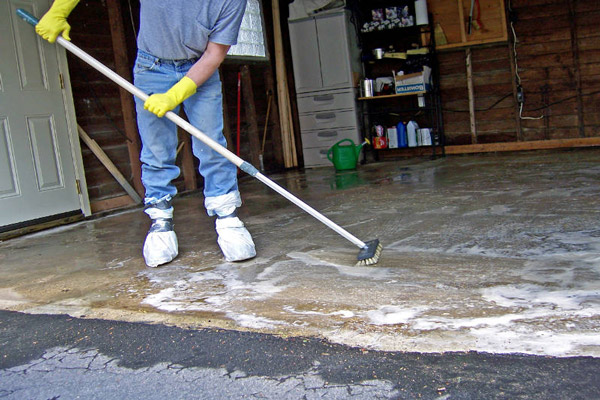
Mix mild detergent with warm water in a bucket. Dip your mop in the soapy water, wring it out, and mop the entire floor.
- Start at the back of the garage and move toward the door.
- Change the water if it gets dirty.
For very dirty floors, mop twice.
6. Rinse (optional)
If your garage has good drainage, you can use a garden hose to rinse the floor. If not, wipe the floor with clean water and old towels. Make sure to remove all soap, as it can make the floor slippery.
7. Dry The Floor
Open the garage door and windows to let air in. Use old towels to speed up drying, especially in corners. Avoid walking on the wet floor until it’s completely dry.
Cleaning Products Comparison
Different cleaning products work better for different stains. Here’s a simple comparison:
| Product | Best For | Cost | Safe for Concrete? |
|---|---|---|---|
| Baking Soda | Fresh Oil, General Cleaning | Low | Yes |
| Dish Soap | Grease, Dirt | Low | Yes |
| Commercial Degreaser | Old Oil Stains | Medium | Check Label |
| Vinegar | Light Stains, Odor | Low | Yes (Diluted) |
Insight: Many beginners skip degreasers, but they can save hours on tough oil stains.
How Often Should You Clean?
Regular cleaning keeps your garage safe and tidy. But how often is enough?
- Sweep: Every 1–2 weeks (more if you use the garage often)
- Mop: Once a month or as needed
- Deep Clean (with stain removal): Every 3–4 months
Note: If you live in an area with snow or lots of rain, clean more often to prevent damage from road salt and mud.
Common Mistakes To Avoid
Even with the right tools, beginners sometimes make mistakes. Here are some to avoid:
- Using harsh chemicals: Some cleaners can damage concrete or make floors slippery.
- Skipping stain treatment: Ignoring oil stains makes them harder to remove later.
- Not drying the floor: Leaving water on the floor can cause mold or mildew.
- Scraping with metal tools: This can scratch and weaken the floor.
Non-obvious tip: Don’t mix cleaners. For example, mixing bleach with vinegar or ammonia can create dangerous fumes.
Credit: www.danleys.com
Diy Cleaning Solutions
You don’t need to buy expensive cleaners. Here are some easy recipes:
- For General Cleaning: Mix 1 cup of baking soda, a few drops of dish soap, and 1 gallon of warm water.
- For Odor Removal: Mix 1 part white vinegar with 2 parts water.
- For Stains: Make a paste with baking soda and water. Spread it on the stain, let it sit for 30 minutes, then scrub.
Example: Sarah, a garage owner in Chicago, used baking soda paste to remove years-old oil stains. She saved money and avoided harsh chemicals.
When To Use A Hose (and When Not To)
A hose can help rinse the floor, but it’s not always needed. Only use a hose if:
- Your garage has a drain or slopes toward the door.
- The weather is warm, so the floor dries fast.
Never flood the floor. Too much water can seep into cracks and cause damage, especially in cold climates.
Credit: hellamaid.ca
Benefits Of Cleaning Without A Pressure Washer
You might wonder if you’re missing out by not using a pressure washer. Here’s why cleaning without one can be better:
- No risk of damaging concrete (pressure washers can erode weak spots)
- Lower cost (no need to rent or buy equipment)
- Less mess (no dirty water splashing on walls or belongings)
- Safer for beginners (no high-pressure accidents)
How Garage Floor Types Affect Cleaning
Not all garage floors are the same. Here’s how to adjust your cleaning for different surfaces:
| Floor Type | Special Care | Cleaning Tips |
|---|---|---|
| Bare Concrete | Porous, stains easily | Use degreasers for oil; seal if possible |
| Painted Concrete | May chip with harsh tools | Avoid metal brushes; use gentle soap |
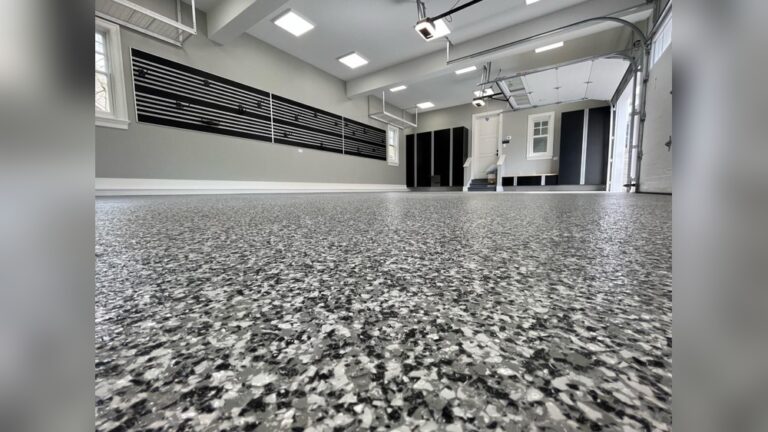
| Epoxy Coating | Resistant to stains | Use mild soap; avoid acid-based cleaners |
| Tiles or Mats | Joints trap dirt | Vacuum before mopping |
Practical insight: Many beginners don’t know that epoxy floors need less scrubbing and are easier to maintain.
How To Keep Your Garage Floor Cleaner, Longer
After cleaning, take steps to keep the floor looking good:
- Place doormats at entrances to catch dirt.
- Use drip pans under cars to stop oil stains.
- Sweep regularly before dirt builds up.
- Store chemicals and paints on shelves, not the floor.
- Seal concrete every 1–2 years for extra protection.
These simple habits can cut cleaning time in half.
Real-world Cleaning Example
Let’s see how a beginner, Tom, cleaned his two-car garage:
- He swept out dust and leaves with a push broom.
- Tom used cat litter on fresh oil spots and let it sit overnight.
- The next day, he swept up the litter and scrubbed the spots with dish soap and a stiff brush.
- He mopped the floor with warm water and baking soda.
- Tom opened the garage door to speed up drying.
Total time: 2.5 hours. Tom didn’t use any fancy tools and spent less than $15 on materials.
Environmental Tips
Cleaning your garage floor can be eco-friendly:
- Use biodegradable soaps.
- Reuse old towels and rags.
- Avoid washing chemicals into storm drains.
- Collect dirty water and pour it into a toilet or sink connected to a wastewater system.
For more on safe cleaning methods, check out the EPA’s guide to greener products.
Frequently Asked Questions
How Do I Remove Old Oil Stains Without A Pressure Washer?
Old oil stains are tough, but you can use a degreaser or baking soda paste. Let the cleaner sit for 20–30 minutes, then scrub with a stiff brush. Repeat if needed. For very stubborn stains, try a commercial concrete cleaner.
Is Vinegar Safe For Cleaning Garage Floors?
Yes, diluted vinegar works for light cleaning and odor removal. Mix one part vinegar with two parts water. Avoid using vinegar on sealed or epoxy floors, as acid can damage the coating.
Can I Use Bleach To Clean My Garage Floor?
Bleach is strong and can damage concrete if used often. It’s best for removing mold or heavy stains, but always dilute it (1 part bleach to 10 parts water) and rinse well. Wear gloves and don’t mix bleach with other cleaners.
How Long Does It Take To Clean A Garage Floor Without A Pressure Washer?
A basic cleaning takes 1–2 hours for a two-car garage. If you’re removing old stains or dealing with a lot of dirt, allow 2–3 hours. Drying time depends on air flow—open doors and windows to speed it up.
What Should I Do If My Garage Has No Drain?
If your garage has no drain, avoid using too much water. Mop with minimal water and wipe up spills with towels. Use absorbent materials for stains and sweep regularly to keep dirt under control.
—
Cleaning your garage floor without a pressure washer is simple, cost-effective, and safe for beginners. With the right tools and clear steps, you can tackle dirt, dust, and tough stains. Remember, regular cleaning saves time and keeps your garage safe and looking good.
Try these tips, and you’ll see a big difference—no pressure washer needed.