
Removing oil stains from concrete can feel like an impossible task. You may see a dark spot under your car or on your driveway and worry it will never go away. But with the right methods and a little patience, you can restore your concrete and keep it looking clean.
Whether you have a fresh spill or an old stain, this guide will show you how to handle them. You will learn both quick fixes and deeper cleaning methods, all explained in simple steps anyone can follow.
Why Oil Stains Are Hard To Remove
Concrete is a porous material. When oil spills, it soaks into tiny holes and cracks in the surface. This is why wiping up oil is not enough. The oil can travel deep inside, making stains stubborn and difficult to clean.
Regular soap and water usually do not work well because they cannot reach the oil trapped below the surface.
A common mistake is waiting too long. Fresh oil is easier to remove than oil that has set for days or weeks. The longer you wait, the deeper the oil goes. That’s why knowing the right steps and acting fast can make a big difference.
Immediate Steps For Fresh Oil Spills
If you catch the oil spill quickly, you have the best chance to avoid a permanent stain. Here’s what to do right away:
- Blot the oil: Use paper towels, rags, or even old newspapers. Press gently to soak up as much oil as possible. Do not rub—it can push oil deeper.
- Cover with absorbent material: Sprinkle something like cat litter, baking soda, or sawdust over the spot. These materials pull oil out of the concrete.
- Let it sit: Leave the absorbent on the stain for at least 30 minutes. For best results, leave it overnight.
- Sweep up: After waiting, sweep up the material. The stain should look lighter.
These steps can remove a lot of the oil before it becomes a problem. But if the stain is still visible, you’ll need deeper cleaning.
Credit: www.homedepot.com
Common Household Methods To Remove Oil Stains
Many people want to use products they already have at home. Here are some of the most effective household methods for removing oil stains from concrete:
1. Dish Soap And Hot Water
Dish soap is designed to cut grease, making it a good choice for small oil stains.
- Pour a generous amount of dish soap directly on the stain.
- Add hot water (not boiling, just very warm).
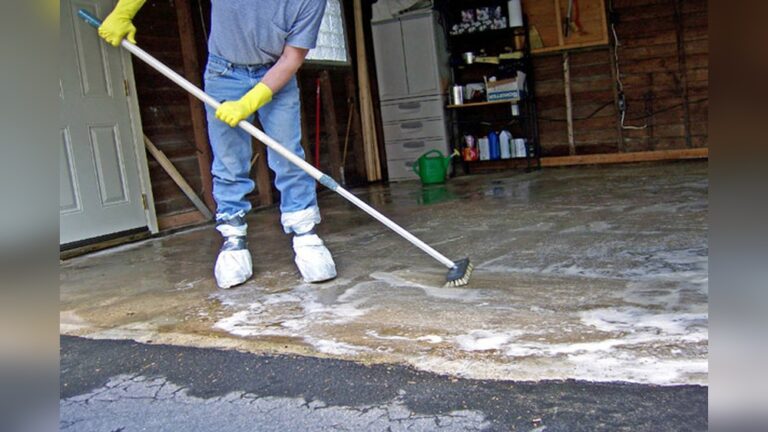
- Scrub with a stiff brush (not metal, which can scratch the surface).
- Rinse with water.
- Repeat if needed.
This method works well for new or small stains. It is safe and easy but may not remove deep or old stains.
2. Baking Soda Paste
Baking soda is a gentle abrasive and helps absorb oil.
- Mix baking soda with water to form a thick paste.
- Spread the paste over the stain.
- Scrub with a brush.
- Let it sit for 15-30 minutes.
- Rinse with hot water.
Baking soda is safe for children and pets and works best on light stains.
3. Vinegar And Baking Soda
This combination creates a fizzing reaction that can help lift oil out.
- Sprinkle baking soda over the stain.
- Pour white vinegar on top.
- Let the fizz work for about 10 minutes.
- Scrub with a brush.
- Rinse with water.
This method is eco-friendly and good for minor stains.
Commercial Products For Tough Oil Stains
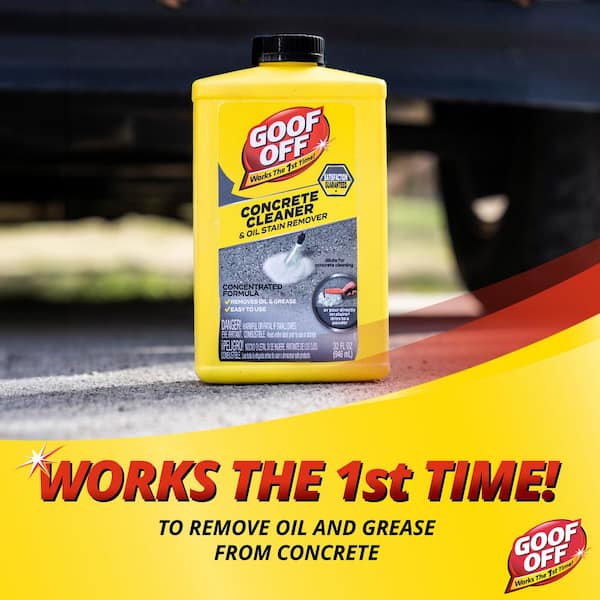
If household products are not enough, you may need to buy a cleaner made for concrete. These products are stronger and formulated to break down oil.
Types Of Commercial Cleaners
| Product Type | Main Use | Pros | Cons |
|---|---|---|---|
| Concrete Degreaser | Breaking down oil and grease | Strong, effective | Can be harsh, may need rinsing |
| Microbial Cleaner | Eating oil with bacteria | Eco-friendly, less odor | Slower results, higher cost |
| Poultice | Pulling oil from deep pores | Great for old stains | Messy, longer wait time |
How To Use A Concrete Degreaser
- Read the instructions on the label.
- Apply the cleaner to the stain.
- Scrub with a stiff brush.
- Let it sit for the recommended time.
- Rinse with water, repeat if needed.
Some degreasers need to be diluted; others are ready to use. Always wear gloves and avoid skin contact.
Microbial Oil Removers
Microbial cleaners use special bacteria to break down oil. They are safer for the environment and do not create strong smells. However, they can take several days to show results.
- Pour the product on the stain.
- Cover with plastic to keep moisture in.
- Wait as directed (often overnight or longer).
- Scrub and rinse.
This method is best for people who want a green solution and are not in a hurry.

Credit: www.youtube.com
The Poultice Method For Deep Stains
A poultice is a paste that draws oil out of concrete. It works well for old or stubborn stains.
- Mix a cleaning powder (like baking soda or powdered cleaner) with a liquid solvent (like acetone or paint thinner).
- Make a paste about the thickness of peanut butter.
- Spread it over the stain, about half an inch thick.
- Cover with plastic wrap and tape down the edges.
- Let it sit for 24-48 hours.
- Remove the plastic and scrape away the dried paste.
- Rinse with water.
This method can be messy and requires patience, but it often works when other methods fail. Always use solvents in a well-ventilated area, and keep them away from flames.
Pressure Washing: When And How To Use It
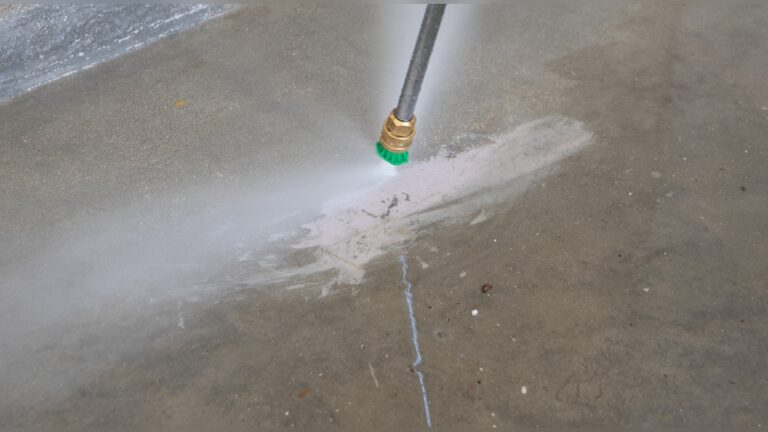
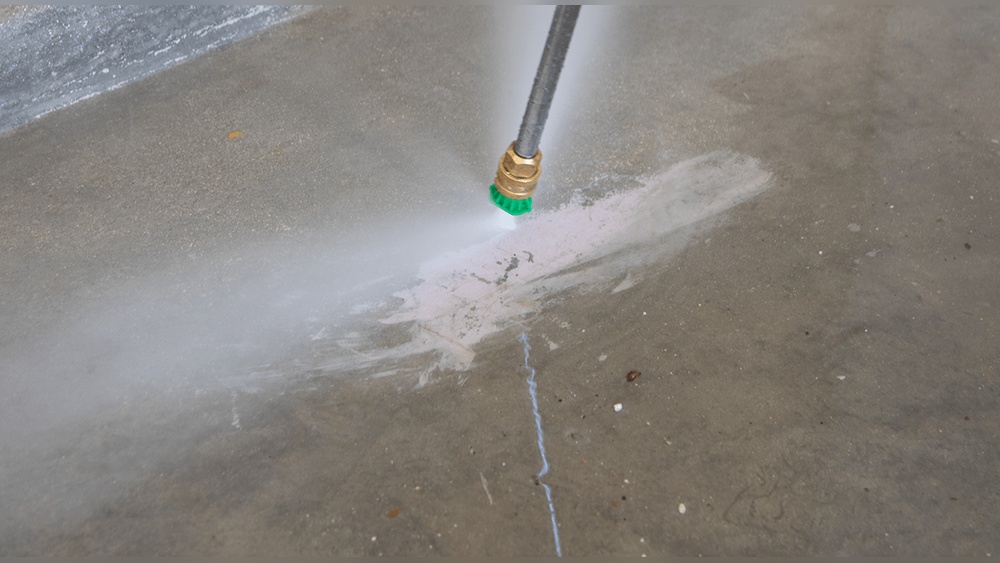
Pressure washing uses water at high force to remove surface stains. It can make your driveway or garage floor look new, but it is not always the best first step for oil stains.
- If the oil is fresh, pressure washing can spread the stain.
- Use this method after trying absorbents or cleaners first.
- Choose a washer with at least 1700 PSI for good cleaning power.
- Hold the nozzle about a foot from the surface.
- Move in slow, even strokes.
Pressure washing works best as a final cleaning step. It does not remove oil deep inside the concrete but helps with surface marks.
Comparing Methods: Effectiveness And Cost
Here’s a quick comparison to help you choose the right method for your situation:
| Method | Best For | Effectiveness | Estimated Cost |
|---|---|---|---|
| Cat Litter | Fresh spills | Good | $2-$5 per use |
| Dish Soap | Small stains | Fair | $1 per use |
| Commercial Degreaser | Set-in stains | Very good | $10-$20 per bottle |
| Poultice | Old, deep stains | Excellent | $5-$15 per use |
| Pressure Washer | Surface stains | Good | $0 (if you own), $40/day (rental) |
Common Mistakes To Avoid
Many beginners make simple mistakes that can make stains worse or damage concrete. Here’s what to avoid:
- Using too much water too soon, which can spread oil.
- Scrubbing with metal brushes, which scratch and weaken concrete.
- Applying harsh chemicals without testing a small area first.
- Ignoring safety—always wear gloves and keep children and pets away from chemicals.
- Not reading instructions for commercial products.
Tip: Always test a cleaning method on a small, hidden part of concrete first. This helps you avoid discoloration or damage.
How Long Does It Take To Remove Oil Stains?
Time depends on the method and age of the stain:
- Fresh spills: Often cleaned within 1 hour with household items.
- Set-in stains: May require several treatments over 1-2 days.
- Old stains: Could take a week or more with repeated poultice or microbial treatments.
Patience is key. Multiple treatments are often needed for complete removal. Do not expect instant results, especially with old stains.
Preventing Future Oil Stains
Once you remove a stain, you want to prevent new ones. Here’s how:
- Place drip pans or cardboard under cars and machinery.
- Seal your concrete. A concrete sealer fills in pores and creates a barrier.
- Clean up spills immediately using the absorbent method.
- Schedule regular cleaning—sweeping and rinsing prevents buildup.
- Check for leaks in vehicles or equipment to stop new spills.
A small investment in concrete sealer can make future cleaning much easier. Sealed concrete resists stains and looks better over time.
/how-to-remove-oil-stains-from-concrete-5223364-08-f4e5dee43c5f4c389f374ff6445c88fb.JPG)
Credit: www.thespruce.com
Real-life Example: Driveway Oil Stain Removal
Imagine you find a large oil spot under your car. Here’s a step-by-step approach using the tips above:
- Blot up fresh oil with paper towels.
- Cover the spot with cat litter and leave overnight.
- Sweep up litter and check the stain.
- Apply dish soap and scrub with hot water.
- If the stain remains, use a commercial degreaser and follow the label.
- For a deep, old stain, prepare a poultice and leave for 48 hours.
- Finish by rinsing and, if possible, use a pressure washer for a final clean.
This process can remove most stains, even those that have been there for weeks.
Eco-friendly And Safe Disposal Tips
Some cleaning products and absorbents can harm the environment. Here’s how to stay safe:
- Never wash oil or chemicals into street drains.
- Collect used cat litter or absorbent and place in a sealed bag.
- Check local rules for disposal—many cities have special waste collection for oil.
- Choose biodegradable or microbial cleaners for less impact.
For more on eco-friendly cleaning and disposal, you can visit the EPA’s recycling page.
Frequently Asked Questions
What Is The Fastest Way To Remove Oil From Concrete?
The fastest way is to blot up fresh oil, cover with cat litter or baking soda, wait 30 minutes, then sweep. For best results, follow with dish soap and hot water scrubbing. This works best for new spills.
Can Old Oil Stains Be Removed Completely?
Yes, but it may take several treatments. Use a poultice or commercial degreaser, and be patient. Old stains are deep and need time for the cleaner to work.
Will Pressure Washing Alone Remove Oil Stains?
Pressure washing helps with surface marks but does not remove deep oil. Use it as a final step after absorbent or chemical cleaning for best results.
Is It Safe To Use Bleach Or Harsh Chemicals?
Bleach is not effective for oil and can damage concrete. Use products made for concrete or household cleaners like dish soap. Always wear gloves and follow safety advice.
How Can I Prevent Oil Stains In The Future?
Seal your concrete with a good sealer, use drip pans under vehicles, and clean up spills right away. Regular maintenance keeps your concrete looking great.
Getting oil stains out of concrete is possible with the right steps. Act quickly for fresh spills, use the right cleaners for old stains, and prevent future problems with simple habits. With a little effort, your concrete can stay clean and oil-free.