
Keeping your garage floor clean is more important than many people think. A dirty garage floor can cause stains, smells, and even safety risks. Dust, oil, and debris can damage your floor over time. But the good news is, cleaning a garage floor is easier than it sounds.
With the right steps, you can make your garage look fresh and well-kept—sometimes in just a few hours.
Let’s break down simple methods anyone can follow, even if you’re new to DIY cleaning. You’ll learn about tools, cleaning solutions, practical tips, and common mistakes to avoid. Whether your garage is concrete, painted, or epoxy-coated, this guide will help you get the job done.
Why Clean Your Garage Floor?
A clean garage floor does more than just look good. Here’s why you shouldn’t skip this task:
- Safety: Oil and grease make floors slippery, causing falls.
- Protect your investment: Stains and chemicals can damage concrete.
- Reduce dust and allergens: Less dust means cleaner air in your home.
- Keep pests away: Crumbs and spills attract insects and rodents.
- Increase property value: A tidy garage impresses buyers and renters.
A well-maintained floor saves money in repairs and helps your garage stay useful for years.
Tools And Supplies You’ll Need
You don’t need expensive equipment to clean your garage floor. Here’s what works best:
- Broom or push broom: For sweeping dust and debris.
- Dustpan: To collect swept-up dirt.
- Stiff brush: Helps scrub tough stains.
- Mop and bucket: For washing and rinsing.
- Garden hose or pressure washer: For deeper cleaning.
- Protective gloves: Keeps your hands safe from chemicals.
- Safety goggles: Protects eyes from splashes.
You’ll also need some cleaning products:
- All-purpose cleaner: For general dirt and spills.
- Degreaser: Removes oil and grease spots.
- Concrete cleaner (optional): For deep stains.
- Baking soda or kitty litter: Absorbs fresh oil stains.
Many items are already in your home, making this a budget-friendly project.
Prepare The Garage
Before cleaning, get the area ready. Preparation makes the job faster and easier.
- Remove vehicles and items: Take out cars, bikes, tools, and boxes. Work in sections if space is limited.
- Sweep thoroughly: Use a broom to get rid of dust, leaves, and dirt. Pay attention to corners.
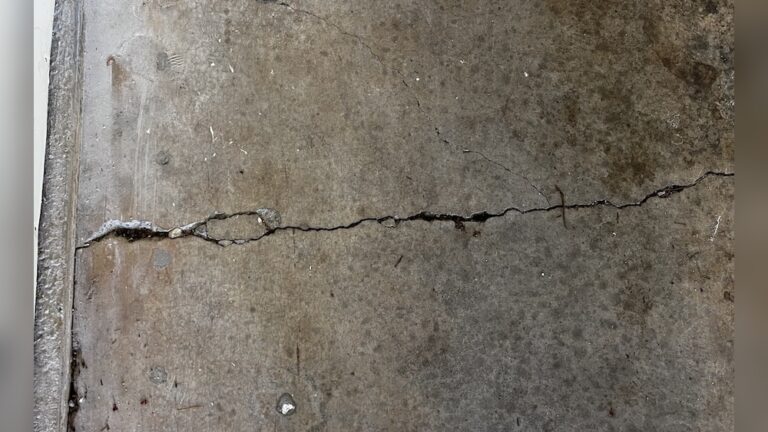
- Check for stains and cracks: Notice where oil, paint, or rust stains are. Look for cracks that might need repair later.
Taking time to prep means you won’t miss hidden dirt or damage.
Basic Cleaning: Sweeping And Washing
Most garages only need basic cleaning every few months. Here’s how to do it right:
- Sweep the entire floor.
- Start at the far end and move toward the door.
- Use a push broom for faster results on large floors.
- Mix a cleaning solution.
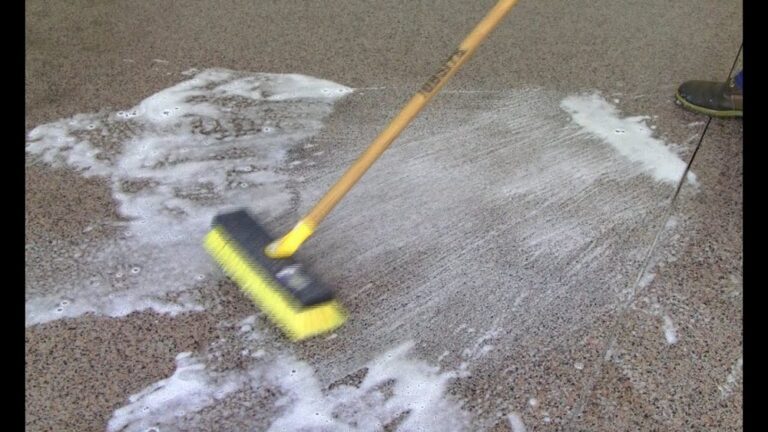
- Use warm water and an all-purpose cleaner or dish soap.
- Fill a mop bucket for easy dipping.
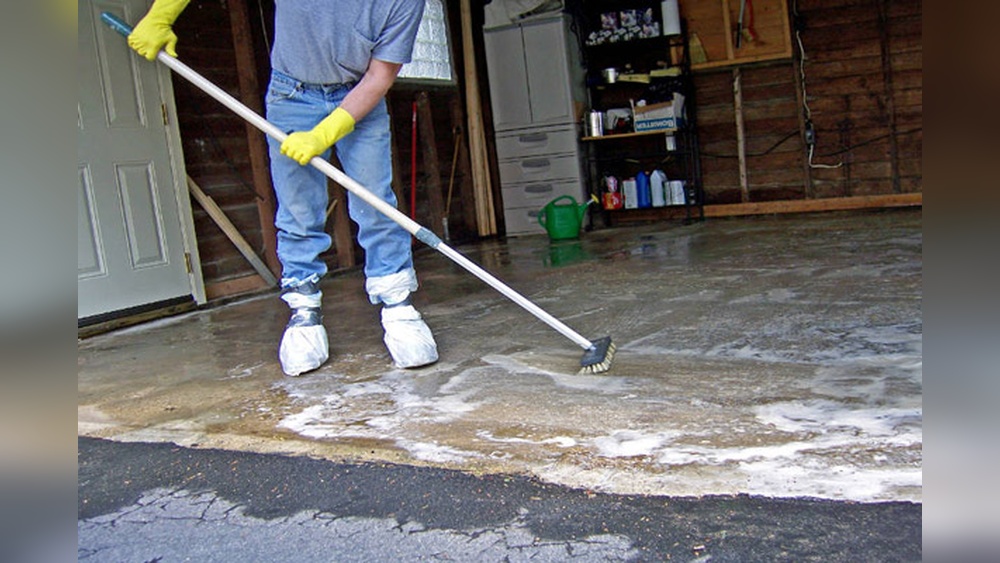
- Mop the floor.
- Dip the mop, wring out excess water, and scrub the floor.
- Rinse the mop often to avoid spreading dirt.
- Rinse with clean water.
- Use a hose to wash away soap and grime, or mop again with plain water.
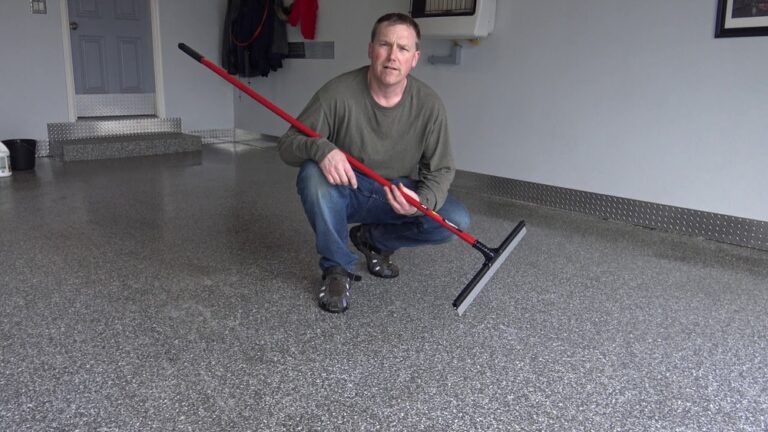
- Push excess water outside with a squeegee or broom.
- Let the floor dry.
- Open garage doors and windows to speed up drying.
This method works for concrete, painted, and epoxy-coated floors.
Removing Stubborn Stains
Some stains won’t come off with regular washing. Here are targeted solutions for common problems:
Oil And Grease Stains
- Cover fresh spills: Sprinkle baking soda or kitty litter over the oil. Let it sit for a few hours to absorb.
- Scrub with degreaser: Apply a concrete-safe degreaser and scrub with a stiff brush.
- Rinse well: Wash away the cleaner and repeat if needed.
Rust Stains
- Use lemon juice or vinegar: Pour on the stain, let sit for 5–10 minutes, then scrub.
- Commercial rust remover: For tough spots, use a product made for concrete.
Paint And Chemical Stains
- Scrape carefully: Use a plastic scraper for dried paint.
- Apply paint thinner: For stubborn paint, dab a little paint thinner and scrub gently.
Mold And Mildew
- Mix bleach solution: Use 1 part bleach to 10 parts water.
- Scrub affected area: Wear gloves and goggles, and rinse well after cleaning.
Comparison Of Cleaning Methods
Here’s a quick look at the effectiveness of different cleaning methods for garage floors:
| Method | Best For | Effort Level | Average Cost |
|---|---|---|---|
| Sweeping & Mopping | Light dirt, dust | Low | $0–$10 |
| Degreaser & Scrubbing | Oil stains | Medium | $5–$15 |
| Pressure Washing | Deep cleaning | Medium–High | $0–$50 (if renting) |
| Commercial Cleaners | Rust, paint, heavy stains | High | $10–$30 |
Deep Cleaning With A Pressure Washer
A pressure washer makes cleaning faster, especially if your floor is very dirty. Here’s how to use it safely:
- Sweep first: Remove as much loose dirt as possible.
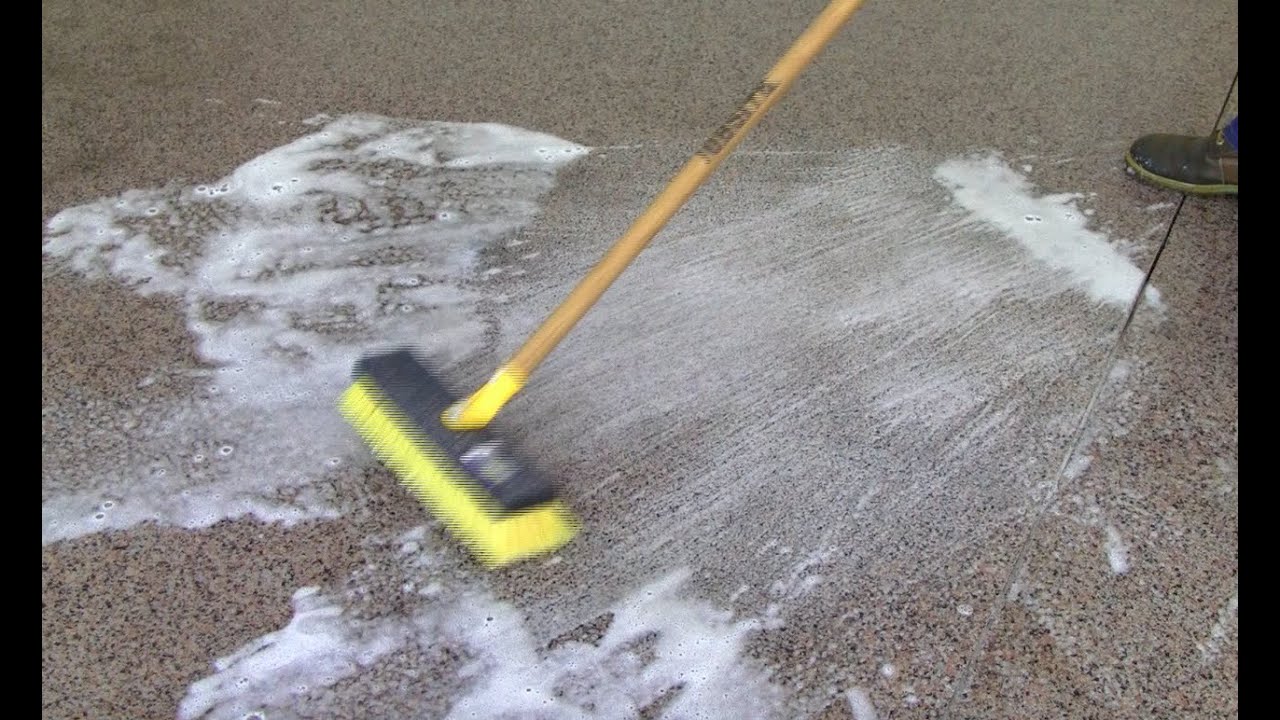
- Apply detergent: Use a concrete-safe cleaner in the washer’s soap compartment.
- Spray evenly: Hold the nozzle about 12 inches from the floor.
- Rinse thoroughly: Go over the floor with clean water until all soap is gone.
- Let dry: Wait until the floor is completely dry before returning items.
Tip: Always test the pressure on a small area first. Too much force can damage old or painted floors.
Credit: www.youtube.com
Cleaning Different Floor Types
Not all garage floors are the same. Here’s what you need to know about each type:
Concrete Floors
- Most common.
- Can handle scrubbing and pressure washing.
- Use a concrete cleaner for best results.
Painted Floors
- Use mild soap and water to avoid peeling paint.
- Avoid harsh chemicals or stiff brushes.
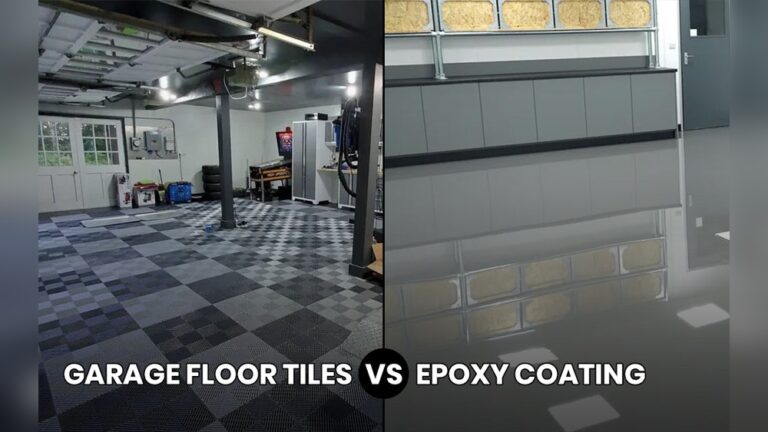
Epoxy-coated Floors
- Durable, but avoid acidic cleaners.
- Mop with gentle solutions.
- Wipe up spills quickly to prevent staining.
Tile Or Rubber Floors
- Sweep or vacuum debris.
- Mop with warm water and mild soap.
Important: Always follow the manufacturer’s cleaning advice for your floor type.
How Often Should You Clean?
Cleaning frequency depends on how you use your garage:
- Light use (storage): Sweep and mop every 2–3 months.
- Regular use (cars, projects): Clean once a month.
- Heavy use (workshop): Sweep weekly, deep clean monthly.
Cleaning more often keeps stains from setting and makes each cleaning easier.
Mistakes To Avoid
Many people make the same cleaning mistakes. Avoid these for the best results:
- Skipping the sweep: Dirt scratches the floor if not removed first.
- Using harsh chemicals: These can damage coatings and harm your health.
- Not rinsing well: Leftover soap attracts more dirt.
- Ignoring stains: Old stains are harder to remove.
- Cleaning without gloves: Chemicals can burn or irritate your skin.
Non-obvious tip: Don’t forget to clean behind and under shelves or storage units. Dust and pests often hide there.
Extra Tips For A Cleaner Garage
To keep your garage floor clean longer, try these simple habits:
- Place mats at entrances: Trap dirt before it reaches the floor.
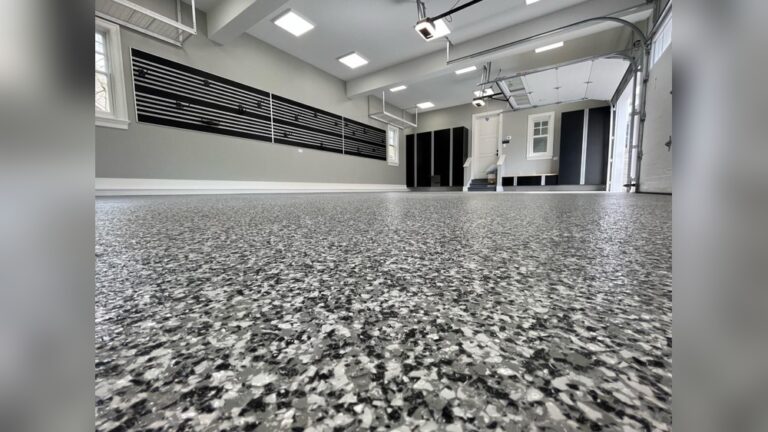
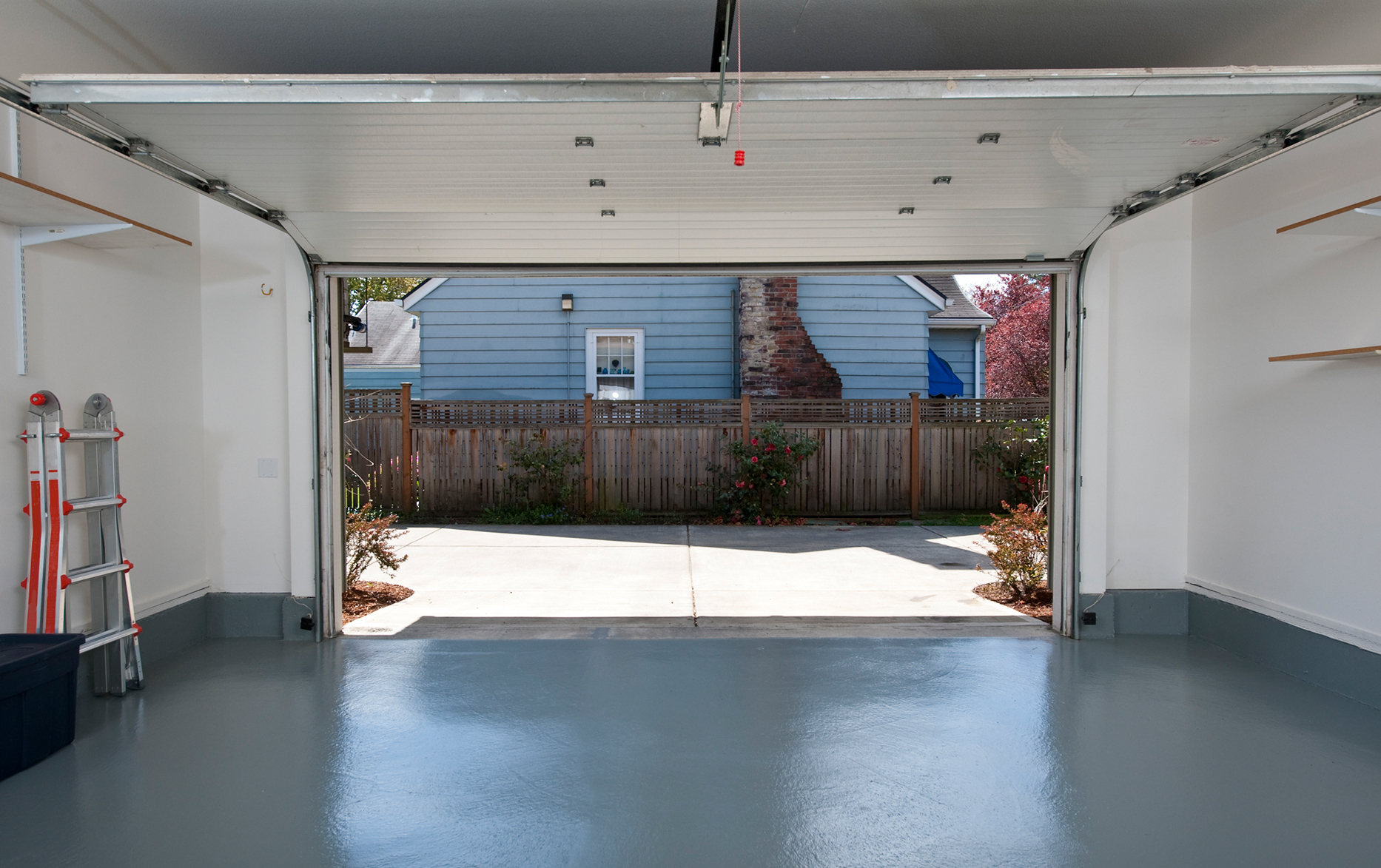
- Seal the floor: A concrete sealer or epoxy makes cleaning easier.
- Store items off the floor: Use shelves or hooks.
- Sweep regularly: A quick sweep every week prevents buildup.
- Fix leaks: Oil or water leaks from cars should be repaired quickly.
Pro tip: Mark a cleaning day on your calendar every month. Regular care saves time and effort.
Credit: simplegreen.com
Cost Comparison: Diy Vs. Professional Cleaning
Wondering if you should hire a pro? Here’s a quick cost breakdown:
| Option | Average Cost | Time Required | Best For |
|---|---|---|---|
| DIY Cleaning | $10–$50 | 1–3 hours | Most homeowners |
| Professional Service | $100–$250 | 1–2 hours | Large garages, heavy stains |
Most people find that DIY cleaning is effective and affordable for regular maintenance. Professionals are best for very large garages or severe stains.
Cleaning For Specific Problems
Every garage is different. Here’s how to handle special cases:
- Salt stains: Sprinkle vinegar, let sit, and scrub. Salt is common in cold areas and damages concrete over time.
- Pet accidents: Use an enzyme cleaner to remove stains and odors.
- Sticky residues: Rubbing alcohol helps remove tape or sticker glue.
If you have unique problems, look for products made for that issue.
Environmentally Friendly Cleaning
You can clean your garage floor without harming the environment:
- Use biodegradable cleaners when possible.
- Avoid rinsing chemicals into storm drains—collect water and pour it in your yard or a safe drain.
- Reuse old towels or mops instead of paper towels.
- Dispose of oily rags safely; they can catch fire if left in piles.
Small changes make cleaning safer for your family and the planet.
When To Call A Professional
If your garage floor has:
- Very large or old stains
- Mold or mildew that keeps coming back
- Structural damage or deep cracks
- Health concerns (allergies, chemical spills)
It’s wise to call a cleaning or repair specialist. They have tools and products not available to the public. More details can be found at the EPA’s green cleaning guide.

Credit: xtremepolishingsystems.com
Frequently Asked Questions
How Do I Remove Old Oil Stains From A Garage Floor?
For old oil stains, cover the spot with kitty litter or baking soda to soak up any remaining oil. Then, scrub with a degreaser and a stiff brush. You may need to repeat the process for the best results.
What Is The Best Cleaner For Concrete Garage Floors?
A mix of warm water and dish soap works for light cleaning. For heavy stains, a concrete cleaner or degreaser is best. Always rinse well to avoid leaving any residue.
Is It Safe To Use Bleach On Garage Floors?
Bleach is safe in small amounts, especially for removing mold or mildew. Mix one part bleach with ten parts water. Always wear gloves and rinse the floor thoroughly after cleaning.
Can I Pressure Wash A Painted Garage Floor?
It’s possible, but use low pressure to avoid peeling the paint. Test on a small area first. Use a mild cleaner and avoid harsh brushes or chemicals.
How Can I Keep My Garage Floor Clean Longer?
Place mats at entrances, sweep often, and clean up spills quickly. Sealing the floor with epoxy or concrete sealer also helps prevent stains and makes cleaning easier.
A clean garage floor doesn’t just look good—it keeps your garage safe, healthy, and long-lasting. With these steps, even beginners can achieve great results. Regular care and the right products will help your floor stay in top shape for years to come.