
Keeping your garage cool is a challenge for many homeowners, especially during hot summers. Most garages are not designed with cooling in mind. They often lack insulation, air conditioning, and proper ventilation. This can make them uncomfortable and even unsafe for storage, working, or spending time.
But with the right strategies, you can lower the temperature and create a comfortable space. This guide covers easy, beginner-friendly ways to keep your garage cool, including practical tips, data, and examples. You’ll also find answers to common questions and comparisons to help you make the best choices.
Why Garages Get Hot
Garages heat up quickly for several reasons:
- Poor insulation: Most garages have thin walls and ceilings.
- Limited ventilation: Few garages have windows or fans.
- Concrete floors: Concrete absorbs and stores heat.
- Direct sunlight: Sun on garage doors and roofs makes things worse.
- No cooling system: Unlike homes, garages rarely have AC.
For example, a study from the University of California showed that garage temperatures can be 15–20°F higher than outside during midday. That means if it’s 90°F outside, your garage could reach 110°F or more.
Benefits Of Keeping Your Garage Cool
A cooler garage offers many benefits:
- Protects stored items like paint, electronics, and tools from damage.
- Makes working in garage safer and more comfortable.
- Reduces fire risk from overheated equipment.
- Helps lower home energy bills if garage shares walls with living spaces.
Improving Garage Insulation
Insulation is the foundation of keeping your garage cool. It slows heat transfer from outside.
Types Of Insulation
You have several options for garage insulation:
- Batt insulation: Common, affordable, easy to install in walls and ceilings.
- Foam board: Good for garage doors and unfinished walls.
- Spray foam: Seals gaps; more expensive, but very effective.
Here’s a simple comparison of insulation types:
| Type | Cost (per sq. ft.) | DIY Friendly | Effectiveness |
|---|---|---|---|
| Batt | $0.50–$1 | Yes | Good |
| Foam Board | $0.70–$1.50 | Yes | Very Good |
| Spray Foam | $1.50–$3 | No | Excellent |
Practical Tips
- Focus on garage door and ceiling—these let in the most heat.
- Seal cracks with weatherstripping or caulk.
- If you have an attic above your garage, insulate it too.
Adding Ventilation
Ventilation removes hot air and brings in cooler air.
Types Of Garage Ventilation
- Passive vents: Small openings in walls or roof.
- Exhaust fans: Pull hot air out; ideal for summer.
- Window fans: Blow air in or out; good for garages with windows.
Here’s a comparison of common garage fans:
| Fan Type | Airflow (CFM) | Cost | Noise Level |
|---|---|---|---|
| Exhaust Fan | 800–2000 | $50–$200 | Low |
| Box Fan | 1500–2500 | $30–$100 | Medium |
| Window Fan | 800–1200 | $20–$80 | Low |
Installation Example
- Install an exhaust fan near the ceiling on a wall opposite the door.
- Use a box fan at the door to bring in fresh air.
- Open windows if possible during cooler parts of the day.
Using Portable Cooling Solutions
If insulation and ventilation aren’t enough, portable cooling tools can help.
Options For Portable Cooling
- Evaporative coolers: Also called swamp coolers; use water to cool air.
- Portable air conditioners: Work well but need venting.
- Fans: Move air and help sweat evaporate.
Data And Tips
- Evaporative coolers lower temperature by up to 10–15°F in dry climates.
- Portable AC units can cool small garages but use more electricity.
Example: If your garage is 400 sq. ft., a portable AC rated at 10,000 BTU can cool it well. Make sure to vent the hot air through a window or wall.
Minimizing Heat Entry
Reducing heat entry is often overlooked but makes a big difference.
Simple Steps
- Keep garage door closed during hottest hours.
- Install sunshades or reflective film on garage windows.
- Paint garage door and roof with light colors—they reflect heat.
- Plant trees or install awnings to shade garage.
A study by the US Department of Energy found that light-colored roofs can lower surface temperature by up to 50°F compared to dark roofs.

Credit: raynor.com
Organize And Declutter
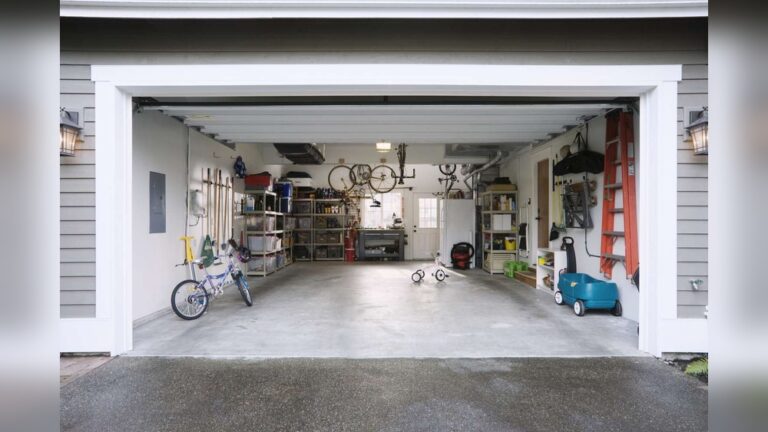
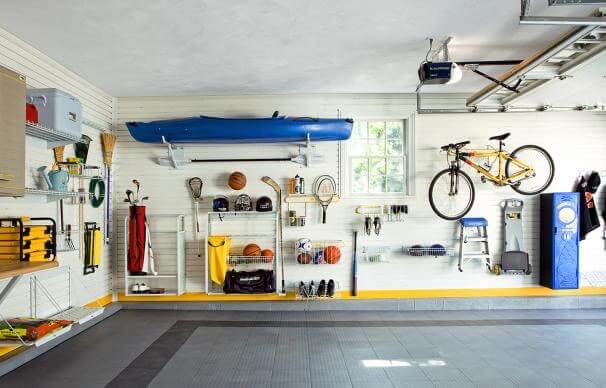
Clutter traps heat and makes air flow harder.
Practical Methods
- Remove unused items or move them to cooler parts of the house.
- Store heat-sensitive items away from walls and windows.
- Arrange shelves to allow air movement.
Smart Technology Solutions
Technology can help automate cooling and temperature control.
Useful Gadgets
- Smart thermostats: Monitor garage temperature; can control fans or AC.
- Temperature sensors: Alert you if garage gets too hot.
- Remote-controlled fans: Let you turn fans on/off from your phone.
Non-obvious insight: Many homeowners forget to monitor garage temperature regularly. Installing a smart sensor makes it easy to track and respond quickly.
Weatherproofing The Garage
Weatherproofing is often ignored by beginners, but it’s critical.
Steps For Weatherproofing
- Seal gaps around doors and windows.
- Use weatherstripping on garage door edges.
- Install door sweeps to block hot air from entering under the door.
Weatherproofing also helps keep out pests and rain, making your garage safer.
Comparing Cooling Methods
To help you choose, here’s a comparison of major cooling strategies:
| Method | Cost | Ease of Use | Cooling Effect | Best For |
|---|---|---|---|---|
| Insulation | $$ | Moderate | High | Long-term |
| Ventilation | $ | Easy | Medium | Quick fix |
| Portable AC | $$$ | Easy | High | Short-term |
| Evaporative Cooler | $$ | Easy | Medium | Dry climates |
| Weatherproofing | $ | Easy | Low/Medium | Complementary |
Common Mistakes Beginners Make
Many beginners make errors that reduce garage cooling effectiveness:
- Ignoring insulation: Focusing only on fans without insulation wastes energy.
- Using dark colors: Painting garage doors dark attracts heat.
- Blocking air vents: Storing boxes against vents stops airflow.
- Not venting portable AC: Failing to vent hot air keeps garage hot.
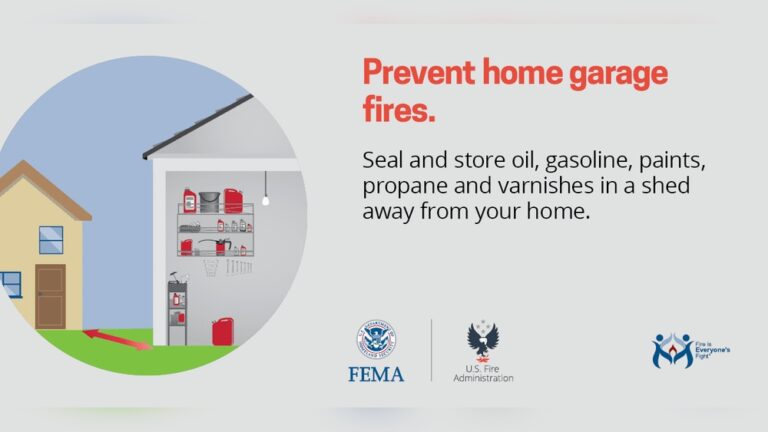
- Storing flammable materials: Heat increases fire risk.
Real-life Example
Let’s look at a practical example:
Sarah, a homeowner in Texas, struggled with a hot garage. She insulated her garage door with foam board, installed an exhaust fan, and added reflective film to her window. She also started using a portable evaporative cooler. After these changes, her garage temperature dropped from 105°F to 88°F during peak hours. She spent about $400 total and finished all work herself in one weekend.
How To Plan Your Cooling Project
Getting started is easier if you follow a simple plan:
- Measure garage temperature at different times of day.
- Check insulation—look for gaps and thin walls.
- Decide on ventilation—fans, vents, or windows.
- Choose portable cooling if needed for hot days.
- Improve weatherproofing—seal all doors and windows.
- Organize garage to allow airflow.
- Monitor temperature after changes.
Maintenance Tips
Keeping your garage cool is not a one-time job. Regular maintenance helps:
- Clean fans and vents every few months.
- Check weatherstripping for wear.
- Inspect insulation for damage.
- Keep clutter away from airflow paths.
- Update cooling tools if needed.

Credit: leesburgdecksandporches.com
When To Seek Professional Help
Some projects are simple, but you may need a pro for:
- Large insulation projects.
- Electrical work for fans and AC.
- Installing new windows or vents.
Hiring a professional may cost more but ensures safety and effectiveness.
Frequently Asked Questions
What Is The Best Way To Cool A Garage Without Ac?
The most effective method is to combine insulation and ventilation. Insulate the garage door and ceiling, then use exhaust fans or window fans. This setup can lower temperatures by 10–15°F without using AC.
Is It Safe To Use A Portable Air Conditioner In A Garage?
Yes, but you must vent the hot air outside. Otherwise, the AC will not cool properly. Also, check your electrical system—garages often have limited outlets.
How Much Does It Cost To Cool A Garage?
Costs vary:
- Basic insulation: $100–$500
- Exhaust fan: $50–$200
- Portable AC: $300–$600
You can start with small changes and increase your investment as needed.
Will Garage Cooling Reduce My Home Energy Bills?
Yes, especially if your garage shares walls with your home. Cooling the garage reduces heat transfer, which means your AC doesn’t work as hard inside the house.
Are There Any Risks With Garage Cooling Solutions?
Most cooling solutions are safe if installed correctly. Risks include electrical hazards from improper wiring and fire risks from storing flammable items in a hot garage. Always follow safety instructions and check local codes.
Keeping your garage cool improves comfort, protects your belongings, and can even save money. Start with easy steps like insulation and ventilation, then add cooling tools as needed. Remember, regular maintenance and smart choices make a big difference. For more expert advice, see this Energy.gov guide on insulation. With these strategies, you’ll enjoy a cooler, safer, and more useful garage all year round.
Credit: artisandoorworks.com