
Spiders are common guests in garages. For many people, seeing webs and spiders in the corners can be unsettling. Garages often provide the perfect environment: dark, undisturbed, and full of hiding places. If you want to know how to keep spiders out of your garage, you’re not alone. Many homeowners face the same challenge. The good news is, there are effective, practical steps you can take—even if you have never dealt with this before. Let’s look at beginner-friendly ways to keep your garage spider-free, using simple actions and easy-to-understand tips.
Why Do Spiders Like Garages?
Spiders are not picky, but garages offer what they love most:
- Shelter from weather (rain, heat, cold)
- Plenty of insects to eat
- Dark corners and clutter for hiding
Many garages are rarely cleaned or used daily, so spiders can live undisturbed. They find cracks, boxes, and piles of stuff perfect for building webs.
Common Types Of Spiders Found In Garages
Not every spider in your garage is dangerous, but some are more common than others. Here are a few you might find:
| Spider Type | Appearance | Are They Dangerous? |
|---|---|---|
| House Spider | Small, brownish | No |
| Wolf Spider | Large, hairy, fast | No (can bite, but rarely harmful) |
| Black Widow | Shiny black, red hourglass | Yes (venomous) |
| Brown Recluse | Light brown, violin mark | Yes (venomous) |
Most spiders in garages are harmless, but it’s good to know which ones to avoid.
:max_bytes(150000):strip_icc()/GettyImages-1225147385-c42c87f0e0df46cf9d49cebc3a20d429.jpg)
Credit: www.thespruce.com
How Spiders Get Into Your Garage
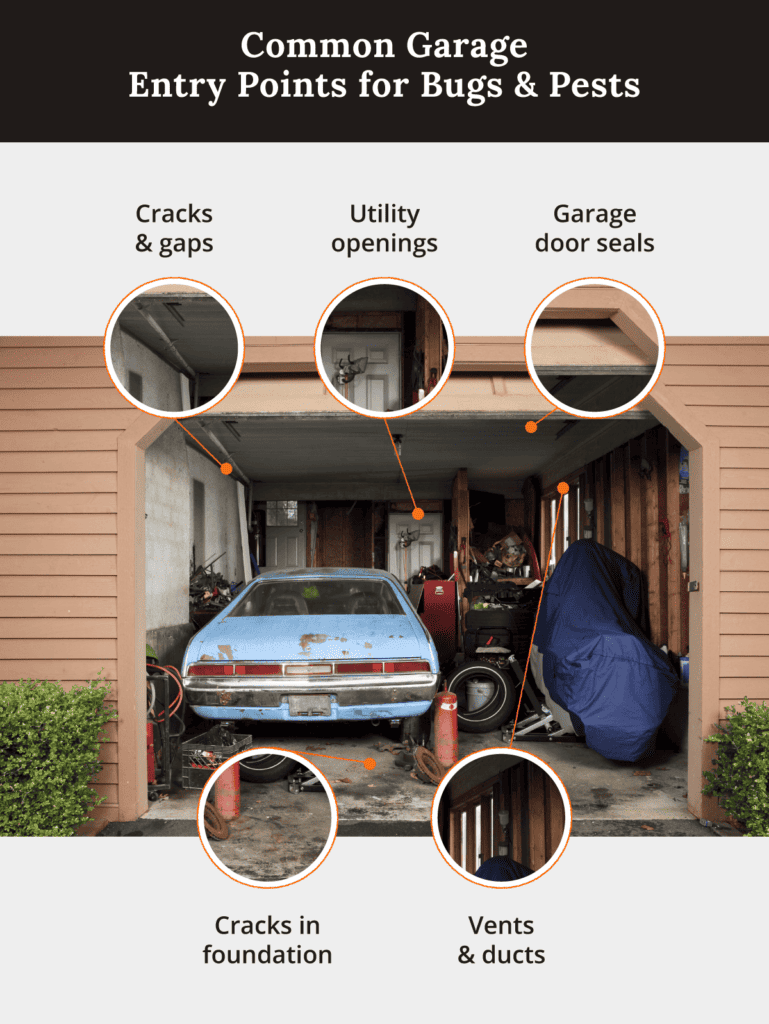
Spiders don’t need a big opening to enter. Here’s how they get in:
- Gaps under doors
- Cracks in walls
- Open windows
- Vents without screens
- Boxes and bags brought in
Small spaces (as thin as a pencil) are enough for most spiders. That’s why sealing up entry points is so important.
Step-by-step: How To Keep Spiders Out Of Garage
Let’s break down the best actions you can take, even if you’re new to this.
1. Declutter And Organize
Spiders love places to hide. The more clutter, the more spiders.
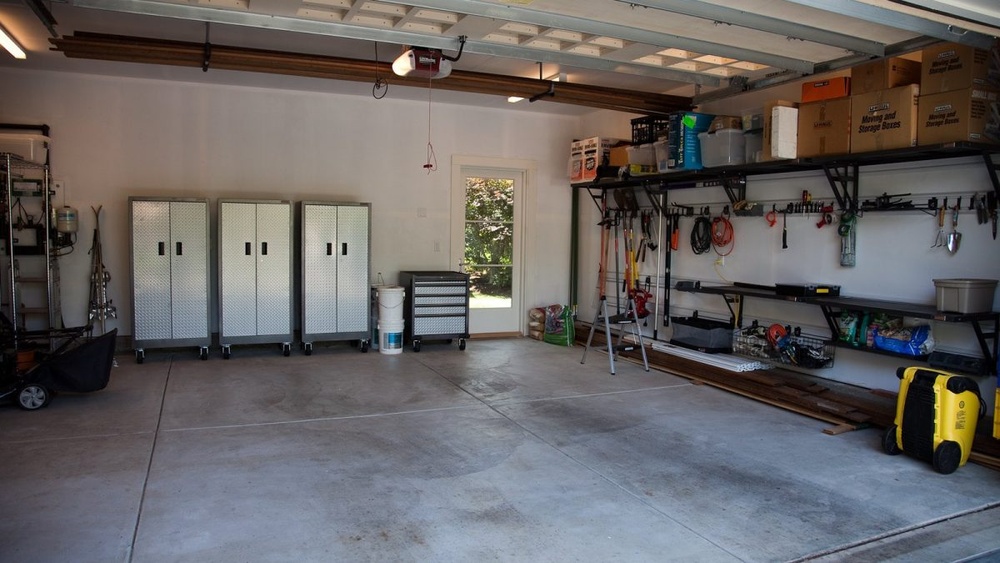
- Remove old boxes, papers, and unused items.
- Store things in plastic bins with tight lids, not cardboard.
- Keep items off the floor—use shelves.
- Check behind items for webs and eggs.
A clean, organized garage is less attractive to spiders.
2. Seal All Entry Points
Blocking spider access works wonders. Here’s how:
- Use weatherstripping on doors.
- Seal cracks and gaps with caulk.
- Install or repair window screens.
- Cover vents with fine mesh.
Check these areas at least twice a year. Even a small gap lets spiders in.
3. Keep The Garage Dry
Spiders and their prey (insects) like moisture.
- Fix leaks in the roof, pipes, or water heater.
- Use a dehumidifier if the garage feels damp.
- Sweep water out after cleaning.
Dry garages have fewer insects, which means fewer spiders.
4. Turn Off Outdoor Lights
Light attracts insects, and insects attract spiders.
- Use yellow “bug” bulbs outside—they attract fewer insects.
- Turn off lights when not needed.
- Move lights away from garage doors if possible.
This simple change can reduce spider food sources.
5. Clean Regularly
Routine cleaning removes webs, eggs, and spiders.
- Sweep corners, ceilings, and under shelves.
- Use a vacuum cleaner for webs.
- Mop the floor if possible.
Regular cleaning makes your garage less welcoming to spiders.
6. Use Natural Spider Repellents
Some scents drive spiders away. These are safe for kids and pets.
- Peppermint oil: Mix 10 drops with water in a spray bottle. Spray corners and doors.
- Vinegar: Mix equal parts vinegar and water. Spray where spiders enter.
- Citrus peels: Rub on windowsills and shelves.
Repeat every few weeks for best results.
7. Remove Food Sources
Less food means fewer spiders.
- Keep trash cans tightly closed.
- Clean up crumbs and spills.
- Store pet food in sealed containers.
- Remove dead insects quickly.
This step is often missed by beginners.
8. Install Door Sweeps
A door sweep is a strip at the bottom of your garage door.
- Keeps out both insects and spiders.
- Easy to install—just screw or stick on.
- Check for gaps regularly.
Door sweeps are a low-cost, high-impact solution.
9. Use Sticky Traps
Sticky traps are safe and easy for beginners.
- Place along walls and behind boxes.
- Check and replace traps every few weeks.
- Helps you see how many spiders are present.
This also helps you spot a sudden increase in spiders.
10. Consider Professional Pest Control
If you have dangerous spiders (like black widows) or a big infestation:
- Call a licensed pest control expert.
- Ask for eco-friendly or pet-safe options.
- Schedule regular checks if spiders keep coming back.
Professionals have tools and chemicals not available to the public.
.png?r=7dKCvOLwwZQ=)
Credit: plunketts.net
Comparing Methods: Diy Vs. Professional Help
Which option is right for you? Here’s a comparison:
| Method | Cost | Best For | Downside |
|---|---|---|---|
| DIY Cleaning & Sealing | Low ($20-$100) | Small spider problems | More time and effort |
| Natural Repellents | Very low ($5-$15) | Prevention, mild issues | Needs frequent reapplication |
| Pest Control Service | Medium-High ($100+ per visit) | Large or dangerous infestations | Higher cost |
Most homeowners can start with DIY steps. If you see venomous spiders, don’t hesitate to call a pro.
How Often Should You Spider-proof Your Garage?
Consistency is key. Here’s a practical schedule:
- Declutter: Every 3–6 months
- Seal gaps: Twice a year
- Clean webs: Monthly
- Check traps: Every 2–4 weeks
- Spray repellents: Every 2–4 weeks
Staying on schedule prevents spiders from coming back.
Credit: alansfactoryoutlet.com
Extra Tips Most Beginners Miss
Some details make a big difference, but many people overlook them:
- Check garden tools and boxes before storing them in the garage—spiders often hide here.
- Trim plants and bushes near the garage walls. Spiders use plants as bridges.
- Don’t stack firewood next to the garage. This is a spider hotspot.
- Keep windows closed unless they have screens.
- Install bright LED lights inside the garage—spiders avoid well-lit spaces.
These extra steps give you an advantage over just basic cleaning.
What To Do If You Find Spiders
If you see a spider, don’t panic. Here’s what to do:
- Wear gloves before touching boxes or cleaning webs.
- Use a vacuum to remove spiders and webs.
- If you see a dangerous spider (like a black widow), don’t try to handle it—call a professional.
- Teach kids not to touch spiders.
For those with spider phobia, consider using long-handled tools to avoid close contact.
Spider Myths And Facts
Many people believe things about spiders that simply aren’t true.
| Myth | Fact |
|---|---|
| All spiders are dangerous | Most are harmless and help control pests |
| Spiders bite often | Spiders bite only in self-defense |
| Spiders lay eggs in people | Completely false—spiders lay eggs in webs |
| Spiders come inside during winter | Most spiders live their whole lives indoors |
Knowing the facts helps reduce fear and handle spiders more calmly.
When To Seek Medical Help
Most spider bites are not serious. But seek help if:
- The bite is from a black widow or brown recluse
- The bite gets red, swollen, or painful after a day
- You feel sick, dizzy, or have trouble breathing
Take a photo of the spider if possible. This helps doctors identify the species. For more about spider bites, visit the Centers for Disease Control and Prevention.
Frequently Asked Questions
How Can I Keep Spiders Out Of My Garage Naturally?
Use peppermint oil, vinegar spray, and keep the garage dry. Declutter and clean regularly. Store items in plastic bins, and seal all cracks and gaps to block entry points.
Why Do I Keep Seeing Spiders In My Garage After Cleaning?
Spiders may return if entry points are not sealed or if there are still insects to eat. Check for gaps under doors and windows, and use sticky traps to monitor activity.
Are Garage Spiders Dangerous?
Most spiders are harmless, like house spiders and wolf spiders. However, some, like black widows and brown recluse spiders, can be dangerous. Always wear gloves and call a professional if you see venomous spiders.
How Often Should I Check For Spiders In My Garage?
Check for webs, spiders, and egg sacs at least once a month. Clean more often during spring and fall when spiders are most active.
Do Ultrasonic Pest Repellers Work For Spiders?
Most studies show ultrasonic pest repellers have little effect on spiders. Physical cleaning, sealing gaps, and using natural repellents are more effective for keeping spiders out of your garage.
Taking action now keeps your garage spider-free and gives you peace of mind. Start with simple steps, stay consistent, and enjoy a cleaner, safer space for your family and belongings.