
Storing paintings in your garage might sound convenient, but it comes with risks. Many people use their garage as extra storage space, but not all garages are safe for art. Paintings are sensitive to changes in temperature, humidity, and light.
If you store them incorrectly, you can damage them. This guide explains how to store paintings in your garage the right way. You’ll learn about the best conditions, practical steps, and common mistakes. Whether you’re a beginner or just curious, these tips will help you keep your art safe for years.
Understanding The Risks Of Garage Storage
Garages are not built for storing paintings. Most garages face big swings in temperature and humidity. This can cause paint to crack, canvas to warp, and colors to fade.
- Temperature: Garages often get very hot in summer and cold in winter. Paintings do best at 65–75°F (18–24°C).
- Humidity: Ideal humidity for paintings is 40–60%. Garages often go above or below this range.
- Light Exposure: Sunlight and fluorescent lights can cause fading.
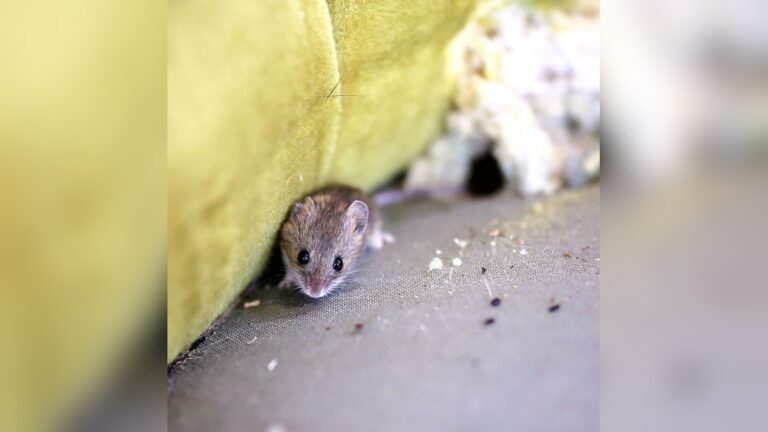
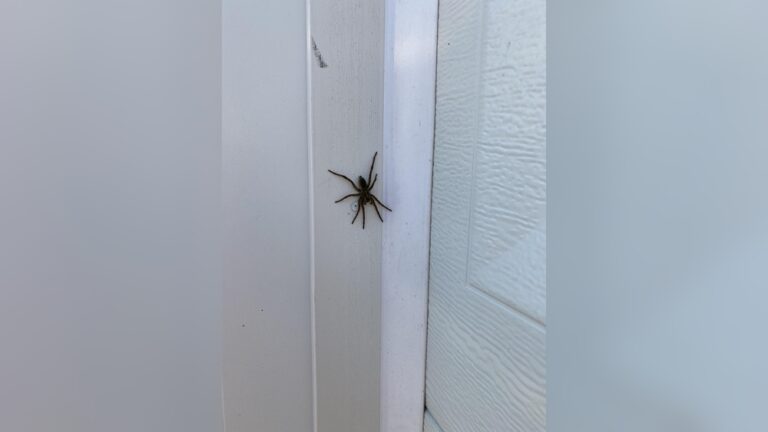
- Dust and Pests: Garages collect dust and attract insects and rodents.
For example, a painting stored in a garage with high humidity might develop mold. Paintings near windows or doors may fade or attract bugs. Most beginners do not realize how quickly these problems can start.
How To Prepare Your Garage For Storing Paintings
Before you store any artwork, prepare your garage. This will reduce risks and keep your paintings safe.
Climate Control
- Use a dehumidifier to control humidity.
- Install a thermometer and a hygrometer to track temperature and moisture.
- If your garage is too hot or cold, consider adding insulation.
- Avoid placing paintings near heaters or air vents.
Lighting
- Keep paintings out of direct sunlight.
- Use LED lights rather than fluorescent bulbs.
- Cover windows with blackout curtains.
Pest Control
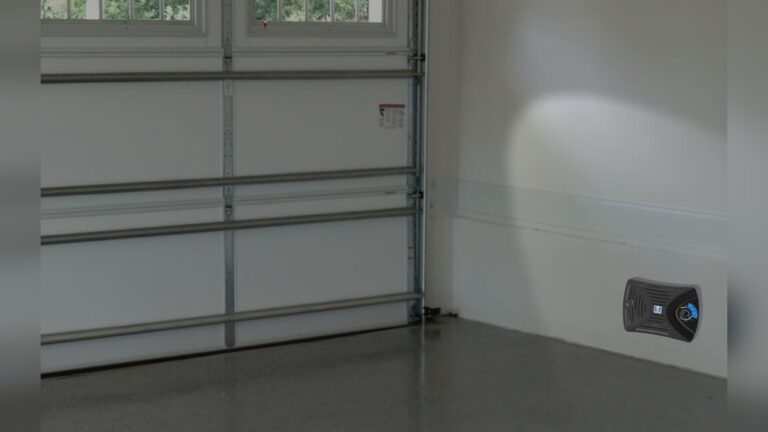
- Seal cracks and gaps in walls and doors.
- Clean the garage regularly.
- Store paintings above ground level to avoid rodents.
Storage Space
- Choose a dry, clean area away from cars and tools.
- Use shelving units or racks designed for artwork.
How To Prepare Paintings For Garage Storage
Paintings need careful preparation before storage. This protects them from dust, moisture, and accidental damage.
- Clean the Painting: Use a soft brush to remove dust. Do not use water or cleaning products.
- Frame Check: Make sure the frame and backing are secure.
- Protective Wrap: Use acid-free paper or glassine to wrap the painting.
- Bubble Wrap: For extra safety, add bubble wrap, but avoid direct contact with the painting’s surface.
- Corner Protectors: Use foam or cardboard protectors on corners.
- Label Each Painting: Write the name and date on a tag for easy identification.
Most people skip the wrapping step, but wrapping prevents scratches and moisture damage. Always use materials made for art storage.
Best Ways To Store Paintings In A Garage
You have two main choices: vertical storage or horizontal storage. Each has pros and cons.
| Storage Method | Advantages | Disadvantages |
|---|---|---|
| Vertical Storage | – Saves space – Easy to access |
– Risk of falling – Pressure points on edges |
| Horizontal Storage | – Low risk of falling – No edge pressure |
– Needs more space – Harder to access |
Vertical Storage Tips
- Use shelves with dividers.
- Place paintings upright, never leaning heavily.
- Leave space between paintings.
- Avoid stacking paintings against each other.
Horizontal Storage Tips
- Lay paintings flat on shelves, not on the floor.
- Stack paintings with soft separators between each piece.
- Do not place heavy items on top.
Credit: www.boredpanda.com
Common Mistakes Beginners Make
Many people damage their art without realizing it. Here are some mistakes to avoid:
- Stacking Paintings Without Protection: Causes scratches and pressure damage.
- Using Plastic Wrap: Traps moisture and leads to mold.
- Storing Near Chemicals or Car Engines: Fumes can harm paintings.
- Ignoring Temperature Changes: Paintings crack or warp.
- Placing Paintings on the Floor: Increases risk from flooding, pests, and dirt.
A smart step is to use acid-free materials. Beginners often use regular cardboard or plastic, which can ruin paintings over time.
Diy Storage Solutions For Paintings
If you want to build your own storage, here are easy ideas:
Simple Art Rack
- Use wood or metal shelving.
- Add foam dividers for each painting.
- Build racks with enough space for different sizes.
Hanging Storage
- Install hooks or pegs on the wall.
- Hang framed paintings using wires or brackets.
- Make sure hooks are strong enough for heavy paintings.
Custom Boxes
- Buy acid-free boxes.
- Place paintings inside with padding.
- Label each box for easy tracking.
These solutions are budget-friendly and safer than stacking paintings in corners.
Professional Storage Vs Garage Storage
Is garage storage better than professional storage? Let’s compare.
| Feature | Garage Storage | Professional Storage |
|---|---|---|
| Cost | Low (free or cheap) | High (monthly fees) |
| Climate Control | Often poor | Excellent |
| Security | Low | High |
| Accessibility | Easy | Depends on location |
| Protection | Limited | Professional |
If your paintings are valuable or rare, professional storage is safer. For hobby art or family pieces, garage storage can work if you follow the right steps.
How To Monitor Stored Paintings
Checking your stored paintings is important. Problems can develop quickly.
- Inspect paintings every month.
- Look for signs of mold, fading, or pests.
- Use a humidity monitor and temperature gauge.
- Adjust conditions if needed.
If you see damage, fix it fast. Beginners often forget to check their art, but regular inspections prevent big losses.

Credit: www.reddit.com
Insurance And Documentation
Even in a garage, you should protect your investment.
- Take clear photos of each painting.
- Write down the size, artist, and value.
- Keep records in a safe place.
- Ask your insurance company if your home policy covers art in the garage.
This step is overlooked by most beginners. Good records help if you need to claim insurance or prove ownership.
Examples Of Safe Garage Storage
Let’s look at two real-life examples.
Example 1:
Sara stores her family paintings in a well-insulated garage. She uses vertical racks with foam dividers and checks her paintings every month. Her art stays safe and clean.
Example 2:
Mike puts his paintings on the floor near the garage door. He doesn’t monitor temperature or humidity. After six months, he finds mold and warped canvases. This shows why preparation matters.
Data: How Fast Damage Happens
Research shows paintings can suffer damage in just weeks if stored poorly.
- Mold can grow in 48–72 hours if humidity is above 70%.
- Paint can crack after 2–3 months of big temperature swings.
- Sunlight causes fading in as little as 30 days.
Most people think damage takes years, but it can happen much faster.
When Not To Store Paintings In A Garage
Garage storage is not safe for:
- Museum-quality pieces
- High-value art
- Watercolor paintings
- Unframed canvases
- Art with sentimental value
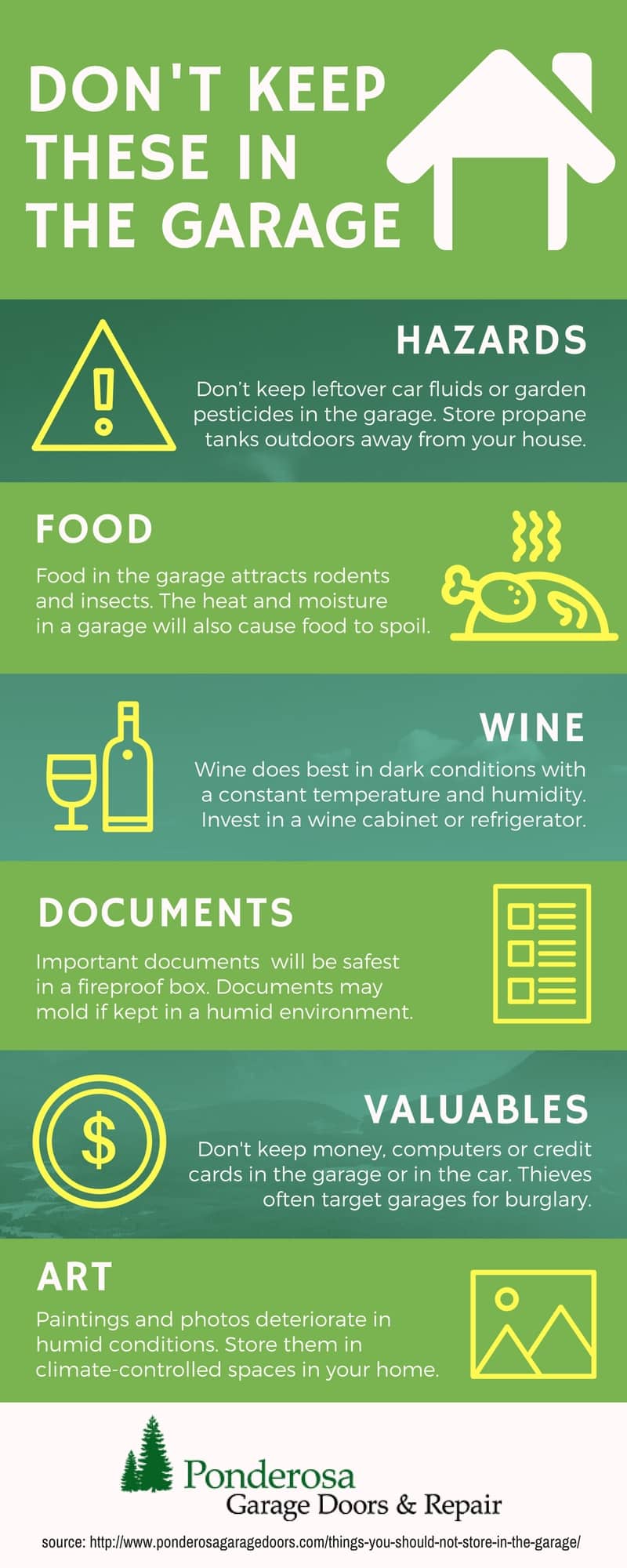
If your painting is rare or precious, use professional storage or a climate-controlled room. Beginners may not realize that some materials are more sensitive than others.
Credit: ponderosagaragedoors.com
Useful Products For Garage Storage
These tools help keep paintings safe:
- Acid-free paper or glassine for wrapping
- Foam corner protectors
- Humidity monitor (digital hygrometer)
- Dehumidifier
- Art storage racks
- LED light bulbs
You can find these at art stores or online. Only use products made for art storage.
Expert Tips For Long-term Garage Storage
Follow these advanced tips for better protection:
- Rotate paintings every few months to prevent uneven exposure.
- Never store paintings near water pipes or drains.
- Keep a log of garage conditions (temperature, humidity).
- Use silica gel packs to absorb extra moisture.
Many beginners skip these steps, but they make a big difference over time.
Frequently Asked Questions
What Is The Best Temperature For Storing Paintings In A Garage?
The best temperature is 65–75°F (18–24°C). Extreme heat or cold can cause paint to crack and canvas to warp. If your garage isn’t climate-controlled, try to insulate it and use a thermometer to monitor changes.
How Do I Protect Paintings From Humidity In The Garage?
Use a dehumidifier and a hygrometer to keep humidity between 40–60%. Wrap paintings in acid-free materials and store them off the floor. Silica gel packs help absorb moisture.
Can I Store Oil Paintings In My Garage?
Yes, but oil paintings are sensitive to temperature and humidity. Prepare the garage, wrap the painting, and check conditions regularly. Never store oil paintings near chemicals or in direct sunlight.
How Long Can Paintings Stay In Garage Storage?
If conditions are stable, paintings can stay for months or years. However, you must check them monthly and keep the climate controlled. Poor conditions can cause damage in weeks.
Should I Use Plastic Wrap For Storing Paintings?
Avoid plastic wrap. It traps moisture and increases the risk of mold. Instead, use acid-free paper or glassine. Always separate paintings with soft materials.
Storing paintings in your garage is possible, but it takes careful planning. If you control climate, use the right materials, and check your art often, you can keep paintings safe. Avoid common mistakes, use expert tips, and protect your investment. For valuable or sensitive art, consider professional storage. Learn more about art storage from trusted sources, like the National Gallery. With the right approach, your paintings will stay beautiful for years.