
Sound travels easily through thin walls, open gaps, and hard surfaces. That’s why garages are often noisy, echoing places. Maybe you want to turn your garage into a music studio, workshop, or just a quiet space. Learning how to soundproof a garage can make a huge difference. This guide will give you clear, beginner-friendly steps to reduce noise, boost privacy, and create a peaceful environment.
Why Soundproof A Garage?
Garages are not just for cars. Many people use them as:
- Home gyms
- Recording studios
- Workshops
- Home offices
Soundproofing helps in several ways:
- Keeps loud noises from disturbing your home or neighbors
- Blocks outside noise for better focus inside
- Makes recordings cleaner by reducing background sound
A well-soundproofed garage can even add value to your home and open up new uses for your space.
How Sound Moves In A Garage
Understanding how sound travels helps you block it better. Here’s what happens in most garages:
- Sound leaks through gaps around doors, windows, and walls.
- Concrete floors and metal doors reflect sound, creating echoes.
- Thin drywall or garage doors let noise pass easily.
So, the key is to seal gaps, add mass, and absorb sound.
Assess Your Garage: Where Does Noise Escape?
Before you start, walk around your garage and check:
- Walls: Are they thin or uninsulated?
- Garage door: Does it rattle or feel hollow?
- Windows: Single or double pane?
- Ceiling and floor: Any cracks or open joints?
- Electrical outlets and vents: Small gaps can leak sound.
Write down all weak spots. This will help you plan your project and budget wisely.
Basic Soundproofing Principles
To block sound, you need to use a mix of four main methods:
- Seal gaps: Stop air (and sound) from moving through cracks.
- Add mass: Thicker, heavier materials block noise.
- Decouple surfaces: Create separate layers to break sound paths.
- Absorb sound: Use soft materials to soak up echoes.
Most projects use a mix of these strategies for the best results.
Step-by-step: How To Soundproof A Garage
Let’s break down each area you should focus on.
1. Seal Doors And Windows
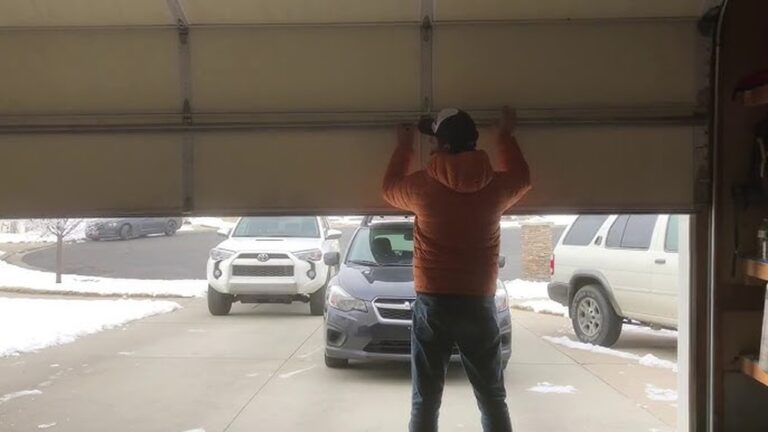
Gaps around garage doors and windows are the biggest source of noise leaks.
- Weatherstripping: Use adhesive weatherstripping tape to seal edges of doors and windows.
- Door sweeps: Install a rubber or brush sweep at the bottom of the garage door.
- Acoustic caulk: Fill small cracks or seams with flexible, soundproof caulk.
- Window inserts: For extra noise blocking, add double-pane inserts or plexiglass sheets.
Example: Sealing a 1/8-inch gap around a garage door can reduce sound leaks by up to 40%.
2. Upgrade The Garage Door
Standard garage doors are usually thin steel or wood panels. They do little to stop sound.
Options for soundproofing:
- Add mass loaded vinyl (MLV) sheets to the inside of the door.
- Attach soundproofing panels made of foam or fiberglass.
- For best results, install an insulated garage door with a solid core.
Tip: Avoid using only foam or egg crate materials on their own. They absorb echoes but don’t block outside noise.
Garage Door Soundproofing Comparison
| Method | Estimated Noise Reduction | Cost (Approx.) |
|---|---|---|
| Weatherstripping & Sweeps | 10-20% | $30-$60 |
| MLV Panels | 30-50% | $150-$300 |
| Insulated Door Replacement | 50-70% | $800-$1500 |
3. Soundproof The Walls
Garage walls are often thin, with little or no insulation.
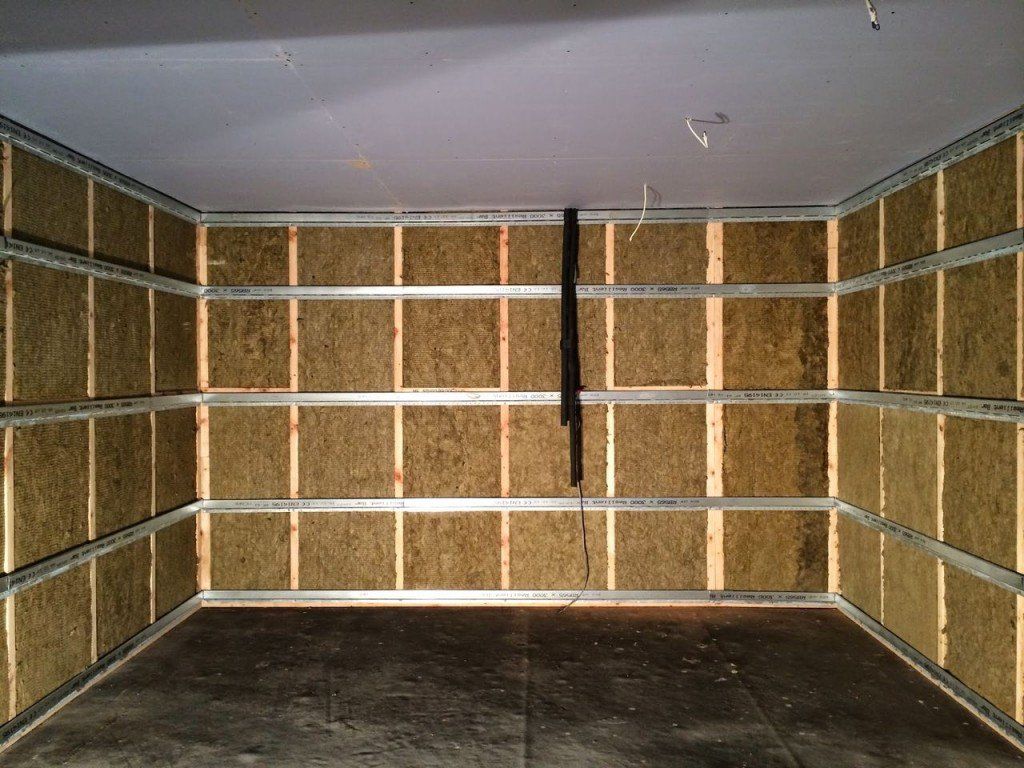
- Add fiberglass or mineral wool insulation inside wall cavities.
- Install two layers of drywall with a damping compound (like Green Glue) between them.
- Attach MLV sheets behind drywall for extra mass.
- For existing walls, mount acoustic panels or thick carpets to absorb echoes.
Pro Tip: Leaving a small air gap between two drywall layers boosts soundproofing by breaking the sound path.
4. Treat The Ceiling
Noise can escape through the ceiling into the rooms above.
- Fill ceiling joists with dense insulation (Roxul Safe’n’Sound is a good choice).
- Add a second layer of drywall to the ceiling.
- Use resilient channels to “float” the ceiling and further reduce vibration transfer.
Ceiling Soundproofing Materials
| Material | STC Rating Increase* | Approximate Cost |
|---|---|---|
| Fiberglass Insulation | +8-10 | $0.70/sq ft |
| Second Drywall Layer | +6-8 | $1.10/sq ft |
| Resilient Channels | +10-15 | $2.00/sq ft |
*STC = Sound Transmission Class. Higher numbers mean better sound blocking.
5. Soundproof The Floor
Floors can transmit both impact noise (like footsteps) and airborne noise.
- Lay down thick rubber mats or interlocking foam tiles.
- Use carpet with a dense underlayment.
- For heavy use, install a floating floor (a new surface over a soft layer, not attached directly to the concrete).
Example: A 1/2-inch rubber gym mat can reduce impact noise by 20-30%.
6. Address Vents And Outlets
Small openings often go unnoticed, but they let lots of sound leak out.
- Seal unused vents with acoustic putty or foam blocks.
- For active vents, install a sound maze (baffles that force sound to travel a zigzag path).
- Add foam gaskets behind outlet covers and switch plates.
Beginner Tip: Don’t block active vents needed for airflow—use sound baffles instead.
Other Helpful Soundproofing Tactics
Use Heavy Curtains Or Blankets
- Hang moving blankets or thick curtains over doors or windows.
- These are low-cost ways to absorb sound and are easy to remove.
Add Bookcases Or Storage
- Place filled bookcases or storage units against shared walls.
- Dense objects add mass and block sound naturally.
Build A Room Within A Room
For serious soundproofing, create a “room within a room” by building new walls, ceiling, and floor inside the garage, not touching the original structure. This method is advanced and costly but can nearly eliminate sound transfer.
How Much Does Garage Soundproofing Cost?
The total cost depends on your goals and garage size. Here’s a rough breakdown:
| Project Scope | DIY Cost (Approx.) | Professional Cost |
|---|---|---|
| Basic (seal gaps, add curtains) | $100–$300 | $300–$700 |
| Intermediate (insulate, drywall, MLV) | $1,000–$2,500 | $2,500–$6,000 |
| Advanced (room within a room) | $5,000–$12,000+ | $10,000–$25,000+ |
Remember, small improvements can make a big difference if you focus on the main weak spots.
Common Mistakes Beginners Make
- Ignoring small gaps: Even tiny openings can leak lots of noise. Always seal every crack.
- Using only foam panels: Acoustic foam helps with echoes but doesn’t block loud outside noise.
- Skipping garage doors: They’re usually the thinnest part and need special attention.
- Neglecting ventilation: Blocking all vents can create airflow problems. Always use sound baffles.
- Not checking local codes: Some insulation materials are flammable or not allowed in certain areas. Always check your city’s building codes.
Credit: www.secondskinaudio.com
Practical Tips For Success
- Measure your garage before buying materials.
- Start with sealing gaps—it’s cheap and highly effective.
- Use multiple layers for best sound reduction.
- Keep receipts and labels for future repairs or changes.
- Ask a professional if you plan major changes (like rewiring or adding ventilation).
When Should You Call A Professional?
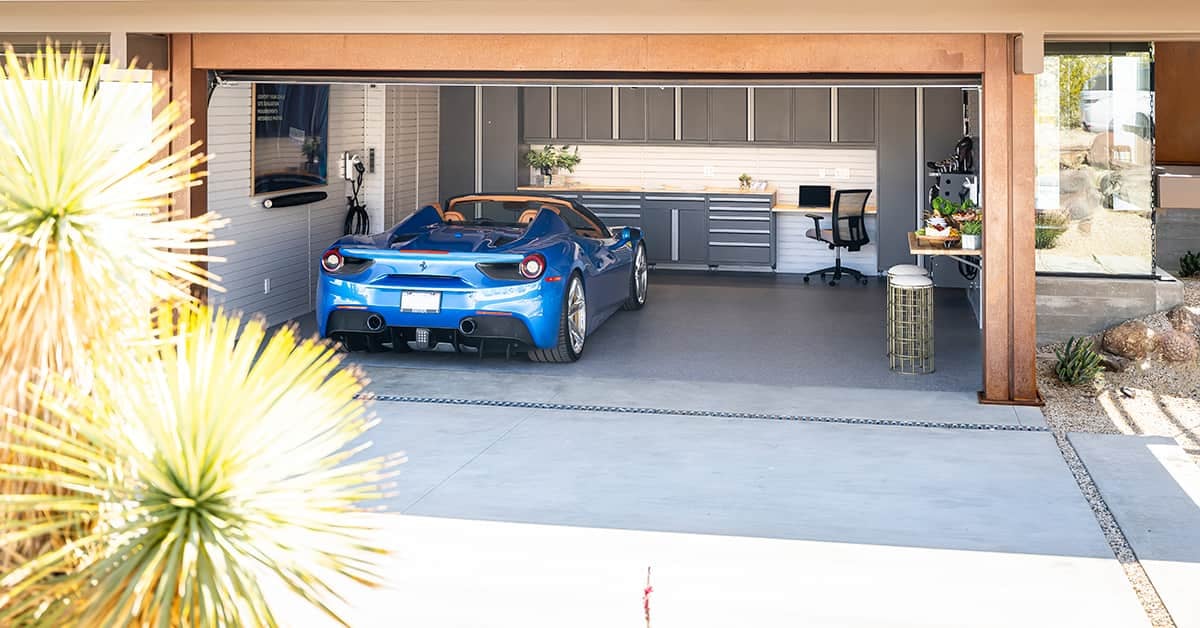
DIY soundproofing works well for basic projects. But call a pro if:
- You want to build a “room within a room.”
- You need to move electrical wiring or plumbing.
- You have special needs (like recording studios or home theaters).
Professionals can also help you choose the best materials for your budget and goals.
Credit: www.garageliving.com
Real-world Example: Music Studio In A Garage
Jake wanted to turn his garage into a drum practice room. He:
- Sealed all door and window gaps with weatherstripping and acoustic caulk.
- Added two layers of drywall with Green Glue in between.
- Installed thick rubber mats on the floor.
- Used moving blankets along the garage door.
Result: Jake reduced outside noise by more than 60%. His neighbors no longer complained, and his recordings improved.
Where To Find More Information
Soundproofing is a deep topic, and building codes can change. For more detailed standards on sound transmission and materials, visit the Acoustical Society of America.
Credit: www.soundproofingstore.co.uk
Frequently Asked Questions
How Much Does It Cost To Soundproof A Garage?
The cost can range from $100 for basic DIY steps (like sealing gaps and hanging blankets) to $10,000 or more for advanced projects (like building a room within a room). Most people spend between $1,000 and $3,000 for good results.
Can I Soundproof A Garage By Myself?
Yes, many soundproofing tasks are DIY-friendly, such as adding weatherstripping, hanging curtains, or installing insulation. For large projects or anything involving electrical work, consider hiring a professional.
Will Soundproofing Make My Garage Too Hot Or Cold?
Adding insulation can help control temperature. However, sealing all gaps may reduce airflow. Make sure to keep safe ventilation, especially if you use the garage for exercise or work. Use sound baffles for vents instead of blocking them.
What’s The Best Material For Soundproofing A Garage?
Mass loaded vinyl (MLV), dense fiberglass insulation, double drywall with Green Glue, and solid-core doors are some of the most effective materials. The right choice depends on your budget and needs.
Is Soundproofing Permanent?
Many methods—like adding insulation or drywall—are permanent. Other solutions, like hanging curtains or using mats, are temporary and easy to remove. Choose what fits your future plans.
Soundproofing your garage is a smart investment. With the right steps, you can turn a noisy, echoing space into a peaceful, private retreat. Even small changes can have a big impact. Start with the basics, focus on the main weak spots, and enjoy the new quiet.