
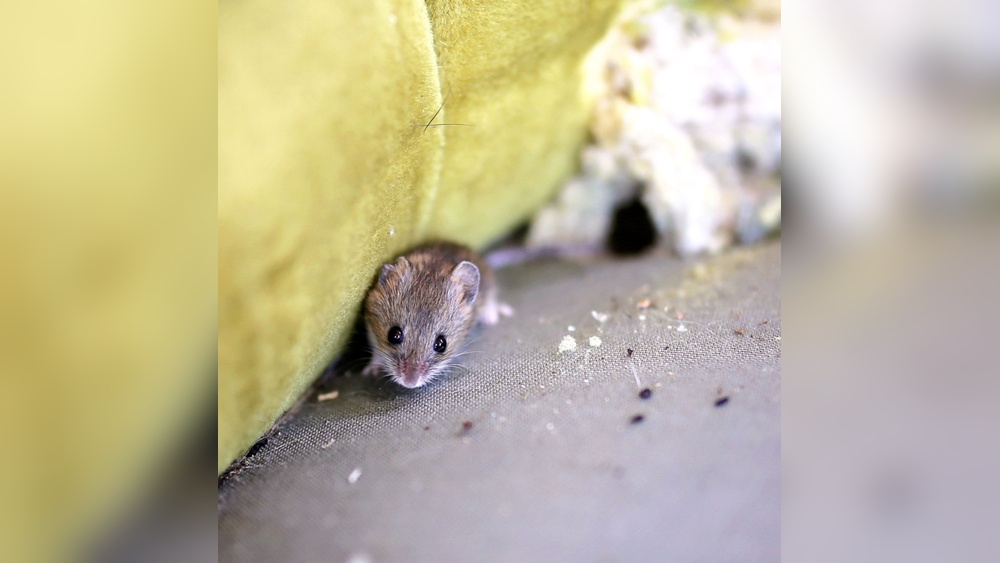
Keeping mice out of your garage can feel like a never-ending job. These small rodents find garages attractive because they offer food, warmth, and shelter. If you want to prevent costly damage and health risks, it’s important to understand what draws mice in and what actually works to keep them out.
This guide will help you with simple, practical steps to make your garage mouse-proof, even if you’ve never done this before.
Why Mice Love Garages
Garages are often the perfect home for mice. They provide easy access, plenty of hiding spots, and sometimes food. Mice need only a 1/4-inch gap to squeeze through. Typical garages have many entry points like:
- Gaps under doors
- Cracks in the foundation
- Unsealed vents and windows
Many homeowners store birdseed, pet food, and cardboard boxes in the garage. These items are very attractive to mice. If you notice chewed packaging or small droppings, mice might already be inside.
Understanding The Risks
Letting mice live in your garage isn’t just unpleasant. It leads to:
- Chewed wires and insulation (fire hazard)
- Damaged car engines (mice may nest under the hood)
- Health risks (mice carry diseases like hantavirus)
- Bad smells and contamination
A study from the Centers for Disease Control and Prevention found that rodents are linked to over 35 diseases worldwide. Even their urine and droppings can make you sick.

Credit: www.youtube.com
How Mice Get In
Mice are skilled at finding weak spots. Here are the most common ways they enter:
- Under the garage door: Even small gaps are enough.
- Cracks in walls or foundation: Especially near the ground.
- Open windows or vents: Screens can be chewed through.
- Utility lines and pipes: Mice follow these into your garage.
A single pregnant mouse can produce up to 60 babies per year, so acting fast is key.
Signs Mice Are In Your Garage
Look for these signs to catch problems early:
- Droppings: Small, dark, and rice-shaped.
- Gnaw marks: On boxes, wires, or wood.
- Nests: Made from paper, fabric, or insulation.
- Musky smell: Mouse urine has a strong odor.
- Noises: Scratching or scurrying at night.
If you spot any of these, mice may already be inside.
Sealing Entry Points
Blocking mice from getting in is the most effective step. Focus on these areas:
Garage Doors
- Check for gaps under and along the sides.
- Install or replace door sweeps and weatherstripping.
- Make sure the door closes fully.
Walls And Foundation
- Seal any cracks larger than a pencil with steel wool and caulk.
- Use expanding foam for larger gaps.
Vents And Windows
- Cover vents with metal mesh (¼-inch or smaller).
- Repair or replace damaged window screens.
Utility Lines
- Seal gaps around pipes with steel wool and concrete.
Below is a quick comparison of common entry points and best sealing methods:
| Entry Point | Best Sealing Material | Difficulty |
|---|---|---|
| Under Garage Door | Rubber Door Sweep | Easy |
| Wall Cracks | Steel Wool + Caulk | Medium |
| Vents | Metal Mesh | Easy |
| Pipes/Utility Lines | Concrete Sealant | Medium |
Removing Food And Clutter
Mice are always searching for food and nesting material. Remove what attracts them:
- Store pet food, birdseed, and grass seed in metal or heavy plastic containers with tight lids.
- Avoid using cardboard boxes; mice chew through them easily. Use plastic bins instead.
- Clean up spilled food, grease, or crumbs right away.
- Remove piles of newspapers, old clothes, or rags.
- Keep trash cans covered and empty them regularly.
A cluttered garage is a mouse’s playground. The less you store on the floor, the fewer hiding spots for mice.
:max_bytes(150000):strip_icc()/How-to-get-rid-of-mice-in-garage-1398169-V2-1a669d83e11c4be28bc8dd7e338b6af7.gif)
Credit: www.thespruce.com
Setting Traps
If you suspect mice are already inside, traps are the fastest way to reduce numbers. There are several types:
- Snap traps: Quick and effective. Place near walls and behind objects.
- Electric traps: Deliver a quick shock. Good for enclosed garages.
- Live traps: Capture without killing. You must release mice far from your home.
- Glue boards: Can catch multiple mice, but considered less humane.
For best results:
- Use peanut butter, chocolate, or oatmeal as bait.
- Set several traps at once, along walls and near suspected entry points.
- Check traps daily and dispose of mice quickly.
Below is a comparison of common trap types:
| Trap Type | Effectiveness | Humane? | Reusability |
|---|---|---|---|
| Snap Trap | High | No | Yes |
| Electric Trap | High | No | Yes |
| Live Trap | Medium | Yes | Yes |
| Glue Board | Medium | No | No |
Using Repellents
Some repellents can help keep mice away, but none work 100%. Use them with other methods.
Natural Repellents
- Peppermint oil: Soak cotton balls and place near entry points.
- Cloves or cayenne pepper: Sprinkle in corners.
- Used cat litter: The smell can discourage mice.
Commercial Repellents
- Ultrasonic devices: Emit high-frequency sounds. Some people find them helpful, but studies show mixed results.
- Scent packs: Products with strong smells like ammonia.
Remember, mice can get used to smells over time. Change or refresh repellents every few weeks.

Credit: www.youtube.com
Keeping Your Garage Clean And Organized
A clean garage is less inviting to mice. Make these habits part of your routine:
- Sweep floors and wipe surfaces regularly.
- Organize tools and supplies on shelves, not the floor.
- Avoid storing piles of wood, leaves, or debris near the garage.
- Check for and remove any spider webs, as they can hide mouse activity.
These simple habits make it harder for mice to hide and easier for you to spot problems early.
Repairing And Maintaining Your Garage
Regular checks help prevent new infestations. Focus on:
- Inspecting weatherstripping and seals every few months.
- Repainting or repairing walls if you find cracks or holes.
- Lubricating and checking the garage door for proper closure.
- Keeping outdoor areas trimmed and free of overgrown plants.
Below is a maintenance schedule you can follow:
| Task | How Often |
|---|---|
| Check for Entry Points | Every 3 months |
| Clean Garage | Monthly |
| Inspect Food Storage | Monthly |
| Check Traps/Repellents | Weekly |
| Repair Walls/Doors | As needed |
Extra Tips Most Beginners Miss
- Check your car: Mice can nest in car engines, especially in winter. Open the hood and look for nests or chewed wires.
- Use light: Mice prefer darkness. Installing a bright LED light in your garage can make it less attractive to them.
- Monitor after rain: Heavy rain can drive mice indoors. Inspect your garage for new entry points after storms.
When To Call A Professional
If you have a large infestation, or if traps and repellents don’t work, call a pest control expert. Professionals can:
- Identify entry points you may have missed
- Use stronger treatments safely
- Offer advice for long-term prevention
Professional help is especially important if you find dead mice, which may carry disease, or if you have small children or pets.
Frequently Asked Questions
How Can I Tell If Mice Are Coming From Outside?
Look for fresh droppings near doors or windows. Check outside walls for gnaw marks or holes. Place traps near suspected entry points to confirm.
Are Ultrasonic Repellents Effective For Mice?
Some people see results, but studies show mixed results. Mice may get used to the sound over time. Use these devices with other prevention methods.
Is It Safe To Use Poison In The Garage?
Poison is not recommended for beginners. It can harm pets, children, or other wildlife. Dead mice can also create a smell if trapped inside walls.
How Often Should I Check For New Entry Points?
Inspect your garage every three months. After heavy rain or snow, check more often. Sealing new gaps quickly is important for prevention.
Can Mice Damage My Car In The Garage?
Yes. Mice often chew car wires and insulation, which can cause expensive repairs. Regularly open your hood and check for signs of nesting, especially in winter.
Keeping mice out of your garage is possible with the right steps. By sealing entry points, removing food, trapping, and staying clean, you make your garage less inviting to these unwanted guests. Remember, prevention is always easier than dealing with an infestation. If you need extra help, don’t hesitate to contact a pest control professional or refer to trusted resources like the Centers for Disease Control and Prevention for more advice. With a bit of effort and regular checks, your garage can stay mouse-free all year round.