
If you have ever looked at your garage and felt overwhelmed by clutter, you are not alone. Many people use the garage as a storage space, but without the right cabinets, things can quickly become messy. Choosing the right garage cabinets can make your space organized, safer, and even increase your home’s value. This guide will help you understand the types of garage cabinets available, their features, and which options are best for your needs. Whether you are just starting or looking to upgrade, you will find clear, simple advice here.
Why Garage Cabinets Matter
Garage cabinets are not just boxes for storage. They help keep tools, sports gear, and chemicals off the ground and out of sight. Here are some reasons they matter:
- Organization: Cabinets keep items sorted, so you can find things faster.
- Safety: Chemicals and sharp tools are safer behind closed doors.
- Cleanliness: Cabinets stop dust and dirt from settling on your stuff.
- Space-saving: Smart cabinets use wall space, freeing up the floor for cars or work.
A study by the National Association of Home Builders found that 85% of homeowners use the garage for storage. This shows how important good cabinets are for most families.
Main Types Of Garage Cabinets
Garage cabinets come in many shapes, sizes, and materials. Let’s look at the most common types and their uses.
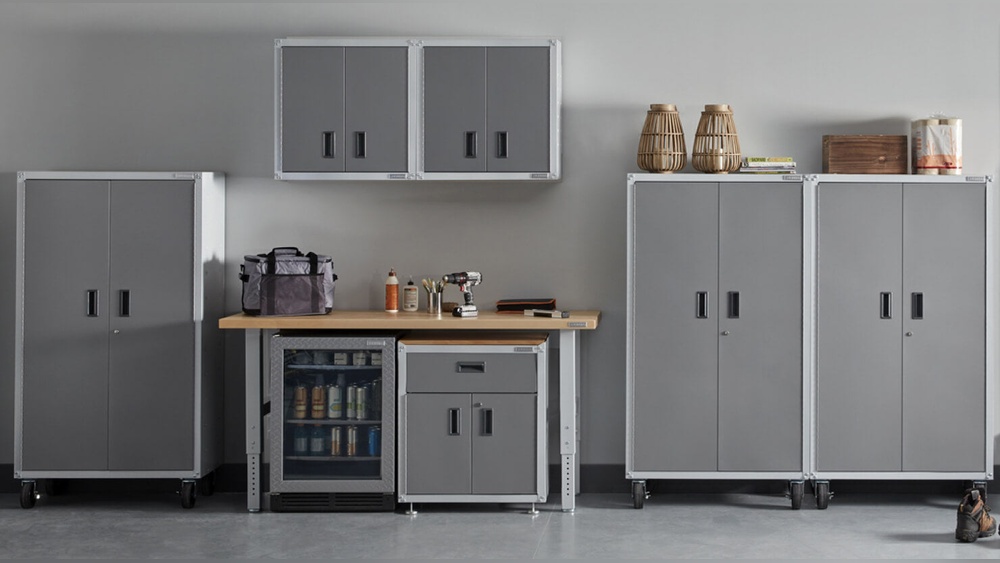
Wall-mounted Cabinets
Wall-mounted cabinets hang above the floor, using the wall for support.
- Best for: Small tools, cleaning supplies, paints
- Pros: Keeps items out of reach of children; saves floor space
- Cons: Limited weight capacity; not good for heavy items
Wall cabinets are often installed above workbenches. They can be made from metal, wood, or plastic.
Example
If you have a small garage, wall cabinets let you store things without blocking the car. A typical wall cabinet is 30″ wide, 12″ deep, and holds up to 50 lbs.
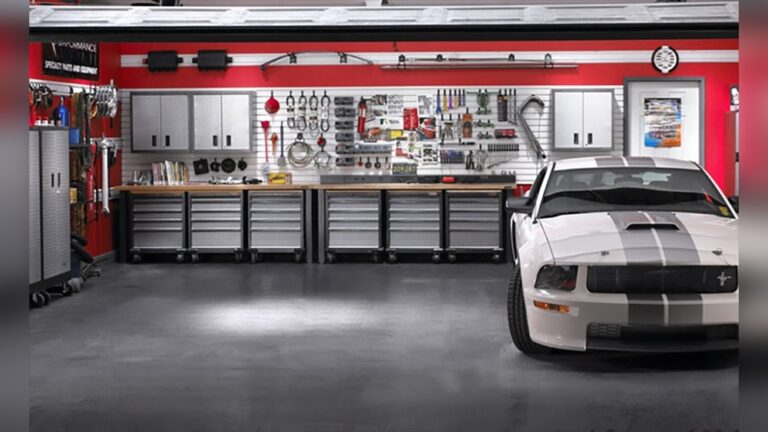
Base Cabinets
Base cabinets sit on the floor, like kitchen cabinets.
- Best for: Heavier tools, power equipment, bulky items
- Pros: Stronger shelves; can support more weight
- Cons: Takes up floor space; may block movement
Base cabinets often have drawers for easy access. They are great for storing drills, saws, or toolboxes.
Practical Tip
Choose base cabinets with adjustable shelves. This lets you fit tall or short items as needed.
Tall Cabinets
Tall cabinets are floor-standing and reach up to six feet or more.
- Best for: Brooms, ladders, sports gear, garden tools
- Pros: Fits tall items; lots of storage space
- Cons: Needs more room; can tip if not anchored
Tall cabinets usually have doors and multiple shelves. Some models have locks for safety.
Data Example
A common tall cabinet is 72″ high, 36″ wide, and 18″ deep. It holds up to 200 lbs. Make sure to anchor tall cabinets to the wall to prevent tipping.
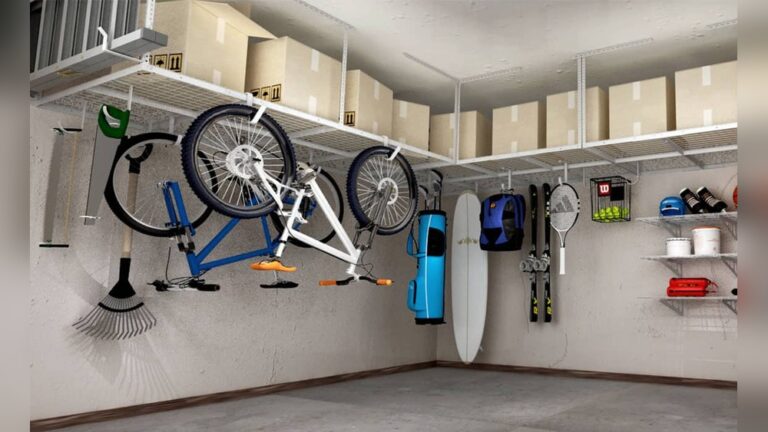
Overhead Cabinets
Overhead cabinets are installed near the garage ceiling.
- Best for: Seasonal items, camping gear, rarely used supplies
- Pros: Uses space above cars; keeps floor clear
- Cons: Hard to reach; needs a ladder
Overhead cabinets are ideal if you need to store things you do not use often. Some systems use sliding bins for easy access.
Common Mistake
Do not overload overhead cabinets. Always check the weight limit and use proper brackets.
Modular Cabinets
Modular cabinets are flexible systems that can be moved and combined.
- Best for: Growing families, changing storage needs
- Pros: Easy to expand; can rearrange layout
- Cons: Often more expensive; may need assembly
Modular cabinets can include wall, base, and tall units. You can add more as your needs change.
Example
If you start with two base cabinets and later need more space, just add another unit. This is useful for hobbyists or homeowners who buy new tools.
Materials Used In Garage Cabinets
Different materials offer different benefits. Let’s see how they compare.
| Material | Strength | Durability | Cost | Maintenance |
|---|---|---|---|---|
| Metal | High | Excellent | Medium-High | Low |
| Wood | Medium | Good | Medium | Medium |
| Plastic | Low-Medium | Fair | Low | Low |
Metal cabinets are strong and resist moisture. Wood cabinets look good but can warp if the garage is damp. Plastic cabinets are lightweight and affordable, but less sturdy.
Which Material Should You Choose?
- For heavy tools: Metal is best.
- For appearance: Wood works well.
- For easy cleaning: Plastic is good.
Always check your garage’s climate. If you live in a humid area, avoid wood unless it’s sealed.
Common Cabinet Features
Cabinets offer extra features to improve safety and convenience.
- Locks: Keeps dangerous items safe from kids.
- Adjustable shelves: Lets you store items of different sizes.
- Drawers: Good for small parts and hand tools.
- Hooks and racks: Useful for hanging items inside doors.
- Wheels: Mobile cabinets can be moved for cleaning or projects.
Some advanced models have soft-close doors or built-in lighting. These features can make your garage more comfortable to use.
Data Table: Popular Features
| Feature | Benefit | Common Use |
|---|---|---|
| Locks | Safety | Chemicals, expensive tools |
| Adjustable shelves | Flexibility | Power tools, paint cans |
| Drawers | Organization | Screws, nails, small parts |
| Wheels | Mobility | Portable work stations |

Credit: storagesmart.com.au
Choosing The Right Garage Cabinet
Picking the best cabinet depends on your needs and space.
Steps To Find Your Fit
- Measure your garage: Know your wall and floor space.
- List what you need to store: Tools, sports gear, chemicals?
- Choose material: Metal for strength, wood for style, plastic for budget.
- Pick features: Locks, drawers, shelves, wheels.
- Set a budget: Cabinets range from $50 to $1000+.
Example Scenario
If you need to store heavy tools and keep chemicals away from kids, a metal base cabinet with locks is ideal. For sports gear, a tall cabinet with hooks works best.
Pros And Cons Of Each Type
Each cabinet type has advantages and drawbacks. Here is a quick comparison:
| Type | Pros | Cons |
|---|---|---|
| Wall-mounted | Saves floor space, keeps items out of reach | Low weight limit, hard to access for short people |
| Base | Strong, easy access | Uses floor space |
| Tall | Stores long items, lots of space | Can tip, needs anchoring |
| Overhead | Uses ceiling space | Hard to reach, risk of overloading |
| Modular | Flexible, expandable | Higher cost, more assembly |
Common Beginner Mistakes
If you are new to garage cabinets, avoid these mistakes:
- Ignoring weight limits: Overloading shelves can cause accidents.
- Not anchoring tall cabinets: They may tip and cause injury.
- Choosing wrong material: Wood warps if wet; plastic cracks under heavy load.
- Skipping locks: Dangerous items should always be locked away.
- Buying too small: Think about future needs; cabinets fill up fast.
How Garage Cabinets Improve Daily Life
Having organized garage cabinets saves time. You spend less time searching for tools and more time working on projects. It also improves safety, especially if you have children or pets. Clean, organized cabinets can help keep pests away by removing hiding places.
Some homeowners have reported that installing garage cabinets increased their home’s value by up to 5%. A neat, functional garage is attractive to buyers, especially in cities where storage space is limited.
Maintenance And Care
Garage cabinets last longer if you maintain them well:
- Clean regularly: Wipe surfaces to remove dust.
- Check for moisture: Fix leaks to prevent wood damage.
- Oil hinges: Keeps doors working smoothly.
- Inspect locks: Make sure locks are not stuck or broken.
- Reorganize: Every few months, check what you store and remove unused items.
This simple care extends cabinet life and keeps your garage safe.
Real-life Example
Imagine a family with two kids, bikes, power tools, and gardening supplies. They use:
- Wall cabinets for cleaning products
- Tall cabinets for sports gear and brooms
- Base cabinets for drills and saws
After installing cabinets, they noticed less clutter and could park both cars inside. This saved them money on storage units and made the garage safer for kids.

Credit: pelicancr.com
Where To Buy Garage Cabinets
You can find garage cabinets at hardware stores, home centers, and online. Brands like Gladiator, Husky, and Rubbermaid are popular in the US. Compare prices and features before buying. For more details on cabinet types and installation tips, check Wikipedia’s cabinetry page.
Frequently Asked Questions
What Is The Best Material For Garage Cabinets?
The best material depends on your needs. Metal cabinets are strong and last long, making them ideal for heavy tools. Plastic cabinets are affordable and resist moisture, but hold less weight. Wood cabinets look good but need protection from dampness.
How Do I Anchor Tall Cabinets Safely?
Anchoring tall cabinets is important. Use L-brackets or screws to attach the cabinet to wall studs. Always follow the manufacturer’s instructions and check that the wall can support the weight.
Can Garage Cabinets Be Used For Chemicals?
Yes, but it is best to use cabinets with locks and ventilation. Keep chemicals away from heat sources and children. Metal cabinets are safer because they resist fire and moisture.
How Much Do Garage Cabinets Cost?
Prices vary. Basic plastic cabinets start at $50. Metal and modular systems can cost $500 or more. Custom designs may reach $1000+. Set a budget and compare options.
Are Modular Cabinets Worth It?
Modular cabinets are a good choice if your needs change. They can be expanded or rearranged as your storage grows. They cost more, but offer flexibility and long-term value.
Organizing your garage with the right cabinets can make your life easier and safer. Choose wisely, and enjoy a cleaner, more functional space every day.
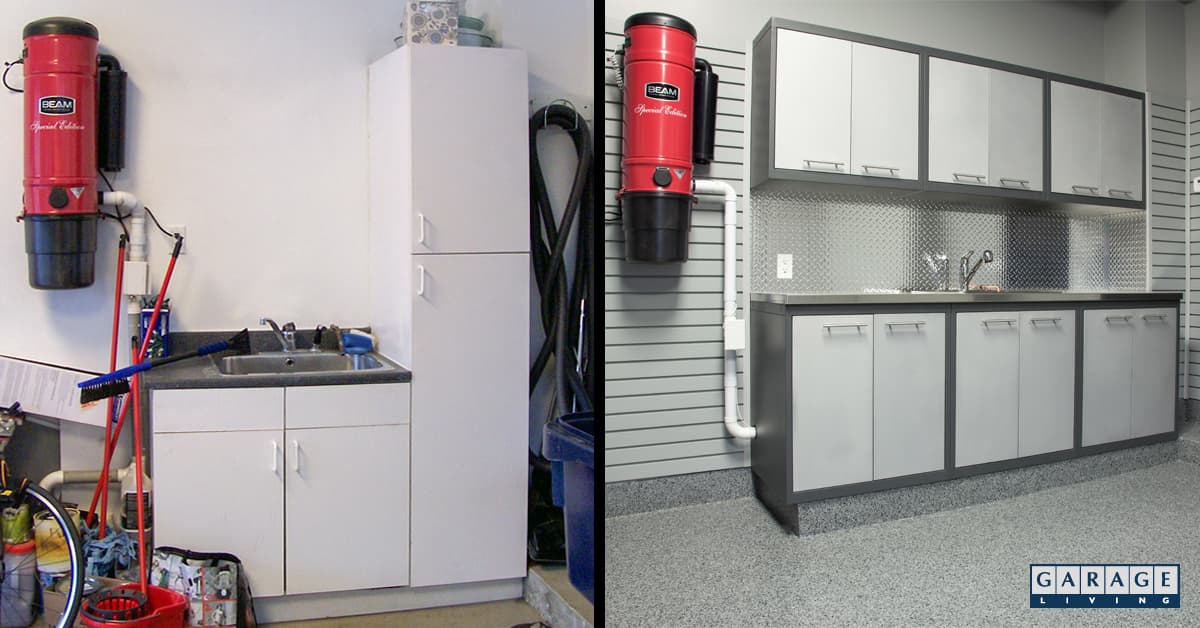
Credit: www.garageliving.com