
Choosing the right torsion spring size for your 16×7 garage door can seem confusing, especially if you’re new to garage door repairs. But making the right choice is important for safety, smooth operation, and the life of your door system. The wrong spring can make your door hard to lift, damage your opener, or even cause injury. This guide will show you how to find the correct torsion spring size, what factors matter, and what mistakes beginners often make. By the end, you’ll feel confident about selecting the right spring or knowing what to ask your installer.
Why Torsion Spring Size Matters For A 16×7 Garage Door
A 16×7 garage door is a common size for two-car garages. These doors are heavy, often weighing between 130 and 350 pounds depending on materials (steel, wood, insulated, etc.). The torsion spring helps lift this weight, making it possible to open the door manually or with a garage door opener. If the spring size is wrong, your door may not balance, causing:
- Loud noises
- Uneven movement
- Shorter opener life
- Safety risks
Correct spring sizing means your door feels “light” when you lift it and stays in place when opened halfway.
The 7 Key Factors For Sizing Torsion Springs
Each 16×7 garage door is unique. To choose the best torsion spring, you need to consider these 7 specific factors:
1. Door Weight
This is the most important factor. Every spring is rated to lift a certain weight. Most 16×7 doors weigh 150 to 250 pounds. Heavier doors, such as solid wood or insulated types, can weigh more.
- Weigh your door by disconnecting the opener and using a bathroom scale under the center as you gently lower the door.
- Don’t guess based on size alone—material makes a big difference.
Example:
A standard steel 16×7 door might weigh around 180 pounds, while a wood door can be over 300 pounds.
2. Spring Wire Size
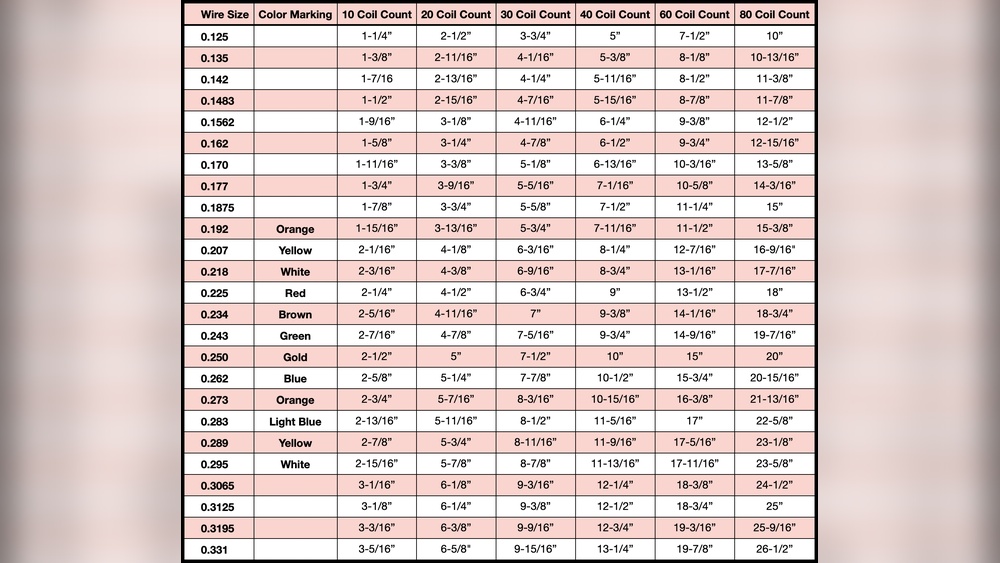
Wire size (thickness) affects how much weight the spring can lift and how long it lasts. It’s measured in thousandths of an inch (for example, .207”, .218”, .225”).
- Thicker wire = stronger spring, but fewer turns before breaking
- Common wire sizes for 16×7 doors: .207”, .218”, .225”
How to measure wire size:
- Take 10 or 20 coils and measure with a caliper or tape measure.
- Divide the length by number of coils to get wire size.
Non-obvious tip:
A thicker wire might seem better, but it can reduce cycle life if not paired with the right spring length.
3. Inside Diameter Of Spring
Most residential torsion springs have an inside diameter (ID) of 1.75” or 2”.
- 2” ID is most common for 16×7 doors.
- Check the cone (end fitting) for a marking or measure the inside of the spring.
Why it matters:
A wrong diameter won’t fit your spring anchor or end bracket.
4. Spring Length
Length, combined with wire size, determines how much the spring will stretch and how many cycles (open/close) it can handle.
- Longer springs = more cycles, softer lift
- Typical lengths for 16×7 doors: 23” to 34”
Practical guidance:
If you use your garage as your main entry, choose a longer spring for higher cycle life.
5. Number Of Springs
Many 16×7 garage doors use two torsion springs (one on each side of the center). Lighter, single-layer doors may use just one.
- Two springs share the load, giving longer life and safer failure.
- If one spring breaks, replace both for best results.
Example:
A 16×7 steel door weighing 180 pounds usually uses two springs of equal size.
6. Wind Direction
Each spring is wound in a specific direction: left-wound or right-wound.
- Left-wound: Installed on the right side (as you face the door from inside)
- Right-wound: Installed on the left side
Why it matters:
Using the wrong wind direction makes the spring unwind instead of lifting the door.
7. Door Height And Track Type
Most 16×7 doors use standard 7-foot tracks, but some have high-lift or vertical-lift systems.
- Standard 7’ door: Use standard torsion spring specs
- High-lift/vertical-lift: Need custom spring calculations
Key insight:
If you have a high-lift system (door rises higher before turning), spring size must be calculated differently.
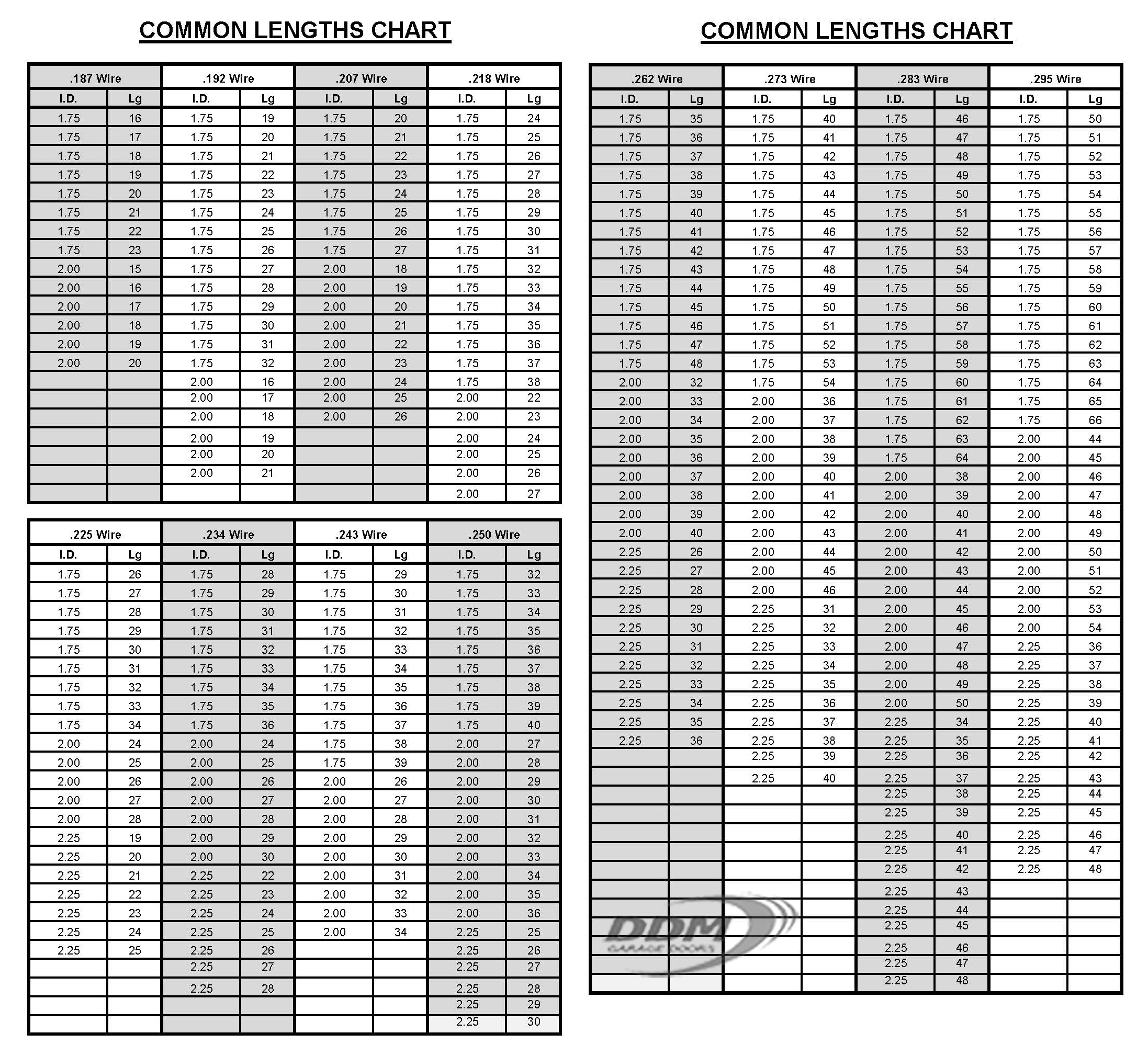
Credit: ddmgaragedoors.com
How To Measure A Torsion Spring
If you’re replacing an existing spring, measuring the old one gives you the exact size. Here’s how:
- Measure the wire size (see above).
- Measure the inside diameter of the coil.
- Measure the length of the spring (do not include the cones).
- Check the wind direction by looking at the end of the coil.
Example:
You measure 20 coils = 4. 36” → wire size is. 218”.
Inside diameter = 2”.
Length = 25”.
Wind direction = right-wound.
Now you can order a “. 218 x 2” x 25” right-wound torsion spring. ”
Typical Torsion Spring Sizes For 16×7 Garage Doors
For most standard two-car garage doors (16 feet wide, 7 feet high), these spring sizes are common:
| Door Weight | Wire Size | Spring Length | Inside Diameter | Number of Springs |
|---|---|---|---|---|
| 140-180 lbs | .207” | 23”-25” | 2” | 2 |
| 181-220 lbs | .218” | 24”-27” | 2” | 2 |
| 221-260 lbs | .225” | 25”-28” | 2” | 2 |
Note: Always confirm these numbers with your actual door weight.
Real-world Example: Sizing For A 16×7 Steel Door
Let’s say you have a 16×7 steel garage door weighing 185 pounds.
- You want two springs for balance.
- Standard inside diameter is 2”.
- Choose wire size .218”.
- Spring length 25”.
Order two “. 218 x 2” x 25” right-wound and left-wound springs.
If your door is insulated or wood, check the weight first—it may need. 225” wire or longer springs.
Common Beginner Mistakes (and How To Avoid Them)
Many first-timers make errors that can be costly or dangerous. Here’s what to watch out for:
- Guessing the door weight: This leads to the wrong spring. Always weigh the door.
- Mixing spring sizes: Both springs should match for even lifting.
- Ignoring wind direction: This can make the door impossible to open.
- Choosing the cheapest spring: Lower quality may break faster.
- Not checking track type: High-lift systems require different springs.
- Trying to install without proper tools: Torsion springs are under high tension. Incorrect installation can cause injury.

Credit: californiagaragerepair.com
How Cycle Life Affects Your Choice
A spring’s cycle life is the number of times it can open and close before breaking. Standard springs are rated for 10,000 cycles (about 7-10 years of average use). You can upgrade to 20,000 cycles or more by choosing a longer spring or thicker wire.
Why it matters:
If you use your garage door 6 times daily, 10,000 cycles last about 4. 5 years. Higher cycle springs cost more but save money on labor and parts over time.
How To Order The Right Torsion Spring
When you’re ready to buy, have these details ready:
- Door weight
- Wire size
- Spring length
- Inside diameter
- Wind direction
- Number of springs
Provide this to your supplier or installer. Many online retailers have calculators where you input these numbers for a match.

Credit: www.expressgaragedoors.com
Cost Of Torsion Springs For A 16×7 Garage Door
Prices vary by quality and cycle rating. On average:
- Standard 10,000 cycle spring: $40-$70 each
- High-cycle (20,000+) spring: $60-$100 each
- Professional installation: $150-$350 (includes parts and labor)
Tip:
Replacing both springs at once is safer and often cheaper in the long run.
Table: Cycle Life Vs. Cost Comparison
Here’s a quick look at how cost changes with cycle life:
| Spring Type | Cycle Life | Average Cost (each) |
|---|---|---|
| Standard | 10,000 | $50 |
| Heavy Duty | 20,000 | $80 |
| Premium | 40,000 | $110 |
Table: Quick Reference – Sizing Steps
This reference makes sizing simple:
| Step | What to Measure | How to Measure |
|---|---|---|
| 1 | Door Weight | Use scale under center of door |
| 2 | Wire Size | Count coils/measure length |
| 3 | Inside Diameter | Measure inside of coil |
| 4 | Spring Length | Measure coil body (not cones) |
| 5 | Wind Direction | Check end of coil (left/right) |
Is Diy Torsion Spring Replacement Safe?
Working with torsion springs is dangerous if you don’t have the right tools and experience. Springs are under extreme tension—improper removal or installation can cause serious injury.
- If you’re not 100% confident, hire a professional.
- At minimum, wear eye protection and use winding bars (not screwdrivers).
- Always disconnect the opener before working on springs.
For more safety information, you can visit the Wikipedia Garage Door Opener page.
Frequently Asked Questions
What If My 16×7 Garage Door Is Insulated?
Insulated doors are heavier. Always weigh your door. You may need thicker wire or longer springs than standard.
Can I Use One Spring Instead Of Two?
For a 16×7 door, two springs are safer and last longer. One spring is possible for lighter doors, but not recommended for most two-car doors.
How Do I Know If My Spring Is Left Or Right Wound?
Look at the end of the spring coil. If it points clockwise, it’s right-wound (installed on the left). If counterclockwise, it’s left-wound (installed on the right).
My Spring Broke. Should I Replace Both?
Yes. If one spring breaks, the other is usually close to failing. Replacing both keeps your door balanced and prevents future problems.
How Long Does A Torsion Spring Last?
Standard springs last about 10,000 cycles (7-10 years of average use). Higher cycle springs can last 20,000+ cycles.
Selecting the right torsion spring size for your 16×7 garage door is not just about matching numbers. It’s about understanding your door’s unique needs and using accurate measurements. Avoid shortcuts—taking time to measure and confirm specs ensures smooth, safe operation for years. If in doubt, a professional can help you get the right fit. With the information above, you’re now ready to make an informed decision and keep your garage door working its best.