
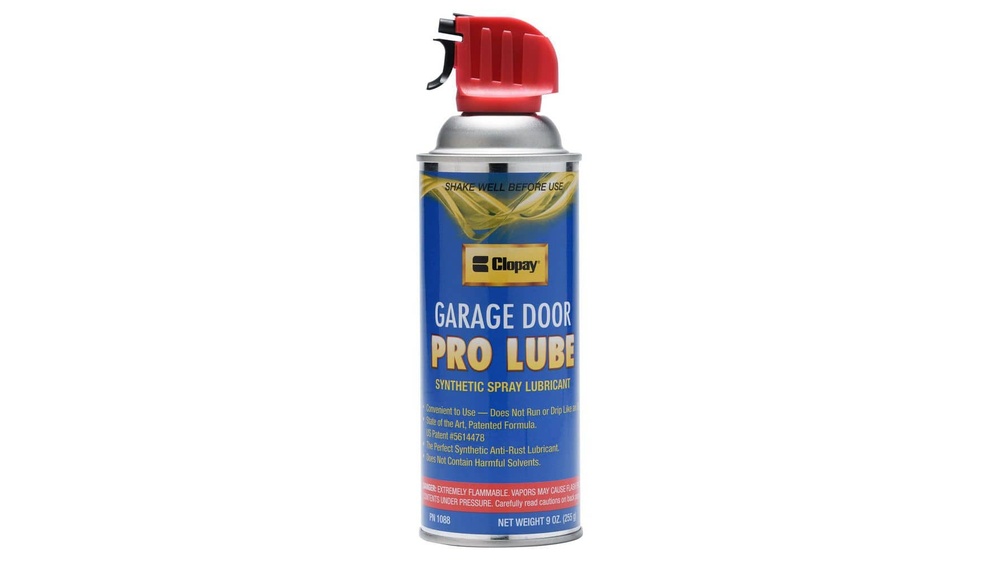
Finding the best lubricant for your garage door can make a big difference in how smoothly and quietly it works. Many homeowners notice their garage doors getting noisy, stiff, or even stuck. Often, the problem is not with the door itself, but with the lack of proper lubrication.
Using the right lubricant keeps your garage door running well, prevents damage, and extends its life. But with so many products on the market, it’s easy to get confused about what’s best for your needs.
This guide will break down the types of lubricants available, what to look for when choosing one, and how to apply them for the best results. Even if you’re new to garage door maintenance, you’ll find practical tips and real examples here.
Let’s explore which lubricant is best for garage doors and why the right choice matters.
Why Garage Door Lubrication Matters
Many people don’t realize that garage doors have lots of moving parts. Rollers, hinges, springs, and tracks all need to move smoothly for the door to work properly. Without lubrication, these parts can:
- Wear out faster due to metal friction
- Make loud noises like squeaking or grinding
- Get stuck or stop working completely
Regular lubrication helps:
- Prevent rust and corrosion
- Reduce repair costs
- Keep the door quiet and easy to open
A well-lubricated door also improves home safety. Garage doors are heavy, and if they get stuck or fall, they can cause injuries or damage. Proper lubrication helps avoid these risks.
Types Of Lubricants For Garage Doors
Not all lubricants are the same. Some work better for garage doors than others. Let’s look at the main types you’ll find in stores.
| Type | Common Use | Pros | Cons |
|---|---|---|---|
| Silicone Spray | Hinges, rollers, tracks | Long-lasting, water-resistant, doesn’t attract dust | Can be pricey, may require careful spraying |
| White Lithium Grease | Metal parts, gears | Thick, sticks well, good for heavy-duty use | Can attract dust, may build up over time |
| WD-40 (Original) | Cleaning, water displacement | Good cleaner, removes rust | Not a true lubricant for moving parts |
| Oil-Based Lubricants | General use | Cheap, easy to find | Drips, attracts dirt, not long-lasting |
Which Type Is Best?
For most garage doors, the top choices are:
- Silicone spray: Great for metal and plastic parts. It doesn’t attract dirt and works well in hot or cold weather.
- White lithium grease: Ideal for metal-to-metal contact, like chains and hinges. It’s thicker and lasts longer.
Sprays are easier to apply in tight spaces. Grease works well on open parts that need extra protection.
What To Look For In A Garage Door Lubricant
Choosing the right product is about more than just picking a type. Here’s what matters most:
- Temperature tolerance: If you live in a place with cold winters or hot summers, choose a lubricant that works in extreme temperatures.
- Dust resistance: Some lubricants attract dust and dirt, which can cause more problems. Silicone is less likely to do this.
- Ease of application: Sprays with a straw or nozzle reach small spaces better.
- Longevity: How often do you want to reapply? Grease usually lasts longer but may require cleaning later.
Beginner tip: Many people use WD-40 (the original) for everything, but it’s mainly a cleaner, not a true lubricant. Choose a product labeled as a garage door or multi-use lubricant.
Best Lubricants For Garage Doors: Top Picks
Below are some of the most recommended lubricants for garage doors. These are popular with homeowners and professionals alike.
| Product | Type | Main Features | Best For |
|---|---|---|---|
| 3-IN-ONE Professional Garage Door Lubricant | Silicone Spray | Drip-free, resists dirt, easy-to-use straw | Rollers, hinges, tracks |
| WD-40 Specialist White Lithium Grease | White Lithium Grease | Thick, long-lasting, protects against rust | Metal chains, gears, hinges |
| Blaster Garage Door Lubricant | Silicone Spray | Reduces friction, repels dirt and moisture | All moving parts |
| Liquid Wrench L616 | Silicone Spray | Fast-drying, doesn’t attract dust | Plastic and metal parts |
| Sta-Lube White Lithium Grease | White Lithium Grease | Heavy-duty, water-resistant | Springs, chains, metal connections |
Most hardware stores will have at least one of these brands. If you’re not sure, ask for a lubricant made for garage doors.
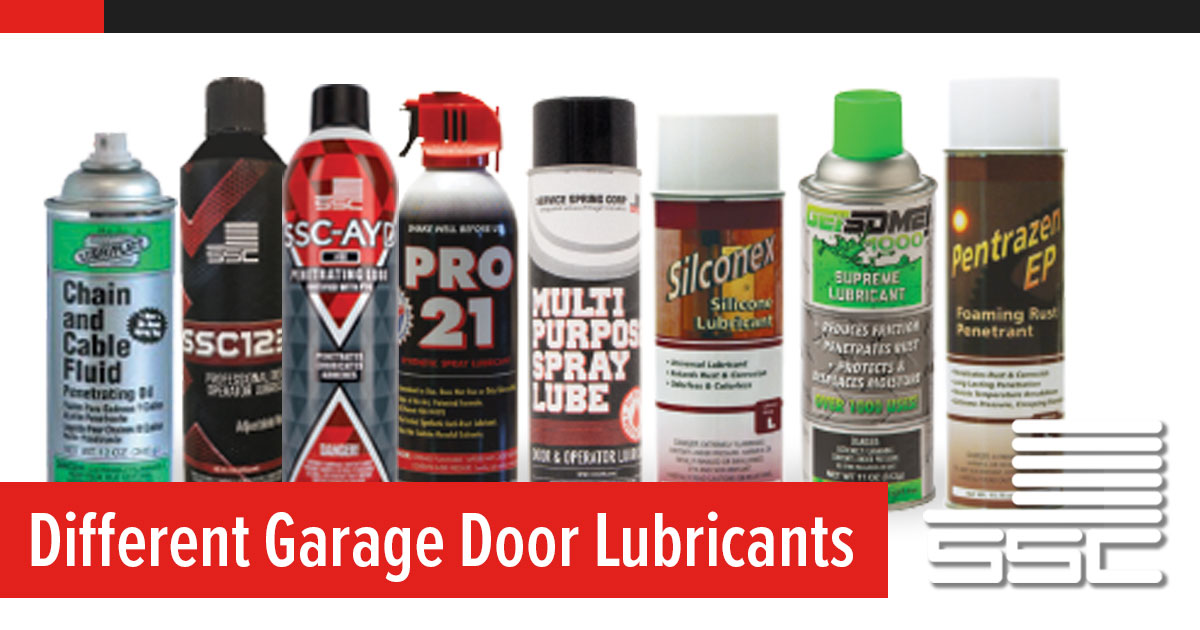
Credit: www.servicespring.com
How To Lubricate A Garage Door (step-by-step)
Even the best lubricant won’t help if you don’t apply it correctly. Here’s a simple process anyone can follow:
- Gather supplies: You’ll need your lubricant, a clean cloth, and a step stool or ladder if your garage door is tall.
- Close and unplug the garage door opener: This is for safety.
- Clean the tracks and parts: Wipe away old grease, dust, or debris. Don’t lubricate the tracks themselves—just clean them.
- Apply lubricant to key parts:
- Hinges: Spray where each hinge pivots.
- Rollers: Aim for the ball bearings inside metal rollers. (If you have nylon rollers, only lubricate the bearings, not the nylon itself.)
- Springs: Coat the torsion or extension springs evenly.
- Lock and arm bar: Spray where the lock slides.
- Chains or screws: If you have a chain or screw drive opener, apply grease along the length.
- Open and close the door: Do this a few times to spread the lubricant.
- Wipe away excess: Clean up any drips or extra lubricant.
Common Mistakes To Avoid
- Over-lubricating: Too much can attract dust and make a mess.
- Lubricating the tracks: Tracks should stay clean and dry; only rollers and hinges need lubrication.
- Using the wrong product: Avoid thick oils or general-purpose grease, which attract grime.
How Often Should You Lubricate?
For most homes, lubricate your garage door every six months. If you live in a dusty area or use your door many times a day, check every three months. Signs that it’s time to lubricate include:
- Squeaking or grinding noises
- Door moving slowly or not closing smoothly
- Rust appearing on metal parts
Regular maintenance takes just 10–15 minutes but can prevent expensive repairs.
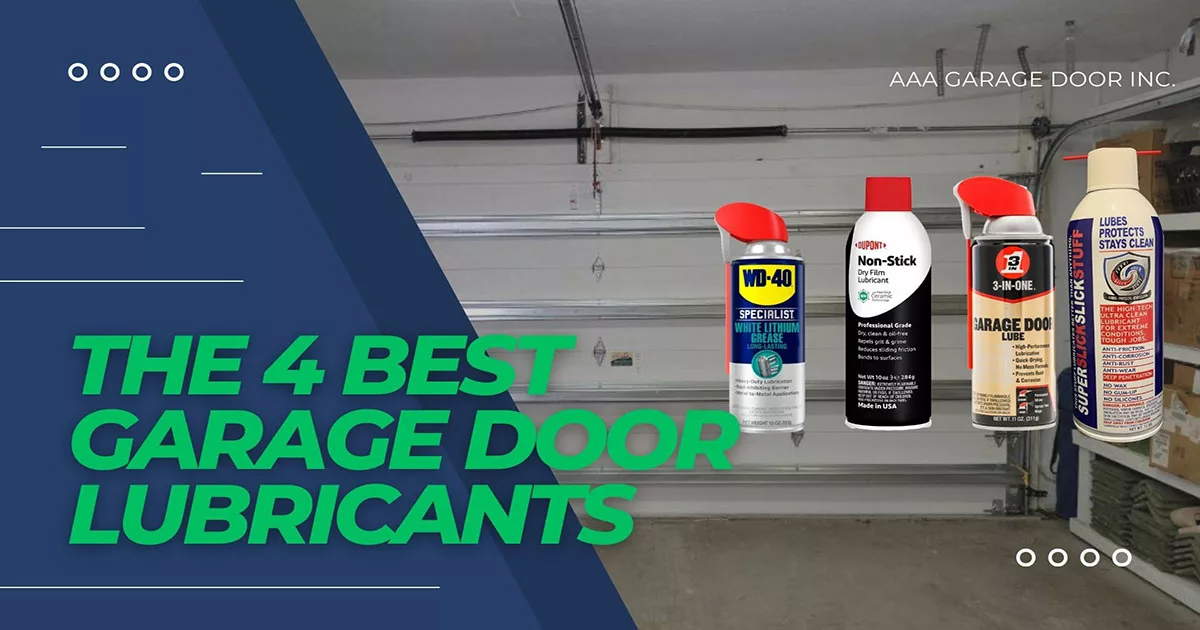
Credit: aaagds.com
Real-world Example: Lubricating A Noisy Door
Let’s look at a practical case. Sarah, a homeowner in Ohio, noticed her garage door was making a loud screeching sound every morning. She had not lubricated it in two years. She tried spraying WD-40 (original) but the noise returned after a few days.
Here’s what worked for her:
- She switched to 3-IN-ONE Professional Garage Door Lubricant (silicone spray).
- Cleaned off old grease and dust from rollers and hinges.
- Applied the spray to hinges, springs, and roller bearings.
- After opening and closing the door three times, the noise was almost gone.
Six months later, the door was still quiet. This shows how the right product and a simple routine can solve common problems.
Silicone Vs. White Lithium Grease: Direct Comparison
To make your decision easier, here’s a direct comparison of the two most recommended types:
| Feature | Silicone Spray | White Lithium Grease |
|---|---|---|
| Dust Attraction | Low | Medium-High |
| Weather Resistance | Excellent | Good |
| Longevity | Medium | Long |
| Ease of Application | Very Easy | Moderate |
| Best Use | Rollers, hinges, plastic parts | Metal chains, springs, heavy-duty parts |
Key insight: If you want a cleaner, low-maintenance option, silicone spray is ideal. For tough, high-wear parts, lithium grease provides the most protection.
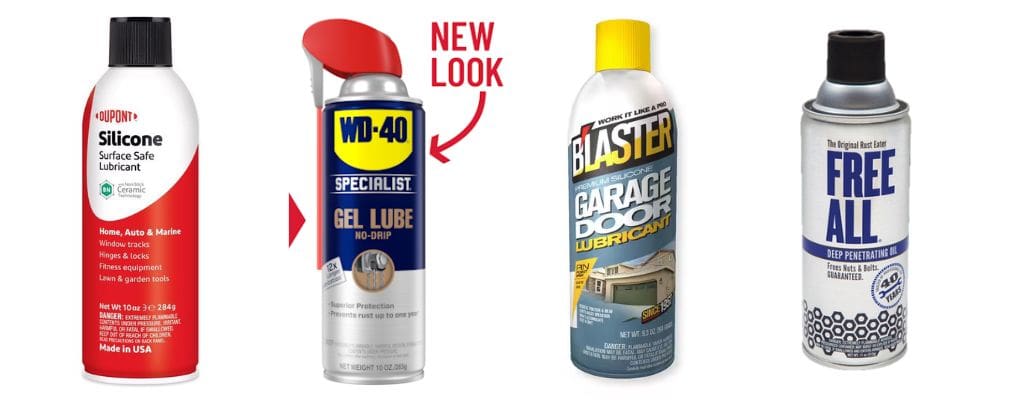
Credit: www.garagedoorrepair.com
Buying Tips And Mistakes To Avoid
Many beginners grab the first spray they see, but here are some things to watch for:
- Check the label: It should say “garage door” or “multi-purpose lubricant.” Avoid household oils or WD-40 (original) for long-term lubrication.
- Avoid grease on plastic: White lithium grease is great for metal, but can damage plastic rollers or parts.
- Don’t mix products: Stick to one type at a time. Mixing can cause build-up or chemical reactions.
- Buy enough: One can usually lasts several applications, but it’s better to have extra for regular maintenance.
Non-obvious tip: Some lubricants have a straw or precision nozzle. This small feature helps reach tight spots, reducing mess and waste.
Environmental And Safety Considerations
Some garage door lubricants have strong smells or chemicals. Here’s how to stay safe:
- Use in a well-ventilated area.
- Wear gloves if you have sensitive skin.
- Store lubricants out of reach of children and pets.
- Dispose of empty cans responsibly.
For those with allergies or sensitivities, silicone-based sprays are usually less irritating than grease or oil-based products.
Extra Maintenance Tips For A Longer-lasting Garage Door
Lubrication is just one part of good garage door care. Other tips include:
- Check for loose bolts and tighten them.
- Clean tracks regularly, but don’t add lubricant.
- Inspect weather stripping and replace if cracked or missing.
- Listen for new noises—these often signal a part needs attention.
A little time spent on maintenance can add years to your garage door’s lifespan.
Frequently Asked Questions
What Is The Best Lubricant For Garage Doors In Cold Climates?
Silicone spray works best in cold weather because it stays slippery and doesn’t freeze. White lithium grease is also good but may thicken in very low temperatures.
Can I Use Wd-40 On My Garage Door?
The regular WD-40 product is a cleaner and rust remover, not a true lubricant. For long-lasting lubrication, use a garage door-specific silicone spray or white lithium grease.
How Often Should I Lubricate My Garage Door?
Lubricate all moving parts every six months. In dusty or humid environments, check every three months.
Should I Lubricate The Garage Door Tracks?
No. Tracks should be kept clean and dry. Only lubricate the rollers, hinges, springs, and bearings.
Where Can I Find More Information On Garage Door Maintenance?
For more in-depth guidance, the Wikipedia page on garage door openers offers detailed explanations about parts and care.
Making the right choice for your garage door lubricant keeps your door working smoothly and saves money over time. Focus on silicone spray or white lithium grease, follow a regular schedule, and avoid common mistakes. With a small effort, you can keep your garage door safe, quiet, and reliable for years to come.