
Storing your lawn mower in the garage sounds simple, but doing it the right way protects your machine, keeps your garage safe, and saves you money on repairs. Many people just push their mower into a corner and forget about it, but that’s a mistake.
Moisture, fuel, and clutter can damage your mower or even create a fire risk. This guide explains how to store your lawn mower in the garage the correct way. You’ll learn practical steps, smart storage ideas, and mistakes to avoid—perfect for beginners who want clear answers and no confusion.
Why Proper Lawn Mower Storage Matters
A lawn mower is not a cheap tool. Most new gas mowers cost between $250 and $500, and riding mowers can cost over $2,000. Poor storage can ruin key parts like the engine, fuel lines, and battery. It also makes your garage messy and unsafe. Here’s why good storage is important:
- Prevents rust: Moisture in the garage can rust blades and moving parts.
- Stops fuel leaks: Gasoline can leak if the mower is not stored level.
- Avoids flat tires: Proper storage keeps tires from developing flat spots.
- Saves space: Smart storage keeps your garage organized.
Preparing Your Lawn Mower For Storage
Before you put your mower away, spend a few minutes getting it ready. This makes a big difference, especially if you’re storing it for the winter or a long break.
Cleaning The Mower
Grass, dirt, and moisture cause rust and bad smells. Here’s how to clean your mower:
- Remove the spark plug for safety.
- Use a brush or putty knife to scrape off dry grass from the deck.
- Wipe the blade and undercarriage with a damp cloth.
- Dry everything with a clean towel.
Tip: Don’t spray water directly into the engine or electrical parts.
Handling Fuel
Gasoline goes bad after about 30 days. Old fuel can clog the carburetor and ruin the engine.
- Short-term storage (under 1 month): Fill the tank and add a fuel stabilizer.
- Long-term storage (over 1 month): Run the mower until the tank is empty.
Example: If you store your mower over the winter, always drain the fuel.
Checking And Changing Oil
Dirty oil can damage the engine. Change the oil before storage if it’s dirty or hasn’t been changed in 50 hours of use.
- Run the engine for 2 minutes to warm up oil.
- Drain old oil into a safe container.
- Refill with the type and amount your owner’s manual recommends.
New insight: Many beginners forget to check oil, but it’s the easiest way to extend engine life.
Remove Or Charge Battery
For battery-powered mowers:
- Remove the battery and store it in a dry, cool place.
- Charge to 50-70% if storing for months.
For gas mowers with a battery starter:
- Remove the battery and wipe the terminals.
- Store off the ground to avoid moisture.

Credit: www.lelaburris.com
Choosing The Best Spot In Your Garage
A good storage spot protects the mower and keeps your garage safe. Not all corners are equal.
- Stay away from water: Don’t store near water heaters, sinks, or washers.
- Avoid sunlight: UV rays can fade plastic and dry rubber.
- Keep away from flames: Don’t store near furnaces or gas cans.
Best practice: Pick a dry, flat area with room to walk around.
Example Layout
Here’s a simple comparison of common garage spots:
| Garage Spot | Safety | Moisture Risk | Space Use |
|---|---|---|---|
| Near water heater | Poor | High | Low |
| By exterior wall | Good | Medium | Medium |
| Dedicated mower corner | Best | Low | Best |
Non-obvious tip: Leave at least 2 feet of space around the mower for airflow.
Storing Different Types Of Lawn Mowers
Not all mowers are the same. How you store them depends on size and type.
Push Mowers
- Light and easy to move.
- Store upright or hang on a wall if possible.
- Fold handle to save space.
Self-propelled Mowers
- Heavier; don’t hang on weak hooks.
- Store on the ground or on a solid shelf.
- Lock wheels to prevent rolling.
Riding Mowers
- Needs more floor space.
- Never block garage exits.
- Remove the key and disconnect the battery.
Electric And Battery Mowers
- Store away from power tools or outlets.
- Don’t expose battery to extreme cold or heat.
- Keep charger off the floor.
Example: Many garages have a high shelf—use this for batteries, not for the whole mower.
| Mower Type | Best Storage Position | Space Needed (sq ft) |
|---|---|---|
| Push mower | Upright/Wall-mounted | 4-6 |
| Self-propelled | Ground/Shelf | 6-8 |
| Riding mower | Ground only | 16-24 |
Smart Storage Solutions For Small Garages
If your garage is tight, every inch counts. Try these space-saving ideas:
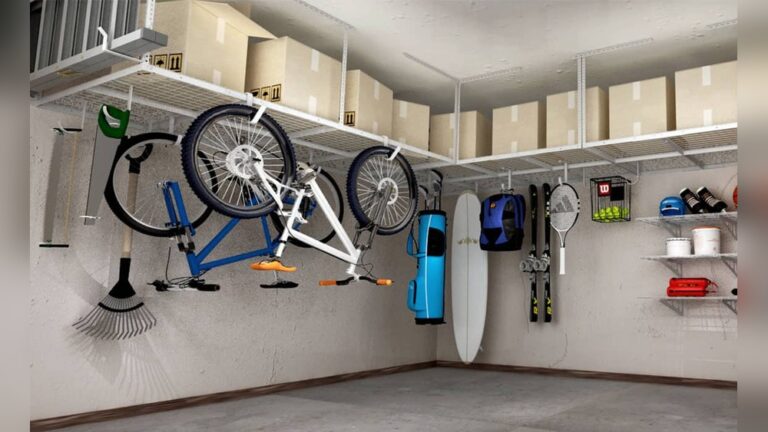
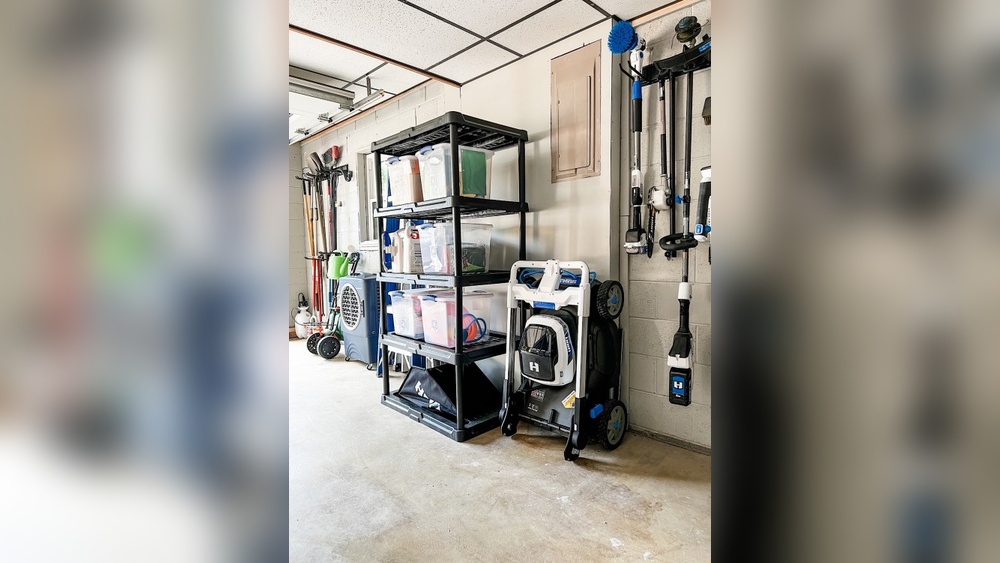
- Wall hooks: Heavy-duty hooks can hold most push mowers upright.
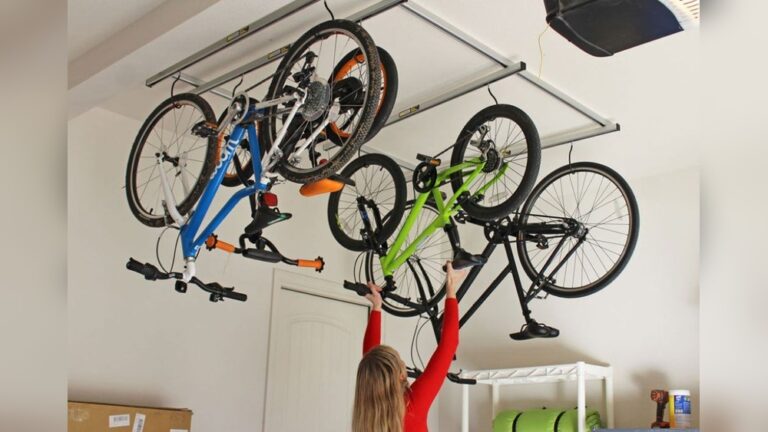
- Ceiling racks: Store mower bags or small tools overhead, not the mower itself.
- Foldable shelves: Use for batteries, oil, and accessories.
- Wheeled platforms: Roll your mower out of the way.
Real-world tip: Don’t hang heavy mowers unless the wall can support at least 60 pounds.
Example: Wall Hook System
A basic wall hook kit costs about $30–$50 and can free up 4–6 square feet of floor space.
Protecting Your Lawn Mower From Damage
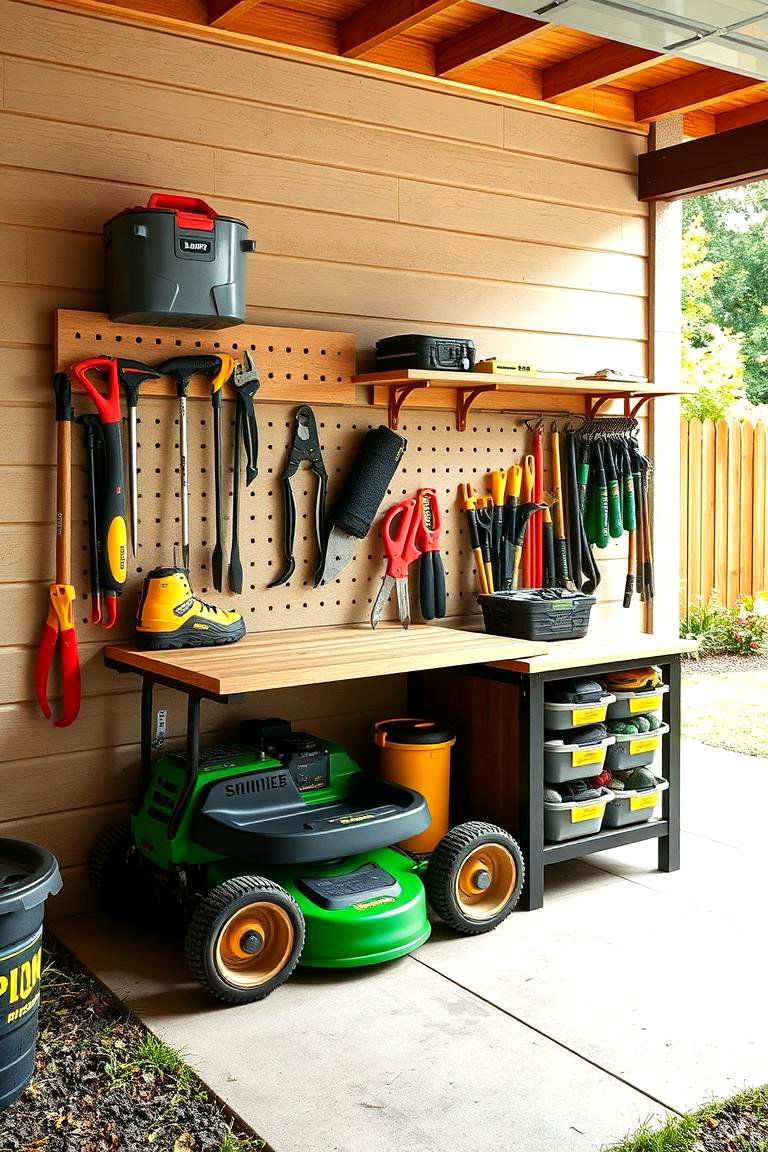
Just parking your mower isn’t enough. Protect it from dust, moisture, and bumps.
- Use a mower cover: Keeps off dust and prevents scratches.
- Place on a mat: A rubber mat absorbs drips and stops tire flat spots.
- Keep tools away: Don’t stack heavy items nearby.
Beginner mistake: Many forget to cover their mower, leading to rust and electrical problems.
Credit: nilds.gov.ng
Safety Tips For Storing Lawn Mowers In Garages
Safety is as important as mower care. Gasoline, batteries, and sharp blades all bring risks.
- Empty fuel: Reduces fire risk and leaks.
- Lock up sharp tools: Keep children safe.
- Store oil and gas separately: Use approved containers, far from the mower.
- Unplug chargers: Don’t leave battery chargers running unattended.
Practical insight: Many fires start when gas vapors meet a furnace flame. Store at least 10 feet away from any open flame or spark source.
Organizing Your Garage For Easy Access
A cluttered garage makes mower storage harder and more dangerous. Good organization helps you get the mower out quickly for the next cut.
- Label shelves: Store mower parts and supplies together.
- Hang extension cords: Avoid tripping hazards.
- Create a mower zone: Dedicate one area for mower and accessories.
Non-obvious tip: Use clear bins so you can see oil, spark plugs, and small parts at a glance.
| Accessory | Best Storage Method | Why It Works |
|---|---|---|
| Spare blades | Wall-mounted rack | Safe, easy to find |
| Oil | Sealed bin | No leaks |
| Battery | High shelf | Dry, away from kids |
Mistakes To Avoid When Storing Your Lawn Mower
Many people make simple errors that cause big problems later.
- Leaving gas in the tank: Causes gumming and hard starts.
- Storing on wet floors: Rusts the blade and deck.
- Blocking exits: Makes emergencies dangerous.
- Skipping cleaning: Old grass attracts mice and insects.
- Stacking heavy items on mower: Can bend handles or break covers.
Experience-based tip: Check your mower every few weeks, even in storage, for leaks or flat tires.
When To Service Your Lawn Mower
Storing a mower is also a good time for a quick check-up. If you spot problems, fix them now.
- Sharpen the blade: At least once per season.
- Replace spark plug: Every 100 hours or once a year.
- Check air filter: Clean or replace as needed.
- Inspect belts and cables: Look for cracks or wear.
Beginner insight: Many shops offer winter service specials—drop off your mower after the last cut.
Lawn Mower Storage And Climate
Your local climate affects how you store your mower.
- Humid areas: Use a dehumidifier or moisture-absorbing packets.
- Cold regions: Keep mower off concrete to avoid freezing.
- Hot climates: Don’t store by windows or metal doors.
Example: In Florida, use a cover and check for mold every few weeks. In Minnesota, lift mower on a pallet to stay dry.
How Long Can You Store A Lawn Mower In The Garage?
Most mowers can be stored for months if you follow these steps. For winter, up to 6 months is fine. For longer, check the battery and look for rust or leaks every 2–3 months.
Pro tip: Write the storage date on a tag and hang it on the handle.
:max_bytes(150000):strip_icc()/lawn-mower-storage-ideas-7228646-01-13dc4f23d0c34bfba9314c72ae35b9ff.jpg)
Credit: www.thespruce.com
Additional Resources
If you want more details on mower care, check the owner’s manual or visit the official EPA indoor air guide for garage air quality tips.
Frequently Asked Questions
How Do I Keep My Lawn Mower From Rusting In The Garage?
Keep your mower clean and dry. Use a cover and avoid storing it on wet floors. If your garage is humid, use a dehumidifier or moisture absorber.
Can I Hang My Lawn Mower On The Garage Wall?
You can hang a lightweight push mower if you have strong wall hooks. Do not hang heavy or self-propelled mowers, as this can damage the wall or the mower.
Should I Remove The Battery When Storing My Electric Mower?
Yes, always remove the battery. Store it in a cool, dry spot and charge it to about 50–70% if storing for months. This protects battery life.
Is It Safe To Store A Gas Mower With Fuel In The Garage?
It’s best to empty the tank or use a fuel stabilizer for short-term storage. For long-term storage, always empty the tank to avoid fire risk and engine damage.
How Much Space Do I Need To Store A Riding Mower In My Garage?
Most riding mowers need at least 16–24 square feet of space. Make sure you can walk around the mower and that it doesn’t block any doors or emergency exits.
Storing your lawn mower the right way in your garage keeps it safe, saves space, and reduces repair bills. Just a few minutes of preparation and smart organization can make your mower last for years. Whether you have a small push mower or a large riding model, these steps will help you store it with confidence and peace of mind.