
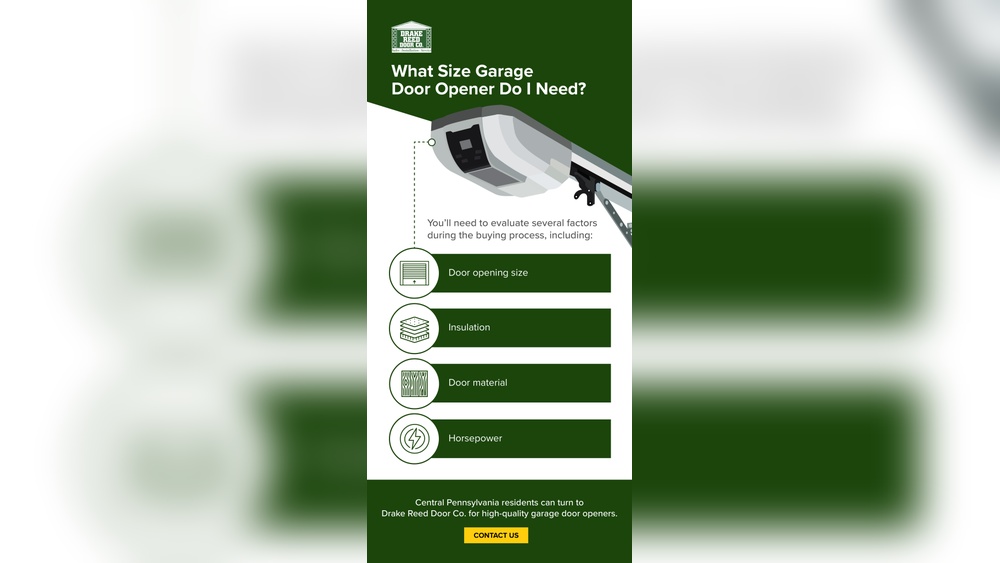
Choosing the right garage door opener size is important for both safety and convenience. Many homeowners are unsure about which opener is best for their garage. If you select the wrong size, your door may not open smoothly, or the motor could wear out faster. This guide will help you decide which opener size fits your garage door, using clear explanations, practical data, and easy examples. Even if you are new to garage door openers, you’ll find this information simple and useful.
Understanding Garage Door Opener Sizes
Garage door openers are rated by their horsepower (HP). The HP tells you how strong the motor is. Common sizes include:
- 1/3 HP
- 1/2 HP
- 3/4 HP
- 1 HP
Each size is designed for different garage door types. Picking the right HP ensures your opener lasts longer and works without problems. Selecting the right size also means your door will open and close at a steady speed. It reduces the risk of the motor straining or failing when you least expect it.
For example, if you have a heavy wooden door, using an opener with too little horsepower can make daily use frustrating and costly.
What Does Horsepower Mean?
Horsepower is a measure of power. In garage openers, higher HP means the motor can lift heavier doors. But bigger is not always better. Too much HP wastes energy and costs more. Too little HP causes strain and failure.
It’s easy to think that buying the biggest motor is always smart. But in reality, most standard residential garage doors don’t need more than 1/2 HP or 3/4 HP. A properly matched opener will run quieter, use less electricity, and last longer.
For example, if you have a single, non-insulated steel door, a 1/3 HP opener is usually enough. If you go much higher, you might pay more upfront and in energy bills, with little practical benefit.
Quick Hp Overview
- 1/3 HP: For light, single doors
- 1/2 HP: Most popular, fits standard doors
- 3/4 HP: For heavy, wide doors
- 1 HP: For industrial or oversized doors
Most homes with normal two-car garages use either 1/2 HP or 3/4 HP openers. If your garage is attached to your house and you use it daily, a slightly higher HP can add reliability, especially in the long term.
Factors That Affect Garage Door Opener Size
Before buying, consider these key factors:
- Door Size and Weight
- Door Material
- Frequency of Use
- Insulation and Extra Features
Let’s break down each factor.
1. Door Size And Weight
The bigger and heavier your door, the more HP you need.
- Single doors (8–10 feet wide): Usually lighter, need less HP
- Double doors (16 feet wide): Heavier, need more HP
Example: A single aluminum door needs less HP than a double wooden door.
Keep in mind that taller doors (over 8 feet high) also add weight, especially if they are insulated. Some older garage doors use thicker panels, which can make even a single door heavier than you might guess. If you’re replacing an older opener, check if your current motor is struggling—this can be a sign you need a bigger size.
2. Door Material
Material affects weight:
- Aluminum: Light
- Steel: Medium weight
- Wood: Heavy
If your door is wood, you will need a stronger opener.
Also, remember that some steel doors have wooden frames or decorative overlays. These extra materials can add significant weight. Manufacturers sometimes list the door’s total weight on a label inside the garage. If you can’t find the label, you can search the model number online or use a bathroom scale to estimate the weight.
3. Frequency Of Use
If you open the door many times daily (such as in busy households or commercial garages), choose a higher HP. Frequent use wears out weaker motors faster.
For example, a home with teenagers or multiple drivers may open and close the garage 8–12 times a day. In this case, a 3/4 HP opener can handle the extra cycles without overheating. If you use your garage only once or twice daily, a lower HP may be just fine.
4. Insulation And Extra Features
Insulated doors are heavier. Windows and decorative panels also add weight. Always check the weight before choosing.
Extra features like thick glass windows, wood trims, or custom hardware may not seem heavy, but they make a difference. Insulated doors can weigh up to 30% more than non-insulated ones. If you’re planning to add insulation kits or decorative hardware later, consider this extra weight when choosing your opener.

Credit: spectrumoverheaddoor.com
Garage Door Opener Size Guide
Here’s a simple table showing the recommended HP for different door types.
| Door Type | Material | Width | Recommended HP |
|---|---|---|---|
| Single | Aluminum/Steel | 8–10 ft | 1/3 HP |
| Single | Wood | 8–10 ft | 1/2 HP |
| Double | Steel | 16 ft | 1/2 HP – 3/4 HP |
| Double | Wood | 16 ft | 3/4 HP – 1 HP |
Tip: Always check your door’s weight. If you are unsure, ask a professional or look up the manufacturer’s data.
It’s also smart to consider your future needs. If you might upgrade to a heavier door or add insulation later, choosing a slightly higher HP now can save you from replacing the opener sooner.
Common Garage Door Opener Types
There are three main types of garage door openers:
- Chain Drive
- Belt Drive
- Screw Drive
Each type works with different HP ratings.
Chain Drive
- Strong and affordable
- Good for heavy doors
- Noisy
Chain drives are popular because they are reliable and can lift almost any door. However, they can vibrate and make noise. If your garage is attached to your home or below a bedroom, you might hear the opener working.
Belt Drive
- Quiet operation
- Good for homes with bedrooms near the garage
- Works best with lighter doors
Belt drives use a rubber belt instead of a metal chain, reducing noise. They’re best for families who want peace and quiet, especially in houses with living space above or beside the garage.
Screw Drive
- Few moving parts
- Less maintenance
- Works with medium-weight doors
Screw drive openers use a threaded steel rod to move the door. They’re less common but can be a good choice for moderate climates. In very hot or cold weather, the screw can expand or contract, making the opener less reliable.
Here’s a quick comparison:
| Opener Type | Noise Level | Best Door Type | Typical HP Range |
|---|---|---|---|
| Chain Drive | High | Heavy, large | 1/2 HP – 1 HP |
| Belt Drive | Low | Light, single | 1/3 HP – 3/4 HP |
| Screw Drive | Medium | Medium-weight | 1/2 HP – 3/4 HP |
Some newer openers also use direct drive or wall-mount systems. These are often quieter and take up less space, but they cost more and may require special installation.
Choosing The Right Size: Step-by-step
Here’s a simple way to pick the right opener:
- Measure your garage door (width and height).
- Check the material (aluminum, steel, wood).
- Estimate the weight (look for the manufacturer’s sticker or check online).
- Count how many times you open the door daily (more uses = more HP).
- Consider insulation or extra panels (add extra HP if needed).
- Choose the opener type (chain, belt, screw).
Example:
You have a 16-foot wide, wooden, insulated garage door. You open it 10 times daily. You need a chain drive opener with 3/4 HP or higher.
If you live in a cold climate where snow or ice can build up on your garage door, add a bit more HP to your calculation. The extra power helps the opener work smoothly even when the door is heavier in winter.
Real-life Data: Garage Door Weights
Understanding actual door weights can help you choose.
- Single aluminum: 70–100 lbs
- Single steel: 90–120 lbs
- Single wood: 120–250 lbs
- Double steel: 180–250 lbs
- Double wood: 250–400 lbs
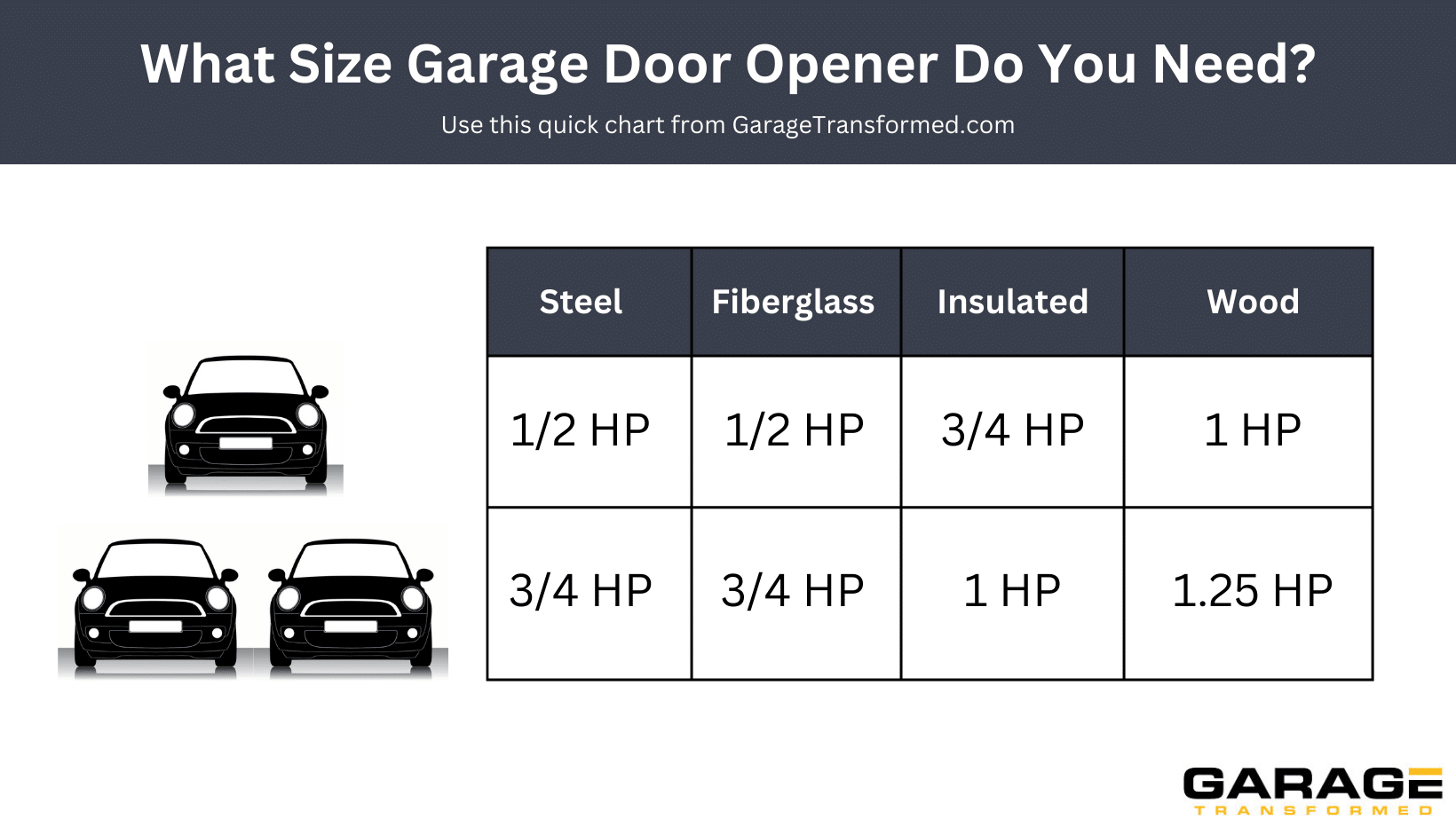
If your door weighs more than 250 lbs, always pick at least 3/4 HP.
For accurate results, use a bathroom scale under the center of the closed door. Lift the door slightly—just enough to rest on the scale—to see its true weight. If you feel any resistance or the door is hard to lift manually, your springs may need adjustment, which also affects opener choice.
Credit: garagetransformed.com
Common Mistakes When Choosing Opener Size
Many beginners make mistakes. Here are some to avoid:
- Underestimating door weight: Always check, don’t guess.
- Ignoring insulation: Insulated doors are much heavier.
- Choosing too much HP: More power means higher cost and energy use.
- Not considering noise: Stronger motors can be noisy.
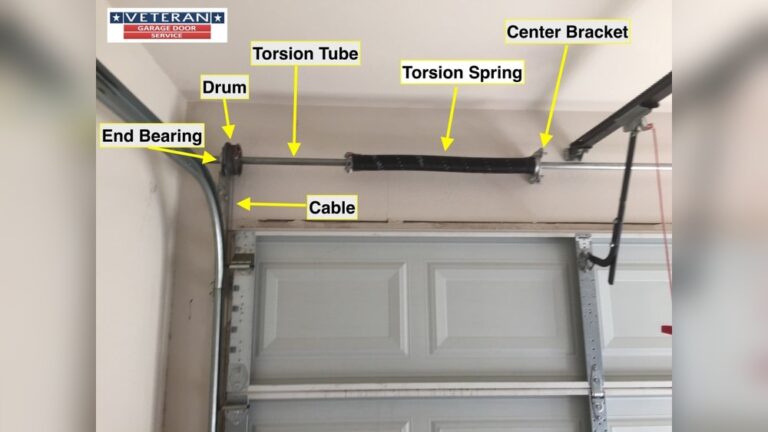
Another mistake is not checking the door balance. If your springs are worn or not set right, even a strong opener will struggle and wear out faster. Have your springs checked when installing a new opener.
Signs Your Opener Is Too Small
If your opener is too weak, you might notice:
- Door moves slowly or stops mid-way
- Strange noises from the motor
- Motor overheats
- Frequent repairs needed
If you see these signs, it’s time to upgrade.
Some homeowners ignore these signs, thinking the problem will go away. But a weak opener can damage your door or even cause safety risks if the door gets stuck halfway. Upgrading the opener early can prevent bigger repairs.
Advantages Of The Right Garage Door Opener Size
Choosing the correct HP gives you:
- Smooth operation
- Longer opener life
- Less maintenance
- Lower energy bills
- Safer operation
A well-matched opener also protects your garage door. The motor and springs work together, reducing wear and tear. You’ll also notice quieter operation and less vibration, which is especially valuable in homes with attached garages.
Professional Advice And Extra Tips
If you’re not sure, consult a garage door specialist. They can measure your door and recommend the perfect opener. You can also check reliable online sources like Consumer Reports for reviews and data.
Two insights beginners often miss:
- Manufacturer ratings: Always check if the opener’s HP matches the door’s recommended specs.
- Climate impact: Cold weather can make doors heavier due to ice or snow buildup. If you live in a cold region, consider a higher HP.
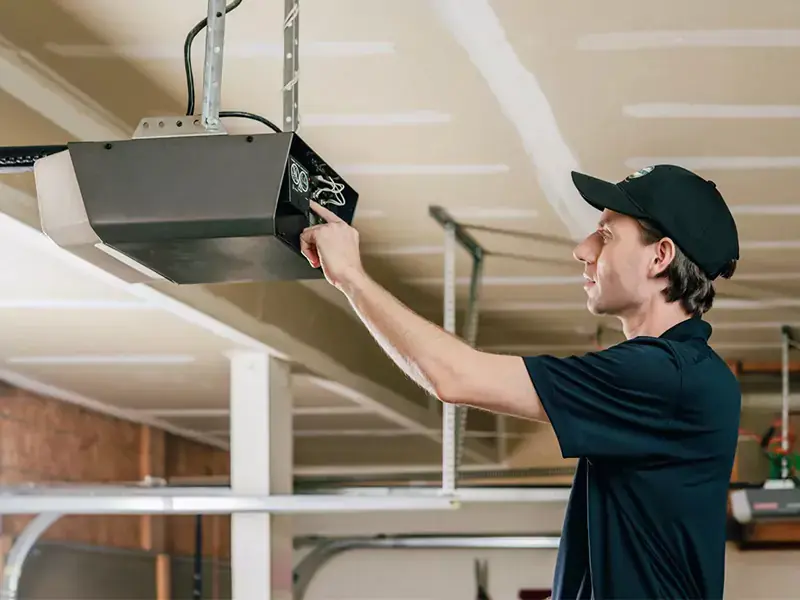
Also, remember to check your home’s electrical wiring. Some high-HP openers need dedicated circuits or outlets. If your wiring is old or shared with other appliances, consult an electrician for safety.
Credit: www.precisiondoor.net
Comparing Popular Garage Door Opener Brands
Many brands offer different HP models. Here’s a comparison of three popular brands.
| Brand | Common HP Options | Warranty | Special Features |
|---|---|---|---|
| Chamberlain | 1/2 HP, 3/4 HP | Lifetime motor | Smartphone control |
| LiftMaster | 1/2 HP, 1 HP | Lifetime motor | Quiet belt drive |
| Genie | 1/2 HP, 3/4 HP | 5–10 years | Easy install |
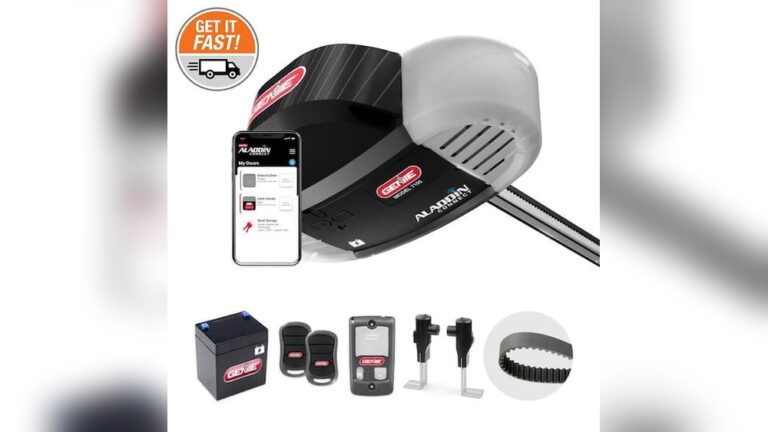
Some brands offer Wi-Fi connectivity, battery backup, and smart home features. Think about what technology matters to you—if you want to open your garage with your phone, look for a model with built-in Wi-Fi. These features don’t affect HP, but they do affect your overall satisfaction.
Maintenance And Safety Tips
After choosing the right opener, keep it working well:
- Lubricate moving parts every 6 months.
- Check the safety sensors monthly.
- Test the emergency release once a year.
- Replace the remote batteries when needed.
A well-maintained opener lasts longer and keeps your garage secure.
It’s also a good idea to listen for new noises or watch for changes in how the door moves. These can be early warnings of problems. If your opener has smart features, use the app to check for error messages or maintenance reminders.
Frequently Asked Questions
How Do I Know If My Garage Door Opener Is Too Weak?
If your opener struggles to lift the door, moves slowly, or stops mid-way, it may be too weak. You might also hear loud noises or notice the motor overheating.
Is A Higher Hp Always Better?
No. Too much HP wastes energy and costs more. Choose the HP that matches your door’s weight and size. For most homes, 1/2 HP or 3/4 HP is enough.
Can I Install A Garage Door Opener Myself?
Yes, if you have basic tools and follow instructions. However, heavy doors or complex openers are best installed by professionals for safety.
What Is The Best Opener For A Wooden Garage Door?
Wooden doors are heavy, so choose at least 1/2 HP for single doors and 3/4 HP or higher for double doors. Chain drive openers are usually best for heavy doors.
How Long Does A Garage Door Opener Last?
A good opener lasts 10–15 years with proper maintenance. Regular lubrication, sensor checks, and battery changes help extend its life.
Selecting the right garage door opener size is simple if you understand your door’s weight, material, and how often you use it. Avoid guessing—use real data and check manufacturer recommendations. The right opener keeps your garage safe and your daily routine smooth.
If you’re unsure, ask a specialist or check trusted sources. Your new opener will be a reliable part of your home for years.