
Garage doors are a big part of most homes. They protect your car, tools, and other items from bad weather. But over time, garage doors can develop rust. Rust makes the door look old, weakens the metal, and can cause safety problems. Many homeowners do not know how to deal with garage door rust or why it happens. This guide explains everything you need to know about garage door rust, using simple language and practical advice. If you are worried about rust on your garage door, you will learn how to fix it, prevent it, and keep your door looking good for years.
What Is Garage Door Rust?
Garage door rust is the reddish-brown coating that forms on metal doors. Rust happens when iron or steel reacts with water and oxygen. This chemical reaction is called oxidation. It creates rough spots that can grow and damage the metal.
- Rust usually starts in places where paint is chipped or scratched.
- If left alone, rust can spread quickly and make the metal weak.
- Rust can also cause the door to stick or make loud noises.
Garage doors made from steel are most likely to rust. Aluminum doors do not rust, but they can corrode in other ways.
Why Does Garage Door Rust Happen?
Understanding why rust happens helps you prevent it. Here are the main causes:
- Humidity: Moist air speeds up rusting. Homes near the ocean or in rainy areas have more rust problems.
- Rain and snow: Water seeps into cracks and stays there, starting rust.
- Salt: Road salt in winter can splash onto your garage door. Salt helps rust start faster.
- Scratches: Damage to paint lets water touch the metal.
- Age: Old doors lose their protective coating, making rust more likely.
Example
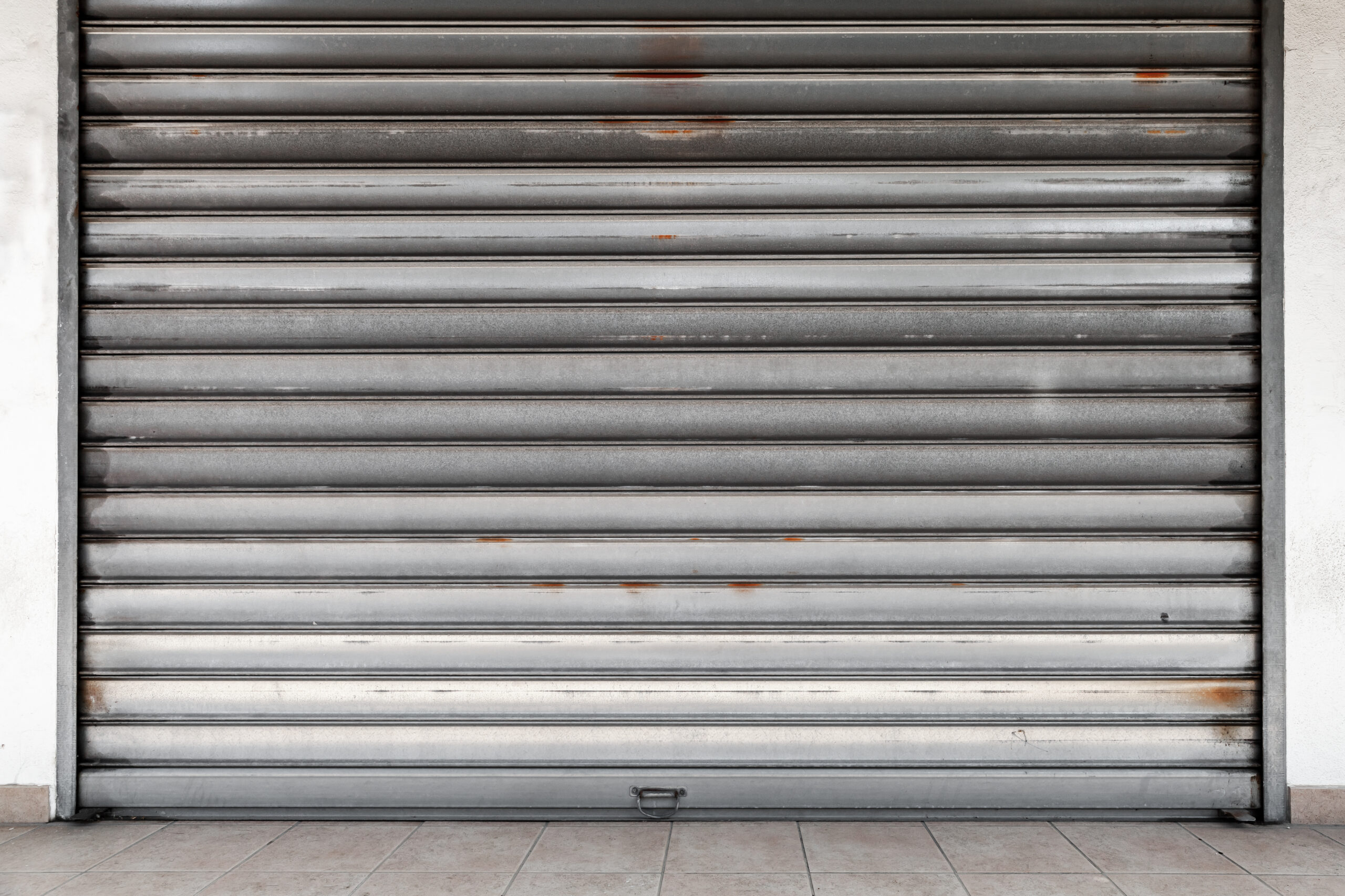
A family living in Florida noticed rust on their garage door after several heavy rainstorms. They found small scratches in the paint where water had collected. This is a common story for many homeowners.
Credit: www.ancooverheaddoor.com
Signs Of Garage Door Rust
Rust does not always look the same. Here are signs to watch for:
- Brown or orange spots: These are the first signs of rust.
- Rough patches: Rusted metal feels bumpy.
- Paint peeling: Paint flakes off where rust forms.
- Door sticking: Rust makes moving parts harder to open or close.
- Loud noises: Rusty hinges and tracks can squeak or grind.
If you see any of these signs, act quickly. Early rust is easier to fix.
How Garage Door Rust Affects Your Home
Rust is not just a cosmetic problem. It can affect your home in several ways:
- Weakens the door: Rust eats away at metal, making it thin and fragile.
- Reduces security: A weak garage door is easier for thieves to break.
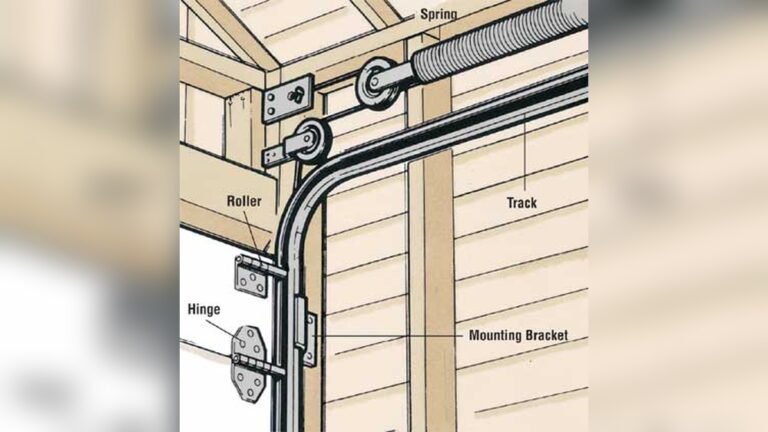
- Damages parts: Rust spreads to hinges, springs, and tracks, causing failure.
- Increases repair costs: The longer you wait, the more expensive repairs become.
- Lowers home value: A rusty garage door makes your house look neglected.
Data Example
According to the National Association of Home Builders, a garage door in poor condition can reduce a home’s value by up to 4%. This shows that rust is more than just an eyesore.
How To Remove Garage Door Rust
Removing rust is not hard if you catch it early. Here are simple steps:
- Gather supplies:
- Wire brush or sandpaper
- Mild detergent
- Water
- Rust remover (optional)
- Clean cloths
- Primer and paint
- Clean the area:
- Wash the rusted spot with soapy water.
- Dry it fully before starting.
- Scrape off loose rust:
- Use a wire brush or sandpaper.
- Remove all flaky rust and paint.
- Apply rust remover (if needed):
- Follow instructions on the label.
- Wait for the remover to work.
- Rinse and dry:
- Clean off any chemicals.
- Make sure the area is dry.
- Prime and paint:
- Use primer made for metal.
- Paint with exterior-grade paint for protection.
Common Mistakes
- Not drying the area completely before painting
- Using indoor paint instead of weatherproof paint
- Leaving rust on moving parts without fixing them
Preventing Garage Door Rust
Prevention saves time and money. Here are practical tips:
- Inspect your garage door monthly: Look for scratches, chips, or spots.
- Wash the door regularly: Clean off dirt and salt, especially after winter.
- Touch up paint: Cover scratches with rust-resistant paint.
- Lubricate hinges and tracks: Use silicone spray or oil.
- Seal gaps: Make sure water cannot leak into the garage.
Data Table: Rust Risk Factors By Region
| Region | Humidity Level | Rust Risk | Main Cause |
|---|---|---|---|
| Coastal | High | Very High | Salt, moisture |
| Mountain | Medium | Medium | Rain, snow |
| Desert | Low | Low | Dry air |
| Urban (Winter) | Medium | High | Road salt |
Choosing Rust-resistant Garage Doors
If your door is old or rusted badly, replacing it is sometimes best. Here is what to look for:
- Material: Steel doors with rust-resistant coating are better than plain steel. Aluminum is also a good choice.
- Paint quality: Choose doors with thick, weatherproof paint.
- Manufacturer warranty: Pick doors with a long rust warranty.
Comparison Table: Garage Door Materials And Rust Resistance
| Material | Rust Resistance | Maintenance | Cost (approx.) |
|---|---|---|---|
| Steel | Medium | High | $700-$2000 |
| Aluminum | High | Low | $800-$2500 |
| Wood | None (but can rot) | Very High | $1200-$4000 |
| Fiberglass | Very High | Low | $900-$2200 |
Example
A homeowner in Ohio switched from a steel door to an aluminum door. The new door had a special coating and stayed rust-free for over five years, even with heavy winter salt.
How Much Does Rust Repair Cost?
Repair costs depend on how much rust there is:
- Small spots: DIY repair costs $20–$50 for brushes, paint, and cleaner.
- Medium damage: Professional repair costs $100–$250.
- Large damage: Full replacement can cost $700–$3000.
Data Table: Average Repair Costs By Rust Severity
| Rust Severity | DIY Cost | Professional Cost | Replacement Cost |
|---|---|---|---|
| Light | $20–$50 | $100–$150 | — |
| Moderate | $40–$80 | $150–$250 | $700–$1200 |
| Severe | — | $200–$300 | $1200–$3000 |
Credit: wiki.rustclash.com
Practical Tips For Beginners
Many people are new to garage door maintenance. Here are simple tips:
- Start small: Try fixing tiny rust spots before calling a pro.
- Use the right products: Buy paint and primer made for metal and outdoor use.
- Check hinges and tracks: Rust here can cause bigger problems. Lubricate often.
- Ask for help: If the rust covers more than 20% of the door, call a professional.
- Keep records: Note when you repair or paint. This helps track problems over time.
Non-obvious Insights
- Garage humidity matters: If your garage is damp, rust returns faster. Consider a dehumidifier.
- Weather stripping helps: Sealing the bottom of the garage door keeps water and salt away.
When To Replace Instead Of Repair
Sometimes, repairing is not enough. Replace your garage door if:
- Rust covers more than one-third of the door
- The door feels weak or bends easily
- Hinges or tracks are badly rusted and cannot move
- Repair costs are more than half the price of a new door
Replacing the door can boost your home’s safety and value. New doors are often more energy-efficient and quieter.
Expert Advice And Trusted Sources
Always follow advice from trusted sources. If you want more details on garage door materials and rust prevention, visit Home Depot for professional guidance.
Frequently Asked Questions
What Causes Garage Door Rust The Most?
The main causes are moisture, humidity, and salt. Water and air react with metal, especially if paint is damaged. Salt from winter roads or coastal air can speed up rust.
How Can I Stop Rust From Returning?
Clean and dry your door often. Use weatherproof paint and check for scratches. Lubricate moving parts and seal gaps. Adding weather stripping also helps.
Is It Safe To Use A Rusty Garage Door?
Small rust spots are not dangerous. But a badly rusted door is weak and can break. If the door bends or parts stick, call a professional.
Can I Repair Garage Door Rust Myself?
Yes, you can fix minor rust using a wire brush, primer, and paint. For large or deep rust, it is safer to call a technician.
How Often Should I Check My Garage Door For Rust?
Check your garage door every month. Look for new spots, scratches, or peeling paint. Early action prevents bigger problems.
Taking care of garage door rust is simple if you follow these steps. With regular maintenance, your garage door will stay strong and look good. Rust may seem small, but it can lead to big issues if ignored. Protect your investment and keep your home safe by acting early.

Credit: steamcommunity.com