

If your garage turns into a hot box in summer, you’re not alone. Many homeowners struggle to keep their garages cool, especially when temperatures climb above 90°F (32°C). This can make working, storing items, or even parking your car uncomfortable.
The good news? You can cool your garage without spending a fortune or needing special skills. This guide covers simple, practical methods for beginners and offers clear advice for lasting results.
Why Do Garages Get So Hot?
Garages often feel hotter than the rest of your house. Here’s why:
- No insulation: Most garages lack insulation, so heat enters easily.
- Poor ventilation: Hot air gets trapped inside, with nowhere to go.
- Concrete floors: Concrete absorbs and radiates heat.
- Metal doors: Metal heats up quickly in the sun and transfers warmth inside.
- Limited shade: Many garages face direct sunlight for hours.
If your garage feels like an oven, understanding these causes helps you choose the best cooling method.
Quick Ways To Cool A Garage
Sometimes you need fast relief. Here are the easiest ways to drop the temperature:
- Open the garage door: This increases airflow and lets hot air escape.
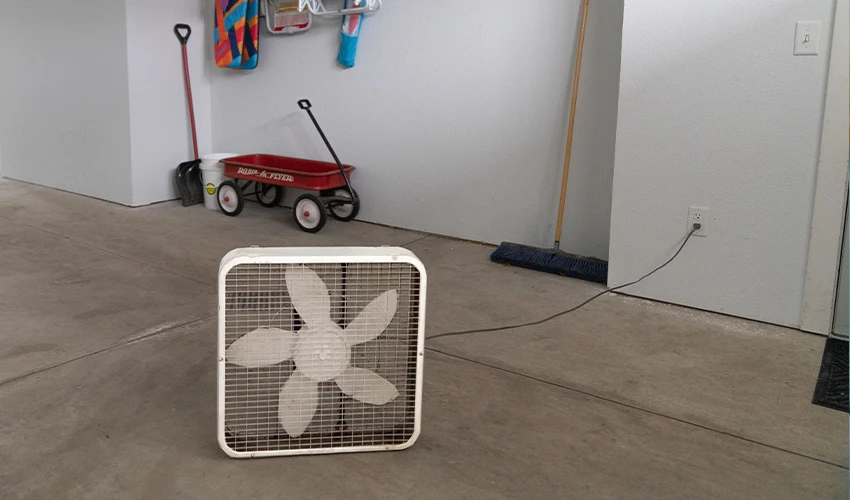
- Use portable fans: Place one fan near the door, and another at the back for cross ventilation.
- Spray water on the floor: Wet concrete cools down as water evaporates.
- Hang wet towels: Damp towels absorb heat and cool the air slightly.
- Park outside: Cars emit heat after driving, so avoid parking inside if possible.
These methods are helpful for immediate cooling, but they don’t solve the root problem.

Credit: www.youtube.com
Best Long-term Solutions For Cooling A Garage
To keep your garage cool every day, you’ll need a more permanent strategy. Let’s explore the top options:
Insulate Your Garage
Insulation slows heat movement. This keeps your garage cooler in summer and warmer in winter.
- Garage door insulation kits are easy to install. They cost $50–$200 and take about 2–3 hours.
- Wall insulation is more expensive but effective. Use fiberglass or foam board.
- Ceiling insulation stops heat from the roof.
Many beginners skip insulation, but it’s the most effective way to control temperature.
Improve Garage Ventilation
Good ventilation removes hot air and brings in cooler air.
- Wall vents let air flow in and out.
- Roof vents release trapped heat.
- Exhaust fans pull hot air outside.
You can install a basic wall vent for $20–$40, or an electric exhaust fan for $100–$300. Always place vents high up, since hot air rises.
Upgrade To A Cool Garage Door
Some garage doors are much better at keeping heat out. Here’s a quick comparison:
| Garage Door Type | R-Value (Insulation) | Heat Resistance | Average Cost |
|---|---|---|---|
| Standard Metal | R-2 | Poor | $600–$1,200 |
| Insulated Steel | R-7 to R-17 | Good | $900–$2,500 |
| Composite Wood | R-8 to R-15 | Very Good | $1,200–$3,000 |
The R-value shows how well a material resists heat. Higher is better. Upgrading your garage door can reduce temperature by up to 10°F (5.5°C).
Add A Window Or Mini-split Ac
If you spend a lot of time in your garage, consider air conditioning:
- Window AC units cost $200–$600 and cool small garages efficiently.
- Mini-split AC systems are more expensive ($1,500–$3,000) but work well for large spaces.
Both require electricity and some installation skill. For beginners, window ACs are easier.
Shade Your Garage
Keeping sunlight off your garage can lower indoor heat by 5°F (2. 7°C) or more.
- Plant trees or shrubs along the sunny side.
- Install awnings or sun shades above doors and windows.
- Apply reflective films to garage windows.
These methods are cost-effective and improve curb appeal.
Comparing Cooling Methods: Cost, Difficulty, And Effectiveness
Not sure which solution fits your needs? Here’s a practical comparison:
| Cooling Method | Cost | DIY Difficulty | Effectiveness |
|---|---|---|---|
| Insulation | $50–$1,000 | Moderate | High |
| Ventilation | $20–$300 | Easy–Moderate | Medium–High |
| AC Units | $200–$3,000 | Easy–Hard | Very High |
| Shade | $30–$1,000 | Easy | Medium |
| Portable Fans | $20–$100 | Very Easy | Low–Medium |
Choose based on your budget, skill level, and how cool you want your garage.
Credit: www.aireserv.com
Step-by-step Guide For Beginners
If you’re new to home improvement, follow these simple steps to cool your garage:
1. Check Airflow
- Open the garage door and windows.
- Place fans for cross ventilation.
- Notice which areas feel hottest.
2. Add Insulation
- Buy a garage door insulation kit (check product reviews).
- Cut panels to fit, then attach with adhesive.
- If you have exposed walls, add fiberglass or foam board.
- Seal any gaps with weather stripping.
3. Install A Vent
- Choose a wall or roof vent based on your garage layout.
- Mark the spot, cut a hole, and secure the vent.
- Use caulk to seal edges and prevent leaks.
4. Create Shade
- Plant fast-growing trees or shrubs outside.
- Use fabric shades or awnings for instant relief.
- For windows, stick on reflective film.
5. Consider Ac Or Cooling Units
- For garages you use often, buy a window AC or mini-split.
- Check your electrical supply and follow safety instructions.
- Clean filters regularly for best performance.
6. Maintain Regularly
- Clean vents and fans every few months.
- Inspect insulation for damage.
- Trim trees and shrubs to keep shade optimal.
Many beginners forget regular maintenance, but it helps keep your garage cool year-round.
Common Mistakes Beginners Make
Avoid these errors to get the best results:
- Skipping insulation: Fans alone won’t cool a poorly insulated garage.
- Blocking vents: Don’t cover vents with boxes or tools.
- Ignoring heat sources: Hot appliances or vehicles make cooling harder.
- Choosing the wrong AC size: Small units won’t cool large garages.
- Not sealing gaps: Air leaks reduce cooling efficiency.
Learning from these mistakes saves time and money.
Practical Tips For Maximum Cooling
Here are some smart tips that most beginners miss:
- Paint your garage door white: Light colors reflect heat better than dark ones.
- Install a smart thermostat: This helps control AC costs and keeps temperatures steady.
- Use dehumidifiers: Lower humidity makes hot air feel cooler.
- Schedule activities: Work in your garage during morning or evening, when it’s cooler.
- Store heat-sensitive items wisely: Keep electronics or paint away from sunlit areas.
These extra steps can make a big difference.
Garage Cooling Data: Real Examples
Let’s look at two real-life cases:
- Case 1: John insulated his single-car garage door and added a wall vent. His garage was 97°F (36°C) before, and dropped to 82°F (28°C) after.
- Case 2: Maria installed a mini-split AC and shaded her garage with trees. Her garage went from 104°F (40°C) to 74°F (23°C), even during peak summer.
These examples show how basic upgrades can cut temperatures by 15–30°F (8–17°C).
Credit: www.garageliving.com
Energy Efficiency And Safety
Cooling your garage can raise your energy bills if you’re not careful. To stay efficient:
- Seal all gaps to keep cool air inside.
- Use programmable AC settings to avoid waste.
- Choose Energy Star rated appliances for lower electricity use.
Safety tips:
- Don’t overload electrical circuits.
- Keep water away from electric fans.
- Use proper tools for installation.
If unsure, ask a professional or check trusted guides like Energy.gov.
Frequently Asked Questions
What Is The Cheapest Way To Cool A Garage?
Opening the garage door and using portable fans is the cheapest method. For under $50, you can create airflow and remove hot air. Adding shade outside costs little and helps too.
Can I Use My Home’s Central Ac To Cool The Garage?
Most central AC systems aren’t designed for garages. Extending ducts can lower efficiency and may break local building codes. It’s safer to use a window AC unit or mini-split system.
How Much Does Garage Insulation Lower Temperature?
Proper insulation can cut garage temperature by 10–20°F (5–11°C). Results depend on garage size, insulation type, and climate. Insulating the garage door and walls gives the best results.
Are There Risks With Installing Fans Or Ac In A Garage?
Yes. Electrical overload is possible if circuits aren’t rated for extra appliances. Always check power limits and use grounded outlets. Avoid placing fans near flammable materials.
Do Solar-powered Fans Work For Garage Cooling?
Solar-powered fans are good for mild climates or as a supplement. They cost $100–$300 and use free energy. However, they may not cool large garages enough in extreme heat.
Keeping your garage cool is possible for any beginner. With simple steps, smart choices, and regular maintenance, you’ll create a comfortable, energy-efficient space that feels great all summer.