
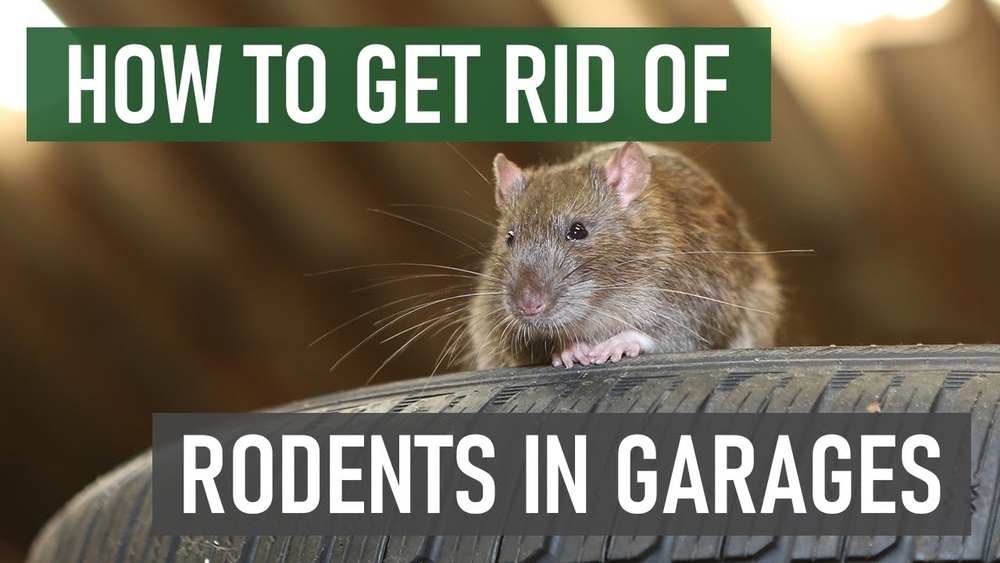
Mice in your garage can be more than just a nuisance. They chew wires, damage boxes, and even pose health risks by spreading diseases. For many homeowners, the garage is the number one entry point for mice. If you’ve seen droppings, chewed items, or even a mouse darting across the floor, it’s time to act quickly.
Getting rid of mice in your garage is possible with the right approach, even if you’ve never dealt with pests before. This guide explains step-by-step methods, practical tips, and common mistakes to avoid, so you can reclaim your garage for good.
Why Mice Like Garages
Garages offer what mice love most: food, shelter, and warmth. They often find easy access through gaps, especially in older buildings. Garages also have less foot traffic than other parts of the house, making them a safe hideout for mice.
Some common reasons why mice enter garages:
- Unsealed food or pet food storage
- Clutter (boxes, piles of newspapers, unused items)
- Openings around doors, vents, or foundation
- Stored vehicles that provide warmth
Understanding these reasons helps you target the source, not just the symptoms.
Signs You Have Mice In Your Garage
Early detection is key. Look for these signs:
- Droppings: Small, dark, and rice-shaped, usually near walls.
- Gnaw marks: On wood, cardboard, or even car wires.
- Nests: Shredded paper, fabric, or insulation in corners or boxes.
- Scratching noises: Especially at night.
- Musty smell: Mouse urine has a strong, unpleasant odor.
- Tracks: Dusty areas may show small footprints or tail marks.
If you spot any of these, it’s time for action.
How Mice Enter Garages
Mice can squeeze through holes as small as a quarter inch (about 6 mm). Here are typical entry points:
- Gaps under or around the garage door
- Cracks in walls or foundation
- Open vents or utility lines
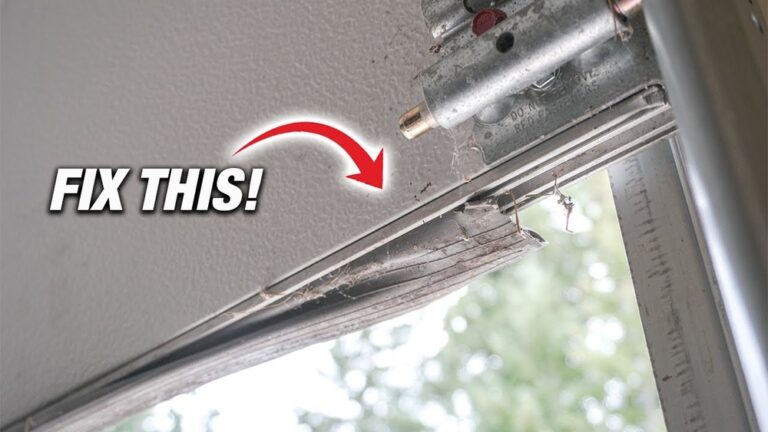
- Damaged weatherstripping
- Gaps around windows
To find these, inspect your garage inside and out during daylight, looking for light or air leaks.
Steps To Get Rid Of Mice In Your Garage
Removing mice involves several steps. Each one is important for long-term success.
1. Declutter And Clean
Mice love clutter. Start by:
- Removing piles of boxes, newspapers, or unused items.
- Storing items off the floor using shelves.
- Vacuuming droppings and cleaning surfaces with disinfectant.
- Throwing out anything that might be nesting material.
A clean garage makes it harder for mice to hide and nest.
2. Seal Entry Points
Block mice from entering:
- Use steel wool and caulk to fill small holes and cracks. Mice can’t chew through steel wool.
- For larger holes, use metal mesh or hardware cloth.
- Install or replace door sweeps on the garage door.
- Repair damaged weatherstripping.
- Seal gaps around pipes, cables, and vents.
Check your work by shining a flashlight from outside at night—if you see light coming through, so can a mouse.
3. Remove Food Sources
Mice need food to stay. Eliminate what attracts them:
- Store pet food and birdseed in sealed metal or heavy plastic containers.
- Keep garbage bins tightly closed.
- Clean up crumbs, spills, or open food packaging.
- Avoid feeding pets in the garage.
A simple change like moving food to sealed bins makes a big difference.
4. Use Traps Effectively
Traps are the most effective way to remove existing mice. There are several types:
| Trap Type | How It Works | Pros | Cons |
|---|---|---|---|
| Snap Trap | Kills instantly | Quick, reusable, affordable | Can be messy, needs frequent checks |
| Electronic Trap | Delivers electric shock | Humane, easy to clean | More expensive, needs batteries |
| Live Catch Trap | Catches without killing | No-kill solution | Mice must be released far away |
| Glue Trap | Sticks mice in place | Cheap, simple | Inhumane, not always effective |
Tips for using traps:
- Place traps along walls where mice travel.
- Use peanut butter or chocolate as bait.
- Space traps 5–10 feet apart.
- Check traps daily and reset as needed.
Many beginners make the mistake of using too few traps. Use more than you think you need for best results.
5. Consider Natural Deterrents
Some smells repel mice. While not a complete solution, natural deterrents help:
- Peppermint oil: Soak cotton balls and place near entry points.
- Used cat litter: The smell signals danger to mice.
- Ultrasonic repellents: Devices claim to emit sounds that drive mice away, but results are mixed.
Natural methods work best when combined with other steps.
6. When To Use Baits And Poison
Rodenticides (poison baits) kill mice but come with risks:
- Poisoned mice may die in hard-to-reach places, causing odor.
- Dangerous for pets and children.
- Should be a last resort if other methods fail.
If you choose poison, use tamper-resistant bait stations and follow all safety instructions.
7. Monitor And Repeat
Mice are clever and persistent. After cleaning and trapping, continue to:
- Check for new droppings or gnaw marks weekly.
- Re-seal any new holes or gaps.
- Refresh traps and deterrents as needed.
If you notice new activity after a month, repeat steps as necessary.
Credit: www.danleys.com
Common Mistakes To Avoid
Beginners often make these errors:
- Not sealing all entry points: Even one small gap lets mice return.
- Relying on one method: Traps alone or repellents alone rarely work.
- Ignoring food sources: Mice will stay if they find food.
- Not using enough traps: A single trap rarely solves an infestation.
- Delaying action: Waiting allows mice to breed and multiply.
Each mistake gives mice another chance to come back.
Professional Help: When To Call An Expert
Sometimes, a mouse problem is too big for DIY solutions. You should call a pest control professional if:
- Traps and cleaning don’t reduce activity after 2–3 weeks.
- You see multiple mice or nests.
- You find evidence of mice in your car or home, not just the garage.
- There’s a strong, persistent smell of dead mice.
Professionals have tools and knowledge for larger infestations and can provide long-term solutions.
Example: Real-life Garage Mouse Removal
Sarah noticed chewed dog food bags and droppings in her garage. She took these steps:
- Cleaned out old boxes and stored pet food in metal bins.
- Sealed cracks near the garage door with steel wool and caulk.
- Set 8 snap traps along the garage walls, baited with peanut butter.
- Checked traps daily, caught 4 mice in the first week.
- Used peppermint oil near new weatherstripping.
After two weeks, she found no new droppings. By keeping her garage clean and checking monthly, Sarah kept it mouse-free.
Data: How Fast Can Mice Multiply?
A single pair of mice can produce up to 60 offspring per year. Mice breed every 21 days. This rapid multiplication means a few mice can become a big problem quickly.
Here’s a look at how quickly a mouse problem can grow:
| Time | No. of Mice | Potential Nests |
|---|---|---|
| 1 month | 6–10 | 1–2 |
| 3 months | 20–30 | 3–5 |
| 6 months | 50+ | 10+ |
This shows why fast action is so important.

Credit: www.youtube.com
Preventing Mice From Returning
Once you remove mice, keep them out:
- Inspect your garage every month for new holes or droppings.
- Store everything in sealed containers.
- Keep the area clean and free from food crumbs.
- Maintain weatherstripping and door sweeps.
- Trim plants and shrubs near the garage to reduce hiding places.
A little effort each month saves big problems later.
Choosing The Right Solution For Your Situation
Not every garage or infestation is the same. Here’s a quick comparison to help you decide:
| Situation | Best First Step | When to Call a Pro |
|---|---|---|
| Few droppings, no visible mice | Clean, seal, set traps | If activity continues after 1 month |
| Many droppings, see live mice | Set multiple traps, clean, seal | If more than 5 mice caught/week |
| Persistent smell, car damage | Professional inspection | Immediately |
Choosing the right approach saves time and money.

Credit: mothernaturesinc.com
Frequently Asked Questions
How Do I Know If All The Mice Are Gone From My Garage?
If you stop seeing new droppings, gnaw marks, or hearing noises for 2–3 weeks, it’s a good sign the mice are gone. Keep monitoring for a few more weeks to be sure. Regular checks help catch any return early.
Are Ultrasonic Repellents Effective For Getting Rid Of Mice?
Ultrasonic repellents have mixed reviews. Some people see results, others do not. Mice can get used to the sound. Use them only as part of a larger plan, not as your main solution. For more details, see this EPA resource.
Can Mice In The Garage Get Into My House?
Yes, mice can move from the garage into the home through small gaps. Garages often share walls with the house, and mice can squeeze through tiny cracks. Sealing entry points between the garage and the house is important to keep them out.
What’s The Safest Trap To Use If I Have Pets Or Children?
Live catch traps or snap traps inside protective boxes are safest. Avoid glue traps and poison if you have pets or kids, as these can be dangerous. Always place traps where pets and children cannot reach.
How Often Should I Check Traps And Entry Points?
Check traps daily when you first set them. After you stop catching mice, check weekly for signs of new activity. Inspect entry points every month to make sure new gaps have not opened.
Getting rid of mice in your garage takes effort, but it is very possible. By cleaning, sealing, and trapping, you can solve the problem and keep your garage safe. Regular checks and fast action make sure mice do not return.
For large infestations, don’t hesitate to call a professional. With these steps, you can keep your garage mouse-free and protect your property.