
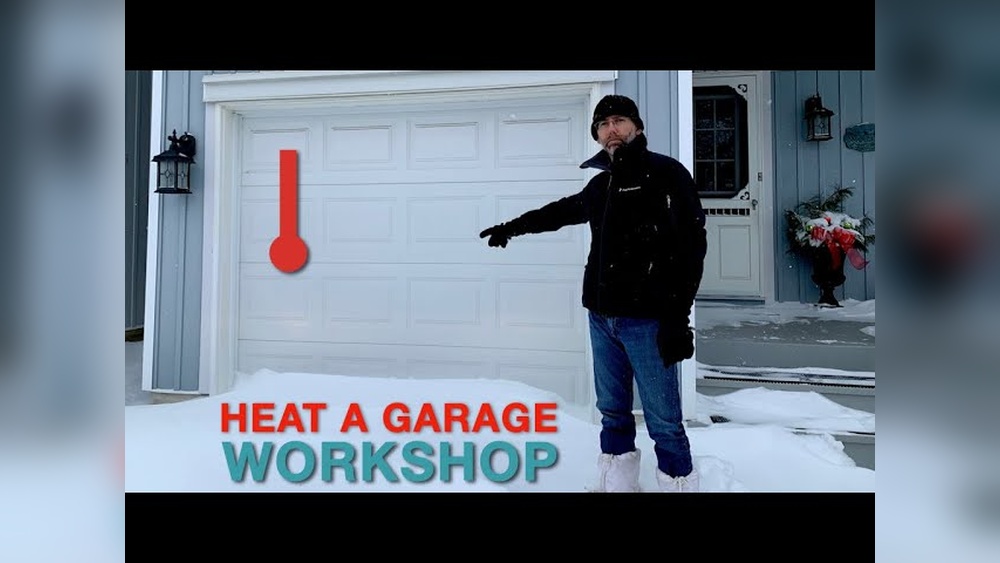
Garage Heat: The Complete Beginner’s Guide
Do you feel a chill every time you step into your garage during winter? You’re not alone. Many people use their garages for more than parking cars. They work, store tools, or enjoy hobbies there. But a cold garage can be uncomfortable and even damage items. That’s why garage heat matters. This guide will help you understand how to heat your garage, what options you have, and how to do it safely and efficiently.
Why Heat Your Garage?
Heating your garage brings several real benefits:
- Comfort: A warm garage lets you work or relax any time.
- Protects belongings: Tools, paint, and electronics can be ruined by freezing temperatures.
- Energy savings: A heated garage acts like a buffer, reducing home heat loss.
- Increases home value: Buyers see a heated garage as a plus.
Many beginners miss that a cold garage can lead to condensation, rust, and even frozen pipes. Also, if your garage connects to your house, cold air can seep inside, making your furnace work harder.
Key Factors Before You Heat
Before choosing a heating solution, check these points:
- Garage size: Measure the length, width, and ceiling height.
- Insulation: Is your garage insulated? If not, heat will escape fast.
- Power supply: Do you have gas lines or just electricity?
- Usage: Do you stay in the garage for hours, or just pop in and out?
- Ventilation: Good airflow is important for safety.
Example: Measuring Garage Size
If your garage is 20 feet by 20 feet with an 8-foot ceiling:
- 20 x 20 x 8 = 3,200 cubic feet
This number helps you pick the right heater size.
Main Types Of Garage Heaters
There are several heater types for garages. Each has strengths and weaknesses.
1. Electric Garage Heaters
Electric heaters are easy to use and install. They just need a power outlet.
- Pros: Safe, low maintenance, no fumes.
- Cons: Higher electricity cost over time.
Common types:
- Fan-forced heaters: Blow warm air across the garage.
- Infrared heaters: Warm objects and people directly.
2. Gas And Propane Heaters
Gas heaters are powerful and heat large areas fast. They use natural gas or propane.
- Pros: Lower fuel cost, strong heat output.
- Cons: Need proper ventilation, more installation steps.
Direct-vent models pull fresh air from outside and vent fumes out. Unvented models are cheaper but can cause air quality issues if not used carefully.
3. Portable Heaters
These include kerosene or small electric units. They’re good for quick, temporary heat.
- Pros: No installation, move them where needed.
- Cons: Less powerful, sometimes noisy, need refilling.
4. Ductless Mini-split Heat Pumps
This system both heats and cools. It’s an efficient option for attached garages.
- Pros: Year-round use, quiet, energy-efficient.
- Cons: Higher upfront cost, needs professional install.
5. Radiant Floor Heating
Heats from the ground up, keeping feet warm.
- Pros: Silent, even heat.
- Cons: Expensive to install, best for new builds.
Comparing Garage Heater Types
Here’s a quick comparison to help you decide:
| Heater Type | Best For | Upfront Cost | Operating Cost | Installation |
|---|---|---|---|---|
| Electric | Small/medium garages | Low to medium | High | Easy (DIY) |
| Gas/Propane | Large garages | Medium | Low to medium | Professional |
| Portable | Temporary heat | Low | Medium | None |
| Mini-Split | All sizes | High | Low | Professional |
| Radiant Floor | New builds | Very high | Low | Professional |

Credit: www.nyeia.com
How To Choose The Right Garage Heater
Picking the best heater is not just about price. Think about:
- Garage size: Larger spaces need more heat.
- Climate: Colder areas require stronger heaters.
- How often you use the garage: For daily use, invest in a reliable system.
- Budget: Factor in both purchase and running costs.
- Safety: Some heaters need proper venting.
Example: Sizing Your Heater
Heater size is measured in BTUs (British Thermal Units) or watts. Here’s a simple rule:
- For a 2-car garage (400 sq ft), you need about 9,000–12,000 watts or 20,000–30,000 BTUs.
If your garage is poorly insulated or in a very cold area, go higher.
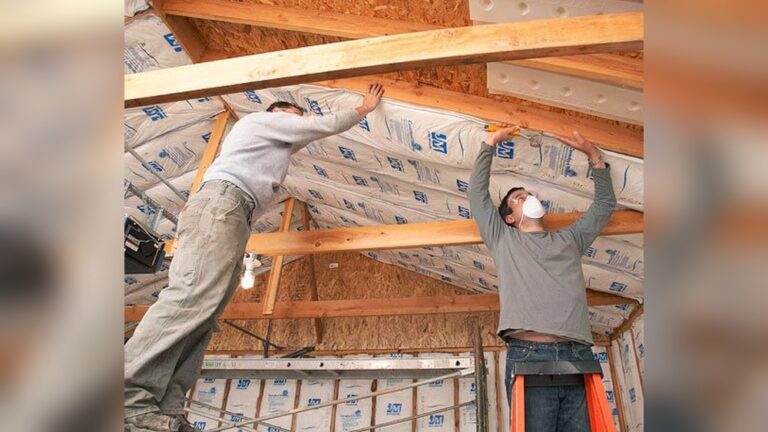
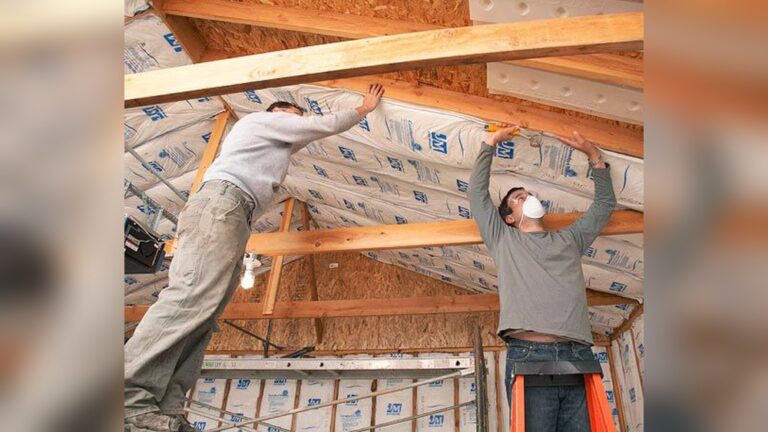
Insulation: The Most Overlooked Step
Many beginners skip insulation and waste money on heating. Insulation keeps heat in and cold out. Focus on:
- Walls and ceiling: Use fiberglass batts or foam boards.
- Garage door: Add an insulated door or DIY insulation kit.
- Weatherstripping: Seal gaps around doors and windows.
Tip: Insulating before heating can cut energy use by up to 30%.

Credit: www.youtube.com
Installation Tips And Safety
Safety is key when adding heat to your garage.
- Follow instructions: Read the manual for your heater.
- Keep clear space: Don’t block the heater with boxes or cars.
- Install carbon monoxide detectors: Crucial for gas or propane heaters.
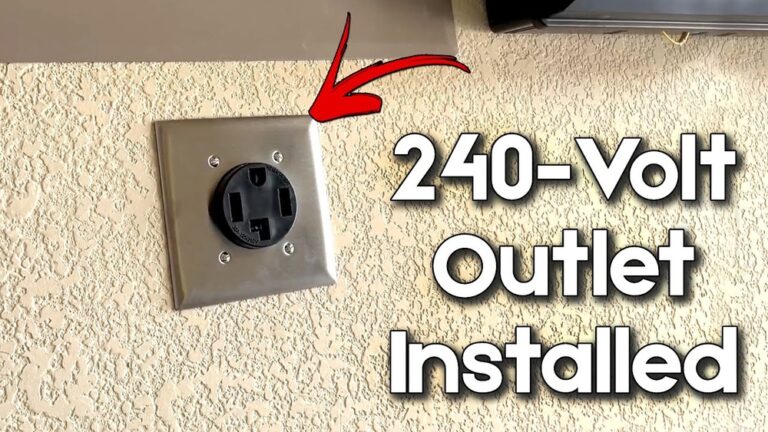
- Check your wiring: Make sure your electrical system can handle the extra load.
- Ventilate properly: Fresh air is important, especially with fuel-burning heaters.
Pro insight: Never use a stove or home oven to heat your garage. It’s unsafe and can cause carbon monoxide poisoning.
How Much Does Garage Heat Cost?
Let’s look at real numbers for a typical 2-car garage.
| Heater Type | Average Purchase Price | Estimated Monthly Cost |
|---|---|---|
| Electric Heater | $100–$400 | $40–$100 |
| Gas Heater | $400–$800 | $20–$60 |
| Mini-Split Heat Pump | $1,500–$3,000 | $10–$30 |
| Portable Heater | $50–$150 | $30–$80 |
Note: Prices and costs can vary by region and energy rates.

Credit: www.warmup.com
Energy Efficiency And Saving Money
To keep costs low, try these practical steps:
- Only heat when needed: Use a timer or smart thermostat.
- Close garage doors quickly: Don’t let warm air escape.
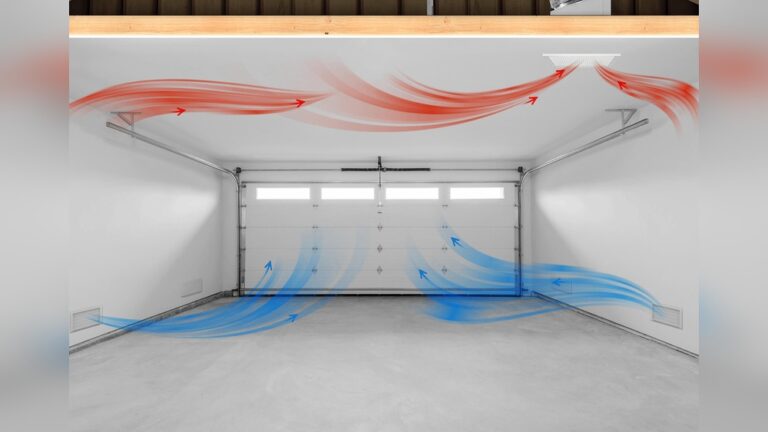
- Use a ceiling fan: Push warm air down to your level.
- Zone heating: Only heat the area you use.
- Regular maintenance: Clean filters and check for leaks.
Hidden tip: For quick jobs, use a portable radiant heater. It warms people, not air, so you feel heat instantly.
Common Mistakes To Avoid
Avoid these beginner errors:
- Ignoring insulation: Heating an uninsulated garage is like heating the outdoors.
- Oversizing the heater: Too big wastes energy and money.
- Bad placement: Don’t put heaters near flammable items.
- Skipping ventilation: This can be dangerous with gas heaters.
- Using the wrong heater: Not all heaters are made for garages—choose models rated for garage use.
Real-world Example: Heating A Workshop Garage
Mark turned his cold, attached garage into a year-round workshop. Here’s what he did:
- Added R-13 insulation to walls and ceiling.
- Installed a 6,000-watt electric heater for fast heat.
- Used weatherstripping to seal gaps.
- Added a carbon monoxide detector for safety.
Result: His garage now stays above 55°F even during winter, and his electric bill only went up by $30/month. He can work on projects any day of the year.
Advanced Options For The Future
If you want more than basic heat, consider:
- Smart thermostats: Control garage temperature from your phone.
- Solar panels: Offset heating costs with renewable energy.
- Heated garage floors: Luxury and comfort, but expensive to add later.
Frequently Asked Questions
What Size Heater Do I Need For My Garage?
Most 2-car garages need a 20,000–30,000 BTU heater or 9,000–12,000 watt electric heater. But it depends on insulation and climate. Measure your garage and check the heater’s coverage area before buying.
Is It Safe To Use A Space Heater In My Garage?
Yes, if you use a garage-rated space heater. Always keep it away from flammable items, don’t leave it unattended, and install a carbon monoxide detector if it burns fuel.
Can I Heat My Garage Without Insulation?
You can, but it’s wasteful. Heat escapes quickly, so your heater will run more and cost more. Add at least basic insulation to walls and doors for better results.
What Is The Cheapest Way To Heat A Garage?
If you need occasional heat, a portable propane or electric heater is cheapest up front. For regular use, insulate first, then use a small electric heater or mini-split for lower monthly bills.
Where Can I Learn More About Garage Heating Safety?
For more safety guidelines, visit the U.S. Consumer Product Safety Commission.
A warm garage can transform your cold, unused space into a comfortable, practical part of your home. Start with insulation, choose the right heater for your needs, and always put safety first. With the right setup, your garage will be a place you enjoy all year long.