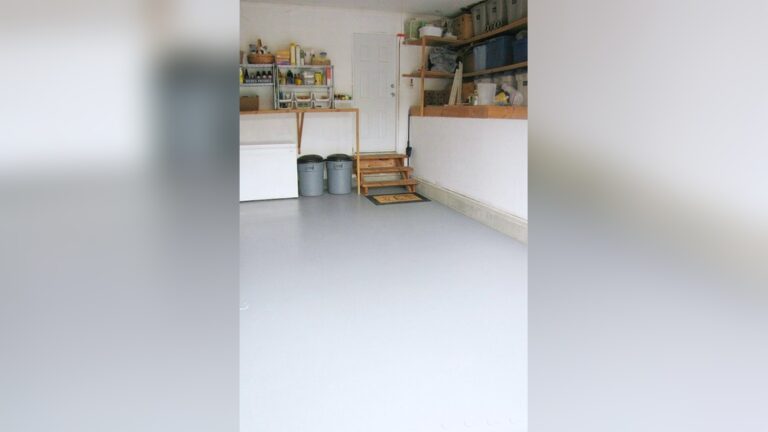

Keeping your epoxy coated garage floor clean isn’t just about looks. It protects your investment, makes your garage safer, and helps the coating last longer. Many people think epoxy floors are maintenance-free, but regular cleaning is still important. If you’re new to epoxy floors or have just installed one, you may wonder how to keep it spotless without damaging the surface. Here’s a complete, beginner-friendly guide to cleaning epoxy coated garage floors effectively and safely.
What Makes Epoxy Garage Floors Special?
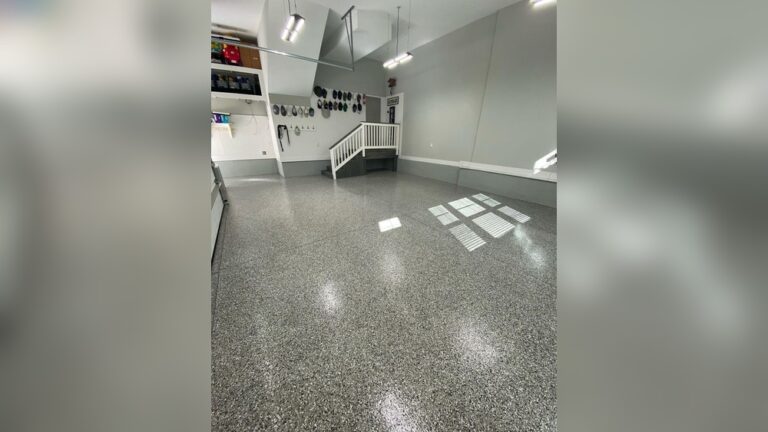
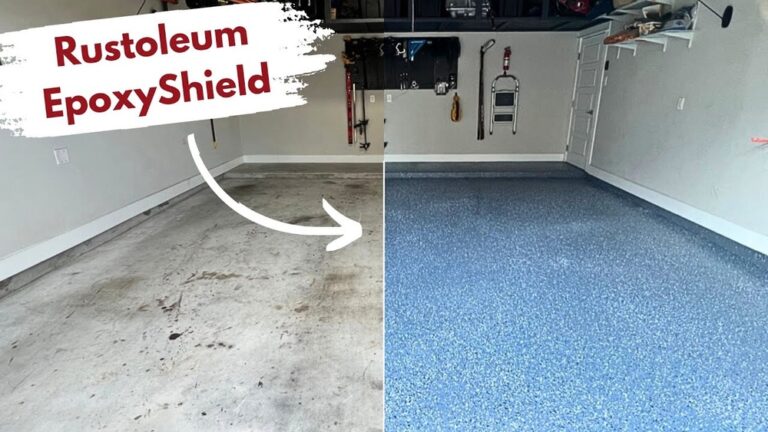
Epoxy garage floors are different from plain concrete. Epoxy is a type of resin that forms a hard, shiny surface. This surface is resistant to stains, chemicals, and scratches. It’s also less likely to chip or crack compared to paint or bare concrete.
Key benefits of epoxy floors:
- Durable: Withstands cars, tools, and heavy items.
- Stain-resistant: Oil, grease, and chemicals are easy to wipe up.
- Low maintenance: Needs less care than uncoated concrete.
- Attractive finish: Shiny, bright, and modern look.
But this tough surface still needs proper cleaning. Wrong methods or harsh chemicals can dull the shine or cause damage.
Why Regular Cleaning Matters
Even though epoxy is strong, dirt, dust, and chemicals can build up over time. If not cleaned, these can:
- Make the floor slippery and unsafe.
- Cause tiny scratches that dull the shine.
- Lead to stains if spills are left too long.
Quick fact: Most manufacturers recommend cleaning epoxy garage floors at least once a week for homes with regular use, and after any major spill or project.
Essential Cleaning Tools And Supplies
Choosing the right tools is important to avoid scratching or wearing down the epoxy. Here’s what you need:
| Tool/Supply | Purpose | Notes |
|---|---|---|
| Soft-bristle broom | Sweeping dirt and dust | Avoid stiff bristles |
| Dust mop (microfiber) | Picking up fine particles | Best for regular cleaning |
| Mop and bucket | Washing the surface | Use soft mop heads |
| pH-neutral cleaner | Removing stains and spills | Do not use acidic or alkaline cleaners |
| Clean water | Rinsing | Change water often |
| Paper towels/rags | Wiping up spills | Use lint-free if possible |
Pro tip: Avoid using steel wool, abrasive brushes, or strong chemicals. These can scratch or dull the epoxy.
Step-by-step Guide: How To Clean Epoxy Coated Garage Floors
Let’s break down the cleaning process into easy, clear steps. Even beginners can follow these with confidence.
1. Remove Loose Dirt And Debris
- Use a soft-bristle broom or a dust mop.
- Sweep the entire floor, paying extra attention to corners.
- For garages with heavy dust, a shop vacuum (with a soft brush attachment) can help.
Example: After a weekend project, sweep up wood shavings, dirt, or sand before mopping.
2. Spot Clean Spills Immediately
- Wipe up oil, paint, or any liquid with a paper towel or clean rag.
- For sticky spots, use a damp cloth with mild soap.
- Rinse the area with clean water and dry with a towel.
Why act fast? Epoxy resists stains, but long-term exposure to harsh chemicals or oils can still discolor the finish.
3. Mop The Floor
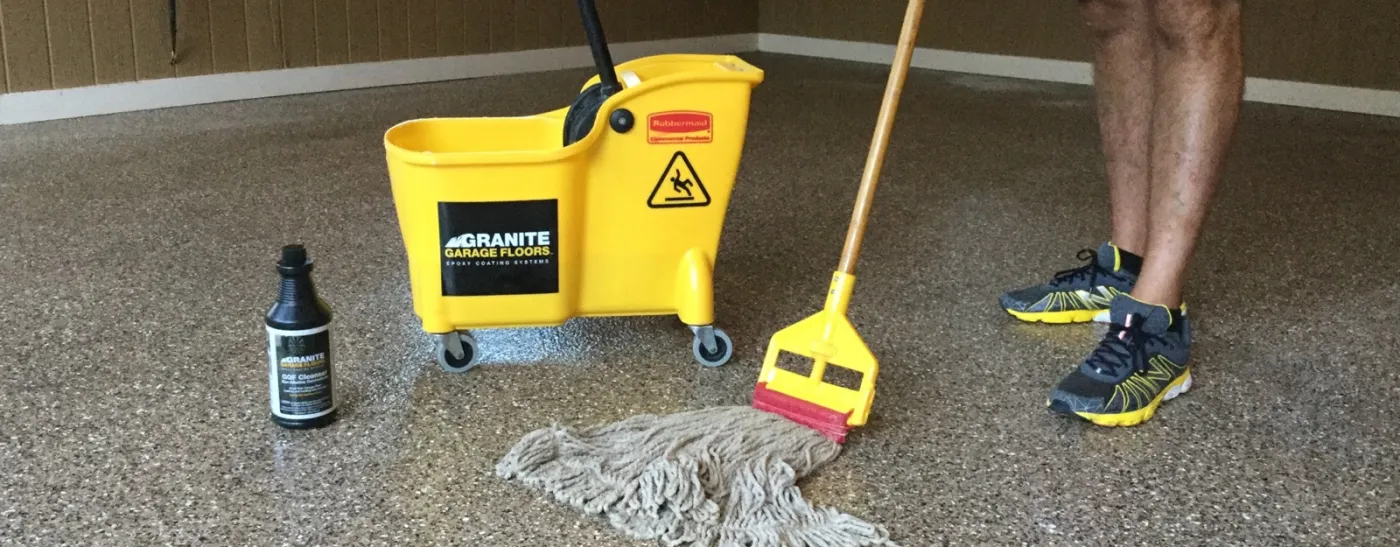
- Fill a bucket with warm water and add a small amount of pH-neutral cleaner. Follow the label instructions.
- Dip a soft mop in the solution and wring out excess water.
- Mop the floor in small sections.
- Rinse the mop often and change water if it gets dirty.
- After mopping, go over the floor with clean water to remove any soap residue.
Helpful hint: Too much soap can leave a hazy film. Less is better.
4. Dry The Surface
- Use a clean, dry mop or towels to remove extra water.
- Let the garage air dry with the door open for faster results.
- Avoid letting water pool, as this can cause slipping or leave marks.
Non-obvious tip: Water spots can dull the shine if not dried quickly, especially in humid climates.
5. Deep Cleaning (monthly Or Seasonally)
- Move items off the floor if possible.
- Repeat the normal cleaning steps, but let the cleaner sit for 2-3 minutes on tough stains.
- Use a soft nylon brush for spots that need extra attention.
- Rinse well and dry completely.
Data point: For garages used daily, deep cleaning every 2-3 months is ideal.
What To Avoid: Common Mistakes
Beginners often make errors that can shorten the life of an epoxy floor. Here are the most frequent mistakes and how to avoid them:
- Using harsh chemicals: Bleach, ammonia, vinegar, and acidic cleaners can break down the epoxy.
- Scrubbing with abrasive pads: Steel wool or stiff brushes scratch the surface.
- Letting spills sit: Even though epoxy is resistant, some chemicals can stain if left for days.
- Power washing too close: High-pressure water can chip the coating if held too near.
- Skipping rinsing: Soap left behind can make the floor slippery and dull.
How Epoxy Floors Compare To Other Garage Floor Types
If you’re curious how epoxy holds up against other garage flooring options, here’s a quick comparison:
| Floor Type | Maintenance Level | Stain Resistance | Durability |
|---|---|---|---|
| Epoxy Coating | Low | High | Very High |
| Bare Concrete | Moderate | Low | High |
| Vinyl Tiles | Low | Medium | Medium |
| Painted Concrete | High | Low | Low |
Insight: Epoxy floors require less maintenance and offer better protection than most alternatives.
Credit: www.youtube.com
Practical Tips For Long-lasting Shine
To keep your epoxy coated garage floor looking its best for years:
- Use mats or rugs near doors to catch dirt and grit.
- Place trays under cars if they tend to leak oil or fluids.
- Avoid dragging heavy items across the floor—lift or use wheels.
- Do not use tire chains or spiked shoes on the surface.
- Reapply a thin coat of epoxy or a compatible sealer every few years for extra shine and protection.
Example: Many car owners use garage mats under the engine area. This catches leaks and prevents stains.
Dealing With Tough Stains
Some stains need special treatment. Here’s how to tackle common stubborn stains:
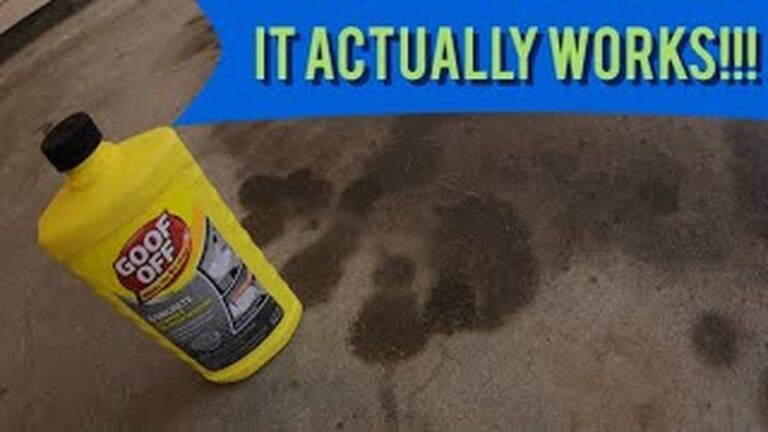
Oil And Grease
- Sprinkle baking soda or cornstarch to absorb fresh spills.
- Sweep up after 30 minutes.
- Clean with a damp cloth and mild cleaner.
Rust Stains
- Use a soft brush and a solution of water and gentle dish soap.
- Do not use acidic rust removers; they can damage the epoxy.
Tire Marks
- Use a pH-neutral degreaser.
- Scrub lightly with a soft nylon brush.
- Rinse well.
Important: Never use citrus-based cleaners. They may contain acids that dull epoxy finishes.
Credit: xtremepolishingsystems.com
Seasonal Cleaning Advice
Climate changes can affect your garage floor care routine:
- Winter: Salt and de-icing chemicals can leave white residue. Mop with warm water and rinse well.
- Spring/Fall: Pollen and dust are common. Sweep more often and mop as needed.
- Summer: Watch for oil leaks after long road trips, as heat can make tires sweat and leave marks.
Non-obvious tip: In snowy regions, wash off salt and sand as soon as possible to prevent long-term dulling.
How To Prevent Damage
Prevention is easier than repair. Here’s how to keep your epoxy floor in top shape:
- Place rubber pads under stands, jack lifts, and heavy machinery.
- Use only water-based or pH-neutral cleaners.
- Clean up paint, battery acid, and brake fluid immediately.
- Avoid parking hot tires from a long drive directly on the floor—let them cool for 30 minutes first.
Why wait for tires to cool? Hot tires can cause “hot tire pickup,” where the tire’s heat softens the epoxy and causes peeling.
Credit: granitegaragefloors.com
When To Recoat Or Repair
Epoxy floors last 5–10 years with good care. Watch for these signs that it’s time to recoat or repair:
- Large dull or worn patches
- Peeling or flaking spots
- Deep scratches or gouges
If you see these, consult a professional for advice. Most small repairs can be done with a DIY epoxy patch kit, but large areas may need a new coat.
Data point: According to the Epoxy Flooring Association, recoating every 5–7 years is common for homes with high traffic.
The Cost Of Neglect
Ignoring regular cleaning and care can be expensive:
| Neglect Issue | Possible Result | Estimated Repair Cost |
|---|---|---|
| Long-term oil stains | Permanent discoloration | $200–$500 for spot repair |
| Ignored scratches | Dull, rough surface | $300–$800 for recoating |
| Water left standing | Surface haze or peeling | $500–$1,500 for repair |
Insight: Spending a few minutes a week cleaning can save hundreds of dollars in repair costs.
Frequently Asked Questions
How Often Should I Clean My Epoxy Coated Garage Floor?
For best results, sweep or dust mop at least once a week. Mop monthly or after major projects. Clean up spills immediately to avoid stains.
Can I Use A Pressure Washer On Epoxy Floors?
You can use a pressure washer, but keep the nozzle at least 2 feet away from the surface and use the lowest pressure setting. Avoid focusing on one spot for too long.
What Is The Best Cleaner For Epoxy Garage Floors?
A pH-neutral cleaner is best. Avoid acidic or alkaline cleaners. Mild dish soap mixed with water is a safe option for most cleaning needs.
Will Regular Cleaning Damage The Epoxy Coating?
No. Regular cleaning with the right tools and cleaners will not harm the epoxy. In fact, it helps keep the floor looking new and prevents scratches.
Where Can I Find More Information About Epoxy Floor Care?
For more details and advanced tips, visit the Epoxy Wikipedia page.
Keeping your epoxy coated garage floor clean is simple if you follow these basic steps. Use gentle tools and cleaners, act quickly on spills, and avoid common mistakes. With regular care, your floor will stay shiny, bright, and safe for years to come. Even beginners can achieve professional-looking results with just a little time and attention.