
Garage doors are a key part of every home with a garage. They protect your car, tools, and things you store. They also help with security and energy savings. For many people, the garage door is the main entrance to the house.
Choosing the right one can make your life easier and your home safer.
Many homeowners do not know there are different types, materials, and features for garage doors. Picking the wrong one can cause problems like high repair costs or less security. This guide will help you understand garage doors from the basics to important buying tips.
If you are a beginner or just want a clear explanation, this article is for you.
Types Of Garage Doors
Garage doors come in many styles. Each type has its own opening method, space needs, and cost. Knowing these helps you pick the best one for your home.
Sectional Garage Doors
- Most common in the US.
- Made of 4-6 horizontal panels.
- Panels move up and rest under the ceiling.
- Good for most homes.
Pros:
- Space-saving
- Reliable and strong
- Easy to add insulation
Cons:
- Needs ceiling space
- More moving parts to maintain
Roll-up Garage Doors
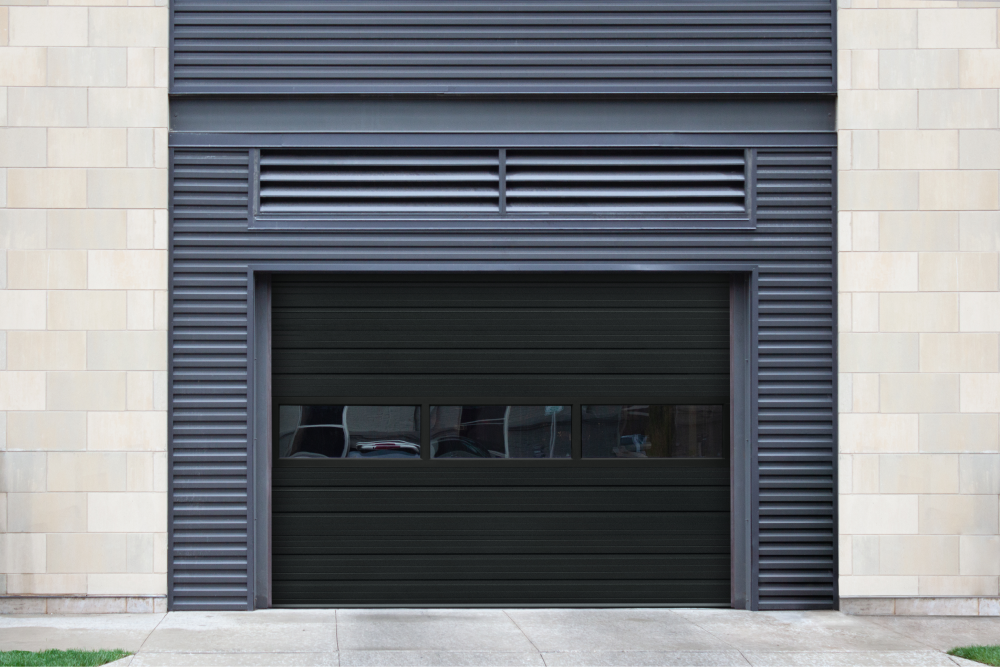
- Common in commercial settings, but some homes use them.
- Made of small slats that roll into a coil above the door.
- Great for tight spaces.
Pros:
- Durable
- Works in small garages
Cons:
- More expensive
- Not as stylish
Side-hinged Garage Doors
- Doors open outwards like regular doors.
- Often made of wood or metal.
Pros:
- Simple mechanics
- Easy to repair
Cons:
- Needs space outside to open
- Less common in new homes
Tilt-up/up-and-over Garage Doors
- One solid panel tilts up and out.
- Simple design, but needs space in front to open.
Pros:
- Simple and affordable
- Easy to use
Cons:
- Needs clear space in front
- Not as energy efficient
Slide-to-the-side Garage Doors
- Doors slide along the garage wall.
- Good for garages with low ceilings.
Pros:
- No ceiling space needed
- Good for special garage layouts
Cons:
- Takes up wall space
- Less common, so harder to find parts
Garage Door Materials
Material affects looks, price, durability, and maintenance. Each material has strengths and weaknesses.
| Material | Durability | Maintenance | Price Range |
|---|---|---|---|
| Steel | High | Low | $$ |
| Wood | Medium | High | $$$ |
| Aluminum | Medium | Low | $$ |
| Fiberglass | Medium | Low | $$ |
| Vinyl | High | Low | $$ |
Steel
Steel garage doors are popular because they are strong and can last many years. They come in many colors and styles. Some have insulation for better energy savings.
- Rust can be a problem in wet climates.
- Best for busy families who want low upkeep.
Wood
Wood garage doors look beautiful and classic. Many custom designs are possible.
- Needs painting or staining every few years.
- Not good for wet or humid areas because of rotting.
Aluminum
Aluminum garage doors are light and will not rust. They are good for homes near the ocean.
- Can dent easily.
- Good for modern looks.
Fiberglass
Fiberglass doors can look like wood but need less care. They handle salty air well.
- Can fade in strong sunlight.
- Not as strong as steel.
Vinyl
Vinyl doors are tough and do not rust or dent easily. Good for families with kids.
- Fewer style choices.
- Higher price, but lower upkeep.
Key Features To Consider
Choosing a garage door involves more than style and material. Here are the most important features for beginners:
Insulation
Insulated doors help keep your garage cooler in summer and warmer in winter. This saves energy, especially if your garage is attached to your house.
- Look for the R-value (higher is better).
- Can reduce noise from outside.
Security
A strong door and good lock keep your home safe.
- Choose steel or solid wood for best protection.
- Modern doors have smart locks and rolling code openers.
Windows
Some garage doors have windows. They let in light and improve style.
- Can reduce privacy.
- Double-glazed windows save energy.
Automatic Openers
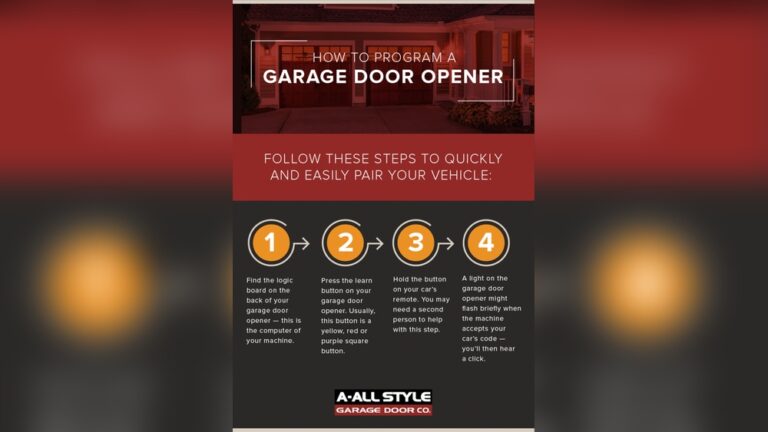
Most people use automatic garage door openers. These help you open the door with a remote or phone.
- Look for safety features like auto-reverse.
- Battery backup is helpful during power outages.
Safety Features
New garage doors must have safety sensors. These stop the door if something is in the way.
- Prevents injury to pets and children.
- Check safety sensors every few months.
Garage Door Sizes
Garage doors come in standard sizes, but custom sizes are also possible. Measure your garage opening before buying.
| Type | Width | Height | Common Use |
|---|---|---|---|
| Single Car | 8-9 ft | 7-8 ft | One car garage |
| Double Car | 16 ft | 7-8 ft | Two car garage |
| RV/Boat | 10-12 ft | 10-14 ft | Large vehicles |
- Always measure width and height at the opening.
- Allow extra space for tracks and hardware.
Cost Of Garage Doors
Garage door prices vary by material, size, style, and features. Here is a quick cost overview:
- Basic single steel door: $500 – $1,200
- Custom wood door: $1,500 – $4,000
- Automatic opener: $200 – $600 extra
- Installation: $200 – $500
Tip: Installation by a pro is safer. DIY can be risky due to heavy springs.
Example
A homeowner in Texas chose a 16 ft double steel door with insulation and windows. Total cost with installation: $2,300.
Garage Door Maintenance
Good maintenance can extend the life of your garage door.
- Lubricate moving parts every 6 months.
- Check balance by stopping the door halfway. It should stay still.
- Inspect weather seals and replace if worn.
- Clean the door to prevent dirt and rust.
Common beginner mistake: Ignoring small noises or slow movement. These are often early signs of problems.
Energy Efficiency
An insulated garage door can lower your energy bills, especially for attached garages.
- Look for doors with polyurethane insulation for best results.
- Weatherstripping keeps out drafts.
Non-obvious insight: Heat loss from the garage can raise costs for rooms above or next to the garage.
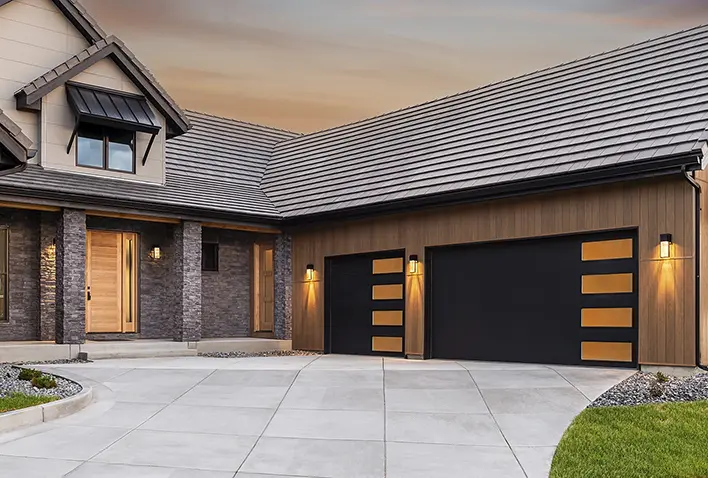
Garage Door Styles And Curb Appeal
The style of your garage door can change the whole look of your house.
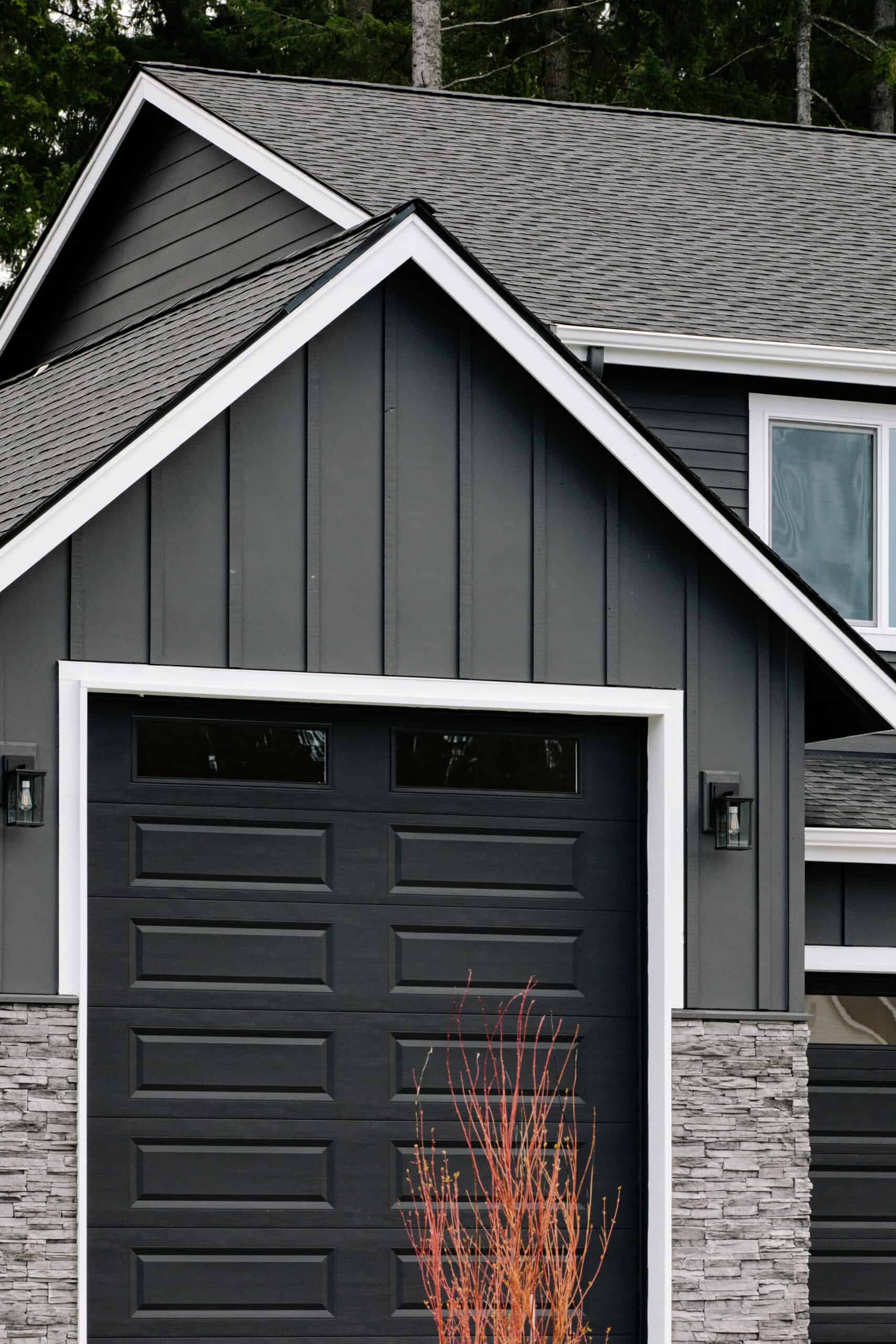
- Traditional: Raised panels, classic colors
- Carriage House: Looks like old barn doors, often has windows
- Contemporary: Sleek lines, glass panels
Home value tip: A stylish garage door can add up to 4% to your home’s value, according to real estate studies.
Credit: www.clopaydoor.com
Diy Vs. Professional Installation
Some people want to install their own garage door to save money. However, garage doors are heavy and springs are dangerous.
- Professional installation: Safer, comes with warranty, faster
- DIY installation: Cheaper, but risky and may void warranty
Beginner insight: Many accidents happen from trying to adjust garage door springs at home.
Common Garage Door Problems
Even the best garage doors need repairs sometimes. Here are the most frequent issues:
- Door won’t open/close: Check remote batteries, power, or sensors.
- Loud noises: Usually needs lubrication or parts replaced.
- Door off track: Can be dangerous; call a pro.
- Broken springs: Do not attempt DIY repair.
Tip: Regular checks can prevent most problems.
Credit: belcofp.com
Smart Garage Doors
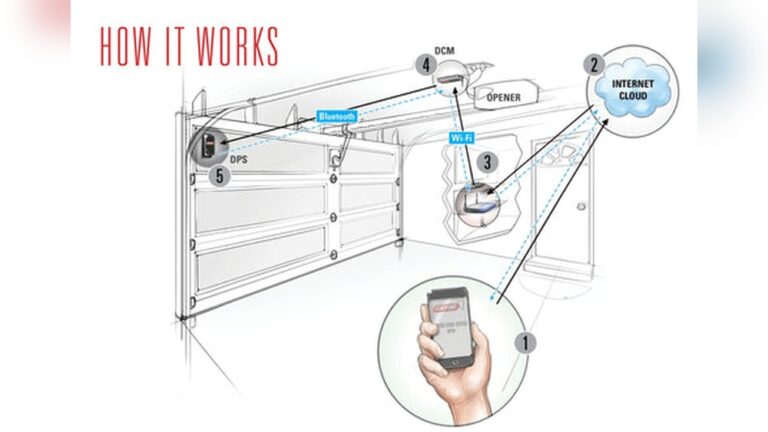
Modern garage doors can connect to Wi-Fi. You can open or close your door from your phone.
- Key features: Remote access, alerts, guest access codes
- Popular brands: Chamberlain, LiftMaster, Genie
Security fact: Smart doors with rolling codes are harder for thieves to hack.
Comparing Garage Door Openers
Choosing an opener matters for noise, speed, and price.
| Opener Type | Noise Level | Price | Best For |
|---|---|---|---|
| Chain Drive | High | $ | Detached garages |
| Belt Drive | Low | $$ | Attached garages |
| Screw Drive | Medium | $$ | Warm climates |
| Direct Drive | Very Low | $$$ | Quiet needs |
Beginner tip: Belt drives are quieter but cost more. Chain drives are loud but cheap.
When To Replace Your Garage Door
Garage doors last 15-30 years with good care. Here are signs you need a new one:
- Door is warped, cracked, or rusted
- Makes loud noises even after repairs
- Lacks safety features
- Curb appeal is outdated
Non-obvious insight: Upgrading your garage door can lower home insurance if it’s impact-rated.
Environmental Impact
Modern garage doors are more eco-friendly. Here’s how:
- Insulation saves energy
- Many doors use recycled steel or aluminum
- Low-VOC paints are safer for your family
Tip: Ask for energy ratings and recycled content when you shop.
Credit: www.chiohd.com
Final Thoughts
A garage door is more than just a door. It protects, saves energy, and adds style to your home. By understanding the types, materials, and features, you can pick the best one for your needs and budget. Do not rush your choice—measure carefully, compare materials, and think about future needs. For more in-depth technical details, you can visit the Wikipedia page on garage doors.
Frequently Asked Questions
What Is The Best Material For Garage Doors?
The best material depends on your needs. Steel is strong and low-maintenance. Wood looks classic but needs more care. Aluminum is good for coastal areas. For most people, steel offers the best balance of price, durability, and style.
How Often Should I Service My Garage Door?
Most experts suggest a yearly service. Lubricate moving parts every 6 months. Test safety sensors monthly. Regular checks prevent costly repairs and keep your door safe.
Can I Paint My Garage Door?
Yes, you can paint most garage doors. Use exterior paint for best results. Clean the surface first and follow the paint maker’s instructions. Some materials like vinyl or fiberglass need special paint.
How Do I Choose The Right Size Garage Door?
Measure the width and height of your garage opening. Standard sizes fit most homes, but custom sizes are available. Always allow for extra space for tracks and hardware.
What Should I Do If My Garage Door Won’t Open?
Check the remote batteries and power supply first. Make sure nothing blocks the sensors. If the door is off track or springs are broken, call a professional. Do not try to force the door open.
A garage door is a big investment. With the right information, you can choose one that will last for years and make your home safer and more comfortable.