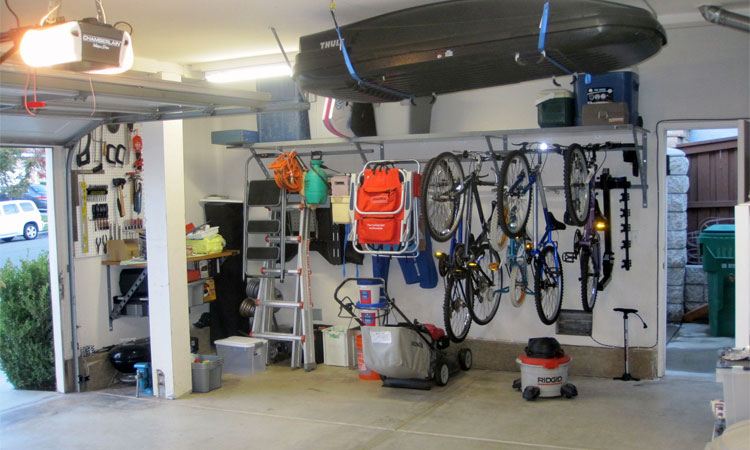
The best garage paint ideas combine practical colors, durable finishes, and easy care. White, light gray, beige, and soft blue can brighten garage walls. Charcoal and medium gray work well for floors and lower walls. Choose paint based on the surface, moisture, traffic, and how you use your garage.
Across the United States, a garage may serve as a place to park a pickup truck, store lawn tools, work on home projects, or keep bikes ready for weekend rides. It often holds more than cars. Yet many garages have plain walls, dark corners, and worn floors that make the space feel less useful. A fresh coat of paint can help turn this everyday room into a cleaner, brighter, and more inviting part of your home.
The right garage paint color depends on your needs. A family garage may benefit from light walls that make it easier to find sports gear. A home workshop may need a bright wall color near the workbench. A garage used for car care may look better with a darker lower wall that hides some everyday marks. Floors also need special care because ordinary wall paint is not designed to handle hot tires, vehicle traffic, or heavy tools.
This guide covers garage paint ideas for walls, floors, ceilings, doors, cabinets, and work areas. It also explains how to match colors, choose suitable paint, prepare each surface, and avoid common mistakes. The goal is simple: create a garage that looks good and works well without spending money on paint that does not suit the job.
Source: bahrainthisweek.com
1. Choose the Right Garage Wall Paint Color
Light and neutral colors are reliable starting points for garage walls. Many garages have limited windows, dark corners, and large storage units. A pale wall color can make the room feel more open and help spread light from ceiling fixtures. White, warm gray, pale beige, and soft greige are easy to pair with shelves, cabinets, and tool storage.
The best shade also depends on the condition of your walls. A spotless new garage can look sharp with bright white paint. An older garage with scuffs and marks may be easier to maintain with a medium-light gray or beige. Choose a washable interior coating suitable for the wall material, and use a compatible primer when needed.
Source: borgenproject.org
White
White walls suit clean, simple garages and can make dark spaces feel brighter. A slightly warm white may feel less stark than a cool, pure white.
Light gray
Light gray works with black tools, metal shelving, wood benches, and many cabinet colors. It offers a modern look without the sharp contrast of pure white.
Beige and greige
These warm neutrals pair well with wood doors, tan storage bins, and traditional home exteriors. They can also make a garage feel less industrial.
Soft blue
Pale blue adds color while keeping the room calm and bright. Use it on the walls of a hobby area or throughout a garage with neutral flooring and cabinets.
Sage green
Muted green offers a natural look and pairs well with wood shelves, black hardware, and outdoor equipment. Keep the shade light if the garage has little daylight.
How to Make a Small Garage Look Bigger
Use a light color on the main walls and ceiling to reduce strong visual breaks. Keep large cabinets close to the wall color if you want a simple, open look. A consistent palette can make a narrow garage feel less crowded, especially when storage stays off the floor.
Do not rely on paint alone to create space. Better lighting, clear walkways, and well-planned storage often make a greater practical difference than choosing between two similar shades of white.
Keep the palette simple
Choose one main wall color, one ceiling color, and one or two accent colors.
Use color with purpose
Reserve bold colors for a workbench wall, a storage unit, or a small feature area.
Should Garage Walls Be Glossy or Matte?
A washable eggshell or satin finish is often a useful choice for garage walls. These finishes can be easier to wipe than a flat finish while producing less glare than high-gloss paint. A flat finish may help hide minor wall flaws, but it can be harder to clean in areas that collect grease or hand marks.
The best finish depends on the product and the wall. Check the label for cleaning guidance, recommended surfaces, and moisture limitations before choosing.
Flat or matte
Useful when hiding small surface flaws matters more than frequent washing.
Eggshell or satin
A practical balance for many finished garage walls that need regular cleaning.
Semi-gloss
Can suit trim, doors, and selected areas where easy cleaning is important, but it may highlight surface flaws.
2. Garage Paint Ideas for a Modern Look
A modern garage often uses a small set of coordinated colors rather than many competing shades. Gray, white, black, and natural wood tones can work together to create a neat, organized appearance. The key is to use contrast carefully so the room stays bright enough for parking, repairs, and storage.
Start with the largest surfaces. Paint the walls a neutral color, then use cabinets, doors, or a workbench wall to add contrast. If your garage is narrow or has a low ceiling, avoid covering every surface in a very dark color. Dark accents can add depth, but too much dark paint may make the room feel smaller.
Source: thejakartapost.com
White and charcoal
Pair light walls with charcoal cabinets or trim. This creates a crisp look and makes storage units stand out.
Gray and black
Use light gray walls with black shelving, hooks, and cabinet handles for a workshop-inspired style.
Greige and wood
Combine warm neutral walls with wooden worktops and natural storage accents for a softer modern look.
Navy and white
A navy accent wall can add depth behind a workbench or storage system. Keep the remaining walls light to balance the darker shade.
Create an Accent Wall Behind the Workbench
An accent wall gives a garage a focal point without requiring bold paint throughout the room. Choose the wall behind a workbench, tool board, or hobby station. A medium blue, muted green, or deeper gray can help define the work area.
Before painting, decide where shelves and equipment will sit. There is little benefit in painting a large feature if cabinets will cover most of it. Use a finish suitable for the wall material, and avoid painting surfaces that must remain accessible for inspection or maintenance.
For a clean workshop
Try a light gray wall with a dark accent behind the tools.
For a hobby area
Choose a muted blue or green to separate the project space from the parking area.
3. Garage Floor Paint Ideas That Balance Looks and Durability
Garage floors need a different approach from garage walls. A concrete floor may face vehicle weight, tire heat, oil drips, road salt, moisture, and dropped tools. Ordinary interior wall paint is not designed for these conditions. Choose a concrete floor coating or paint system whose label specifically permits the intended garage use.
Gray is a common starting point because it pairs well with most wall colors and storage systems. However, the right color cannot compensate for poor surface preparation or a coating that is unsuitable for the concrete. Check for moisture, old coatings, oil, and weak or dusty concrete before selecting a product.
Source: thecatholicthing.org
Light gray
Creates a bright, neutral floor that pairs well with white walls and darker cabinets. Dust may be visible, depending on its color.
Medium gray
Offers a balanced look for garages that see regular vehicle and foot traffic. It can disguise some everyday dust without hiding every mark.
Charcoal
Creates a bold, modern floor when paired with pale walls. It may make dust, pale debris, and some scratches more noticeable.
Decorative flakes
Some floor coating systems include colored flakes that create a speckled finish. Follow the system instructions for application, sealing, and slip resistance.
Epoxy, Concrete Paint, or Another Floor Coating?
The word paint is often used for several different garage floor products. Traditional concrete floor paint is generally simpler than a multi-part epoxy coating system, but performance depends on the exact formulation and preparation. Epoxy systems can provide a hard, continuous surface when properly installed, yet they can fail if moisture, contamination, or application conditions are wrong.
Other options include single-component coatings and specialized polyaspartic or polyurethane systems. These products differ in curing time, preparation needs, cost, repair methods, and resistance to sunlight. No single coating is best for every garage. Compare the full instructions and confirm that the product is suitable for your concrete and expected traffic.
Concrete floor paint
May suit a lower-demand space when the product label permits garage use. Verify its limits for tires, chemicals, and vehicle traffic.
Two-part epoxy
Can create a durable floor finish when the concrete is sound, clean, and properly prepared. It requires careful mixing and application.
Polyurethane or polyaspartic coating
May be useful when the selected system offers properties suited to the garage. Check application conditions, UV exposure limits, and professional installation needs.
How to Prepare a Concrete Garage Floor
Preparation is often the deciding factor in how well a garage floor coating performs. Remove loose dirt and debris, then clean oil and grease with a suitable cleaner. Repair defects with compatible materials and allow repairs to cure as directed. Do not coat concrete that is damp, weak, or affected by unresolved moisture problems.
Some products require mechanical grinding or another specified preparation method. Others may allow different methods. Do not assume that acid etching is always needed or that it can fix every surface problem. Follow the chosen system’s directions and safety requirements. If moisture testing, old coatings, or concrete damage presents a problem, seek advice from a qualified flooring contractor.
Check moisture
Investigate damp patches, water seepage, and persistent condensation before coating the floor.
Remove contamination
Oil, grease, wax, and loose material can prevent a coating from bonding to concrete.
Respect curing times
Follow the manufacturer’s limits for foot traffic, parking, and chemical exposure.
4. Garage Ceiling Paint Ideas for a Brighter Space
A light ceiling can help a garage feel less dark, especially when the room has few windows. White is a common choice because it works with almost any wall color and reflects light from overhead fixtures. A pale gray can also work if you prefer a softer contrast between the walls and ceiling.
Before painting the ceiling, identify the surface. Drywall, bare wood, exposed framing, and metal panels may require different primers and coatings. If the ceiling is unfinished, decide whether you want a uniform painted look or prefer to leave some structural elements visible. Never cover electrical boxes, junctions, vents, or access points that need to remain available.
Source: catholicireland.net
Bright white
Pairs well with gray walls and helps keep the ceiling visually simple.
Soft gray
Works with a modern neutral palette and may create a gentler contrast than white.
Matching walls
Can give a finished garage a consistent look when the shade is light enough for the available lighting.
Painting an Exposed Garage Ceiling
An exposed ceiling can be painted for a uniform, workshop-style appearance, but it needs careful planning. Pipes, wiring, insulation, and other services may make the work complex. Some materials should not be painted, and certain coatings can interfere with access or future repairs.
Inspect the ceiling before beginning. Protect fixtures and areas that must remain clear, and use products compatible with the actual surface. For work involving hazardous old coatings, uncertain insulation, or complex building services, consult a qualified professional before proceeding.
Plan access
Keep valves, service points, junction boxes, and inspection areas accessible.
Control overspray
Cover vehicles, tools, floors, and stored items, and use appropriate respiratory and eye protection for the chosen application method.
5. Garage Door Paint Ideas for Better Curb Appeal
The garage door can cover a large part of a home’s front exterior, so its color affects the look of the whole property. A well-chosen shade can link the garage door to the siding, trim, roof, or front door. The best option depends on the home’s exterior colors, the door material, and the neighborhood’s overall style.
For a classic home, white, cream, or a color close to the siding can create a quiet look. Gray and charcoal may suit modern homes with pale siding and dark window frames. Muted green or blue can add personality when the rest of the exterior stays simple.
Source: www.nytimes.com
Match the siding
A door close to the siding color can make the garage feel less visually dominant.
Match the trim
White or cream may work well when the home has light trim and a traditional exterior.
Use a dark accent
Charcoal or deep blue can add contrast, especially with pale siding and coordinated exterior details.
Choose a natural tone
Muted green or earthy gray can complement landscaping, stone, and wood accents.
Can You Paint a Metal or Vinyl Garage Door?
Many metal garage doors can be painted when the surface is sound and the correct preparation and primer are used. Clean the door, remove loose paint, treat rust as directed, and choose a coating suitable for the metal and outdoor exposure. Check the door manufacturer’s instructions before painting.
Vinyl and some composite doors need special care because ordinary paint may not bond well or may absorb too much heat in a darker shade. Use only products approved for the specific material. Also avoid painting weather seals, hinges, tracks, and other moving or functional parts.
Confirm the material
Identify whether the door is steel, aluminum, vinyl, wood, or a composite before choosing primer and paint.
Check dark-color limits
Some vinyl and composite doors have restrictions on dark paint colors because heat can cause distortion.
Protect moving parts
Keep paint off rollers, tracks, hinges, sensors, and weather seals unless the manufacturer specifically permits it.
6. Garage Cabinet and Storage Paint Ideas
Painting garage cabinets can make an old storage system look more coordinated without replacing every unit. White and light gray cabinets create a bright, clean appearance. Navy, forest green, and charcoal can make a strong accent when paired with lighter walls and good lighting.
The surface matters as much as the color. Wood, laminate, bare metal, and previously painted cabinets need different preparation and may require different primers. Clean away oil and dirt, remove loose paint, lightly prepare the surface as directed, and test the coating in a hidden spot before painting every cabinet.
Source: mcadvocate.com
White cabinets
Best for a bright, simple storage wall. They may show scuffs and hand marks more clearly than some darker shades.
Gray cabinets
Pair well with gray floors and black hardware. Choose contrasting wall colors if you want the cabinets to stand out.
Navy cabinets
Add depth and work well as an accent against white or pale gray walls.
Green cabinets
Offer a less common accent that pairs well with wood benches and neutral walls.
Black cabinets
Create a bold workshop look, but can make a dim garage feel darker if used across a large area.
Paint a Pegboard or Tool Wall
A painted tool wall can make a work area easier to organize. Light gray or white helps dark tools stand out, while a colored backing can create a clear boundary around the workbench. Choose a finish that suits the board material and will not interfere with the hooks or mounting system.
If the wall uses a pegboard or a rail system, plan the layout before painting. Follow the manufacturer’s installation instructions, and do not coat holes, slots, or moving components in a way that prevents the storage system from working properly.
Improve visibility
Choose a background that contrasts with the tools and supplies you store most often.
Mark work zones
Use one accent color behind the main bench and a neutral color elsewhere.
7. Garage Color Schemes That Work Together
A coordinated color scheme makes a garage feel planned rather than patched together. Start with the walls, then choose a floor color, cabinet finish, and one accent. Think about the colors already present in the garage, including the vehicle, shelves, workbench, and door.
The table below offers starting points rather than strict rules. Actual colors may look different under cool LED lighting, warm bulbs, daylight, and shade. Test samples on the surfaces where they will be used before committing to a full paint job.
Source: ctsbooks.org
Bright and simple
White walls, a light gray ceiling, a medium gray floor, and black storage hardware suit garages where brightness is the main goal.
Modern workshop
Light gray walls, charcoal cabinets, a suitable gray floor coating, and a navy accent create a defined work area.
Warm and natural
Greige walls, a cream ceiling, wood shelves, and dark metal storage accents create a softer atmosphere.
Sporty and bold
White walls with a single red or blue accent can work well for a hobby or fitness area without overwhelming the room.
Garage Color Scheme Comparison
Use this comparison to narrow down a palette based on your main goal. It does not predict exact brightness or durability because those depend on the paint, lighting, surface, and care routine.
Small or dim garage
Start with white or pale gray walls, a light ceiling, and a restrained accent color.
Busy family garage
Consider washable neutral walls and practical storage finishes that can tolerate frequent contact.
Home workshop
Use bright walls near the work area, clear task lighting, and a floor coating selected for the actual use.
Display or hobby garage
Choose a more dramatic accent, but check that it does not reduce visibility or clash with the vehicle and stored items.
How to Test Garage Paint Colors
Paint samples on separate test boards or suitable areas of the wall. View them in the morning, during the day, and at night with the garage lights on. A color that looks pale outdoors may appear darker in a windowless garage.
Look at the samples beside your cabinets, floor, and garage door. Once you find a suitable combination, record the paint color names and product details so you can buy compatible materials and touch up the same areas later.
Test under real lighting
Use the lights you plan to keep in the garage, not just daylight from an open door.
Check nearby materials
Compare samples with flooring, shelving, trim, and other large surfaces.
Buy for the surface
A wall sample can help select a color, but it does not confirm that the same product is suitable for concrete, metal, or wood.
8. How to Paint a Garage Step by Step
A successful garage painting project begins with a clear plan. Decide which surfaces need paint, identify their materials, and choose compatible products before moving tools or vehicles. Painting walls, ceilings, cabinets, and floors at the same time may save setup work, but each surface still needs its own preparation and curing time.
Read every product label before starting. Follow the instructions for temperature, ventilation, protective equipment, surface preparation, drying time, and recoating. If the garage has a gas appliance, attached living space, or other potential source of ignition, check the product’s safety requirements and arrange suitable ventilation without creating new hazards.
Source: quotesgram.com
Step 1: Clear and protect the area
Move vehicles, tools, boxes, and movable furniture out of the work zone. Cover items that cannot be moved and keep exits and required access routes clear.
Step 2: Inspect the surfaces
Look for moisture, rust, grease, loose paint, damaged drywall, and cracked or dusty concrete. Correct the underlying problem before applying paint.
Step 3: Clean and prepare
Remove dirt and loose material. Use suitable cleaning products and preparation methods for each surface, and allow it to dry as required.
Step 4: Prime where needed
Use a compatible primer for bare drywall, stained surfaces, metal, wood, or other substrates when the coating system calls for one.
Step 5: Paint from top to bottom
If the project includes the ceiling and walls, complete overhead work first, followed by walls, trim, and cabinets. Keep floor coating for the stage that avoids contamination from later work.
Step 6: Apply the recommended coats
Use the specified coverage rate, application method, and recoat interval. Do not stretch a coating beyond its recommended coverage to save material.
Step 7: Allow full curing
Dry to the touch does not always mean ready for heavy use. Wait for the product’s stated cure period before parking vehicles or placing heavy equipment on a coated floor.
How Much Paint Do You Need?
Estimate the surface area before purchasing paint. For a simple rectangular wall, multiply its width by its height. Add the areas of the walls you plan to paint, then subtract large openings such as garage doors and windows when appropriate.
Divide the total paintable area by the coverage listed on the product label to estimate the amount needed for one coat. Multiply by the planned number of coats and allow for the surface’s texture, porosity, and application method. This is an estimate, not a guarantee.
Example calculation
A wall that is 20 feet wide and 8 feet high has 160 square feet of surface area. If the chosen paint covers 350 square feet per gallon under the stated conditions, one coat would require about 0.46 gallon before allowances for openings, texture, and waste.
Keep wall and floor estimates separate
Floor coatings have different coverage rates and preparation requirements from wall paint. Use the specific product’s coverage figure for each surface.
9. Common Garage Painting Mistakes to Avoid
Most garage paint problems begin before the first coat goes on. Dust, grease, moisture, poor adhesion, and unsuitable products can lead to peeling, bubbling, or uneven coverage. A little inspection and preparation can prevent the cost and effort of doing the job again.
Take extra care with concrete floors and older buildings. Concrete may release moisture, and old coatings may not bond well with a new system. If you suspect lead-based paint in an older home, do not sand, scrape, or disturb it until you have checked the applicable safety guidance and determined the right next step.
Source: bahrainthisweek.com
Painting over dirt or grease
Contaminants can prevent paint from bonding. Clean the surface with a suitable method and let it dry as directed.
Ignoring moisture
Leaks, seepage, condensation, and damp concrete can damage a coating. Resolve the moisture source before painting.
Using wall paint on the floor
Ordinary wall paint may not withstand vehicle tires, abrasion, or floor chemicals. Choose a product specifically approved for the intended floor use.
Skipping a required primer
Bare metal, stains, or certain wall surfaces may need a compatible primer. Follow the coating system instructions.
Ignoring temperature limits
Paint may not cure or bond properly outside its permitted temperature and humidity range. Check conditions before application.
Rushing the cure
Moving cars or heavy equipment onto a floor too soon can damage the coating even if it feels dry.
Choosing color without testing
Lighting and surrounding materials affect how a color appears. Test samples before buying the full quantity.
What to Do If Garage Paint Peels
Peeling paint usually signals an adhesion problem, moisture, incompatible coatings, or inadequate preparation. First identify whether the failure is on drywall, wood, metal, or concrete. Look for water intrusion, rust, grease, chalky surfaces, or loose material before deciding how to repair it.
Do not simply paint over the damaged area. Remove failed material using a method suitable for the surface and any applicable hazardous-coating precautions. Correct the underlying cause, prepare the area, and apply a compatible primer or coating system. If the concrete floor coating is lifting over a large area or moisture remains unresolved, a flooring professional may be able to identify the cause more reliably.
Bubbling on walls
Check for moisture, heat, contamination, or application problems before repainting.
Rust under metal paint
Remove or treat corrosion according to the product instructions and use a suitable metal primer when required.
Floor coating lifting
Check for moisture, oil contamination, weak concrete, and incorrect preparation before choosing a repair.
10. Budget-Friendly Garage Paint Ideas
You do not need to paint every surface to improve a garage. Focus first on the areas that affect brightness, cleanliness, and daily use. A fresh wall coat, a tidy workbench wall, or painted cabinets may provide a visible change without the cost of a full floor coating and complete room makeover.
Before setting a budget, list the surfaces and products needed. Include primer, cleaning supplies, repair materials, rollers, brushes, masking materials, protective equipment, and any equipment rental. For floor coatings, include the cost of proper preparation and possible repairs, not just the price of the coating itself.
Source: mcadvocate.com
Paint the most visible walls
Start with the walls near the entry or workbench rather than painting hidden areas that will be covered by permanent storage.
Refresh old cabinets
A compatible cabinet coating can update usable storage units without replacing them.
Use one accent color
A small amount of bold paint can define a hobby area while keeping the rest of the palette neutral.
Improve lighting first when needed
If the garage is very dark, suitable lighting may be a more effective first step than choosing a brighter paint color alone.
Avoid shortcuts on preparation
Skipping cleaning, repairs, or required primer can lead to peeling and extra labor. Saving money on preparation may increase the cost of later repairs.
DIY Painting or Hiring a Professional?
Painting sound drywall and basic wood trim can be a manageable DIY project for someone who has the right tools and can follow product instructions. A concrete floor is a different job because moisture testing, mechanical preparation, repairs, and coating application can affect the final result.
Consider professional help if the floor has a history of coating failure, the concrete is damp or damaged, the door has complex moving hardware, or the job involves difficult overhead work. A contractor should explain the preparation method, the coating system, the cure time, and any limits on vehicle use.
DIY may fit
Simple wall painting on a sound, dry surface with clear access and manageable preparation.
Professional help may fit
Extensive floor preparation, unresolved moisture, major surface damage, complex doors, or work that presents unusual safety risks.
Frequently Asked Questions
Q
What is the best color to paint a garage?
White and light gray are practical starting points for many garages because they create a bright, neutral background. Beige and greige suit warmer interiors, while muted blue and green add color. The best shade depends on the lighting, storage, wall condition, and the look you want.
Q
Should a garage be painted white or gray?
Choose white if brightness and a clean look are your main goals. Choose gray if you prefer a softer modern style or want a neutral backdrop for black tools and metal storage. A pale gray can offer a useful balance between the two.
Q
What kind of paint should I use on garage walls?
Use an interior wall paint that is suitable for the wall material and expected conditions. A washable eggshell or satin finish may work well in many finished garages. Bare drywall, stains, metal, and other special surfaces may require a compatible primer or different coating.
Q
What is the best paint for a concrete garage floor?
The best option depends on the concrete, moisture conditions, vehicle traffic, and desired finish. Concrete floor paint, epoxy, and other specialized coatings have different preparation and performance requirements. Confirm that the product is approved for garage vehicle use and follow its full installation instructions.
Q
How can I make my garage look bigger with paint?
Use light walls and a light ceiling, keep the color palette simple, and avoid too many dark surfaces. Matching large cabinets to the walls can also reduce visual clutter. Better lighting and clear floor space will support the effect.
Q
Can I paint my garage without removing everything?
You may be able to paint in sections if you can safely move items away from the work area and protect everything that remains. However, complete access makes cleaning, preparation, and consistent coverage easier. For floor coating, the area must be clear enough for the full preparation and application process.
Q
How long should garage floor paint dry before parking a car?
There is no single waiting period for every product. Drying and full curing depend on the coating, temperature, humidity, and application conditions. Follow the manufacturer’s stated time for vehicle traffic, which may be longer than the time needed before walking on the floor.
Q
How often should garage walls be repainted?
The interval depends on the paint quality, surface preparation, moisture exposure, and amount of daily wear. Repaint when the finish becomes difficult to clean, fades noticeably, or develops widespread damage. Small scuffs can often be touched up if you have the original paint and the surface remains sound.
✦ Wrapping Up
Conclusion
The best garage paint ideas make the space brighter, easier to maintain, and more useful for everyday life. Light gray, white, beige, and soft colors work well for many walls, while charcoal and medium gray can create contrast in selected areas. A coordinated palette for the walls, ceiling, floor, cabinets, and garage door can make the whole space feel more organized.
Good results depend on more than color. Choose a coating suited to each surface, prepare it properly, and allow enough time for drying and curing. Check for moisture and damage before painting, especially on concrete floors and exterior doors. A simple color plan and careful preparation can help you avoid wasted effort and build a garage that suits your home and routine.
💡 Key Takeaway
Start by choosing two or three compatible colors, testing samples under your garage lighting, and listing the surfaces that need paint. Then select the correct coating for each surface and prepare it before the first coat.
Sarah believes that a messy garage is a wasted room. After years of working in professional home staging and interior design, she shifted her focus to the most neglected part of the house: the garage. She focuses on vertical storage, aesthetic floor coatings, and converting dusty corners into functional workspaces. Sarah’s goal is to help you "unlock" every square inch of your garage.
Sarah believes that a messy garage is a wasted room. After years of working in professional home staging and interior design, she shifted her focus to the most neglected part of the house: the garage. She focuses on vertical storage, aesthetic floor coatings, and converting dusty corners into functional workspaces. Sarah’s goal is to help you "unlock" every square inch of your garage.