The best ways to save space in a crowded garage are to remove unused items, use wall and ceiling storage, install sturdy shelves, organize tools, and keep the floor clear. Start by sorting your belongings and planning storage around your car, walkways, and daily needs.
In many American homes, the garage serves as more than a place to park a car. It may hold lawn equipment, holiday decorations, sports gear, power tools, camping supplies, and boxes from past moves. When these items pile up, parking becomes hard, and even finding a screwdriver can turn into a long search.
You do not always need a larger garage to fix the problem. A better layout, fewer unused belongings, and storage that uses vertical space can make the room much easier to manage. The right plan also keeps essential items within reach while protecting vehicles, doors, and walkways from clutter.
This guide explains practical ways to save space in a crowded garage without starting with an expensive renovation. You will learn how to sort belongings, choose storage methods, plan around your vehicle, and avoid common mistakes that can make a garage less safe or harder to use.
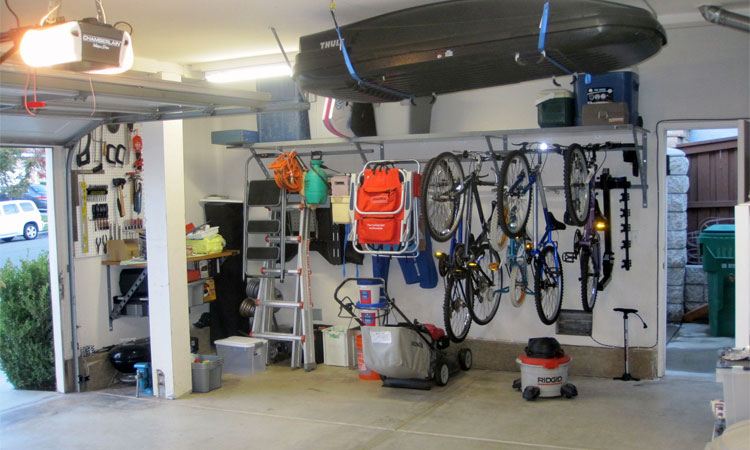
Source: garagetooled.com
1. Declutter Before Adding More Storage
The first step is to reduce the number of items competing for space. Adding shelves to a garage full of things you no longer need can make the room more crowded rather than more useful. Sorting your belongings gives you a clearer idea of how much storage you actually require.
Choose a clear area to work in and sort items into groups. Use separate piles for things to keep, donate, sell, recycle, and discard. If an item is broken, no longer fits your needs, or has remained unused for years, consider whether keeping it is worth the space it takes.
Work in small sections if the garage is packed. Clearing one wall, corner, or shelving unit at a time makes the job easier to manage. Keep a safe route to the garage door and other exits throughout the process, and do not stack loose items where they could fall.
Avoid opening every box at once. Emptying the whole garage without a plan can leave you with a larger mess and no place to work. Finish sorting one section before moving to the next.
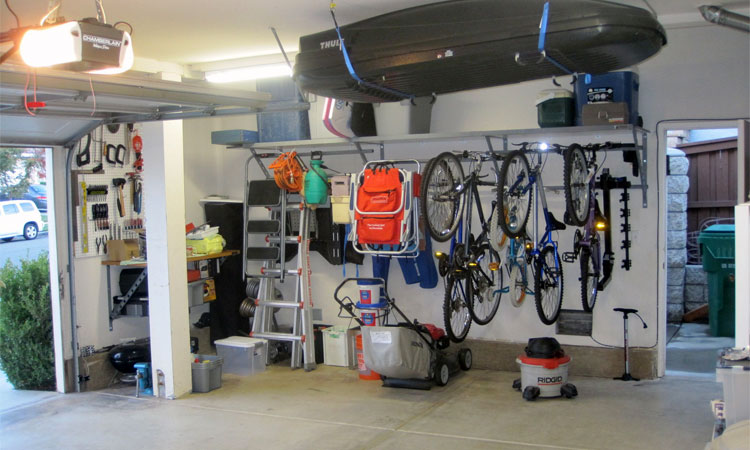
Source: ahouseinthehills.com
Keep
Retain items you use regularly, need for seasonal tasks, or must keep for practical reasons.
Donate or sell
Pass on usable tools, sports gear, household goods, and equipment that no longer serves your needs.
Recycle or discard
Dispose of damaged items through suitable local services, and follow local rules for batteries, paint, chemicals, and electronic waste.
Relocate
Move suitable household items to another storage area if they do not need to stay in the garage.
Use the One-Year Rule Carefully
If you have not used an item in a year, ask whether you are likely to need it again. Seasonal decorations, emergency supplies, and specialized tools may still deserve space even when they are rarely used. The goal is to remove items with little value to your household, not to discard everything that sits unused for a few months.
Check duplicates
Keep a useful set of common tools instead of several incomplete or damaged sets.
Review stored boxes
Label the contents and remove items that no longer have a clear purpose.
2. Use Wall Space for Tools and Everyday Items
Wall storage is one of the most practical ways to save space in a crowded garage because it moves suitable belongings off the floor. Tools, garden accessories, extension cords, and lightweight sports equipment can often be stored on walls instead of in scattered piles.
Before installing anything, inspect the wall and identify its construction. Garage walls may have exposed studs, drywall, masonry, or other materials. Choose fasteners and mounting hardware designed for the wall type and the intended load. For heavy items, secure the system to suitable structural framing or use an appropriate masonry anchoring method.
Arrange frequently used tools near the workbench and seasonal items in less accessible areas. Keep sharp tools protected, hang items securely, and avoid placing heavy objects above a vehicle or a regular walking route. A neat wall system should make tools easier to find without creating a new hazard.
Source: alisonsnotebook.com
Install a pegboard
Use a suitable pegboard system for hand tools, measuring tapes, small brushes, and other lightweight equipment.
Add sturdy hooks
Choose hooks rated for the intended items, such as hoses, cords, folding chairs, or compatible sports gear.
Use wall-mounted racks
Store long-handled garden tools, ladders, or other suitable equipment on purpose-built racks.
Create a small tool zone
Group screwdrivers, pliers, wrenches, and frequently used accessories near your main work area.
Make Tools Easy to Put Back
Group tools by task rather than placing every item wherever a hook is available. Keep gardening supplies together, vehicle-care tools in one area, and home repair tools near the workbench. Simple labels or outlines can show where each tool belongs and help prevent clutter from returning.
Leave room between tools
Allow enough space to remove and replace each item without knocking nearby equipment down.
Protect the wall
Use suitable backing or a compatible mounting system when tools may scratch or stain the wall.
3. Install Shelves for Boxes and Supplies
Shelving helps organize boxes, cleaning supplies, small equipment, and seasonal belongings into clear groups. A well-planned shelf system can replace several loose piles and make it easier to see what you own. It also helps separate items that need regular access from things used only a few times each year.
Measure the available wall area before buying shelves. Consider the height, depth, load rating, and location of doors, windows, electrical panels, and other equipment. Shelves that are too deep may interfere with vehicle doors or reduce walking space, even if they provide plenty of storage.
Choose shelving based on the items it will hold. Heavy-duty metal shelving may suit dense equipment, while suitable plastic shelves can work for lightweight household supplies. Wood shelving can also be useful when properly designed and installed for the intended load and environment.
Keep heavy boxes on lower shelves to reduce the risk of injury when lifting. Store lighter items higher, and avoid placing unstable containers near shelf edges. Secure tall shelving units against tipping when the manufacturer requires or recommends it.
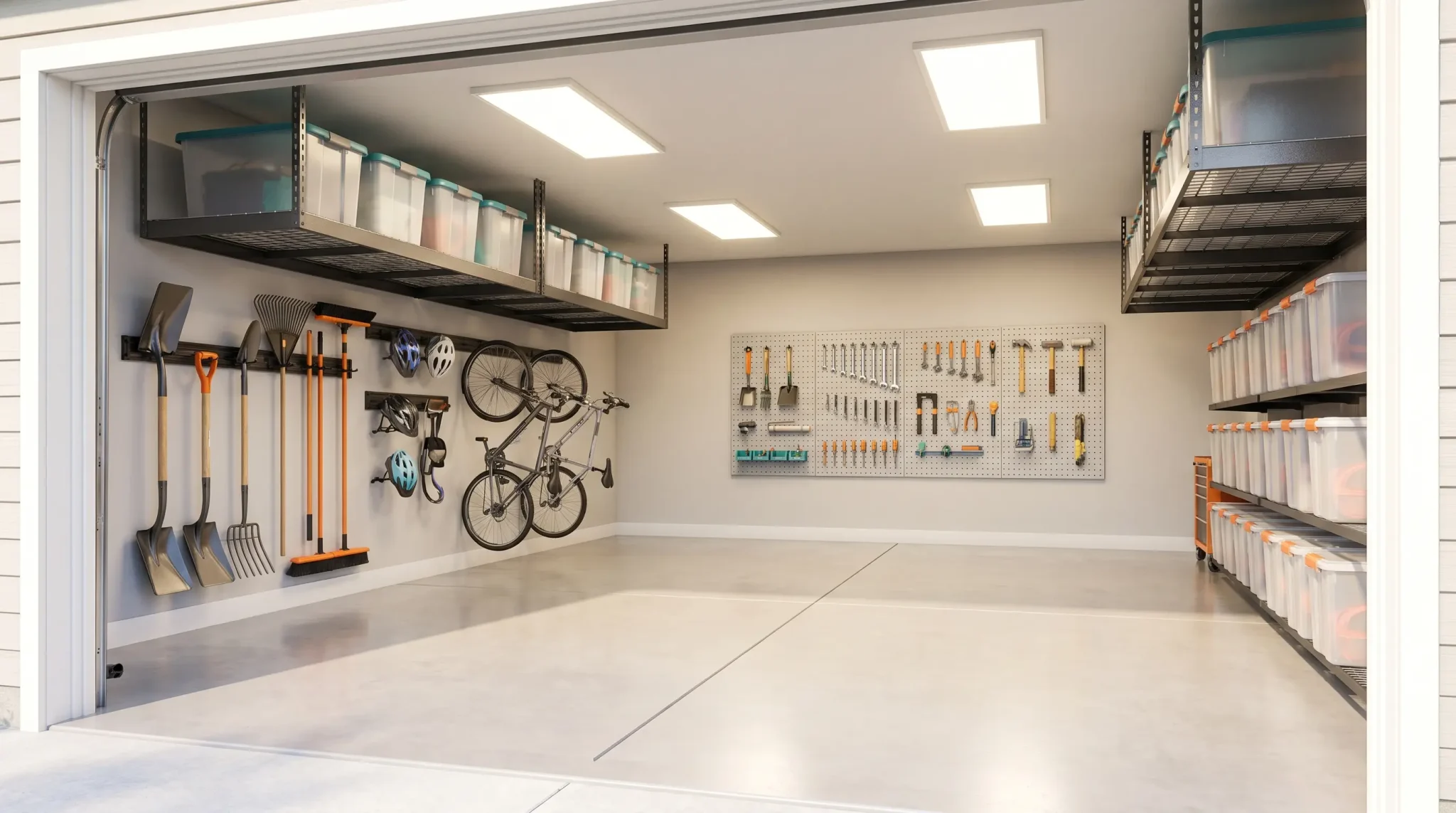
Source: storage.googleapis.com
Use clear storage bins
Transparent bins help you identify contents without opening every container.
Label each container
Use short labels such as holiday lights, camping gear, or car wash supplies.
Group related items
Keep similar belongings together so you can retrieve them without moving several boxes.
Leave access space
Do not fill shelves so tightly that you cannot remove containers safely.
Choose Between Open Shelves and Cabinets
Open shelves are useful when you want to see supplies quickly and reach them often. Cabinets are better when you want to contain small items, limit dust exposure, or create a cleaner appearance. Lockable cabinets may also help restrict access to hazardous household products, although they must be appropriate for the materials stored.
Open shelving
Best for labeled bins, larger containers, and items you use often.
Closed cabinets
Best for small supplies that benefit from containment or controlled access.
4. Make Use of Overhead Garage Storage
Ceiling storage can free up valuable floor and wall space when the garage has suitable headroom and a properly supported mounting location. It can be useful for lightweight seasonal decorations, empty luggage, and other belongings that you do not need every day.
Overhead storage is not suitable for every garage. The mounting system must be compatible with the ceiling structure, and its total load must stay within the manufacturer’s stated limits. Do not assume that drywall alone can support a loaded rack, and never attach a storage system to an unknown ceiling member without confirming its suitability.
Measure the height of your vehicle, the open garage door, overhead tracks, lights, and other equipment before planning a rack. The system must not obstruct the door mechanism or create a collision risk when a vehicle enters or leaves. Keep stored items away from hot equipment and follow the storage system’s installation instructions.
Use overhead space for things that are light enough to lift safely and rarely needed. Heavy toolboxes, dense boxes, and awkward objects are usually better stored at waist level or below. If installation involves uncertain structural support or work above a vehicle, consider qualified help.
Source: storage.googleapis.com
Store seasonal decorations
Use labeled containers for holiday lights, ornaments, and other lightweight seasonal items.
Keep spare items organized
Store suitable empty luggage or lightweight camping accessories where they remain easy to identify.
Check clearance
Confirm that the rack will not interfere with the vehicle, garage door, door tracks, lighting, or sprinkler equipment.
Respect load limits
Include the weight of the rack and stored contents when following the manufacturer’s load instructions.
Is a Ceiling Rack Better Than Wall Shelves?
A ceiling rack can free up more usable wall area, but it is harder to reach and may require more careful installation. Wall shelves are generally easier to access and organize. Choose overhead storage only when the ceiling structure, available height, and items being stored make it a practical option.
Choose ceiling storage
When the garage has suitable clearance and you need to store lightweight items that are rarely used.
Choose wall shelves
When you need frequent access, easier visual checks, or a simpler arrangement.
5. Create Dedicated Storage for Bikes and Sports Gear
Bicycles, scooters, golf clubs, balls, and other sports equipment can take up a surprising amount of floor space. Giving these belongings a dedicated storage zone keeps them from spreading across the garage and makes it easier to prepare for outdoor activities.
Bike storage options include wall hooks, horizontal wall racks, vertical stands, and floor-mounted bike racks. The right option depends on bicycle weight, frame design, wheel size, available clearance, and the strength of the mounting surface. Follow the rack manufacturer’s instructions to protect both the bike and the wall.
Avoid hanging bicycles where their handlebars or pedals can strike a parked vehicle or block a walkway. If lifting a bike overhead is difficult, choose a lower wall mount or a freestanding rack instead. Ease of daily use matters more than fitting every item into the smallest possible area.
Use bins or shelves for balls, helmets, gloves, and smaller sports accessories. A labeled basket near the bike rack can hold helmets and locks, while a separate container can store seasonal equipment. Keeping related items together reduces the chance that gear will end up scattered across the floor.
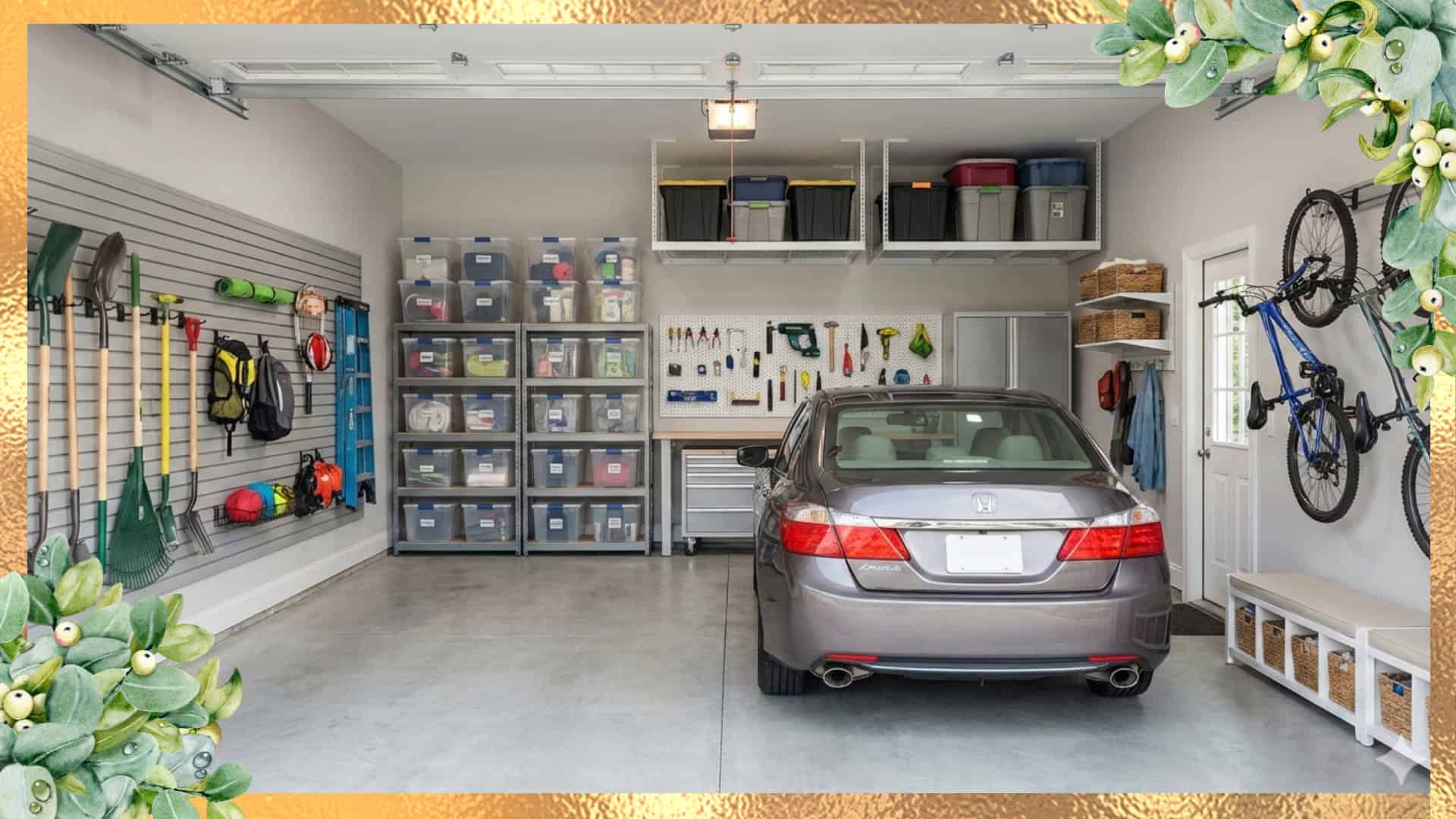
Source: artofit.org
Use a vertical bike rack
Consider a suitable vertical rack when wall height is available and the bicycle can be lifted safely.
Try a floor rack
Choose a freestanding bike rack when you want to avoid drilling into walls or need easier access.
Add sports bins
Store balls, helmets, pads, and small accessories in containers sized for their contents.
Separate seasonal equipment
Place winter or summer sports gear in a clearly marked area when it is not in regular use.
Keep Frequently Used Gear Within Reach
Place everyday items at a convenient height and reserve higher shelves for equipment used only occasionally. If children use the garage, keep their sports gear in accessible bins while storing sharp tools, chemicals, and heavy equipment securely out of reach.
Use low baskets
Keep lightweight balls and everyday outdoor toys easy to put away.
Check the route
Make sure bikes can be removed without moving the car or disturbing other stored belongings.
6. Choose Storage That Fits the Shape of Your Garage
A storage plan should match the garage’s actual dimensions rather than the layout shown in a product advertisement. A narrow single-car garage has different needs from a wide two-car garage or a space with a low ceiling. Measuring first can prevent costly purchases that block access or leave unusable gaps.
Measure the width and depth of the garage, the height of the ceiling, and the distance between the parked vehicle and nearby walls. Include space for opening vehicle doors, reaching shelves, walking safely, and removing stored items. Repeat these measurements with the vehicle in its usual parking position.
For a narrow garage, shallow wall storage may work better than deep cabinets. In a wider garage, a workbench or shelving unit may fit along one side while leaving the parking area clear. A garage with limited ceiling height may benefit more from wall-mounted systems than overhead racks.
Think about how each storage area will be used. A workbench near frequently used tools can reduce trips across the room, while seasonal items can go farther away. Keep items that need ventilation or special handling in locations that meet their storage requirements.
Consider a dedicated workbench, larger shelving units, or a separate equipment zone.
Low ceiling
Favor accessible wall storage and avoid racks that reduce safe clearance.
Shared parking and storage
Mark a parking boundary and keep bulky belongings out of the vehicle’s operating area.
Compare Storage Options Before Buying
The following table summarizes common storage methods and the situations in which they may be most useful. These are general planning guidelines, not measurements of a particular product’s capacity or performance.
Wall hooks and pegboards
Useful for small tools, cords, and compatible lightweight equipment; require appropriate mounting hardware.
Freestanding shelves
Useful for bins and household supplies; occupy some floor space and may need anti-tip protection.
Overhead racks
Useful for suitable seasonal belongings; require verified structural support and adequate clearance.
Cabinets
Useful for contained storage and small items; need space for doors and drawers to open.
7. Organize Garden Tools, Cleaning Supplies, and Cords
Garden tools and cleaning equipment often end up in corners because they are awkward to store. Long-handled rakes, brooms, shovels, hoses, and extension cords are easier to manage when each has a defined place. A simple storage zone can stop these items from leaning against the car or falling into walkways.
Use a purpose-built wall rack or compatible clips for long-handled tools. Store sharp edges in a way that reduces accidental contact, and secure heavy equipment so it cannot slide off its mount. Keep tools clean and dry when their care instructions call for it.
Wind hoses and cords neatly using suitable reels or holders. Check electrical cords for damage before storage and remove damaged equipment from use until it can be properly repaired or replaced. Do not coil or cover electrical equipment in ways that conflict with its manufacturer’s instructions.
Cleaning supplies need more care than ordinary household items. Keep products in their original, labeled containers and follow label instructions for temperature, ventilation, and separation from incompatible materials. Never combine chemicals, and do not transfer hazardous products into drink bottles or unmarked containers.
Source: uk.pinterest.co.uk
Mount a garden tool rack
Keep rakes, shovels, brooms, and similar tools upright and grouped together.
Use a hose reel
Contain a suitable garden hose so it does not spread across the floor.
Install cord holders
Store compatible extension cords in loose, orderly coils according to their care instructions.
Separate chemical products
Follow product labels and keep incompatible materials apart in suitable storage conditions.
Prevent Moisture and Rust
A damp garage can damage metal tools, cardboard boxes, and some stored materials. Check for leaks, condensation, and signs of water entry before reorganizing. Use sealed containers only when appropriate for the contents, and avoid trapping moisture around items that need airflow.
Inspect the floor
Look for water entering beneath doors, around walls, or through cracks that may need attention.
Use suitable containers
Choose storage that protects the contents without creating moisture problems.
8. Make Your Workbench More Efficient
A workbench can support repairs, hobbies, and household projects, but a crowded bench often becomes another place where unused items collect. Keep the surface focused on the tasks you actually perform and move backup supplies into nearby drawers, bins, or shelves.
If you already have a workbench, clear its surface and group tools by purpose. Store small parts in labeled containers, use drawer dividers for hand tools, and mount suitable organizers on the wall above the bench. Leave enough clear space to work without pushing tools toward the edge.
If you need a work area but have little floor space, consider a compact bench or a suitable folding work surface. Check its rated load and stability before use. A folding bench should be secured and opened according to its instructions, and it should never obstruct an exit or vehicle route.
Place lighting where it helps you see the work clearly. Keep cords arranged to prevent trips and protect electrical equipment from moisture and accidental impact. If a task requires specialized electrical equipment or other safety measures, follow the manufacturer’s directions.
Clear the main surface
Keep only the tools and materials needed for the current task on the bench.
Use drawers and dividers
Separate small parts, fasteners, measuring tools, and repair accessories.
Add vertical organizers
Move suitable frequently used tools onto an organized wall panel above the bench.
Consider a folding bench
Use a properly rated folding work surface when you need a work area that can be cleared after use.
Keep a Clear Work Zone
Leave a defined area for cutting, assembly, or repairs instead of covering every inch with storage. When a project ends, return unused materials to their assigned locations. This habit keeps the bench ready for the next job and makes it easier to notice missing tools.
Use a cleanup tray
Collect screws, small parts, and loose accessories while a project is underway.
Review supplies
Remove empty containers and dispose of unusable materials according to local rules.
9. Store Seasonal Items Without Losing Track of Them
Seasonal belongings can occupy valuable space even when they are needed for only a few weeks each year. Holiday decorations, camping gear, snow equipment, and summer accessories should have a clear home so they do not crowd out everyday supplies.
Use sturdy containers suited to the items being stored. Label the front and top so you can identify contents from different angles. Keep an inventory for multiple boxes of decorations or equipment, especially when the contents are difficult to recognize from the outside.
Place items you need soon in accessible locations and reserve higher or less convenient shelves for belongings that will remain unused for months. Rotate storage when the season changes, but avoid creating a pile of displaced boxes in the middle of the garage.
Not everything belongs in a garage. Temperature swings, moisture, pests, and vehicle-related fumes can damage sensitive items or create safety concerns. Follow the manufacturer’s storage guidance for paints, batteries, electronics, food, and other products that may require controlled conditions.
Label boxes clearly
Write the contents and season on each container instead of using vague labels such as miscellaneous.
Group related items
Keep camping supplies, holiday decorations, and seasonal outdoor equipment in separate zones.
Protect fragile items
Use suitable padding and containers when storing delicate decorations or equipment.
Review storage conditions
Move sensitive belongings elsewhere when the garage cannot provide the required environment.
Use a Simple Seasonal Rotation
At the start of each season, move the items you need to an accessible shelf and return out-of-season belongings to their assigned locations. Check each container before putting it away again. This is a good time to remove broken decorations, worn-out equipment, and items you no longer plan to use.
Keep an inventory
Maintain a short list of stored boxes and their contents.
Leave access space
Avoid stacking containers so tightly that changing seasons requires unloading an entire shelf.
10. Protect Parking Space and Safe Access
A garage should remain safe to enter, leave, and use for its intended purposes. Storage that fits tightly around a vehicle can still be a poor solution if it blocks the driver’s view, prevents doors from opening, or creates a trip hazard. Plan the layout around real movement rather than the number of items you can fit inside.
Park the vehicle in its usual position and check how far the doors open. Allow room to walk around the vehicle where needed and make sure bicycles, bins, and shelves cannot be struck during normal use. A parking guide or visible floor marker can help drivers maintain a consistent position.
Keep exits, electrical panels, utility shutoffs, and required access routes clear. Do not block garage door sensors, emergency release mechanisms, or equipment that needs routine inspection. If local fire codes or other rules apply to the garage, follow the requirements for your property.
Never run a vehicle in a closed garage, even with the garage door open. Carbon monoxide from vehicle exhaust can build up and cause serious harm. Start and operate vehicles outdoors, away from garage openings, in accordance with vehicle safety guidance.
Mark a parking boundary
Use a suitable visual guide to keep the vehicle in a repeatable position.
Keep walking paths open
Remove loose cords, boxes, tools, and other objects from regular routes.
Protect garage equipment
Keep storage clear of door tracks, sensors, operating mechanisms, and service access.
Keep exits accessible
Do not place shelves or stored items where they block doors or required access.
Avoid Common Garage Storage Hazards
Do not overload shelves or racks, climb on unstable boxes, or lift heavy objects overhead without suitable equipment and help. Secure tall storage units where appropriate and keep hazardous products away from children and pets. If you notice damaged wiring, structural movement, or an unsafe ceiling mounting point, stop and seek qualified assistance.
Check load limits
Follow the stated capacity of shelves, hooks, racks, and their mounting hardware.
Store hazards correctly
Follow product labels and applicable local rules for chemicals, fuel, batteries, and other hazardous materials.
Avoid unstable stacks
Use suitable shelving or containers instead of tall piles that may tip or collapse.
11. Follow a Simple Plan to Reclaim Garage Space
The easiest way to organize a crowded garage is to work in a fixed order. Decluttering first prevents you from spending money on storage for belongings you do not need. Measuring and zoning the space next helps you select storage that fits the room.
You can spread the work over several sessions if the garage is heavily cluttered. Set a realistic goal for each session, such as clearing one shelf or sorting the garden tools. Take care not to block exits or leave unstable piles behind when you pause the project.
After installation, return items to their designated places and check whether the layout works during normal use. If a shelf is hard to reach or a bike blocks a door, adjust the arrangement rather than accepting an inconvenient setup. The best system is one that remains practical after the initial cleanup.
Step 1: Empty one section
Choose a manageable area and remove its contents for sorting.
Step 2: Decide what stays
Separate useful belongings from items to donate, sell, recycle, or discard.
Step 3: Measure the space
Record wall dimensions, ceiling height, vehicle clearance, and access requirements.
Step 4: Choose storage
Select suitable shelves, racks, hooks, or cabinets based on the items and mounting surface.
Step 5: Install safely
Follow the instructions, use appropriate hardware, and respect all load limits.
Step 6: Label and arrange
Group related belongings and place frequently used items within easy reach.
Step 7: Review the result
Check parking, walking routes, door operation, and access to equipment before considering the project finished.
How Much Space Can You Save?
The amount of space recovered depends on the garage’s dimensions, the number of items removed, and the storage layout. Moving suitable belongings from the floor to walls or shelves can open up usable floor area, but no single storage method guarantees a particular result.
For example, imagine a hypothetical garage with six storage bins spread across the parking area. If those bins fit safely on a suitable shelving unit along an unused wall, the floor area they occupied may become available for walking or parking. The actual gain depends on the bins’ dimensions and the shelf’s footprint.
Measure the original footprint
Record the floor area occupied by loose boxes, equipment, and other belongings.
Measure the new arrangement
Check how much floor space the shelving or storage system will occupy.
Compare usable access
Assess whether the new layout improves parking, movement, and access to frequently used items.
12. Keep the Garage Organized After the Cleanup
A garage stays organized when every item has a clear place and the household follows a simple return routine. Even a good storage plan can fail if tools are left on the floor or new boxes arrive without being sorted. Small habits are easier to maintain than another large cleanup.
Spend a few minutes putting away equipment after each project. Return tools to their hooks, close storage bins, wind cords neatly, and move waste to the appropriate disposal area. When a new item comes in, decide where it belongs before placing it in the garage.
Review the garage regularly for items that have become unnecessary or difficult to store. Seasonal changes are useful reminders to inspect containers and adjust their locations. If shelves are becoming crowded again, reduce the number of stored belongings before adding more units.
Keep the floor as clear as practical, especially around vehicles, doors, and work areas. A visible floor makes it easier to notice spills, leaks, damaged items, and new clutter. This simple habit helps preserve the space you worked to recover.
Reset after each project
Put tools and supplies back in their assigned places when the task is complete.
Use a regular review
Check crowded shelves and storage bins before they overflow.
Control incoming items
Avoid keeping new purchases or delivery boxes in the garage without a plan.
Inspect for damage
Look for moisture, rust, unstable shelves, damaged cords, and other issues during routine tidying.
Frequently Asked Questions
Q
What Is the Best Way to Save Space in a Small Garage?
Start by removing unused belongings, then use suitable wall storage, compact shelving, and labeled containers. Measure the garage and the parked vehicle before buying storage. Prioritize clear walkways, safe door operation, and easy access to everyday items.
Q
How Can I Organize a Garage Without Buying Expensive Storage Systems?
Declutter first, reuse suitable containers, label boxes, and group related items. You can also rearrange existing shelves and use compatible hooks or organizers you already own. Do not improvise heavy-duty mounts or overload old shelves just to avoid buying proper hardware.
Q
Is Overhead Storage Safe in a Garage?
Overhead storage can be suitable when the ceiling structure, mounting hardware, rack, and load are compatible. Follow the manufacturer’s installation and weight-limit instructions, check clearance around the garage door and vehicle, and avoid storing heavy items overhead. Seek qualified help if the structure or mounting points are uncertain.
Q
How Do I Keep My Garage Organized When I Have Too Many Tools?
Group tools by task, remove broken duplicates, and give frequently used tools a fixed place near the workbench. Use suitable pegboards, wall racks, drawers, and labeled containers. Store heavy tools low and secure sharp tools so they cannot fall or cause accidental injury.
Q
How Can I Save Space in a Garage Without Blocking My Car?
Park the car in its normal position before planning the layout. Measure the space needed to open doors, walk around the vehicle, and reach stored belongings. Use shallow wall storage where appropriate, keep loose items off the floor, and avoid placing racks or bins near the vehicle’s operating path.
Q
What Should I Never Store Overhead in a Garage?
Avoid placing heavy, unstable, or awkward objects overhead, especially when they would be difficult to lift or secure safely. Do not exceed the storage system’s load limits. Hazardous chemicals and temperature-sensitive materials should be stored according to their labels and safety requirements rather than placed overhead simply to free up space.
Q
How Often Should I Clean and Reorganize My Garage?
Put items away after each project and do a brief review whenever clutter starts to build. A more thorough inspection every few months or during seasonal changes can help you remove unused belongings, check storage hardware, and relocate seasonal equipment. The right schedule depends on how often you use the garage.
✦ Wrapping Up
Conclusion
The most effective ways to save space in a crowded garage begin with a simple idea: keep what you need and give every item a practical home. Decluttering, wall storage, suitable shelving, and carefully planned overhead racks can make a garage easier to use without requiring a major renovation.
Choose storage that fits your garage’s dimensions, the weight of your belongings, and your daily routine. Keep heavy objects low, secure shelves and racks correctly, protect access routes, and store hazardous materials according to their instructions. A tidy garage should support safe parking and useful work space rather than sacrifice them for extra storage.
Start with one crowded corner or wall today. Remove unwanted items, measure the available area, and choose a storage method that solves the biggest problem first. Once each item has a clear place, a short cleanup routine can help you maintain the extra space.
💡 Key Takeaway
Clear one section of your garage, sort everything in it, measure the available wall and floor space, and move suitable belongings into secure, well-planned storage. Keep the vehicle area and walkways clear, then repeat the process one section at a time.
Sarah believes that a messy garage is a wasted room. After years of working in professional home staging and interior design, she shifted her focus to the most neglected part of the house: the garage. She focuses on vertical storage, aesthetic floor coatings, and converting dusty corners into functional workspaces. Sarah’s goal is to help you "unlock" every square inch of your garage.
Sarah believes that a messy garage is a wasted room. After years of working in professional home staging and interior design, she shifted her focus to the most neglected part of the house: the garage. She focuses on vertical storage, aesthetic floor coatings, and converting dusty corners into functional workspaces. Sarah’s goal is to help you "unlock" every square inch of your garage.