
If your garage door opener stops working, you might worry about getting your car out or keeping your home safe. Power outages, broken openers, or faulty remotes can make your automatic garage door useless. But there’s good news: you can manually close a garage door safely with the right steps. Understanding how to do this gives you peace of mind and helps you handle emergencies without calling a professional every time.
Manual operation is not just for emergencies—it’s a skill every homeowner should know. You’ll learn why garage doors get stuck, how to prepare for manual closing, and the exact steps to close it smoothly. This guide covers safety tips, common mistakes, and answers to the most searched questions about manual garage door operation.
Whether you’re a new homeowner or just want to be prepared, you’ll find clear, practical advice here.
Why Would You Need To Manually Close A Garage Door?
Garage doors rely on electricity and mechanical parts. When something fails, the automatic system can leave your door open. Here are common reasons you might need to close your garage door by hand:
- Power outage: No electricity means the opener won’t work.
- Faulty remote control: Dead batteries or signal problems can stop the opener.
- Broken opener motor: Worn-out parts or motor failure.
- Damaged sensors: Misaligned or dirty sensors can keep the door open.
- Obstructions: Objects blocking the door’s path trigger safety features.
A stuck garage door is not just inconvenient—it’s a security risk. Thieves often look for open or unlocked garage doors.
Safety Precautions Before You Start
Manually moving a garage door is heavy work and can be dangerous if not done right. Always put safety first:
- Disconnect power to the opener before starting, if possible.
- Keep children and pets away from the area.
- Wear gloves to protect your hands from sharp edges.
- Check for broken springs—if you see a break or gap, do not proceed. Garage door springs are under high tension.
- Move slowly and carefully. Never rush the process.
If you suspect a major mechanical problem, call a garage door professional for help.
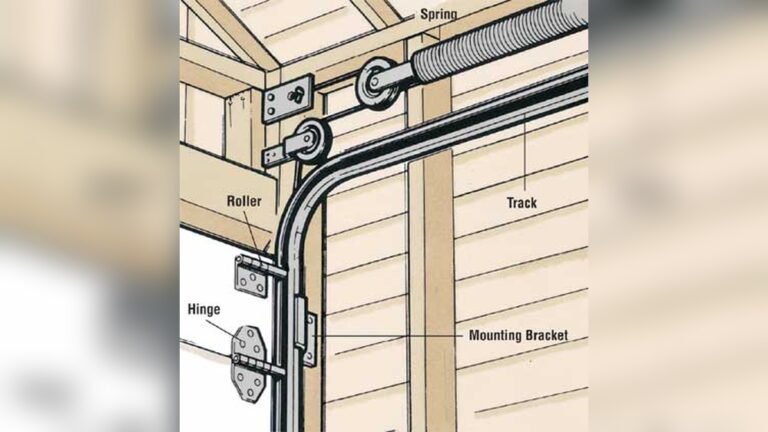
Basic Parts Of A Garage Door System
Knowing the main parts helps you work with your garage door safely and confidently:
- Torsion or extension springs: These lift the heavy door with less effort.
- Tracks: Guide the door up and down smoothly.
- Cables: Support the door’s weight.
- Emergency release cord: Usually a red handle hanging from the opener rail.
- Manual locking mechanism: Some doors have a manual lock or latch.
Here’s a quick comparison of common garage door types:
| Type | Operation Method | Common in Homes? |
|---|---|---|
| Sectional | Rolls up along tracks | Yes |
| Single-panel | Tilts out and up | Sometimes |
| Roll-up | Rolls into a coil above opening | No (mostly commercial) |
Most homes have sectional garage doors. The steps below focus on these, but the general method applies to most types.
Step-by-step Guide: How To Manually Close A Garage Door
1. Prepare The Area
- Move cars, bikes, and objects away from the door.
- Make sure the tracks are clear of debris.
- Turn off the automatic opener if you can.
2. Unlock The Door
Some doors have manual locks. If yours does, unlock it before moving the door. For doors with an interior handle, turn it to the “unlocked” position.
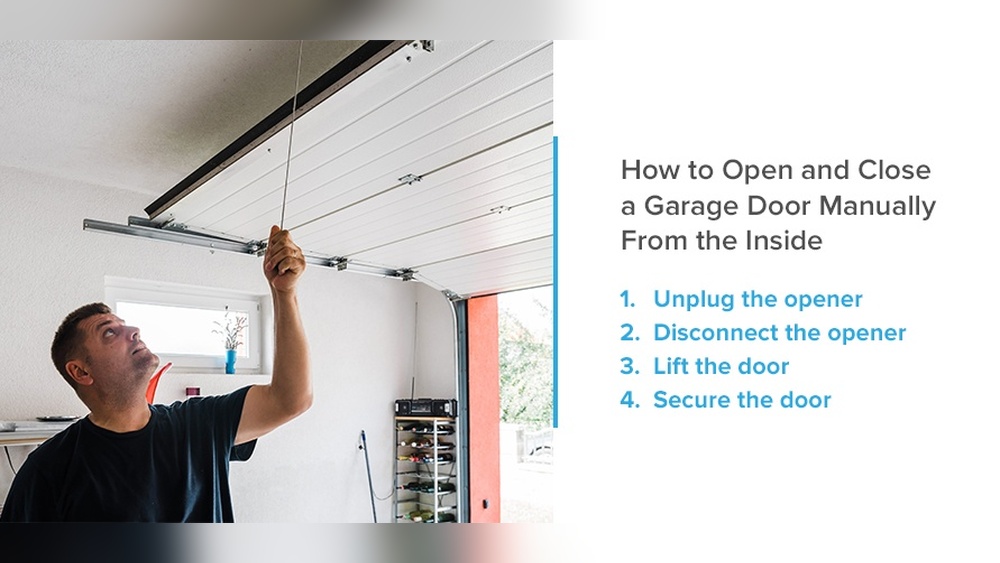
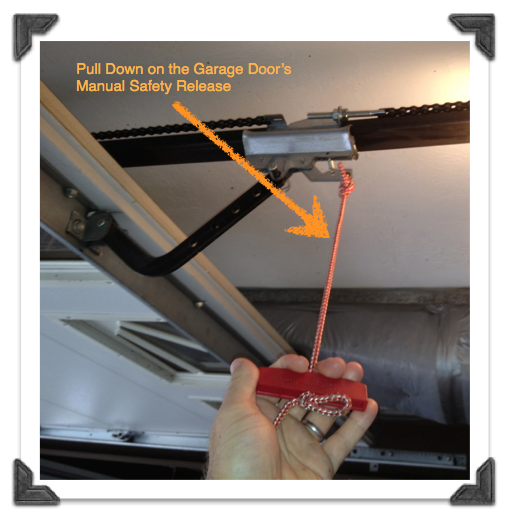
3. Pull The Emergency Release Cord
Look for the red cord hanging from the opener rail, usually in the center of the garage.
- Grip the handle firmly.
- Pull straight down to disconnect the door from the automatic opener.
Tip: After pulling the cord, you should hear a “click.” The door is now in manual mode.
4. Lower The Door By Hand
- Stand inside the garage.
- Use both hands to grip the door handles.
- Slowly pull the door down. Keep your feet clear of the bottom edge.
If the door feels stuck, check the tracks for objects or damage. For heavy or large doors, ask someone to help you.
5. Secure The Door
Once closed, lock the door if you have a manual latch. This prevents someone from opening it from outside.
Important: Do not reconnect the opener until you’re sure the door is closed and secure.
6. Reconnect The Opener (when Ready)
- Pull the emergency cord toward the opener (some models need you to pull up).
- You’ll hear a “click” when it snaps back into automatic mode.
- Try using the remote to test the automatic function.
If the door does not move, check for jams or call a technician.
Key Differences: Manual Vs. Automatic Operation
Understanding the differences helps you know what to expect when operating your garage door by hand.
| Feature | Manual Mode | Automatic Mode |
|---|---|---|
| Power Source | Human effort | Electric motor |
| Speed | Slower, controlled | Fast, automatic |
| Safety | Must follow precautions | Has sensors, auto-reverse |
| Security | Manual lock needed | Locking by opener |
Manual closing is always slower but gives you more control in emergencies.
What If The Door Won’t Move?
Sometimes, the garage door still doesn’t budge after pulling the emergency release. Here’s what might be wrong:
- Broken springs or cables: These should only be fixed by professionals.
- Bent or blocked tracks: Check for dents or items in the way.
- Jammed lock: Try lubricating the lock or latch.
- Disconnected or missing parts: Compare your door’s parts with your owner’s manual.
If you cannot find the problem or the door is too heavy, do not force it. Forcing can cause injury or more damage.
Real-life Example
Sarah was home during a thunderstorm. The power went out, and her garage door was stuck open with her car inside. She followed these steps:
- Unplugged the opener for safety.
- Cleared her kids’ bikes from the tracks.
- Pulled the red cord to switch to manual mode.
- Slowly closed the door with both hands.
- Locked the manual latch to keep it secure.
The process took less than five minutes and kept her home safe until power returned.
Common Mistakes To Avoid
Beginners often make simple errors when closing a garage door by hand:
- Forgetting to unlock the manual latch first: This can damage the lock or door.
- Trying to close with the opener still engaged: The door won’t move easily.
- Not checking for broken springs: A broken spring makes the door extremely heavy.
- Letting go of the door while lowering: The door can fall quickly and cause injury.
- Forgetting to relock after closing: Leaves your home open to intruders.
Stay calm, follow each step, and check your door’s manual if you’re unsure.
How To Make Manual Closing Easier
You can prepare your garage door for emergencies by:
- Testing the emergency release twice a year.
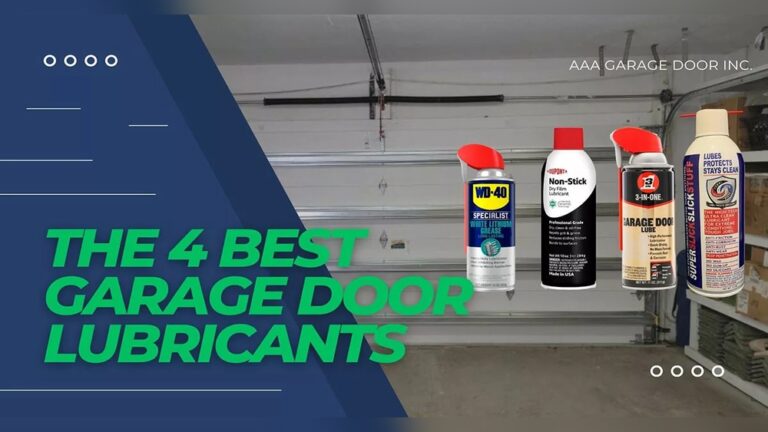
- Lubricating moving parts (rollers, hinges, tracks) with garage door oil.
- Keeping the tracks clean of dirt and leaves.
- Checking for loose bolts or screws every few months.
A well-maintained door is easier and safer to operate by hand.
When To Call A Professional
Some garage door problems are not safe to fix on your own:
- Broken or stretched springs
- Frayed or snapped cables
- Door is off the tracks
- Door feels unusually heavy
If you see any of these issues, contact a certified garage door technician. DIY repairs on springs and cables are dangerous and can cause serious injury.
Credit: www.youtube.com
Security Tips After Manual Closing
Once your door is closed by hand:
- Lock the manual latch or use a padlock if your door has one.
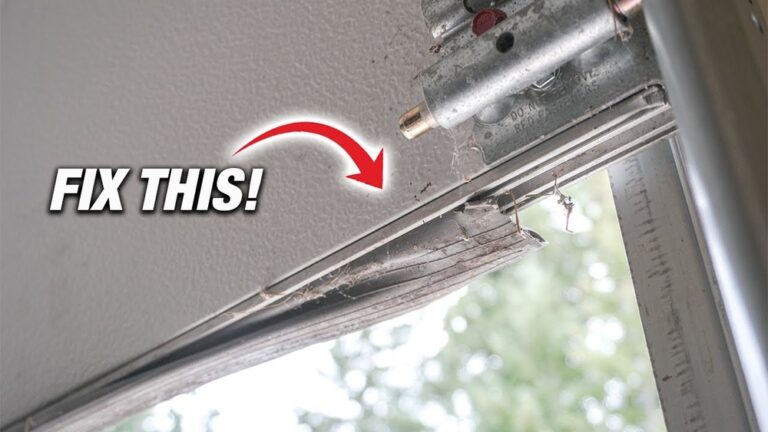
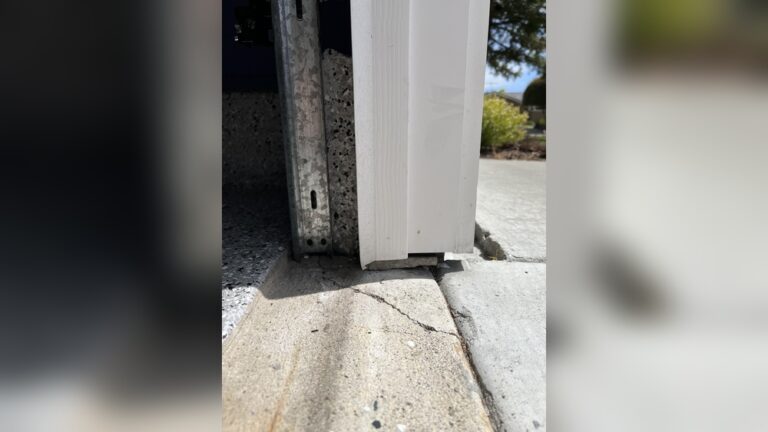
- Check the bottom seal for gaps—keep out pests and weather.
- Cover windows if your garage door has them, to block views inside.
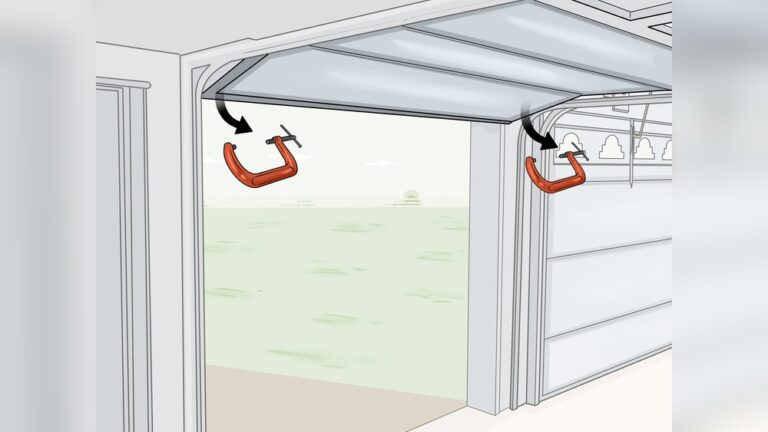
For added peace of mind, some homeowners use a C-clamp on the inside track to prevent the door from being forced open.
Maintenance Table: Quick Checks For Your Garage Door
Regular checks keep your garage door ready for manual use. Here’s a simple schedule:
| Task | How Often | Why It Matters |
|---|---|---|
| Test emergency release | Every 6 months | Ensures you can disconnect opener fast |
| Lubricate moving parts | Every 3 months | Makes manual movement smoother |
| Inspect springs/cables | Every 6 months | Prevents dangerous breakage |
| Clean tracks | Monthly | Reduces jams and sticking |
Set reminders in your phone or calendar so you don’t forget these simple tasks.
Credit: www.garagedoorspokane.com
Final Thoughts
Knowing how to manually close a garage door is a valuable skill for any homeowner. It can save you time, money, and stress during outages or mechanical failures. By following the right steps and safety precautions, you’ll keep your home secure and your family safe. Always remember: if you face a mechanical problem you’re not comfortable with, it’s best to call a professional.
For more background on garage door safety and technology, you can read about garage doors on the Wikipedia Garage Door page.
Frequently Asked Questions
How Do I Find The Emergency Release Cord?
Look for a red handle hanging from the opener rail above your garage door. It’s usually at the center and easy to spot. Pulling this handle disconnects the door from the opener, allowing manual operation.
What If The Garage Door Is Too Heavy To Move?
If the door is extremely heavy, the springs may be broken. Do not try to force it. Call a garage door professional for repair, as the springs lift most of the door’s weight.
Can I Manually Close My Garage Door If The Springs Are Broken?
No. Broken springs make the door too heavy and dangerous to move. Forcing the door can cause injury. Contact a qualified technician to replace the springs before attempting manual operation.
Will Pulling The Emergency Release Damage My Garage Door?
No, the emergency release cord is designed for this purpose. Pull it straight down, not at an angle. However, use it only when the door is closed or fully open to avoid sudden movement.
Is It Safe To Leave My Garage Door In Manual Mode?
It’s safe if the door is locked and secured with a manual latch or padlock. Remember, while in manual mode, the automatic opener won’t work until you reconnect it. Always secure your garage for safety and security.

Credit: www.youtube.com