
Removing oil stains from concrete can feel overwhelming, especially for beginners. You might notice a dark spot in your driveway or garage floor after a car leak, a dropped bike chain, or a spill from home repairs. These stains can make your property look untidy and even reduce its value.
The good news is that with the right methods, you can remove oil stains from concrete—sometimes even old, stubborn ones.
This guide explains simple, step-by-step methods for cleaning oil stains from concrete. You’ll learn why oil stains are tough, which tools and products work best, and how to avoid common mistakes. Whether you’re a homeowner, renter, or business owner, these tips will help you get your concrete looking clean again.
Why Oil Stains Are Tough To Remove
Concrete is porous—it has many tiny holes. When oil spills on concrete, it seeps deep into these holes, making it harder to clean. Unlike smooth surfaces, you can’t just wipe oil off with a cloth or mop. The longer the oil sits, the deeper it goes. That’s why it’s important to act quickly.
- Oil can cause permanent discoloration if left untreated.
- Old stains are harder to remove but not impossible.
- New stains respond better to basic cleaning.
Understanding this helps you choose the right cleaning method.
What You Need Before You Start
Before cleaning, gather the right tools and materials. Having everything ready saves time and helps you work safely.
Essential Tools
- Absorbent material: Cat litter, baking soda, or sawdust
- Scrub brush: Stiff bristles work best
- Liquid soap or degreaser: Dish soap, laundry detergent, or a commercial concrete cleaner
- Bucket of hot water
- Protective gloves
- Eye protection (for strong chemicals)
- Garden hose or pressure washer (optional)
- Plastic scraper or putty knife
- Old towels or paper towels
Optional Items
- Concrete sealer: To protect cleaned areas
- Commercial oil stain remover: For tough stains
- Squeegee: For rinsing water
Step-by-step: How To Remove Fresh Oil Stains
If the oil stain is new, act fast. Fresh stains are much easier to clean.
- Blot the Oil
- Use old towels or paper towels to soak up as much oil as possible.
- Do not rub—this spreads the oil.
- Cover with Absorbent Material
- Pour a generous amount of cat litter, baking soda, or sawdust on the stain.
- Let it sit for 30 minutes to several hours (overnight is best for big spills).
- Sweep Away
- Use a broom or plastic scraper to remove the absorbent material.
- Dispose of it in the trash—do not wash it down the drain.
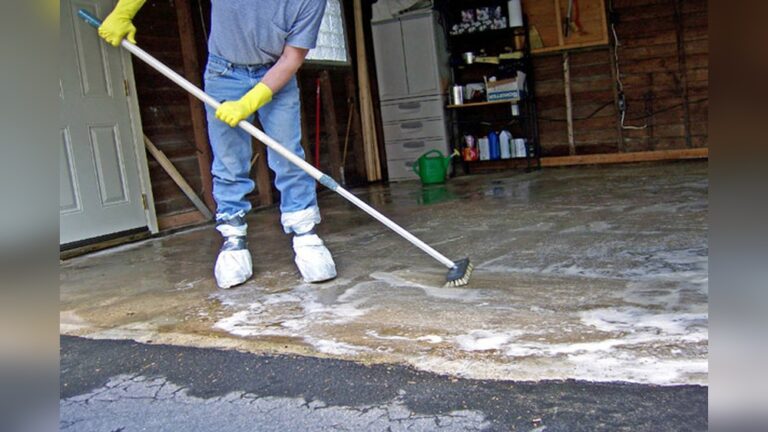
- Scrub with Soap or Degreaser
- Mix a few drops of dish soap or degreaser with hot water.
- Scrub the stain with a stiff brush for at least 3–5 minutes.
- Rinse Well
- Rinse with a garden hose or a bucket of clean water.
- Repeat scrubbing if needed.
- Let Dry and Inspect
- Allow the area to dry fully to see if the stain is gone.
- Repeat steps if necessary.
Tip: For large spills, you may need to repeat the process twice.
How To Remove Old Or Set-in Oil Stains
Older stains are more stubborn. They often need a stronger approach.
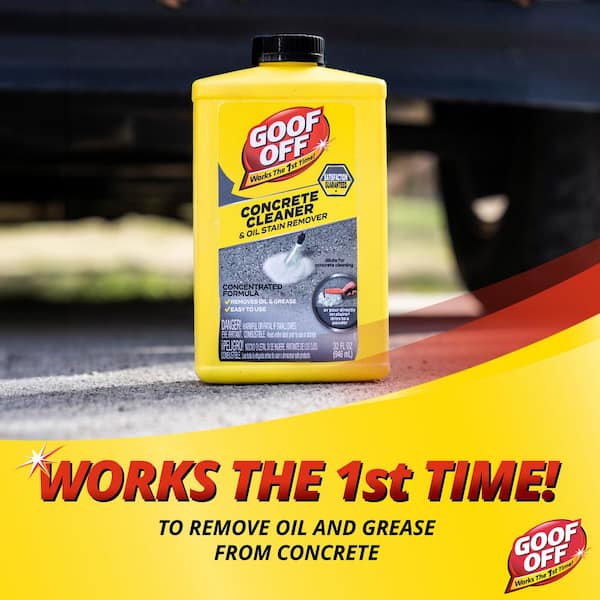
Using A Commercial Oil Stain Remover
Many brands offer products designed for concrete. These usually come as sprays or powders.
- Read the Instructions
- Always follow the manufacturer’s guidelines for safety and best results.
- Apply the Remover
- Cover the stain completely. Some removers need time to soak in—check the label.
- Scrub and Rinse
- Use a stiff brush to work the cleaner into the concrete.
- Rinse well with water.
- Repeat if Needed
- Old stains may require several applications.
Homemade Poultice Method
A poultice pulls oil out from deep inside the concrete. It’s useful for very old stains.
- Mix baking soda or powdered laundry detergent with water (or a small amount of acetone for tough stains) to make a thick paste.
- Spread the paste over the stain, covering it completely.
- Cover with plastic wrap and tape down the edges to slow drying.
- Leave for 24–48 hours.
- Scrape off the dried paste and rinse the area.
This method is slow but effective for deep-set stains.
Credit: www.homedepot.com
Comparing Cleaning Methods
Here’s a quick comparison of the most common methods for oil stain removal:
| Method | Best for | Success Rate | Cost | Time Needed |
|---|---|---|---|---|
| Cat litter + Soap | Fresh stains | High | Low | 1–2 hours |
| Commercial Remover | Old stains | Medium-High | Medium | 2–24 hours |
| Poultice Paste | Deep stains | Medium | Low | 24–48 hours |
| Pressure Washer | Large areas | Medium | High | 1 hour |
Insight: Many people skip the poultice because it takes time, but it works for stains that other methods can’t remove.
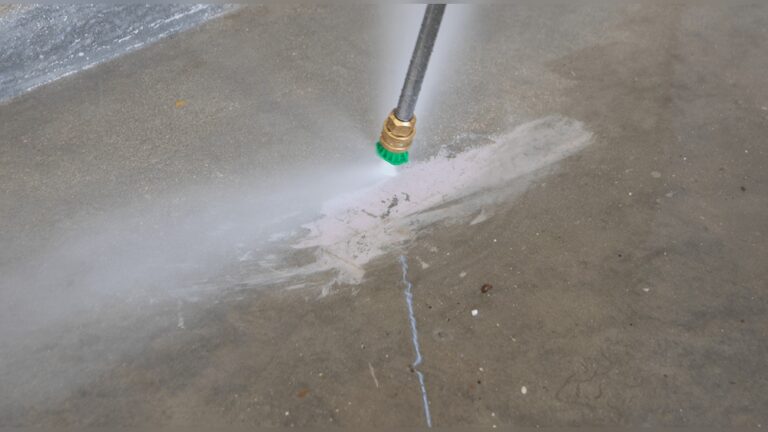
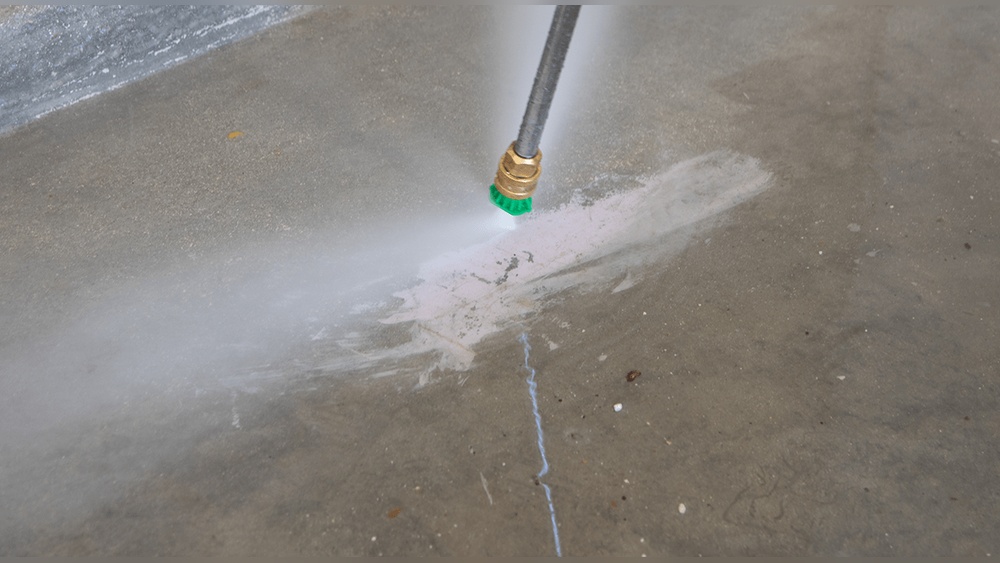
When To Use A Pressure Washer
A pressure washer can help remove surface stains, especially on driveways or big patios. It’s not always enough for deep stains, but it does help with general cleaning.
- Use a degreaser first for best results.
- Don’t use the highest pressure—concrete can crack or wear away.
- Wear protective gear for safety.
Pressure washers are often rented at hardware stores. They save time for large jobs but are rarely needed for small stains.
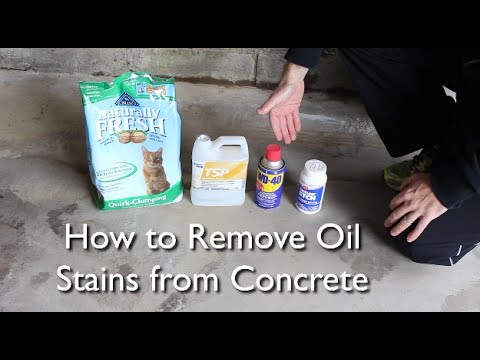
Credit: www.youtube.com
Common Mistakes To Avoid
Beginners often make these errors when cleaning oil stains:
- Not absorbing oil first: Trying to wash fresh oil without absorbing it first spreads the mess.
- Using too much water: Water alone won’t remove oil. Always use soap or a degreaser.
- Using wire brushes: These can scratch and damage concrete.
- Skipping repeat treatments: Some stains need more than one attempt.
- Not protecting surrounding areas: Strong chemicals can harm plants and grass.
Avoiding these mistakes makes the cleaning process faster and more effective.
Eco-friendly And Safe Cleaning Options
If you want to protect your garden or local water, choose eco-friendly products.
- Use baking soda or vinegar for mild stains.
- Biodegradable degreasers are safer for plants and pets.
- Dispose of used absorbents in the trash, not down the drain.
Eco-friendly cleaning works well for small or new stains but may need more time.
Real-life Example: Cleaning A Driveway Oil Stain
Let’s see how a homeowner removed an oil stain from their driveway:
- The Problem: A car leaked oil overnight, leaving a 12-inch stain.
- First Step: The owner covered the stain with cat litter for 6 hours.
- Cleaning: After sweeping, they scrubbed with dish soap and hot water.
- Result: The stain faded but didn’t disappear.
- Next Step: They applied a commercial concrete cleaner, waited overnight, then scrubbed again.
- Final Result: The stain was nearly invisible after two treatments.
Lesson: Combining methods and repeating steps works best for stubborn stains.
How To Prevent Oil Stains In The Future
Prevention is easier than cleaning. Here’s how to stop oil stains before they start:
- Fix leaks: Repair leaking cars or equipment as soon as possible.
- Use drip pans: Place pans or cardboard under vehicles that might leak.
- Seal concrete: A good concrete sealer creates a protective barrier. Reseal every 1–3 years.
- Clean spills immediately: Fresh stains are much easier to remove.
These habits save time, money, and effort.
Cost Comparison: Diy Vs. Professional Cleaning
How much does it cost to clean oil stains on your own compared to hiring a pro? Here’s a quick overview:
| Option | Average Cost (USD) | Time Needed | Pros | Cons |
|---|---|---|---|---|
| DIY (Cat litter + Soap) | $5–$15 | 2–4 hours | Cheap, easy | May need repeating |
| Commercial Remover | $10–$40 | 4–24 hours | Works on tough stains | Some chemicals are harsh |
| Pressure Washer Rental | $50–$100/day | 1–2 hours | Fast for large areas | Not for deep stains |
| Professional Service | $100–$300 | 1–2 hours | Guaranteed results | Expensive |
Most homeowners start with the DIY approach and only call professionals for very large or stubborn stains.
Advanced Tips For Better Results
- Heat helps: Warm water or a sunny day can boost cleaning power.
- Let products sit: Give cleaners time to work—rushing reduces effectiveness.
- Use the right brush: Stiff bristles clean better than soft ones, but avoid metal.
- Test first: Try cleaners on a small, hidden area to avoid discoloration.
Non-obvious insight: Some stains look darker when wet—wait until the area is fully dry before deciding if more cleaning is needed.
/how-to-remove-oil-stains-from-concrete-5223364-08-f4e5dee43c5f4c389f374ff6445c88fb.JPG)
Credit: www.thespruce.com
Final Thoughts
Removing oil stains from concrete is possible, even for beginners. With the right tools, a bit of patience, and the methods above, you can tackle both fresh and old stains. Start with simple methods first, and try advanced cleaners if needed.
Prevent future stains by sealing concrete and acting fast when spills happen.
If you need more details about concrete cleaning and oil removal, check the Wikipedia page on concrete for background information.
Frequently Asked Questions
How Long Does It Take To Remove An Oil Stain From Concrete?
Most fresh stains can be cleaned in 2–4 hours, including waiting time for absorbents. Old stains may need 24–48 hours and repeated treatments.
Will Oil Stains Come Out Completely?
Many stains fade or disappear with proper cleaning, but some deep stains may leave a faint mark. Sealing the concrete after cleaning helps prevent future problems.
Is It Safe To Use Bleach On Concrete Oil Stains?
Bleach is not effective for oil stains and can damage concrete. Use dish soap, degreaser, or specialized oil stain removers instead.
Can I Use A Pressure Washer Alone To Remove Oil Stains?
A pressure washer helps with surface dirt but rarely removes oil stains completely. Combine it with a degreaser for best results.
What Should I Do If A Stain Won’t Come Out?
Try a poultice or commercial remover. If the stain remains, consider professional cleaning or resurfacing the concrete. Patience and repeated cleaning often pay off.