To clean an oil spill in a garage or driveway, cover fresh oil with an absorbent material, collect the waste, apply a concrete-safe degreaser, scrub, and remove the residue without letting dirty runoff enter storm drains.
Oil stains are a common problem for American homeowners who park cars, trucks, SUVs, and motorcycles in their garages or on concrete driveways. A small leak can leave a dark patch under a vehicle, while a larger spill can spread across the floor and create a slippery surface. The good news is that many oil stains can be reduced with basic cleaning supplies and the right method.
The best approach depends on how much oil has spilled, how long it has been there, and what type of surface needs cleaning. Fresh motor oil is often easier to remove than an old stain that has soaked into porous concrete. Acting quickly can reduce staining and make the cleanup easier, but safety and proper waste disposal must come first.
Before you start cleaning oil spills in a garage or driveway, keep people and pets away from the affected area. Stop the leak if you can do so safely, avoid flames and sparks, and use an absorbent material to contain the oil. Never wash oil into a street gutter or storm drain. If the spill is large, involves an unknown chemical, or threatens a drain or waterway, contact the appropriate local environmental or emergency authority for guidance.
Source: storage.googleapis.com
Why Oil Spills Need Prompt Cleanup
Oil can penetrate concrete because concrete contains tiny pores and spaces. When motor oil sits on the surface, some of it can move below the top layer. This creates a dark mark that may remain after the visible oil has been wiped away.
A spill also creates a slip hazard, especially in a garage where people walk while carrying tools or moving equipment. Oil that reaches a driveway can spread toward the sidewalk, street, soil, or nearby drains. Quick containment helps limit both the cleanup area and the chance of environmental harm.
Not every stain can be removed completely. The age of the stain, the type of oil, the condition of the concrete, and the cleaning method all affect the result. The goal is to remove as much oil as practical, reduce the visible mark, and leave the surface safe to use.
Source: outdooreden.com
Fresh spills
Liquid oil is still visible on the surface. Absorbent material can collect much of it before it penetrates farther into the concrete.
Older stains
The surface may feel dry, but oil can remain inside the concrete. A degreaser, brushing, and repeated treatment may help.
Large spills
A substantial release may require specialized absorbents, protective equipment, and professional cleanup rather than household methods.
Know Which Surface You Are Cleaning
Bare concrete is porous, so oil can soak into it. Sealed concrete has a protective coating that may resist oil but can be damaged by harsh chemicals or aggressive scrubbing. Asphalt can soften or discolor when exposed to unsuitable solvents, while painted garage floors may lose their finish if the wrong cleaner is used.
Bare concrete
Use an absorbent followed by a cleaner labeled for concrete. Test the cleaner in a small, inconspicuous area first.
Sealed or painted floors
Check the coating manufacturer’s care instructions and avoid abrasive tools or chemicals that can strip the finish.
Asphalt driveways
Use a cleaner specifically approved for asphalt. Avoid strong petroleum solvents that may soften or damage the surface.
Supplies You Need to Clean an Oil Spill
Gather your supplies before you begin. Having absorbents, a suitable cleaner, a brush, and a way to collect the waste nearby helps prevent the oil from spreading while you search for tools.
For a small household motor oil spill, you may already have most of what you need. Choose products based on the surface and the type of oil rather than assuming that the strongest cleaner will produce the best result.
Source: www.autoguide.com
Oil absorbent
Use a commercial oil absorbent, an absorbent spill pad, or clean, dry cat litter that is suitable for collecting liquid spills. Check the product label for intended use.
Concrete-safe degreaser
Choose a cleaner labeled for motor oil and the specific surface. A suitable household or commercial degreaser can help loosen oil residue.
Stiff nylon brush
Use a durable brush to work the cleaner into the stain without unnecessarily damaging the surface.
Protective equipment
Wear chemical-resistant gloves appropriate for the cleaner and safety glasses. Follow any additional protection instructions on the product label.
Waste collection supplies
Prepare a dustpan, disposable scraper, suitable bags or containers, and absorbent pads to collect contaminated material without spreading it.
Controlled rinse supplies
Use a small amount of water only when the cleaner’s directions allow it and you can collect or otherwise properly manage the resulting dirty liquid.
Should You Use Cat Litter or Baking Soda?
Plain clay cat litter can absorb some free oil and is useful for initial containment. Spread it over the spill, allow it to absorb the liquid, and collect it carefully. Non-clumping litter may be easier to sweep up, but the type of litter matters less than using it to collect the oil rather than pushing the oil around.
Baking soda is sometimes used on small stains, but it is not a substitute for an oil absorbent when a puddle is present. It may help with limited surface residue in some situations, yet it cannot reliably draw all oil out of porous concrete. For a fresh spill, prioritize containment and absorption.
Best first step
Use a suitable absorbent to collect free liquid oil.
For the remaining stain
Use a compatible degreaser after collecting the absorbent and checking the surface.
Step-by-Step Method for Cleaning Fresh Oil Spills
A fresh spill is usually the easiest type to manage because much of the oil may still be on the surface. Work from the outside edge toward the center so you do not spread the spill into a larger area. If the spill is substantial, spreading rapidly, or near a drain, stop and get appropriate spill-response advice.
Source: storage.googleapis.com
Step 1: Protect the area
Keep children, pets, and other people away. Remove nearby ignition sources when safe, and do not smoke or use equipment that could create sparks around potentially flammable materials.
Step 2: Stop the source
If a vehicle is leaking, switch it off when safe and avoid moving it through the spill. Use a suitable drip tray only if it can be placed without contact with hot parts or other hazards.
Step 3: Contain the oil
Place absorbent pads or another suitable oil absorbent around the edge. Keep the liquid from reaching soil, cracks that lead to drains, or the street.
Step 4: Cover the spill
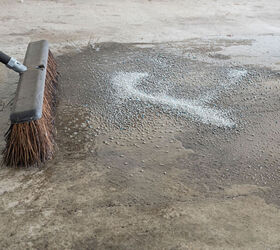
Spread the absorbent over the visible oil without grinding it into the surface. Let it sit for the period recommended by the absorbent manufacturer or until it has collected the liquid.
Step 5: Collect the material
Use a scraper and dustpan to lift the saturated absorbent. Place it in a suitable container and prevent loose material from blowing or washing away.
Step 6: Treat the residue
Apply a concrete-safe degreaser according to its label. Allow the stated contact time, then scrub gently with a stiff nylon brush.
Step 7: Collect the dirty liquid
Use absorbent pads, a wet vacuum suitable for the material, or another appropriate collection method to recover the dirty cleaner. Never use an ordinary household vacuum on liquid oil.
Step 8: Inspect and repeat
Check the surface after the cleaner has been removed. If a dark patch remains, repeat the treatment as directed rather than increasing the chemical strength without guidance.
How to Clean an Oil Spill in an Enclosed Garage
In an enclosed garage, keep the area well ventilated while using a cleaning product. Open doors when outdoor conditions and security allow, and follow the label’s ventilation requirements. Do not use a gasoline-powered pressure washer, engine, or other combustion equipment in an enclosed space because exhaust can build up.
Avoid standing in the spill while working. Oil can make concrete very slippery, and contaminated shoes may carry it into the house. Use a designated pair of work shoes or disposable protective coverings when appropriate, and clean reusable tools before storing them.
Protect nearby items
Move tools, stored goods, and other items away from the spill if they can be moved safely.
Keep drains protected
Do not allow wash water to reach a floor drain unless you have verified that the disposal method is lawful and suitable for the contaminated liquid.
How to Remove Old Oil Stains From Concrete
Old motor oil stains often need more than a quick wash because the oil may have penetrated the concrete. Start by removing loose dirt and any surface residue. Then choose a cleaner or poultice labeled for oil stains on concrete and follow its instructions.
A poultice is an absorbent paste or material used to draw certain contaminants toward the surface as it dries. Some concrete oil-stain products work this way, while others rely on detergents or solvents. Use only a product whose label permits the intended application, and do not assume that every product can be left to dry on every type of concrete.
Source: classicstonedriveways.co.uk
Step 1: Remove loose residue
Sweep away dirt and collect any remaining surface oil with an absorbent. Avoid dry sweeping contaminated material into nearby areas.
Step 2: Apply a suitable cleaner
Follow the label for the correct amount, application method, and contact time. Test a small area if discoloration or coating damage is possible.
Step 3: Scrub the stain
Use a stiff nylon brush and moderate pressure. Aggressive abrasion may damage the concrete finish without removing oil that has soaked deeper.
Step 4: Collect the residue
Lift the loosened oil and cleaner with absorbent material or a suitable collection method. Do not simply rinse it into the driveway edge or street.
Step 5: Repeat if needed
Allow the surface to dry enough to assess the result. Multiple treatments may be needed, and some deeply penetrated stains may remain visible.
When a Concrete Oil-Stain Poultice May Help
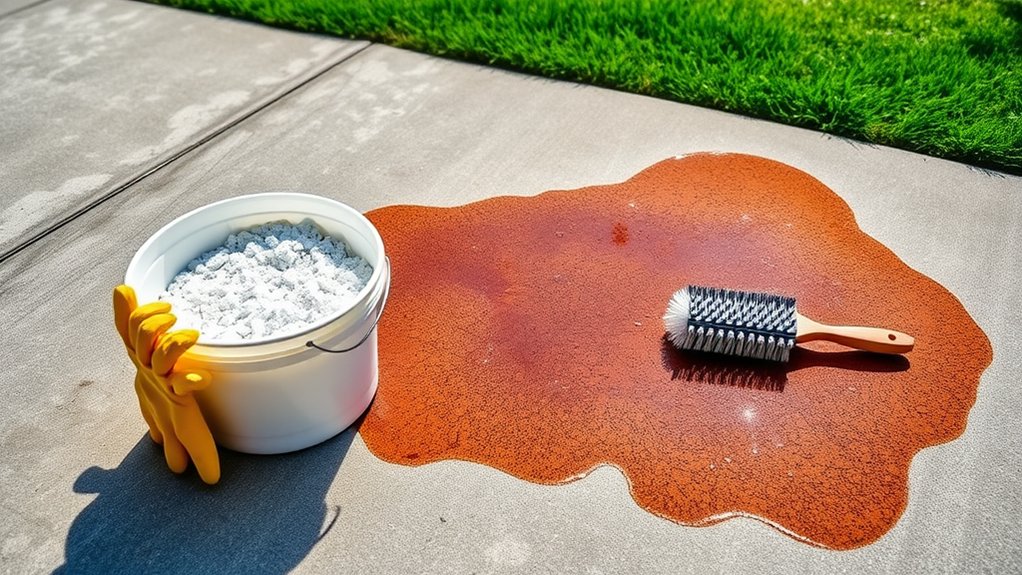
A poultice may be useful when a stain remains after the surface oil has been removed. Apply it as directed, keep it away from children and pets, and collect the dried material rather than brushing it into the soil. The product label should explain whether the material must dry fully before removal.
Do not mix different cleaning products to make a stronger paste. Some combinations can release hazardous gases or cause heat, splashing, or other reactions. If the stain is widespread or the concrete is valuable decorative material, a professional concrete cleaner may be a better choice.
Use a compatible product
Confirm that the product is intended for the surface and the type of oil stain.
Expect limits
A stain may become lighter without disappearing because oil can penetrate below the area reached by the treatment.
Can Pressure Washing Remove Old Oil Stains?
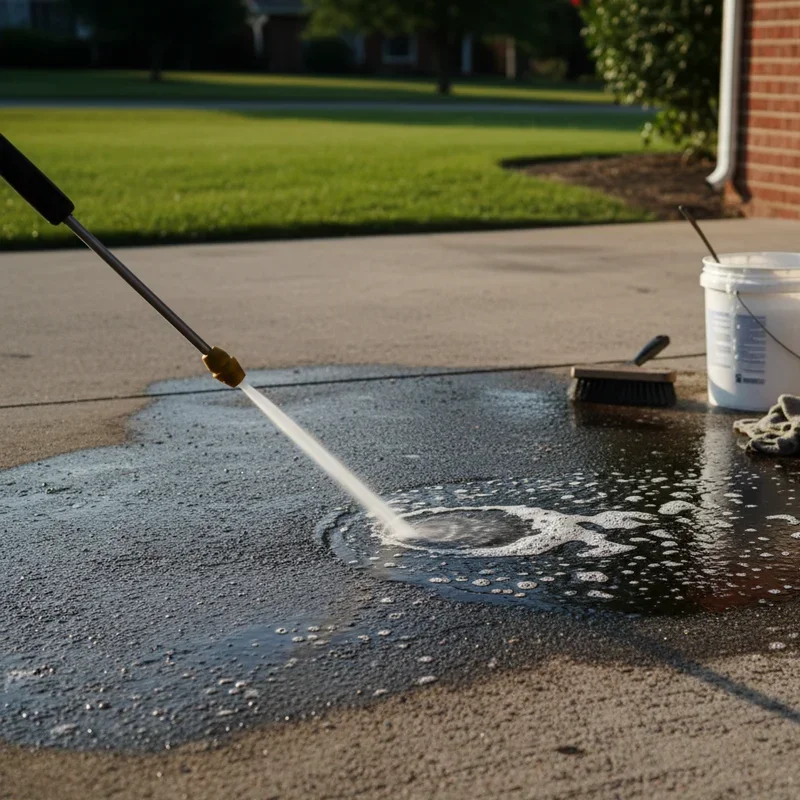
Pressure washing can remove some loose dirt and cleaning residue, but pressure alone may not remove oil trapped inside concrete. A high-pressure spray can also spread contaminated water, damage a weak surface, or force residue into cracks.
Use a pressure washer only when the surface and cleaning product allow it, and when you can collect and manage the wastewater. A low-pressure application and controlled brushing may be more suitable for a small household stain. Avoid directing spray toward storm drains, neighboring property, or unprotected soil.
Use controlled pressure
Follow the surface and equipment instructions and begin with the least aggressive method that is likely to work.
Manage runoff
Contain and collect contaminated wastewater instead of allowing it to flow into public drainage.
Choosing the Right Oil-Stain Cleaning Method
The best method depends on whether the oil is fresh or old and whether the surface is bare concrete, coated concrete, or asphalt. Use the comparison below to select a practical starting point. Product labels and local disposal rules take priority over general household advice.
Source: storage.googleapis.com
Fresh liquid oil
Start with an oil absorbent, collect the waste, and then treat the remaining residue with a compatible degreaser.
Light surface stain
Try a surface-compatible detergent or degreaser with a nylon brush, followed by controlled residue collection.
Deep, dark stain
Consider a concrete oil-stain remover or poultice. Repeat only as the product directions allow.
Large or spreading spill
Contain the area if safe and contact a qualified spill-cleanup service or the relevant local authority.
Cleaning Method Comparison
Use this table to compare common approaches. These are general descriptions, not a guarantee that a particular method will remove every stain.
Absorbent material
Best for collecting free liquid oil before washing. It does not usually remove a deep, established stain on its own.
Mild detergent
May help with light surface residue. It may be insufficient for heavy or old motor oil stains.
Concrete degreaser
Designed to loosen grease and oil. Compatibility, dwell time, and cleanup requirements vary by formula.
Concrete stain poultice
May draw residual oil toward the surface. It requires proper application and removal, and the stain may not disappear completely.
Professional cleaning
May be appropriate for extensive contamination, persistent stains, decorative surfaces, or spills that need controlled wastewater handling.
What Does Successful Cleanup Look Like?
A successful cleanup removes visible liquid, collects contaminated absorbents, reduces the stain where practical, and leaves no slippery film. The surface should not have standing cleaner or oil, and no dirty runoff should remain flowing toward a drain.
A lighter mark may remain after the concrete dries. That does not necessarily mean the cleanup failed. The important distinction is between a residual discoloration and oil that is still present on the surface. Check the area carefully before allowing normal foot or vehicle traffic.
No visible liquid
The original puddle and loose oil residue have been collected.
No slippery film
The cleaned area does not have an obvious oily coating under safe inspection conditions.
Waste is contained
Used absorbents and collected residue are stored safely for appropriate disposal.
Common Mistakes to Avoid When Cleaning Oil
Some cleanup methods appear fast but can make a spill harder to manage. The most common mistakes involve spreading the oil, using an incompatible chemical, or allowing contaminated water to leave the property.
Source: www.pinterest.com
Rinsing oil straight into the street
Storm drains may discharge to local waterways without the treatment used by sanitary wastewater systems. Contain the spill and collect contaminated cleaning liquid.
Using gasoline as a solvent
Gasoline is highly flammable and produces hazardous vapors. Never use it to clean a garage floor or driveway.
Mixing cleaning chemicals
Combining bleach, acids, ammonia, or other cleaners can create hazardous reactions. Use one suitable product at a time and follow its label.
Scrubbing before absorbing
Scrubbing a fresh puddle can spread oil into a wider area and push it into the concrete. Collect free liquid first.
Using excessive water
A large flow can spread oil beyond the original stain. Use only the water allowed by the cleaning method and control the resulting liquid.
Assuming every cleaner works on every surface
A chemical that works on bare concrete may damage a painted coating, decorative finish, or asphalt. Check compatibility first.
Ignoring a continuing vehicle leak
A new spill can undo the cleanup and create a repeated hazard. Have the leak inspected and repaired before regular parking resumes.
Is Dish Soap Enough to Remove Motor Oil?
Dish soap can help loosen a small amount of surface grease, especially when the oil has not soaked deeply into the concrete. It is not always strong enough for a heavy spill or an old stain. Use a concrete-safe degreaser if ordinary detergent does not work and the product is appropriate for your surface.
Even when dish soap is suitable, the dirty liquid still needs to be collected or managed lawfully. Soap does not make oil harmless, and a foamy rinse can still carry contamination into a storm drain.
For light residue
A small amount of suitable detergent and controlled scrubbing may be enough.
For stubborn stains
Choose a cleaner designed for the surface and oil type rather than repeatedly pouring on more soap.
Oil Spill Safety and Waste Disposal
Safe disposal is part of cleaning an oil spill, not an optional final step. Used absorbents can contain petroleum products, and dirty cleaning liquid can carry oil away from the concrete. Do not assume that a household trash bin, sewer, or storm drain is appropriate for every type of contaminated waste.
For a small amount of ordinary household motor oil, follow your local waste authority’s instructions for used absorbents and contaminated cleanup materials. Keep the waste in a suitable, secure container while arranging disposal. Do not pour collected oil or oily cleaning liquid onto soil, into a ditch, into a street gutter, or into a storm drain.
If the spill is large, has reached a waterway, contains an unknown substance, or creates an immediate fire or exposure hazard, keep people away and seek help from the appropriate emergency or environmental authority. In the United States, local fire departments, environmental agencies, and hazardous-waste programs can provide guidance based on the spill and location.
Source: shunauto.com
Wear appropriate protection
Use gloves and eye protection that are compatible with the oil and cleaner. Follow the safety instructions on the product label and safety data sheet.
Prevent skin and eye contact
Avoid touching contaminated absorbents with bare hands. If exposure occurs, follow the product’s first-aid instructions and seek medical advice when needed.
Protect drains and waterways
Use suitable absorbent barriers to prevent migration where it is safe to do so. Do not put yourself at risk trying to block a large or fast-moving spill.
Store cleanup waste safely
Keep contaminated material contained, away from children, pets, heat, and ignition sources, and arrange disposal according to local rules.
Check local requirements
Waste rules can differ by city, county, and state. Ask your local household hazardous-waste or solid-waste program how to handle the specific material.
Why You Should Not Wash Oil Into a Storm Drain
Storm drains are often designed to move rainwater away from roads and buildings. In many communities, that water can flow into creeks, rivers, lakes, or coastal waters without passing through a wastewater treatment plant. Washing motor oil into a storm drain can therefore move pollution from a driveway into the local environment.
The same concern applies to oil mixed with detergent. The mixture can still contain petroleum residue even if it looks diluted or produces foam. Collecting the dirty liquid and following local disposal instructions is a better choice than allowing it to flow away.
Before rinsing
Confirm that the cleaning method is suitable and that you have a lawful way to manage the wastewater.
If oil reaches a drain
Do not add more water. Keep people away from the affected area and contact the appropriate local authority for instructions.
How to Prevent Future Garage and Driveway Oil Stains
Preventing repeat spills is easier than cleaning the same stain again and again. Regular vehicle checks, a suitable drip tray, and prompt attention to small leaks can reduce the amount of oil that reaches the floor.
Prevention also helps you spot mechanical problems before they become more serious. A new puddle under a parked vehicle can indicate a leak that needs inspection rather than another round of driveway cleaning.
Source: www.youtube.com, homesteady
Use a drip tray
Place a suitable tray under a vehicle that has a known minor leak, provided the tray can be positioned safely and does not contact hot or moving components.
Inspect parking areas
Check the garage floor and driveway from time to time for fresh spots, puddles, or a widening stain.
Repair leaks promptly
Have persistent leaks inspected by a qualified mechanic. A drip tray is a temporary containment measure, not a repair.
Keep absorbents on hand
Store suitable spill pads or absorbent material in a dry, accessible location, following the manufacturer’s storage instructions.
Protect vulnerable surfaces
Use a compatible garage floor coating or parking mat where appropriate. Check its resistance to oil and the manufacturer’s cleaning guidance.
Clean small spills early
Absorb free oil as soon as it is safe to do so, before it spreads or has more time to enter the concrete.
Should You Seal a Concrete Driveway After Cleaning?
A suitable concrete sealer may help reduce the penetration of future oil spills, but its effectiveness depends on the product, concrete condition, and application. Sealing does not make concrete completely stain-proof, and some sealers can change the surface appearance or traction.
Before applying a sealer, remove as much oil as practical and allow the surface to meet the sealer manufacturer’s preparation and moisture requirements. Oil trapped beneath a coating can interfere with adhesion or lead to poor results. If the concrete remains heavily contaminated, seek advice from a concrete-care professional.
Check compatibility
Choose a sealer approved for the type of concrete and expected vehicle exposure.
Prepare the surface
Follow the specified cleaning, drying, and application instructions before coating the area.
Troubleshooting Stubborn Oil Stains
If the stain remains after cleaning, identify the problem before changing methods. A dark patch may indicate oil still inside the concrete, but a wet surface, natural discoloration, or damage to a coating can also affect its appearance. Let the area dry as directed and reassess it in good light.
Source: www.autoguide.com
The stain is still dark
The oil may have penetrated the concrete. Try another label-approved treatment or a suitable poultice, recognizing that full removal may not be possible.
The surface feels slippery
Residual oil or cleaner may remain. Keep people away and repeat the compatible cleaning and collection process as directed.
The cleaner leaves a white mark
The mark may be dried product residue or a surface reaction. Check the label and test any recommended removal method in a small area.
The stain spreads during cleaning
Stop adding water or scrubbing outward. Contain the affected area, absorb free liquid, and reassess the cleanup method.
The coating looks damaged
Stop using the cleaner and check the coating manufacturer’s care instructions. Professional assessment may be needed before recoating.
When Should You Call a Professional?
Professional help is appropriate when a spill covers a large area, the source or chemical is unknown, oil has entered a drain, or repeated cleaning leaves a serious slip hazard. A professional service may also be useful for decorative concrete, coated floors, and persistent stains that could be damaged by aggressive treatment.
Ask the service how it will contain the spill, collect wastewater, and handle contaminated absorbents. The ability to manage the waste properly matters as much as the visible cleaning result.
Large or hazardous release
Do not attempt an unfamiliar chemical cleanup without the right training and protective equipment.
Drain or waterway contamination
Contact the relevant local environmental or emergency authority for guidance.
Persistent surface damage
Consult a qualified concrete or floor-coating professional before using stronger chemicals or mechanical abrasion.
Frequently Asked Questions
Q
What is the fastest way to clean motor oil off a concrete driveway?
For a fresh spill, cover the oil with a suitable absorbent, allow it to collect the liquid, and remove the contaminated material. Apply a concrete-safe degreaser to the remaining stain, scrub with a stiff nylon brush, and collect the residue. The fastest safe method is one that contains the oil without spreading it into the street or a storm drain.
Q
Can old oil stains be completely removed from concrete?
Sometimes, but complete removal is not guaranteed. Oil can penetrate below the surface, especially when it has remained on porous concrete for a long time. A concrete oil-stain remover or poultice may lighten the mark, and several treatments may be needed. Deep discoloration can remain even after the surface oil has been removed.
Q
Does vinegar remove motor oil from a garage floor?
Vinegar is not a dependable first choice for a motor oil spill. It does not replace an absorbent for collecting free oil, and its effectiveness on a deep oil stain is limited. A compatible degreaser labeled for the surface is generally a more suitable option. Never mix vinegar with bleach or other cleaning products.
Q
Is cat litter good for cleaning oil spills on a driveway?
Suitable clay cat litter can absorb some free oil from a small spill. Spread it over the liquid, allow it to absorb the oil, and collect the used litter carefully. It works best as an initial containment method and usually does not remove an established stain from inside concrete. Dispose of the contaminated material according to local waste guidance.
Q
Can I hose down an oil spill in my garage?
Do not hose oil toward a floor drain, street, or storm drain. Water can spread the contamination over a larger area and carry oil into waterways. Absorb the free oil first, then use a compatible cleaning method that allows you to collect and manage the dirty liquid. Follow local disposal rules and the cleaner’s instructions.
Q
How do I clean an oil spill on an asphalt driveway?
Absorb fresh oil first and collect the contaminated material. Then use a cleaner specifically labeled for asphalt, following its directions and testing a small area if recommended. Avoid harsh petroleum solvents and aggressive pressure washing because they may damage the asphalt. For a large spill or softened pavement, contact a qualified cleanup or paving professional.
Q
How can I prevent oil stains under my parked car?
Inspect the parking area regularly and have new leaks checked by a mechanic. A compatible drip tray or oil-resistant parking mat can help contain small drips while you arrange repairs. Keep absorbent materials available for minor spills, and clean fresh oil promptly using a safe collection and disposal method.
✦ Wrapping Up
Conclusion
Cleaning oil spills from a garage floor or driveway is easier when you contain the oil before it spreads. Absorb fresh liquid, collect contaminated material, use a cleaner that suits the surface, and scrub only as much as needed. Older stains may require a suitable concrete treatment or professional cleaning, and some discoloration may remain.
Keep safety and waste disposal in mind throughout the process. Never use gasoline as a cleaning solvent, mix incompatible chemicals, or rinse oily wastewater into a storm drain. If the spill is large, involves an unknown substance, or has reached a drain or waterway, seek appropriate professional or local-authority guidance.
💡 Key Takeaway
For your next small oil spill, keep people away, absorb the free oil first, apply a compatible cleaner, collect all contaminated residue, and inspect the dry surface before allowing normal use.
Sarah believes that a messy garage is a wasted room. After years of working in professional home staging and interior design, she shifted her focus to the most neglected part of the house: the garage. She focuses on vertical storage, aesthetic floor coatings, and converting dusty corners into functional workspaces. Sarah’s goal is to help you "unlock" every square inch of your garage.
Sarah believes that a messy garage is a wasted room. After years of working in professional home staging and interior design, she shifted her focus to the most neglected part of the house: the garage. She focuses on vertical storage, aesthetic floor coatings, and converting dusty corners into functional workspaces. Sarah’s goal is to help you "unlock" every square inch of your garage.