
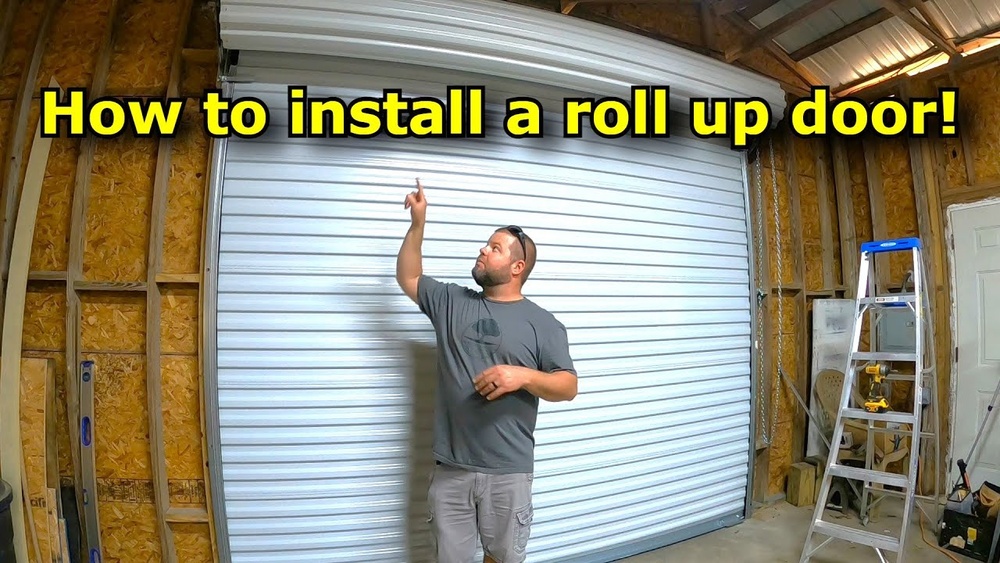
How To Install A Roll Up Garage Door
Installing a roll up garage door may seem challenging if you’re new to home improvement, but with the right instructions, you can complete the job confidently. A roll up door saves space, offers secure access, and is common in both homes and commercial buildings. This step-by-step guide is designed for beginners and covers everything you need—from preparation to final checks.
Why Choose A Roll Up Garage Door?
A roll up door is different from traditional swing or sectional garage doors. Instead of opening outwards or upwards in sections, it rolls into a compact coil above the doorway. Some reasons people prefer roll up doors:
- Space saving: No tracks along the ceiling.
- Low maintenance: Fewer moving parts mean less wear.
- Durability: Often made from steel or strong aluminum.
- Security: Difficult to force open compared to panel doors.
Many businesses and homes use them for these reasons. According to the International Door Association, over 30% of new garage installations in the US are roll up designs.
Tools And Materials Needed
Before you start, gather these essential tools and materials. Having everything ready will make your installation smoother.
- Power drill and bits
- Level (at least 4 feet)
- Tape measure
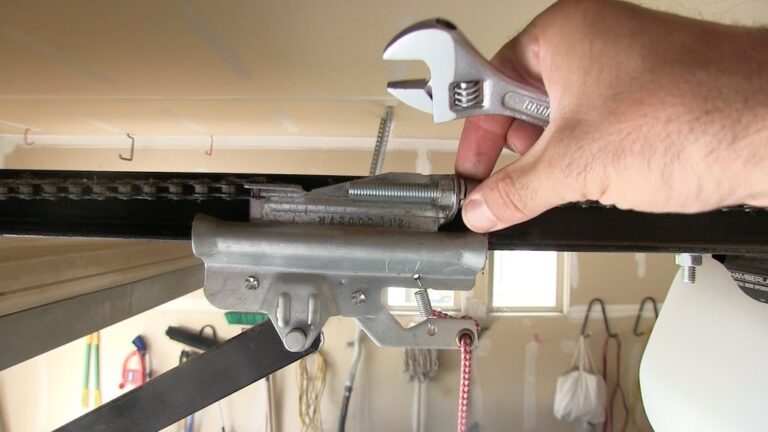
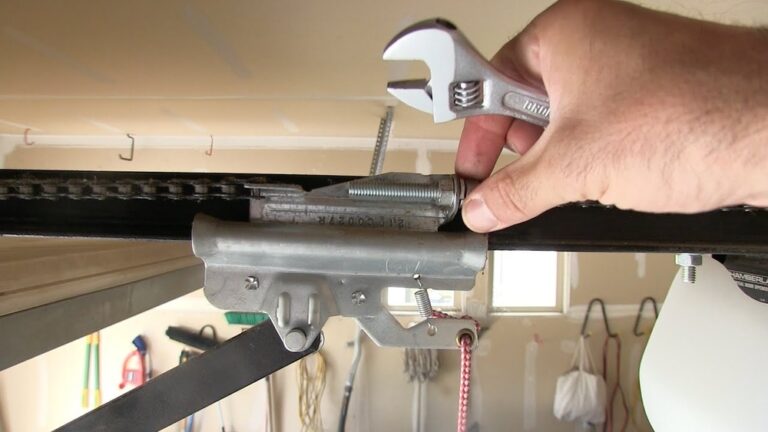
- Adjustable wrenches
- Screwdrivers (Phillips and flat-head)
- Stepladder
- Hammer
- Socket set
- Safety glasses and gloves
- Pencil or chalk
- Anchors and lag bolts (usually included with the door)
- Silicone sealant
For materials, the main items are:
- Roll up garage door kit (door curtain, drum, brackets, guides, fasteners)
- Bottom weather seal (often included)
- Lock or latch (if not included)
Tip: Double-check your kit’s contents before starting. Missing parts will delay the project.
Credit: www.industrialdoorsolution.com
Preparing For Installation
Taking time to prepare will prevent mistakes later.
Measure Your Opening
Accurate measurements are critical. If your door doesn’t fit, it won’t work correctly.
- Measure the width and height of your garage opening.
- Measure the headroom (space above the opening) and side room (space on either side).
- Most roll up doors need at least 12 inches of headroom and 4 inches of sideroom.
If your opening is not perfectly square, fix it before installing the door.
Check The Structure
- Ensure the frame is strong enough to support the door’s weight.
- Look for rotting wood, loose bricks, or other damage.
- If installing on metal or concrete, you may need special anchors.
Clear The Area
- Remove anything blocking the garage opening.
- Clean the floor and wall surfaces.
- Make sure you have enough light to see clearly.
Step-by-step Installation Guide
Now, let’s walk through the installation process. Read every step before you start. The process usually takes 3–6 hours for beginners.
1. Marking And Installing Brackets
- Use a level to mark the top of the garage opening.
- Mark where the mounting brackets will go. These must be at the same height.
- Drill holes and attach brackets using the supplied bolts.
- Check that both brackets are level and secure.
Beginner insight: It’s easy to rush this step, but even a small misalignment can cause the door to jam or wear out early.
2. Installing The Door Guides
The door will slide up and down in side tracks, called guides.
- Position the side guides on both sides of the opening.
- Use your level again to make sure they are perfectly vertical.
- Mark and drill holes for the guide fasteners.
- Secure the guides with bolts, but don’t overtighten.
If your guides are not vertical, the door may stick or not close fully.
3. Lifting The Door Curtain
This is the heaviest step. Most door curtains weigh between 60–150 lbs depending on size.
- With a helper, lift the rolled-up curtain above the opening.
- Place the curtain on the brackets so the axle rests securely.
- Insert any retaining pins or bolts to lock the axle in place.
Safety tip: Never try lifting the curtain alone. Risk of injury is high.
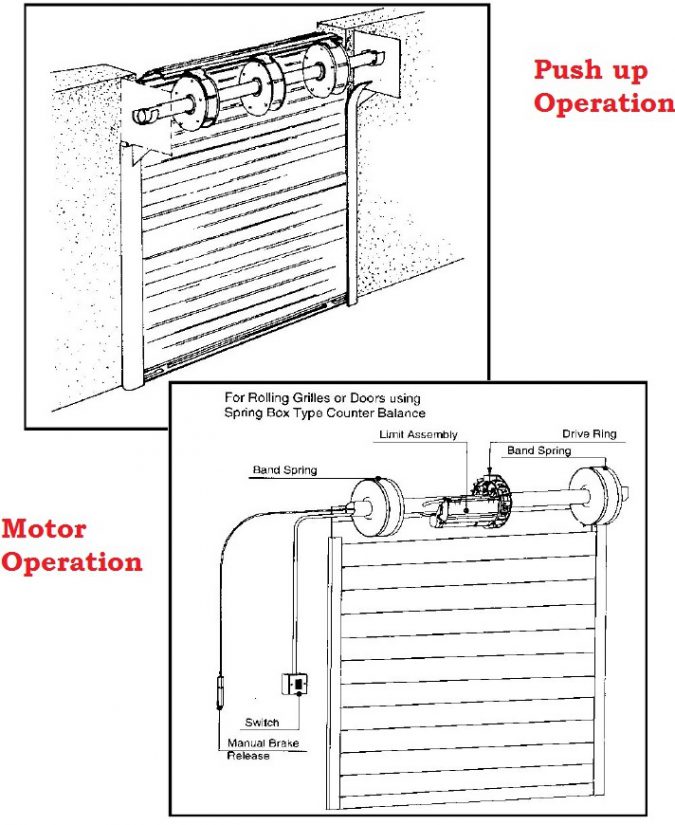
4. Attaching The Drum And Spring Mechanism
The drum and spring help the door roll smoothly.
- Attach the drum wheels on each end of the axle.
- Slide the curtain’s edge into the side guides.
- Wind the spring as instructed by the manufacturer. This may require several turns.
- Lock the spring according to the instructions. Many doors have a locking screw.
Practical tip: Always wear gloves. Springs are under tension and can cause injuries if handled carelessly.
5. Securing The Bottom Bar And Weather Seal
The bottom bar closes gaps, blocks water, and adds strength.
- Slide the weather seal into the bottom bar slot.
- Attach the bottom bar to the curtain with supplied fasteners.
- Check that the weather seal sits flat on the ground.
6. Testing The Door Operation
Before finalizing, test the door several times.
- Raise and lower the door slowly.
- Listen for scraping or sticking.
- Check that the door locks securely in the closed position.
If anything feels stiff, check the guides and brackets for alignment issues.
7. Final Adjustments And Sealing
- Tighten all bolts and check for loose screws.
- Apply silicone sealant around the edges to prevent water leaks.
- If needed, adjust the spring tension for smooth operation.
Comparison: Roll Up Vs. Sectional Garage Doors
Understanding your options helps you make informed decisions. Here’s a direct comparison:
| Feature | Roll Up Door | Sectional Door |
|---|---|---|
| Space Needed | Minimal ceiling space | Requires ceiling tracks |
| Maintenance | Low | Moderate |
| Installation Time | 3–6 hours | 5–8 hours |
| Durability | Very high | Good |
| Cost | Medium to high | Low to medium |
Common Mistakes To Avoid
Beginners often make these errors. Avoid them for a smooth installation:
- Skipping measurements: Always double-check opening size.
- Working alone: The door is heavy; ask for help.
- Not leveling brackets: Leads to poor operation.
- Ignoring spring safety: Springs can snap and injure you.
- Forgetting sealant: Can cause water leaks in the garage.

Credit: www.youtube.com
Cost And Time Estimate
Installing a roll up garage door is cost-effective if you do it yourself.
- DIY kit price: $400–$900 (standard sizes)
- Professional labor: $200–$500 extra if you hire help
- Time required: 3–6 hours for beginners
If you need to buy tools, budget an extra $50–$100.
Maintenance Tips
Roll up doors need little care, but some regular checks will extend their life:
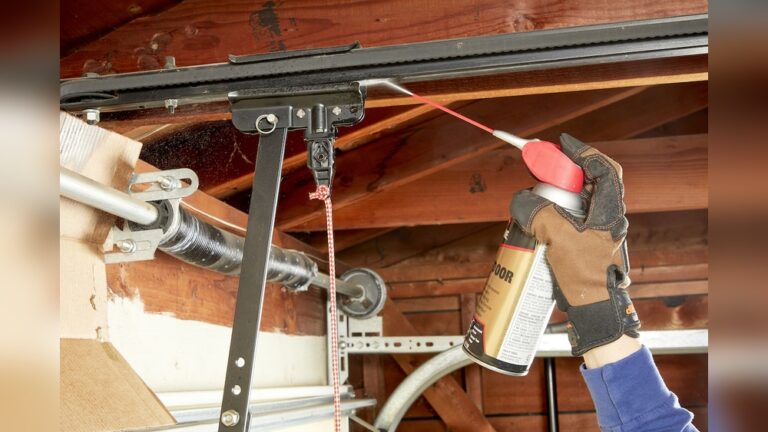
- Lubricate moving parts every 6 months.
- Check weather seals yearly.
- Inspect for rust or damage.
- Tighten bolts if you hear rattling.
| Maintenance Task | Frequency | Tools Needed |
|---|---|---|
| Lubricate guides | Every 6 months | Spray lubricant |
| Check weather seal | Yearly | Visual inspection |
| Tighten bolts | Annually | Wrench |
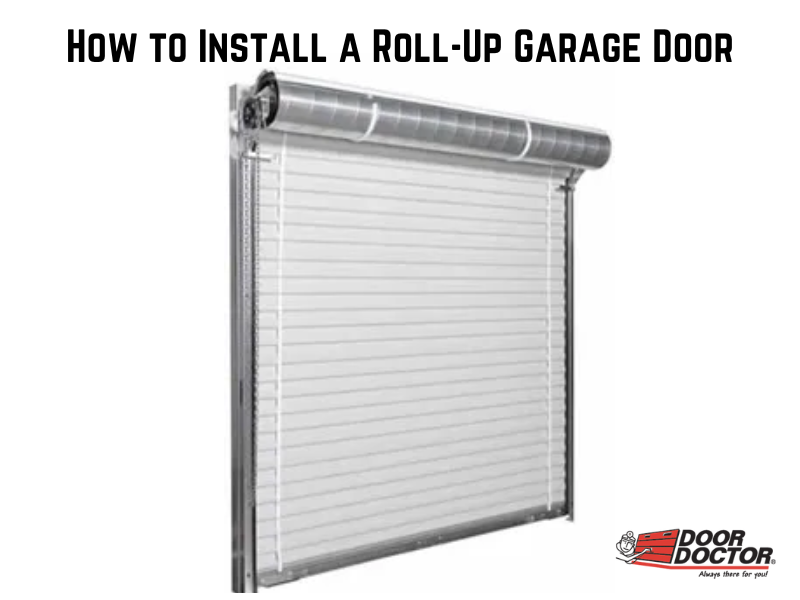
Credit: doordoctor.com
Safety Tips For Beginners
Safety should always come first. Here are practical precautions:
- Always wear safety glasses and gloves.
- Use a ladder safely—never stand on the top rung.
- Keep tools organized and out of walkways.
- Do not rush through spring adjustments.
- If unsure, consult a professional installer.
A common beginner mistake is underestimating spring tension. If you feel uncertain, hiring a pro for this step is wise.
Environmental Benefits Of Roll Up Doors
Roll up doors can help reduce energy use in your garage:
- Many models have insulated panels that keep hot or cold air out.
- A tight seal reduces drafts, lowering heating and cooling bills.
- Durable materials last longer, so fewer doors end up in landfills.
According to the US Department of Energy, a well-sealed garage can reduce overall home energy loss by up to 10%.
When To Call A Professional
Not every project should be DIY. Call a garage door installer if:
- Your opening is out of square or damaged.
- The door is wider than 10 feet (very heavy).
- You’re uncomfortable handling springs.
- You want a door opener installed at the same time.
A pro can usually complete the job in less than 3 hours.
Example Scenario
Imagine you have a 9×7 foot garage opening and want to install a basic steel roll up door.
- Kit price: $500
- Tools: $75 (if you don’t own them)
- Time: 4 hours with a friend’s help
You measure the opening, confirm enough headroom, and follow each installation step. After sealing the sides, the door opens and closes smoothly. With regular checks, your door will last for many years.
Troubleshooting Common Problems
If your new door isn’t working perfectly, check these points:
- Door sticks or jams: Guides may not be vertical.
- Door won’t close fully: Spring tension may need adjusting.
- Drafts at the bottom: Weather seal may be missing or uneven.
- Loud noises: Lubricate the axle and guides.
Most minor issues can be fixed with simple adjustments.
| Problem | Possible Cause | Solution |
|---|---|---|
| Door won’t roll up smoothly | Misaligned guides | Re-level and tighten guides |
| Gaps at sides | Improper guide placement | Reposition guides closer to curtain |
| Spring makes noise | Lack of lubrication | Apply garage door lubricant |
Frequently Asked Questions
How Much Headroom Do I Need For A Roll Up Garage Door?
Most roll up doors require 10–14 inches of headroom above the opening. Always check your specific door’s manual before purchasing.
Can I Install A Roll Up Garage Door By Myself?
While possible, it’s much safer and easier with at least one helper. The door curtain is heavy, and some steps require holding parts in place while attaching bolts.
What Should I Do If My Garage Opening Isn’t Square?
Fix the frame before installing your door. A crooked opening can lead to poor operation, gaps, and early wear on the door.
How Often Should I Maintain My Roll Up Garage Door?
Lubricate moving parts every 6 months, inspect weather seals yearly, and tighten bolts as needed. Regular checks help your door last longer.
Where Can I Find More Details On Garage Door Standards?
You can find detailed standards and safety guidelines at the International Door Association website.
A roll up garage door adds value and convenience to your home. Take your time, follow each step, and don’t hesitate to get help when needed. With careful installation and regular maintenance, your new door will provide secure, trouble-free service for years.