
If your garage door won’t close, it can be stressful and confusing. You might worry about security or safety. Maybe you tried pressing the remote, but nothing happens. Or the door goes down and then comes back up. Many homeowners face this problem at least once. Understanding why it happens can help you fix it fast, avoid bigger issues, and save money.
Let’s break down the common reasons, show practical solutions, and give clear answers to help you get your garage door working again. You’ll learn about sensors, remotes, tracks, and even weather effects. This guide is designed for beginners, with simple words and step-by-step advice.
What Happens When A Garage Door Won’t Close?
When your garage door won’t close, you might see different symptoms:
- Door goes down partway, then reverses
- Remote or wall switch does nothing
- Lights flash or beep when you try to close
- Door gets stuck or jammed
- Door closes but leaves a gap
Each symptom points to a specific cause. Understanding these signs helps you find the real problem faster.
Safety Sensors: The Most Common Issue
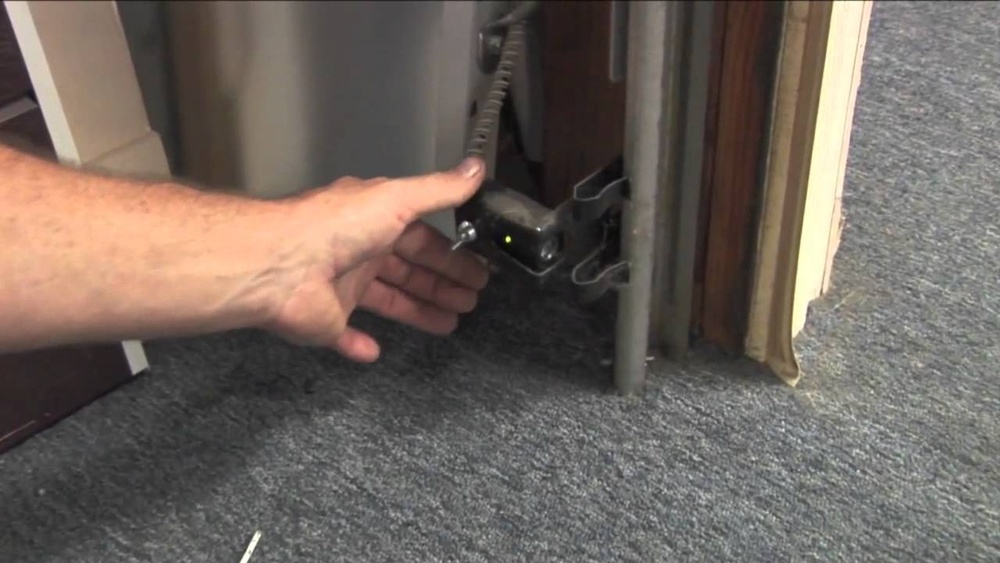
Most modern garage doors have safety sensors (photo eyes) near the ground, right by the rails. These sensors stop the door from closing if something is in the way.
How Safety Sensors Work
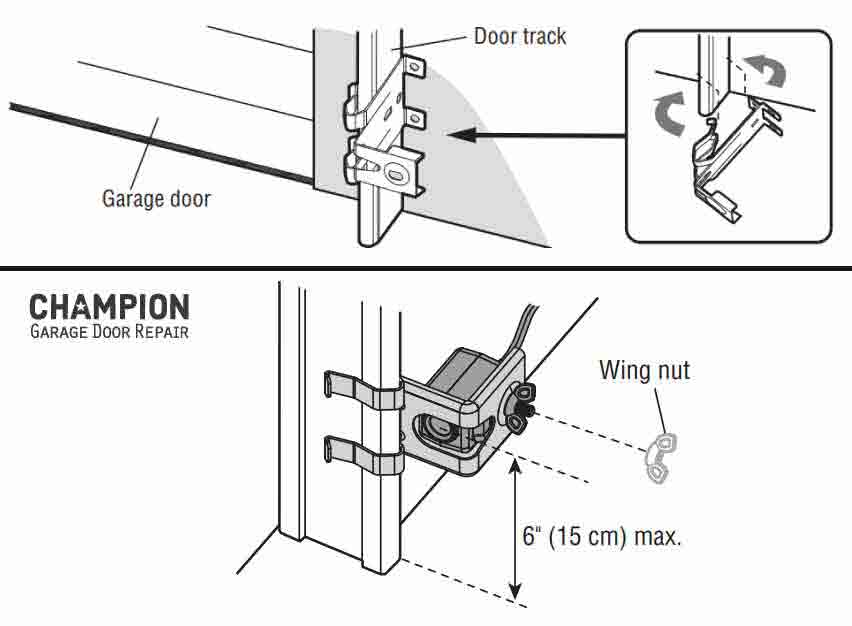
- Two sensors are placed on each side of the door, about 4-6 inches above the floor.
- They send a beam of light across the door opening.
- If the beam is blocked, the door won’t close for safety.
Common Sensor Problems
- Dirty sensors: Dust, spider webs, or debris can block the beam. Cleaning them often fixes the issue.
- Misaligned sensors: If sensors aren’t pointed directly at each other, the beam won’t connect.
- Loose wires: Sometimes wires get pulled out or damaged.
- Sunlight interference: Direct sunlight can confuse the sensors, especially in the afternoon.
Easy Fixes
- Wipe sensors gently with a soft cloth.
- Check that both sensor lights are on (usually one green, one yellow).
- Adjust sensors so they face each other.
- Make sure nothing is blocking the sensors, like bikes, boxes, or leaves.
Practical Example
Sarah noticed her garage door wouldn’t close. She saw one sensor light was off. After cleaning the lens and realigning the sensor, both lights came on and the door worked again.
Remote And Wall Switch Problems
Sometimes the issue is with your remote or wall switch.
Common Remote Issues
- Dead batteries: Remotes use small batteries that need changing every 1-2 years.
- Programming lost: Remotes can lose their connection to the opener after a power surge.
- Button stuck: Dirt or wear can cause buttons to jam.
Wall Switch Problems
- Loose wiring: The wall switch might not be connected well.
- Broken switch: Sometimes the switch itself fails.
Troubleshooting Steps
- Try the wall switch and remote. If both don’t work, the opener may be the problem.
- Replace remote batteries.
- Reprogram the remote. Check your opener manual for steps.
- Inspect the wall switch for loose wires.
Garage Door Tracks And Rollers
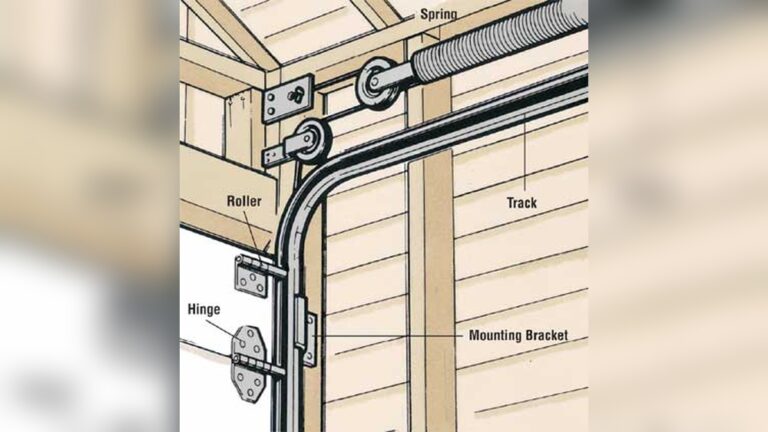
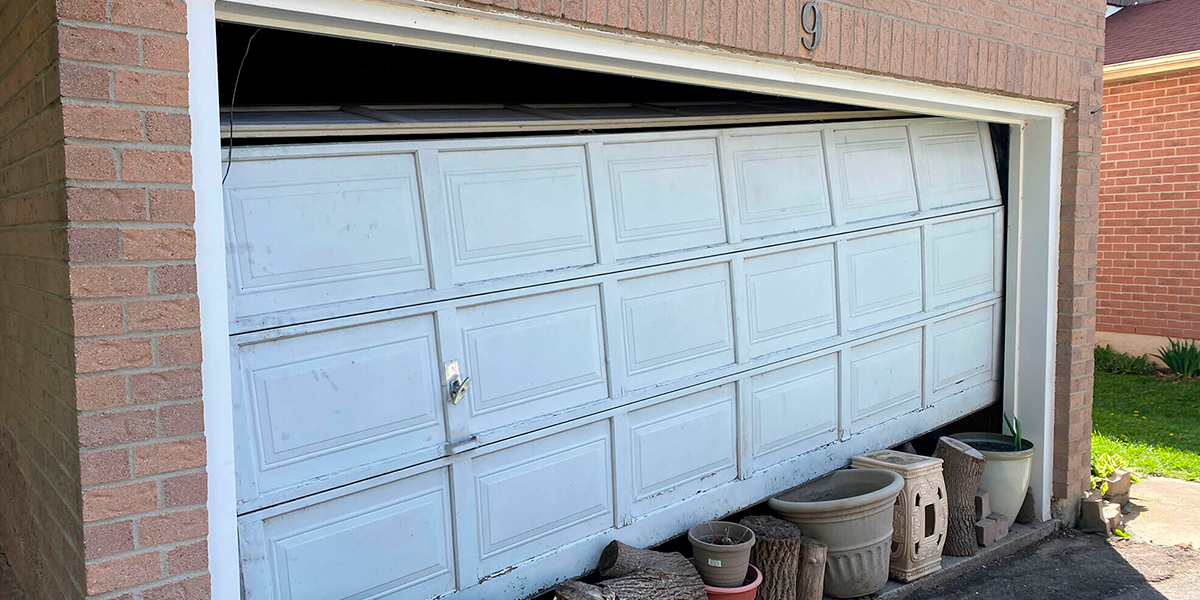
The tracks and rollers guide your garage door as it moves. If they’re bent or blocked, the door might not close.
What To Check
- Look for obstructions in the tracks: Leaves, stones, or tools.
- Check for bent tracks or damaged rollers.
- Listen for squeaking or grinding noises.
Fixes And Tips
- Remove any debris or blockage.
- Gently straighten bent tracks with pliers.
- Lubricate rollers with silicone spray.
Example Data
According to the International Door Association, about 30% of stuck garage doors are due to track or roller issues.
Credit: garagedoorchamp.com
Limit Settings And Force Adjustments
Your garage door opener has limit settings that control how far the door goes down. If these settings are wrong, the door may stop too early or reverse.
Why Limit Settings Matter
- If set too high, the door stops before touching the ground.
- If set too low, the door may hit the floor and bounce back.
Adjusting Limits
- Find the adjustment screws on your opener (usually labeled “up” and “down”).
- Turn the screw a little, test the door, and repeat until it closes properly.
Common Mistakes
- Adjusting too much at once.
- Not testing after each change.
Example Table: Limit Setting Symptoms
| Symptom | Possible Limit Setting Issue | Solution |
|---|---|---|
| Door stops above ground | Down limit set too high | Lower down limit |
| Door hits floor, reverses | Down limit set too low | Raise down limit |
| Door won’t open fully | Up limit set too low | Increase up limit |
Garage Door Opener Problems
The garage door opener itself can fail. This is the motor unit above your door.
Signs Of Opener Issues
- Motor runs but door doesn’t move
- Loud noises or humming
- Flashing lights or error codes
Causes
- Gear failure: Internal gears can wear out after 5-10 years.
- Circuit board failure: Power surges or age can damage electronics.
- Disconnected power: Plug may be loose or outlet dead.
What To Do
- Check if the opener is plugged in.
- Look for error codes in the manual.
- If you hear humming but no movement, gears might need replacement.
Real Data
Most garage door openers last 10-15 years. After that, breakdowns are more common.
Credit: whitbygaragedoors.com
Weather And Environmental Factors
Sometimes the weather causes garage doors to malfunction.
Common Effects
- Cold: Metal contracts, making movement harder.
- Heat: Parts expand, sensors may fail.
- Humidity: Causes rust or electrical shorts.
Practical Solutions
- Lubricate moving parts before winter.
- Shade sensors if sunlight is a problem.
- Check for water leaks near opener electronics.
Example Table: Weather Effects
| Weather | Possible Problem | Prevention |
|---|---|---|
| Cold | Stiff rollers/tracks | Use winter lubricant |
| Heat | Sensor failure | Shade sensors |
| Humidity | Rust, shorts | Check for leaks |
Manual Release And Emergency Situations
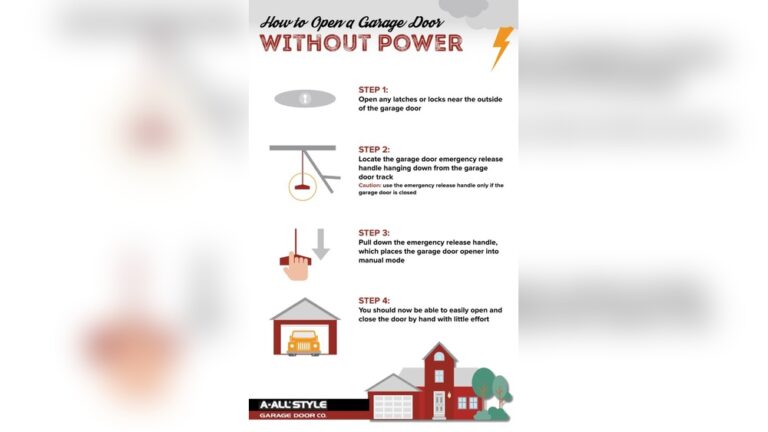
If you need to close your door urgently, use the manual release.
How Manual Release Works
- Pull the red handle on the opener rail.
- This disconnects the door from the motor.
- You can now move the door by hand.
Safety Tips
- Make sure nothing is blocking the door.
- Don’t force the door if it’s stuck.
- Reconnect the opener when done.

Credit: www.youtube.com
Comparing Professional Vs Diy Fixes
Some problems are easy to fix yourself. Others need a professional.
Diy Fixes
- Cleaning sensors
- Changing batteries
- Removing track obstructions
- Adjusting limit settings
Professional Repairs
- Gear or motor replacement
- Circuit board repairs
- Major track realignment
Example Table: Repair Types
| Problem | DIY Possible? | Professional Needed? |
|---|---|---|
| Sensor dirty/misaligned | Yes | No |
| Remote battery | Yes | No |
| Broken gear | No | Yes |
| Major track bent | No | Yes |
Non-obvious Insights Beginners Miss
Many beginners overlook some key points:
- Power supply check: Sometimes the outlet powering the opener is off. Try plugging in another device to check.
- Safety lock feature: Some openers have a vacation lock mode. If activated, your remote won’t work. Check your manual for this feature.
- Sensor wire damage: Pets, lawn tools, or even rodents can chew or pull sensor wires. Inspect wires closely.
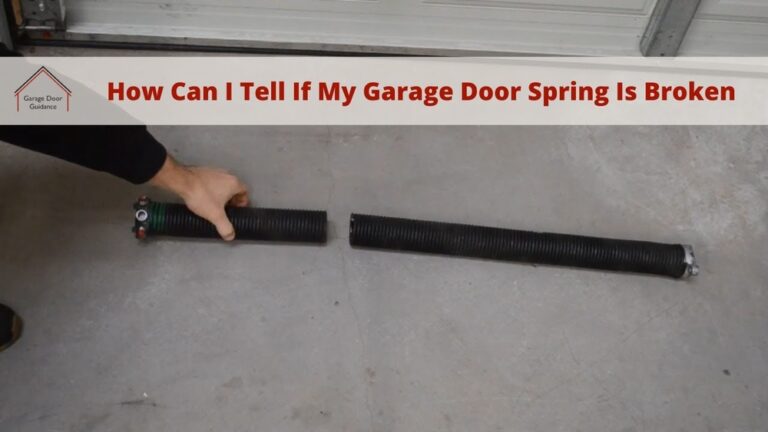
- Garage door balance: If the door springs are weak or broken, the opener may not be able to pull the door down. Try lifting the door manually—if it’s heavy, the springs need repair.
Preventative Maintenance Tips
Keeping your garage door in good shape prevents future problems.
- Clean sensors and tracks monthly.
- Lubricate rollers and hinges every 6 months.
- Test remote batteries yearly.
- Inspect wires and springs for wear.
- Have a professional check the opener every 2 years.
These steps can extend the life of your system and avoid costly repairs.
Real-life Statistics
- Nearly 70% of garage door issues are fixed with simple cleaning or sensor alignment.
- 20% need battery or remote fixes.
- Only 10% require professional repair.
This shows most problems are simple and easy to handle.
When To Call A Professional
Call a licensed technician if:
- You see broken springs or cables.
- The door is off its tracks.
- The opener makes loud grinding noises.
- You tried basic fixes but nothing works.
Professional help costs between $150-$500 depending on the repair. It’s worth it for safety and peace of mind.
External Resource
For more detailed guides and troubleshooting, visit Consumer Reports.
Frequently Asked Questions
Why Does My Garage Door Start Closing And Then Reverse?
This usually happens because safety sensors detect something in the way or are misaligned. Clean and realign the sensors, and make sure nothing is blocking them.
Can Sunlight Affect My Garage Door Sensors?
Yes, direct sunlight can interfere with sensor beams. If your door fails in the afternoon, try shading the sensors or moving them slightly.
What Should I Do If The Remote Doesn’t Work?
Change the remote batteries first. If that doesn’t help, reprogram the remote using your opener’s manual. Also, check if the opener has a vacation lock mode activated.
Is It Safe To Use The Manual Release?
Yes, but use caution. Make sure the door isn’t stuck or blocked. Pull the manual release handle gently and move the door slowly.
How Often Should I Maintain My Garage Door?
Clean sensors and tracks monthly, lubricate parts every 6 months, and check batteries yearly. A professional inspection every 2 years is recommended.
If your garage door won’t close, don’t panic. Most problems are simple, like dirty sensors, dead batteries, or blocked tracks. Use the steps and tips here to solve the issue quickly. Remember, regular maintenance prevents most problems. If basic fixes don’t work, call a trusted professional for help. Your garage door will be safe, secure, and reliable again in no time.