
Garage Door Maintenance: A Beginner’s Guide
A garage door is one of the largest moving parts in your home. It protects your car, tools, and sometimes even becomes the main entry to your house. Still, many homeowners forget about garage door maintenance until something goes wrong—like a loud noise, a stuck door, or a broken spring. The good news is, regular care doesn’t take much time and can prevent expensive repairs.
This guide explains everything beginners need to know about garage door maintenance. You’ll learn simple steps, key tools, and how to spot small problems before they become big ones.
Why Garage Door Maintenance Matters
Many people only call a professional when their garage door stops working. But ignoring maintenance can lead to:
- Costly repairs: Replacing a broken spring or motor can be hundreds of dollars.
- Safety risks: A failing door can fall or trap people.
- Reduced lifespan: A well-maintained door can last 15–30 years; neglected doors often fail much sooner.
According to the International Door Association, over 30,000 garage door injuries happen in the US each year—often because of poor maintenance. Simple checks can prevent most of these issues.
Basic Garage Door Parts
Before you start, it helps to know the main parts of a garage door:
- Door panels: The large sections that move up and down.
- Tracks: Metal rails on each side that guide the door.
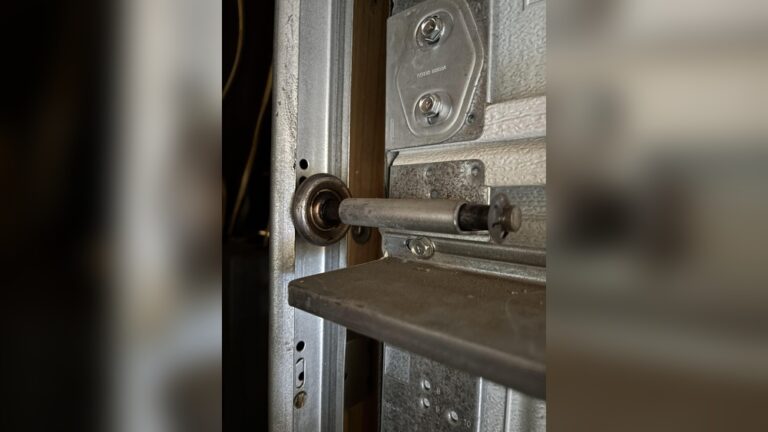
- Rollers: Small wheels that run inside the tracks.
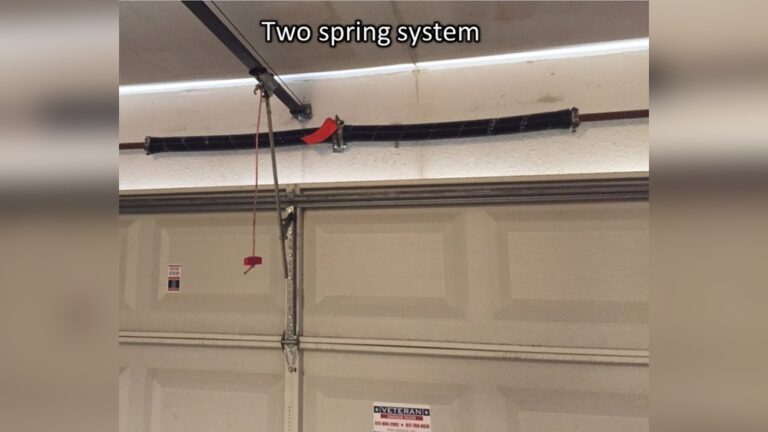
- Springs: Provide the force to lift the door (torsion or extension).
- Cables: Steel wires that help lift and lower the door.
- Hinges: Connect the panels.
- Opener: The motor that opens and closes the door.
- Sensors: Safety devices that detect objects in the door’s path.
Knowing these parts makes maintenance easier and safer.
Essential Tools And Supplies
You don’t need special tools for basic garage door maintenance. Here’s what works best:
- Screwdrivers (Phillips and flathead)
- Adjustable wrench
- Socket set
- Silicone-based lubricant (not WD-40)
- Soft cloths or rags
- Mild household cleaner
- Step ladder
- Flashlight
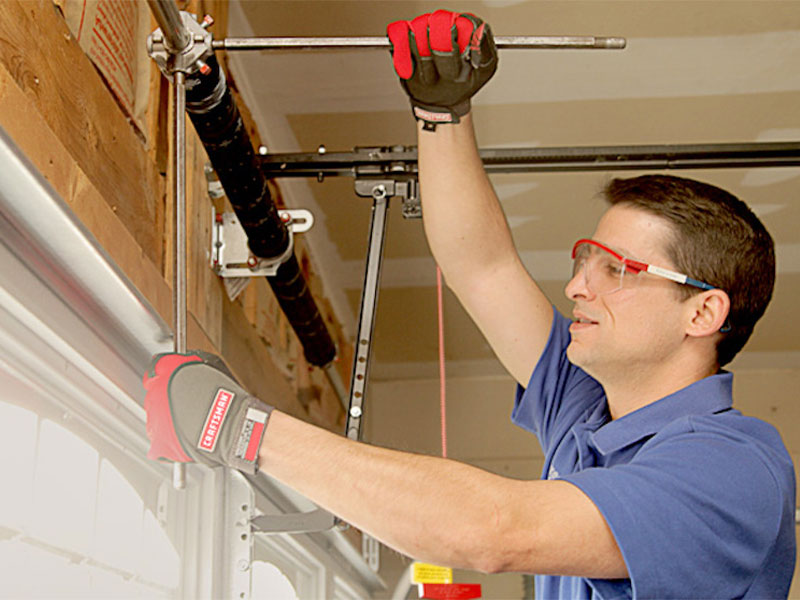
Always wear safety glasses and gloves. Never try to fix springs or cables yourself—these are under high tension.
Step-by-step Maintenance Checklist
Regular maintenance keeps your door working smoothly and safely. Here’s a simple schedule for beginners.
1. Visual Inspection (monthly)
Look at all parts of your door for signs of wear or damage.
- Check for rust, dents, or cracks in panels.
- Look for frayed cables and worn rollers.
- Inspect hinges and brackets for looseness.
- Examine tracks for bends or obstructions.
If you notice any serious damage, call a professional.
2. Testing Door Balance (every 3–6 Months)
A balanced door is easy to lift by hand and stays in place.
- Close the door.
- Pull the emergency release cord (usually red).
- Lift the door halfway and let go. It should stay in place.
- If it moves up or down, the springs may need adjustment.
Never try to adjust springs yourself—this is dangerous.
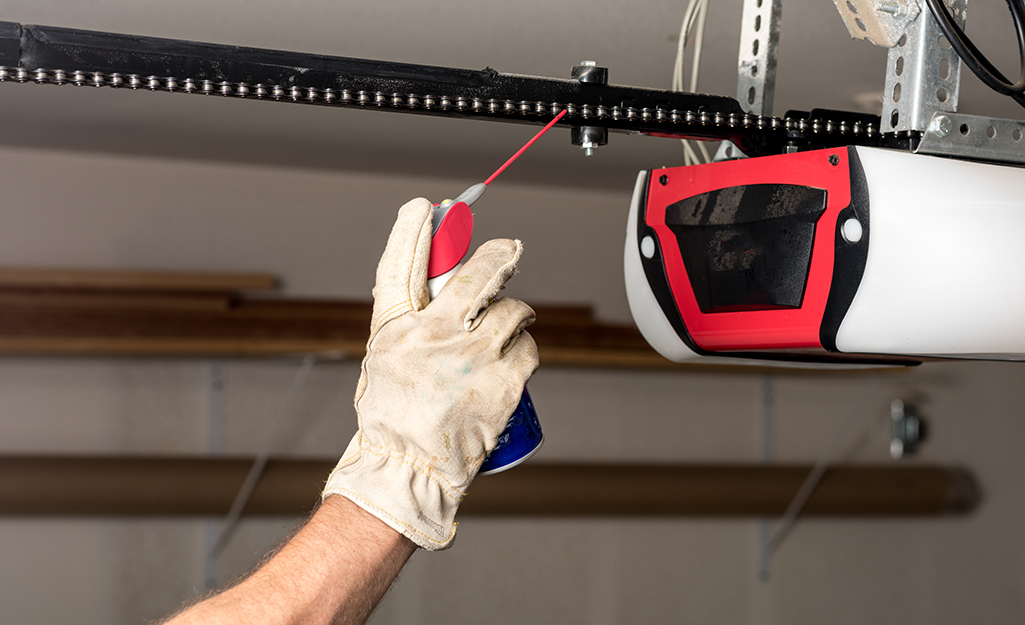
3. Lubricating Moving Parts (every 6 Months)
Proper lubrication prevents squeaks and extends the life of your door.
- Use a silicone-based spray on rollers, hinges, and tracks.
- Wipe off excess lubricant to avoid dust buildup.
- Do not use WD-40; it removes lubrication.
Lubricate in the spring and fall for best results.
4. Cleaning Tracks And Panels (every 3–6 Months)
Dust and dirt can cause the door to stick.
- Wipe tracks with a damp cloth.
- Use a mild cleaner on panels—avoid harsh chemicals.
- Remove spider webs and leaves.
A clean door works better and looks nicer.
5. Checking Auto-reverse And Sensors (monthly)
Modern garage doors have safety sensors at the bottom. Test them like this:
- Place a roll of paper towels under the open door.
- Close the door using the opener.
- The door should reverse when it touches the roll.
- Clean sensor lenses with a soft cloth.
If the door doesn’t reverse, call for service immediately.
Credit: www.homedepot.com
Common Garage Door Problems And Fixes
Even with good maintenance, problems can happen. Here’s how to spot and solve the most common ones.
Door Makes Loud Noises
- Squeaks: Usually need lubrication.
- Grinding: Check for dirt in the tracks.
- Banging: Loose panels or hinges.
If noise continues after lubrication, call a pro.
Door Won’t Open Or Close
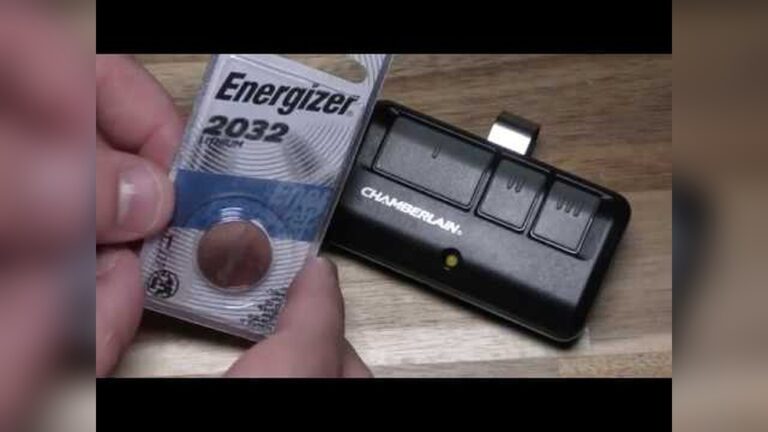
- Remote battery: Try replacing it.
- Sensors: Wipe clean and check alignment.
- Tracks: Clear any blockages.
If the motor runs but the door doesn’t move, the opener or springs may be broken.
Door Is Off Track
- Stop using the door immediately.
- Do not try to force it back.
- Contact a trained technician.
Trying to fix a door off its track can cause injury or more damage.
Door Moves Unevenly
- Check for broken rollers.
- Look for worn or frayed cables.
- Make sure nothing is blocking the tracks.
If the door is crooked, call a professional.
Professional Maintenance Vs Diy
Some tasks are easy for beginners; others need expert help. Here’s a quick comparison:
| Task | DIY | Professional |
|---|---|---|
| Lubricating parts | ✓ | |
| Cleaning tracks | ✓ | |
| Adjusting springs | ✓ | |
| Replacing cables | ✓ | |
| Testing sensors | ✓ |
Never attempt to fix springs or cables yourself. These parts are under extreme tension and can cause injury.

Credit: www.mesagaragedoors.com
How Often Should You Service Your Garage Door?
Most experts recommend a basic check every month, with a full service once a year. Here’s a simple schedule:
| Task | Frequency |
|---|---|
| Visual inspection | Monthly |
| Lubrication | Every 6 months |
| Sensor test | Monthly |
| Professional tune-up | Yearly |
If you use your garage as the main entrance, consider servicing it more often.
Tips For Longer Garage Door Life
A few simple habits can extend your garage door’s lifespan:
- Don’t force the door if it’s stuck. Forcing can bend tracks or break springs.
- Keep the area clear. Don’t store items near the tracks or sensors.
- Paint wooden doors every few years to prevent rot.
- Listen for changes. New noises or slow movement usually mean something needs attention.
Surprisingly, most beginners forget to check the weatherstripping at the bottom of the door. This strip blocks water and cold air. Replace it if it’s cracked or missing.
Another overlooked tip: if you notice rust spots, sand and repaint them quickly. Rust spreads fast and weakens the door.
Understanding Garage Door Opener Features
Modern garage door openers offer smart features and extra safety. Here are some common options:
- Battery backup: Keeps the door working during power outages.
- Wi-Fi control: Open or close the door from your phone.
- Quiet operation: Belt-drive models are quieter than chain drives.
- Rolling code security: Changes the code each time for better protection.
If your opener is over 15 years old, you may want to upgrade for safety and convenience.
Cost Of Garage Door Maintenance And Repairs
Many people worry about cost, but regular maintenance is much cheaper than repairs.
- Annual professional tune-up: $75–$150
- Lubricant and cleaner: $10–$20
- New rollers: $5–$10 each
- Spring replacement: $150–$300
- New opener installation: $300–$500
Catching small issues early can save hundreds of dollars later.
Weather And Garage Door Performance
Climate can affect how your garage door works:
- Cold weather: Springs become brittle, and metal parts contract.
- Hot weather: Panels may expand or warp.
- Rain and snow: Increase the risk of rust and electrical problems.
To protect your door:
- Apply lubricant before winter and summer.
- Check for water leaks around the door.
- Clean off road salt in snowy areas to prevent rust.
When To Replace Your Garage Door
Sometimes, repairs are not enough. Consider replacement if:
- The door has serious structural damage (large dents, cracks).
- Repair costs are more than half the price of a new door.
- The door is older than 20 years and lacks safety features.
- The door is very loud, slow, or gets stuck often.
A new garage door can improve your home’s appearance and security. In fact, the 2023 Cost vs. Value Report shows that garage door replacement returns over 100% of its cost in home value—one of the highest returns for any remodeling project.
For more technical information, you can read detailed guides at the International Door Association.
Credit: www.gravesoverheaddoors.com
Frequently Asked Questions
How Often Should I Lubricate My Garage Door?
Lubricate all moving parts every 6 months. If your garage is noisy or used often, check and lubricate more frequently.
Can I Replace A Broken Spring Myself?
No. Garage door springs are dangerous and under high tension. Always hire a professional for spring replacement.
Why Is My Garage Door Not Closing All The Way?
Check for objects blocking the sensors or dirty sensor lenses. If the problem continues, the tracks or opener may need adjustment.
What Type Of Lubricant Should I Use?
Use a silicone-based spray or white lithium grease. Do not use WD-40, as it removes lubrication instead of providing it.
How Long Does A Garage Door Last?
With regular maintenance, a quality garage door can last 15 to 30 years. Cheap or neglected doors may fail much sooner.
Caring for your garage door isn’t complicated. A few minutes each month can prevent big problems, save money, and keep your family safe. With these beginner-friendly tips, your garage door will serve you well for years to come.