
Sealing Concrete: A Beginner’s Guide to Protection, Performance, and Practical Choices
Concrete is everywhere—sidewalks, driveways, garage floors, patios, and even kitchen countertops. It’s tough, but not invincible. Without protection, concrete can crack, stain, and wear out quickly. That’s where sealing concrete comes in. For homeowners, DIYers, and anyone new to this topic, understanding how and why to seal concrete is essential. This guide explains the basics, shares real examples, and offers practical tips you can use right away.
What Does It Mean To Seal Concrete?
Sealing concrete means applying a protective layer over the surface. This layer acts as a barrier against water, stains, chemicals, oil, and weather damage. Think of it like applying sunscreen to your skin. Without it, concrete is exposed and can break down faster.
Sealers are available in different types—water-based, solvent-based, acrylic, epoxy, and more. Each type is suited for specific needs. The right sealer extends the life of your concrete and keeps it looking clean and new.
Why Sealing Concrete Matters
Concrete is strong, but its surface is full of tiny pores. These pores absorb water, oil, and dirt, which leads to:
- Cracking in freeze-thaw climates
- Mold and mildew growth
- Stubborn stains from oil, grease, or chemicals
- Fading and discoloration
Sealing concrete helps prevent these problems. Here are some reasons beginners should seal their concrete:
- Water resistance: Stops water from seeping in and causing cracks
- Stain protection: Makes it easier to clean spills
- Longer life: Reduces the need for repairs and replacements
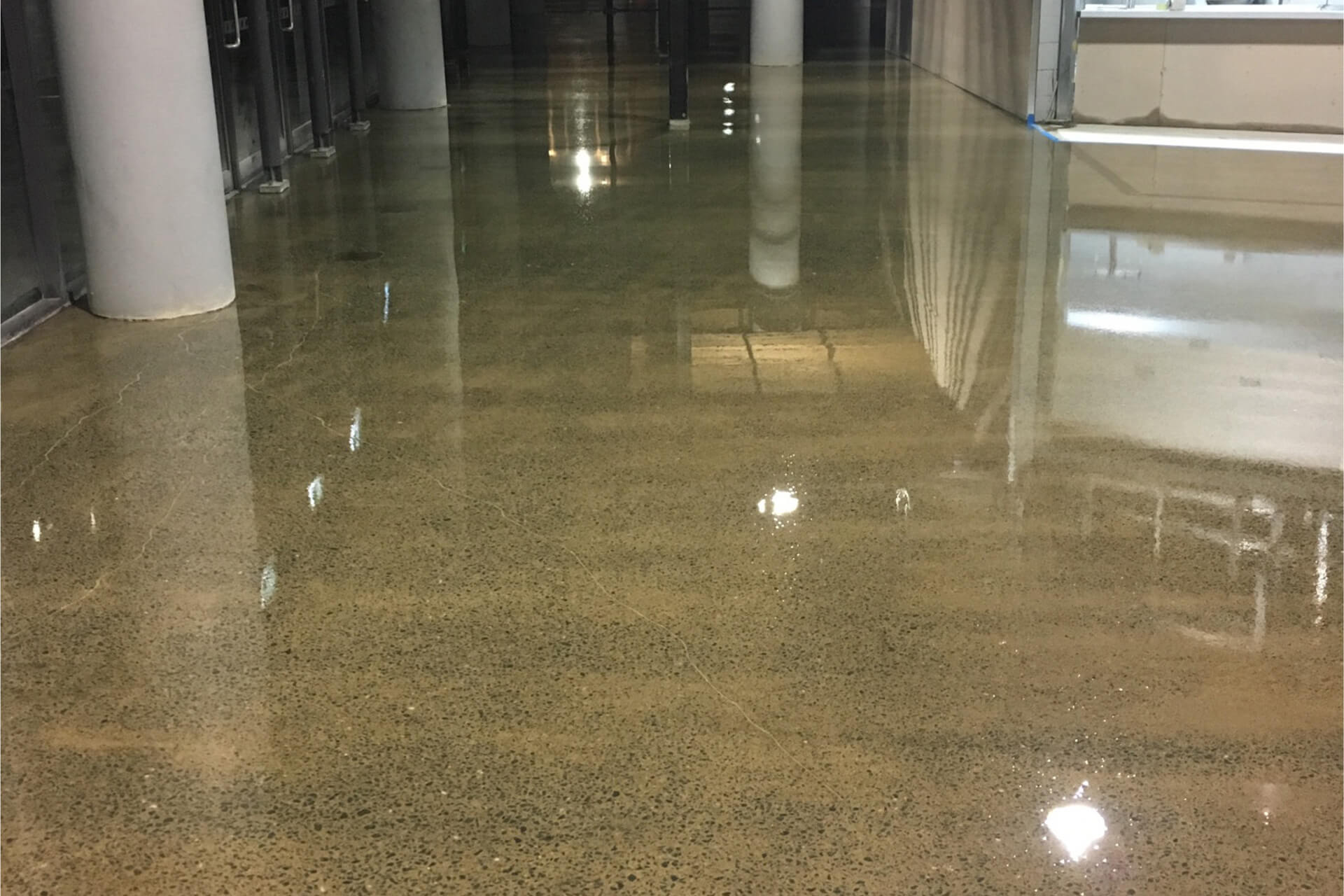
- Better appearance: Enhances color and shine
Types Of Concrete Sealers
Choosing the right sealer is important for the best results. Here’s a comparison of popular sealer types:
| Sealer Type | Main Benefit | Typical Use | Durability (years) |
|---|---|---|---|
| Acrylic | Easy to apply, enhances color | Driveways, patios | 1-3 |
| Penetrating | Deep protection, invisible finish | Sidewalks, outdoor concrete | 5-10 |
| Epoxy | Hard, glossy surface, chemical resistance | Garage floors, industrial | 5-7 |
| Polyurethane | High abrasion resistance, UV stable | Decorative concrete, indoor | 3-10 |
Key tip: For outdoor surfaces, use a penetrating sealer for best protection against weather. For indoor decorative areas, consider acrylic or polyurethane for shine.
How To Choose The Right Sealer
Beginners often pick a sealer just because it’s popular. But the right choice depends on:
- Location: Is your concrete outdoors or indoors?
- Traffic: Will people drive or walk over it?
- Look: Do you want a glossy, matte, or invisible finish?
- Budget: Some sealers are more expensive, but last longer.
Here’s a simple guide to help you decide:
| Surface | Recommended Sealer | Finish | Notes |
|---|---|---|---|
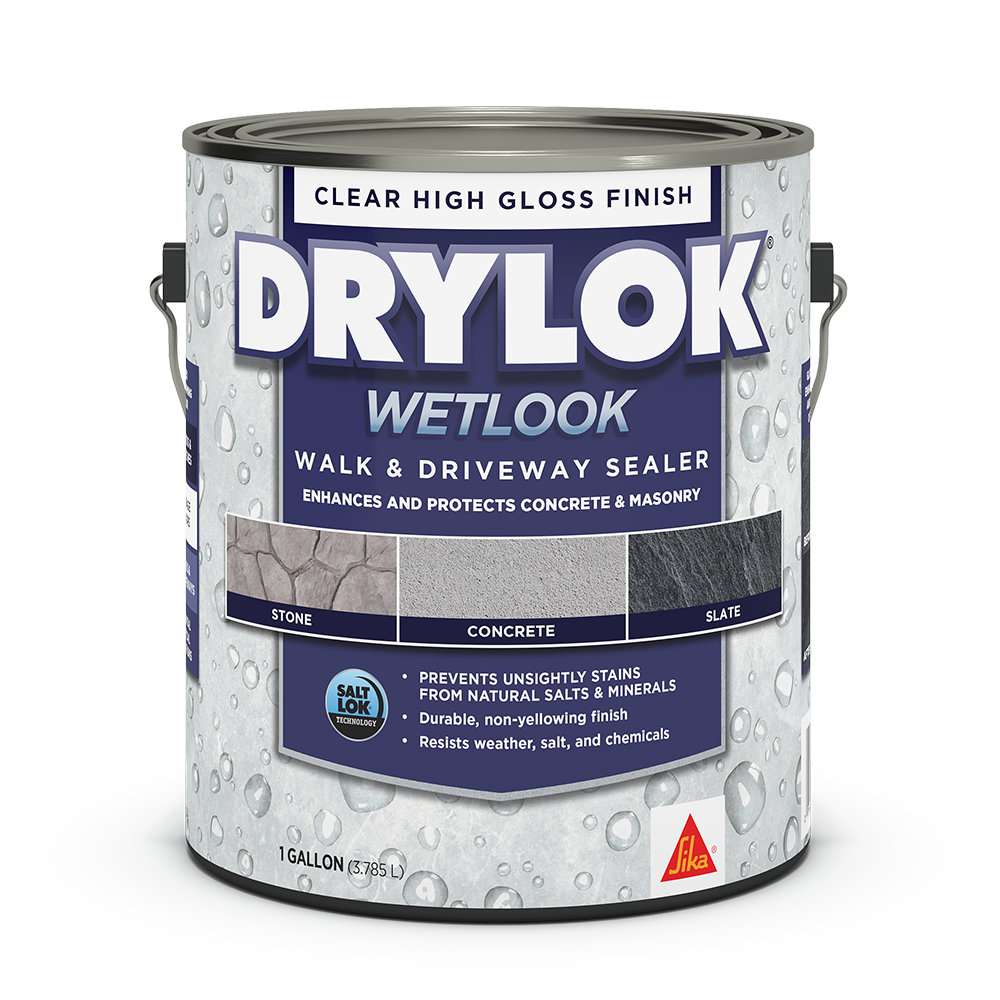
| Driveway | Penetrating | Natural (no shine) | Best for heavy vehicles |
| Garage Floor | Epoxy | Glossy | Resists oil and chemicals |
| Patio | Acrylic | Low to medium gloss | Easy DIY application |
| Kitchen Countertop | Polyurethane | Glossy or matte | Food-safe options available |
Non-obvious insight: Many beginners skip the “food-safe” check for kitchen sealers. Always confirm your sealer is safe for food surfaces if used indoors.
Step-by-step: How To Seal Concrete
Sealing concrete is simple if you follow the right steps. Here’s a practical process:
- Clean the surface
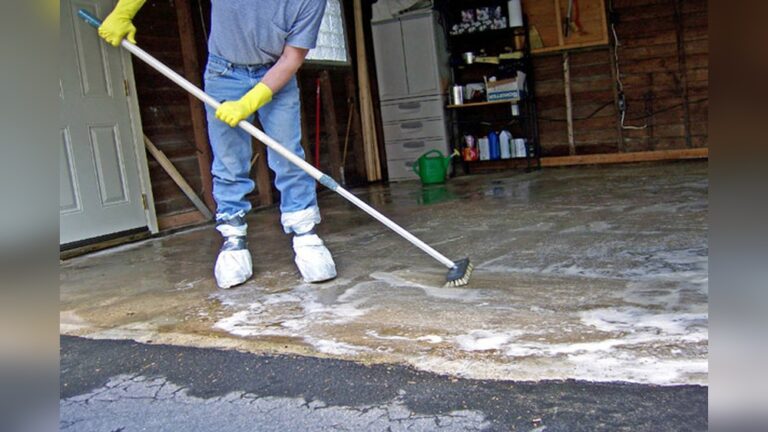
- Remove dirt, oil, and stains with a concrete cleaner
- Use a pressure washer for outdoor concrete
- Let it dry completely (24–48 hours for best results)
- Repair cracks or holes
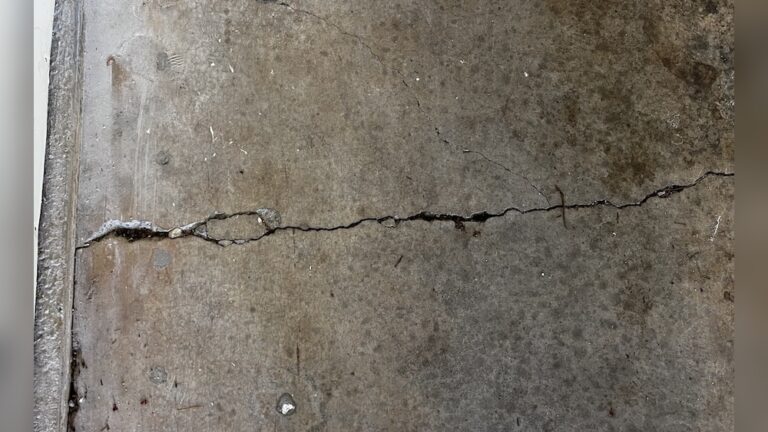
- Fill cracks with concrete patch or filler
- Smooth the surface with a trowel
- Allow repairs to dry before sealing
- Select the right sealer
- Read the label for coverage and drying time
- Choose based on your surface and needs
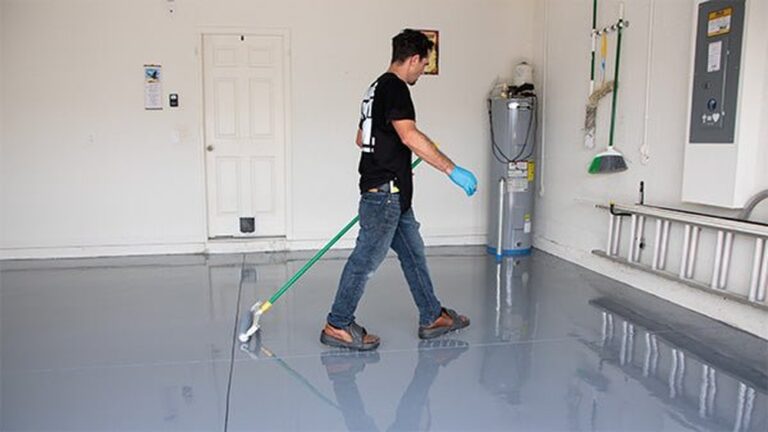
- Apply the sealer
- Use a roller for large areas, brush for edges and corners
- For sprayable sealers, use a garden sprayer
- Apply thin, even coats—don’t flood the surface
- Allow to dry
- Most sealers need at least 4–6 hours to dry between coats
- Avoid foot traffic for 24 hours, and vehicles for 72 hours
- Apply a second coat (if needed)
- Some surfaces (like driveways) need two coats for full protection
Pro tip: Don’t seal concrete if rain is expected within 24 hours. Moisture can ruin the finish and cause hazing.
Common Mistakes And How To Avoid Them
Many beginners make these errors:
- Not cleaning properly: Dirt or oil left behind can trap under the sealer and cause peeling.
- Applying too thick: Thick coats take longer to dry and may turn cloudy.
- Sealing new concrete too soon: Fresh concrete needs to cure (about 28 days) before sealing.
- Ignoring temperature: Sealers work best between 50°F and 90°F.
Non-obvious insight: Do not mix different brands or types of sealers without expert advice. Some formulas react badly and can ruin your surface.
How Long Does Concrete Sealer Last?
Sealer life depends on:
- Type of sealer
- Traffic and weather
- Quality of application
Most sealers last 1–10 years. Here’s a quick overview:
- Acrylic: 1–3 years, easy to reapply
- Penetrating: 5–10 years, less maintenance
- Epoxy: 5–7 years, tough but harder to recoat
- Polyurethane: 3–10 years, durable but sensitive to sunlight
Inspect your surface once a year. If water no longer beads on the surface, it’s time to reseal.
Cost To Seal Concrete
The cost to seal concrete varies. For most homeowners:
- DIY cost: $0.15–$0.50 per sq. Ft. (for materials)
- Professional cost: $1.00–$2.50 per sq. Ft.
Factors that affect price:
- Type and quality of sealer
- Surface size and condition
- Number of coats
Example: Sealing a 400 sq. ft. driveway yourself might cost $60–$200 in materials. Hiring a pro could cost $400–$1,000.
Credit: concretecoloursystems.com.au
Practical Tips For Beginners
- Always read the sealer instructions—each brand has unique steps.
- Test the sealer in a small, hidden area first to check appearance.
- Use painter’s tape to protect edges from accidental sealer drips.
- Wear gloves and a mask for safety, especially with solvent-based sealers.
- Store leftover sealer in a cool, dry place for touch-ups.
Sealing Decorative Concrete
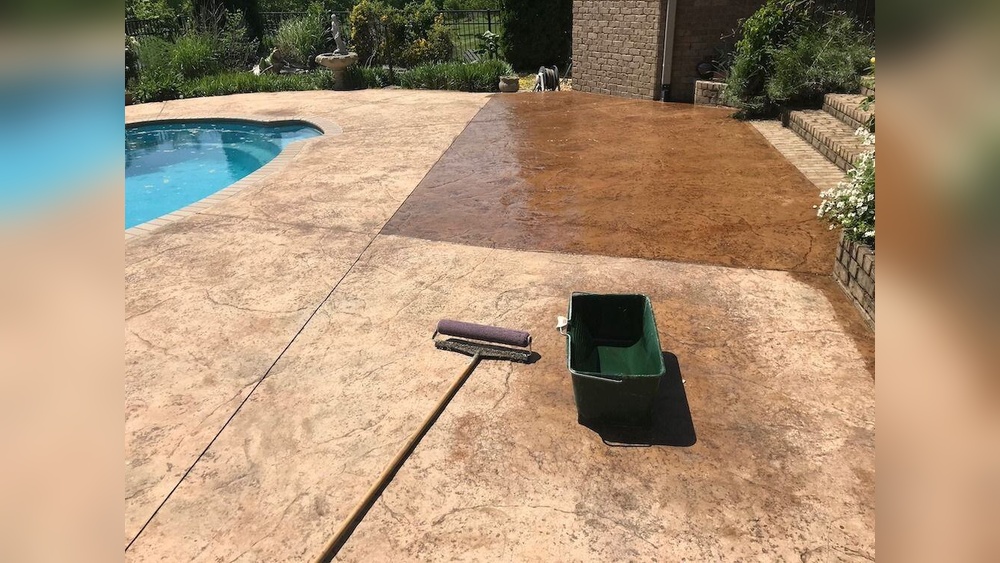
Decorative concrete (like stamped patios or colored floors) needs special attention. Use a sealer that won’t change color or add too much shine unless desired. Some sealers can darken the surface or cause “blushing” (a cloudy look).
- For stamped concrete, use a high-quality acrylic or polyurethane.
- For colored surfaces, test on a small spot first.
Non-obvious insight: Decorative concrete often needs more frequent resealing (every 1–2 years) to keep the look fresh.

Credit: www.drylok.com
Environmental And Safety Considerations
Concrete sealers can affect indoor air quality and the environment. Water-based sealers are usually safer and have lower odor. Solvent-based sealers release more fumes and need good ventilation.
- Always ventilate indoor areas during application.
- Avoid rinsing sealer tools into drains or soil.
- Dispose of leftover sealer according to local rules.
For more information on concrete sealers and environmental safety, check resources like the EPA Safer Choice program.
Comparing Sealer Performance
Not all sealers offer the same level of protection. Here’s a simple performance comparison:
| Feature | Acrylic | Penetrating | Epoxy | Polyurethane |
|---|---|---|---|---|
| Water Resistance | Good | Excellent | Excellent | Very Good |
| Stain Resistance | Moderate | Good | Excellent | Very Good |
| Gloss Level | Low–High | None | High | Low–High |
| Ease of Application | Easy | Easy | Moderate | Moderate |
Credit: www.drylok.com
Signs Your Concrete Needs Resealing
How do you know when to reseal? Look for these signs:
- Water no longer beads on the surface
- Fading color or loss of shine
- Appearance of stains or mildew
- Surface feels rough or chalky
It’s smart to reseal before major problems start. Regular maintenance keeps concrete strong and attractive.
Frequently Asked Questions
How Soon After Pouring New Concrete Can I Apply A Sealer?
You need to wait until the concrete is fully cured—usually 28 days. Sealing before curing can trap moisture and cause white spots or peeling.
Can I Apply A New Sealer Over An Old One?
Yes, but only if the sealers are compatible. Clean and lightly sand the surface first. Test in a small area to check for issues like peeling or hazing.
What Is The Best Sealer For A Driveway In A Cold Climate?
Choose a penetrating sealer. These sealers protect against freeze-thaw damage, salt, and moisture better than film-forming types.
How Do I Clean A Sealed Concrete Surface?
Use mild soap and water. Avoid harsh chemicals or abrasive tools. For tough stains, a little baking soda or a gentle scrub brush can help.
Are Concrete Sealers Safe For Pets And Kids?
Most water-based sealers are safe once dry. Solvent-based sealers need good ventilation and should be kept away from children and pets until fully cured. Always check the product label for safety details.
Sealing concrete is one of the simplest ways to protect your investment and add years to your surfaces. With the right sealer, proper application, and smart maintenance, your concrete will stay strong, stain-free, and good-looking for a long time. Start with a small project, follow these steps, and you’ll soon master the basics of concrete sealing.