
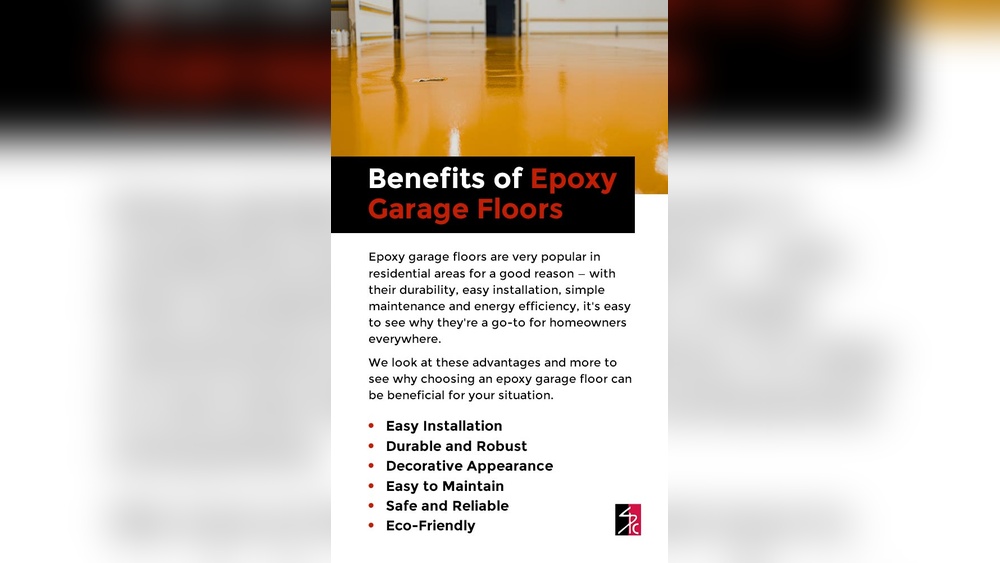
Many homeowners want their garage to look clean, bright, and easy to maintain. But concrete garage floors often get stained, cracked, and dusty over time. This is where epoxy garage floors come in. Epoxy is a special coating that creates a strong, smooth layer over your concrete. It turns a dull garage into a space that feels fresh, organized, and valuable.
If you are considering upgrading your garage, understanding the real benefits of epoxy garage floor coating can help you decide. This guide explains why epoxy is so popular, how it compares to other options, and what you need to know before choosing it.
What Is Epoxy Garage Flooring?
Epoxy is a resin-based coating that, when mixed with a hardener, sticks to concrete and forms a tough, glossy surface. It’s not just paint—epoxy is much thicker and more durable.
- Two-part system: Resin and hardener are mixed before applying.
- Cures into a hard plastic-like layer, not just dries.
- Used in: Homes, factories, hospitals, and even car showrooms.
This coating bonds with the concrete, sealing out moisture and protecting the floor from damage.
Main Benefits Of Epoxy Garage Floor
1. Durability And Strength
Epoxy makes your garage floor extremely tough. It can handle cars, tools, bikes, and even dropped heavy objects.
- Impact resistant: Tools or equipment won’t chip or crack the surface easily.
- Lasts 10-20 years with proper care.
- Withstands heavy loads: Can support vehicles, storage racks, and machinery.
Practical example: In a test by the US Department of Agriculture, epoxy-coated floors showed higher resistance to wear and tear compared to plain concrete.
2. Chemical And Stain Resistance
Garages often see spills like oil, gasoline, brake fluid, or cleaners. Epoxy creates a non-porous surface that does not absorb these liquids.
- Easy clean-up: Wipe away oil and chemicals without stains.
- No dusting: Epoxy seals the concrete, so dust doesn’t form.
- Protects concrete from long-term damage by chemicals.
If you do car repairs or store chemicals in your garage, this is a big advantage.
3. Low Maintenance
Maintaining an epoxy floor is simple. You don’t need special cleaners or tools.
- Sweep or mop as you would in your kitchen.
- No waxing or polishing needed.
- Resists tire marks and dirt.
Most dirt sits on top of the surface, so regular cleaning takes just a few minutes.
4. Improved Appearance
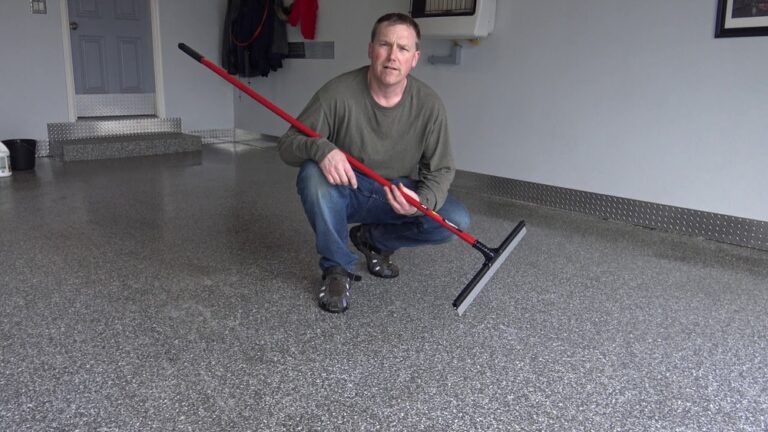
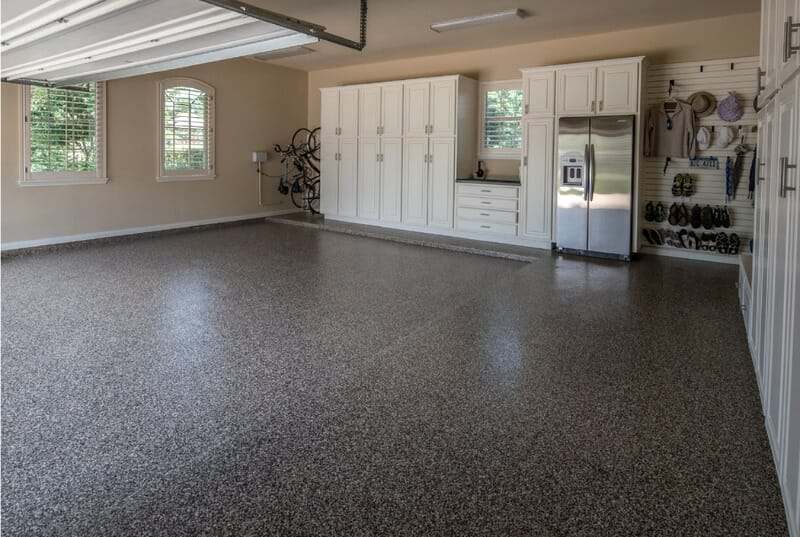
Epoxy floors look shiny and modern. You can pick from many colors and finishes to match your style.
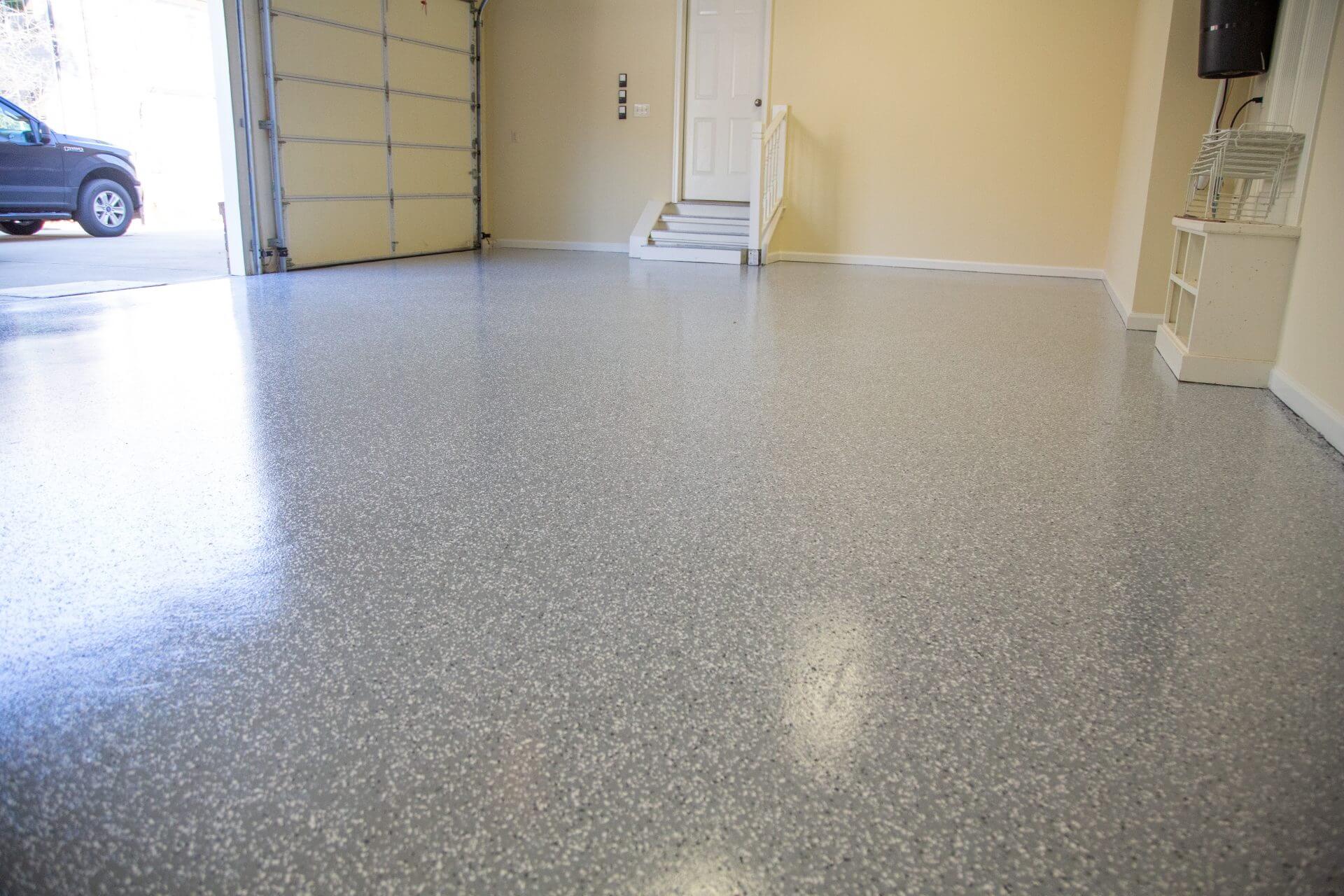
- Glossy finish reflects light, making your garage look brighter.
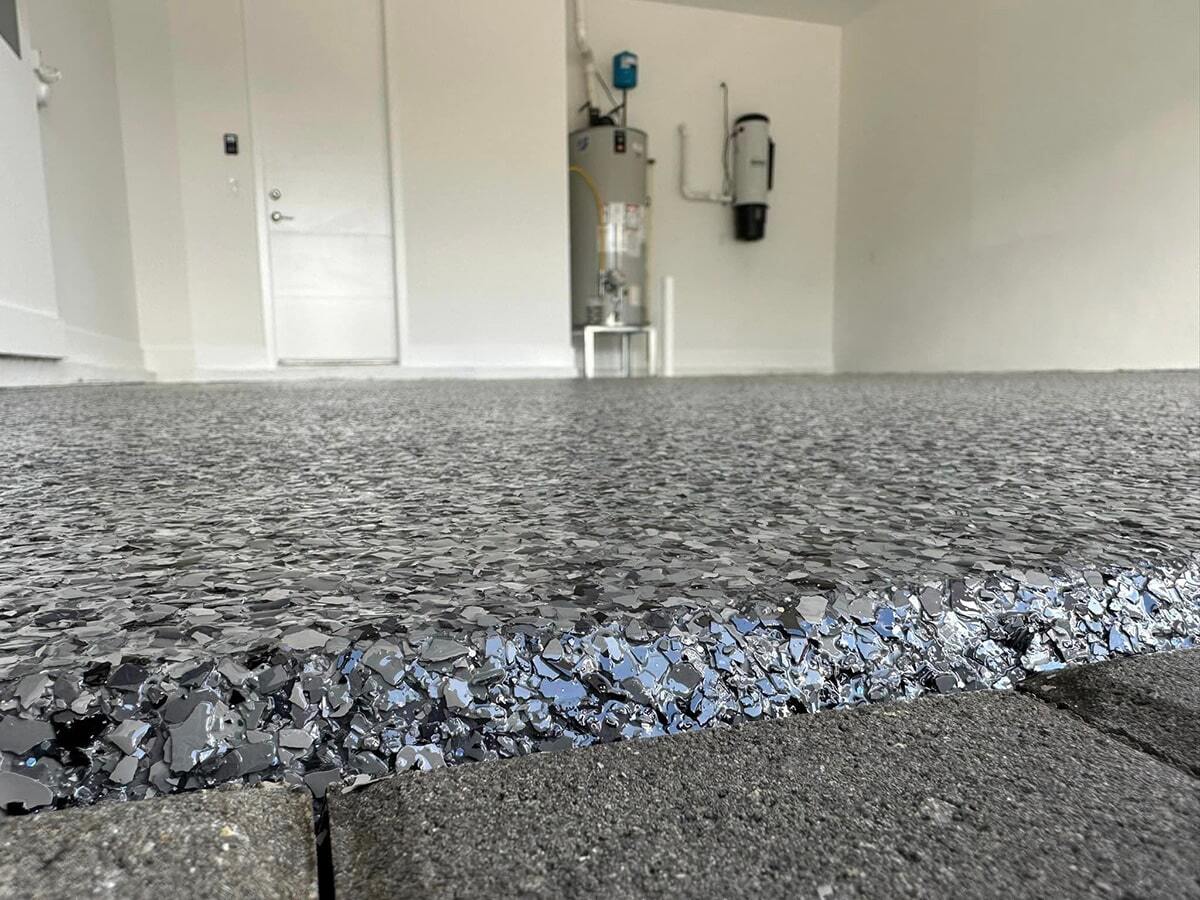
- Custom designs: Add flakes, colors, or patterns.
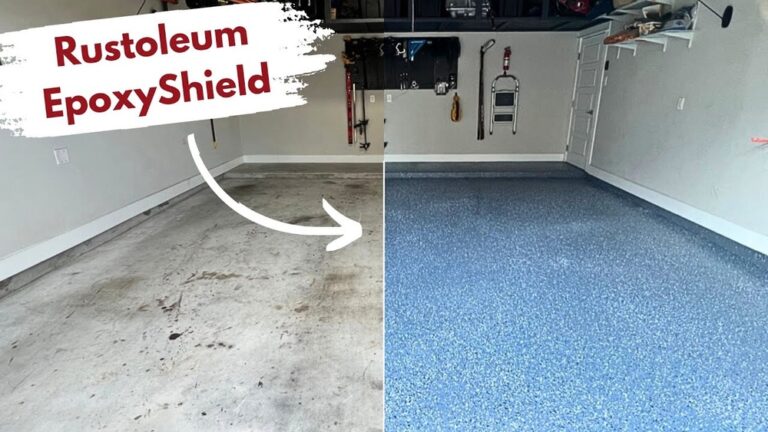
- Hides minor flaws: Small cracks or stains disappear under the coating.
A clean, bright garage often increases home value and impresses visitors.
5. Enhanced Safety
Epoxy can be made slip-resistant by adding texture or flakes.
- Safer when wet: Reduces risk of falls.
- Brightens the space: Better visibility reduces accidents.
- Fire resistant: Epoxy does not catch fire easily.
Adding colored flakes or sand during application gives extra grip.
6. Moisture And Water Resistance
Epoxy is a waterproof barrier over your concrete.
- Prevents water damage: Stops water from soaking into cracks.
- No mold or mildew growth under the coating.
- Ideal for humid or rainy climates.
If your garage floods or is exposed to water, epoxy offers extra protection.
7. Cost-effective Over Time
While epoxy costs more than paint, it saves money in the long run.
- Fewer repairs: Protects the concrete, so you fix less.
- Long lifespan: Redo every 10-20 years, not every few years.
- Increases property value: A finished garage can add to your home’s price.
Typical professional installation costs range from $4 to $10 per square foot, depending on the options you choose.
Credit: mesapaint.net
Epoxy Vs. Other Garage Floor Options
Choosing the right garage floor can be confusing. Below is a comparison of popular options:
| Type | Durability | Maintenance | Cost (per sq ft) | Appearance |
|---|---|---|---|---|
| Epoxy | Very High | Low | $4-10 | Glossy, customizable |
| Concrete Paint | Low | Medium | $1-3 | Matte, basic colors |
| Garage Tiles | Medium | Low | $2-7 | Varied, patterned |
| Sealed Concrete | Medium | Low | $2-5 | Semi-gloss, natural |
Epoxy stands out for its mix of durability, looks, and low maintenance.
Installation: What To Expect
Epoxy garage floor installation is best done by professionals, but many DIY kits are also available.
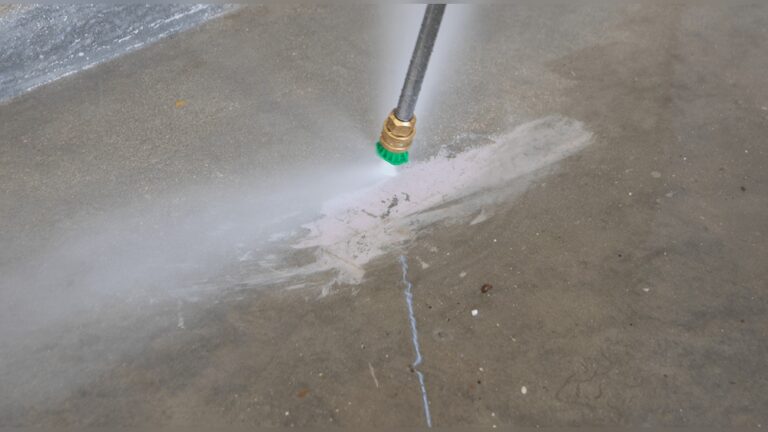
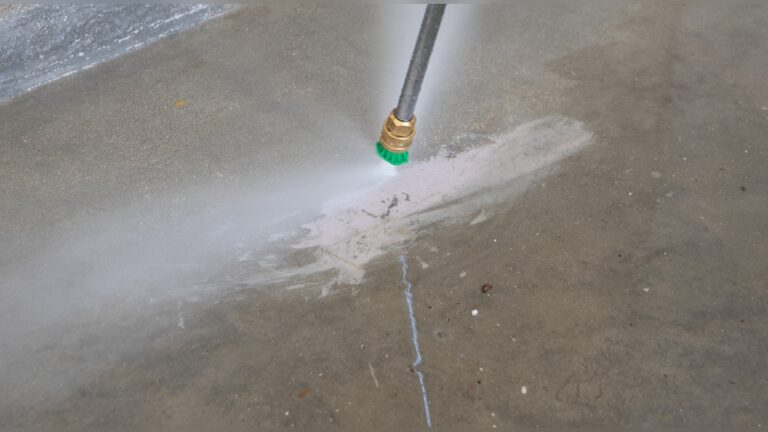
- Preparation: Old coatings are removed, and the floor is cleaned and repaired.
- Application: Resin and hardener are mixed and rolled onto the floor.
- Curing: The surface must set for 24-72 hours before use.
If the floor is not prepped well, the epoxy can peel or bubble. This is a common mistake for beginners.
Tip: Test your concrete for moisture before installing. Too much moisture will stop epoxy from bonding well.
Professional Vs Diy
Should you do it yourself or hire an expert? Here’s a quick side-by-side:
| Factor | DIY | Professional |
|---|---|---|
| Cost | Lower ($1.50–$3 per sq ft) | Higher ($4–$10 per sq ft) |
| Skill Needed | Medium to High | Low (they have experience) |
| Durability | Medium (depends on prep) | Very High |
| Time | 2–4 days | 1–2 days |
For best results, many people choose professionals, especially for large garages or special finishes.
Common Beginner Mistakes And How To Avoid Them
Even though epoxy is beginner-friendly, mistakes can happen. Here are some problems and how to prevent them:
- Not cleaning the floor well: Even small grease spots can stop epoxy from sticking.
- Skipping the moisture test: If concrete is damp, the epoxy may peel later.
- Rushing the process: Not giving enough curing time weakens the coating.
- Using thin coats: Thicker layers last longer and look better.
Non-obvious insight: Many beginners forget to check the weather. High humidity or low temperatures can affect how epoxy cures, leading to a poor finish.
Epoxy Garage Floor Myths
Some people believe epoxy is just “fancy paint” or doesn’t last. Here are the facts:
- Stronger than paint: Epoxy is a chemical coating, not just a color layer.
- Won’t yellow easily: Good epoxies have UV blockers for sunlight protection.
- Can be repaired: Chips or scratches can be fixed without redoing the whole floor.
Credit: prosurfacerestore.com
Real-life Examples
Case 1: A family in Houston had their garage coated after years of oil stains and cracks. After epoxy, they noticed:
- Easier cleaning (just a quick mop)
- No new stains after six months
- The garage was bright enough to use as a playroom
Case 2: An auto enthusiast installed epoxy to store two classic cars. The coating protected against tire marks and oil leaks. Friends often commented on the “showroom” look.
Environmental Impact
Epoxy is more eco-friendly than many think:
- Long lifespan means less waste over time.
- Low VOC options are available (less odor and better for air quality).
- Seals the concrete, reducing dust and allergens.
If you want a green option, choose water-based epoxy with low volatile organic compounds (VOCs).
When Is Epoxy Not The Right Choice?
Epoxy is great, but not always perfect. Avoid it if:
- The concrete is always wet or has rising moisture.
- You need a floor in under 24 hours (epoxy needs time to cure).
- You want a soft or cushiony surface (epoxy is hard).
In these cases, garage tiles or mats may be better choices.
Maintenance Tips For Longevity
To keep your epoxy floor looking new:
- Sweep weekly to remove dirt and grit.
- Mop with mild soap every month.
- Avoid harsh acids or bleach for cleaning.
- Wipe up spills quickly to prevent slipping.
- Use pads under motorcycle kickstands or heavy tools.
With these steps, your floor can look fresh for many years.
Epoxy Garage Floor: Is It Worth It?
For most homeowners, an epoxy garage floor offers long-term value, safety, and style. It protects your investment and makes garage time more enjoyable. If you want a space that’s more than just storage, epoxy is a smart upgrade.
If you want more technical details, the Wikipedia page on epoxy offers a deeper look at the science.
Frequently Asked Questions
What Is The Lifespan Of An Epoxy Garage Floor?
With proper care, an epoxy garage floor can last 10–20 years. High traffic or heavy use may shorten this time, but most homeowners enjoy many years of a beautiful surface.
Can I Install Epoxy Over Old Concrete?
Yes, but the concrete must be clean, dry, and free of grease or cracks. Any old paint or coating should be removed first for best results.
Does Epoxy Make The Garage Floor Slippery?
Epoxy can be slippery when wet, but anti-slip additives like flakes or sand can be mixed in during installation to make it safer.
How Long Does It Take To Install And Cure?
Professional installation usually takes 1–2 days. Curing time is 24–72 hours before you can walk or park on it. Wait a full week for heavy vehicles.
Is Epoxy Safe For Homes With Pets And Kids?
Yes, once cured, epoxy is non-toxic and safe. It does not release harmful chemicals and is easy to clean after pet accidents or spills.
Epoxy garage floors are a smart, practical upgrade for anyone wanting a better-looking, safer, and more valuable garage. With the right preparation and care, you’ll enjoy the benefits for many years.
Credit: xtremepolishingsystems.com