
Snakes in your garage can be a real surprise. Many people feel worried or scared if they see a snake slithering across the floor or hiding behind boxes. While most snakes are not dangerous, it’s important to know how to handle the situation safely and keep them out for good.
This article will guide you step-by-step, making it easy for anyone—especially beginners—to understand how to get rid of snakes in the garage and prevent them from coming back.
Why Snakes Enter Garages
Garages are attractive places for snakes. They offer shelter, food, and sometimes water. Here’s why snakes might choose your garage:
- Shelter: Snakes like dark, quiet spaces. Garages often have clutter, boxes, and corners where they can hide.
- Food sources: If you have mice, rats, or insects in your garage, snakes will follow them.
- Warmth: During cold months, garages can be warmer than outside.
- Entry points: Small holes, cracks, or open doors make it easy for snakes to get inside.
Example: In Florida, homeowners report that garages are one of the top places where snakes are found, especially after heavy rain or during cooler months.
How To Identify If There’s A Snake In Your Garage
You may not see a snake directly. But there are signs you can look for:
- Shed skin: Snakes shed their skin regularly. If you find a long, dry, papery skin, a snake has been there.
- Droppings: Snake droppings are dark and may contain fur or bones from their prey.
- Tracks: On dusty floors, you might see thin, wavy lines.
- Missing pets or rodents: If you keep small pets or notice fewer mice, a snake could be hunting.
- Strange noises: Sometimes, snakes make rustling sounds as they move.
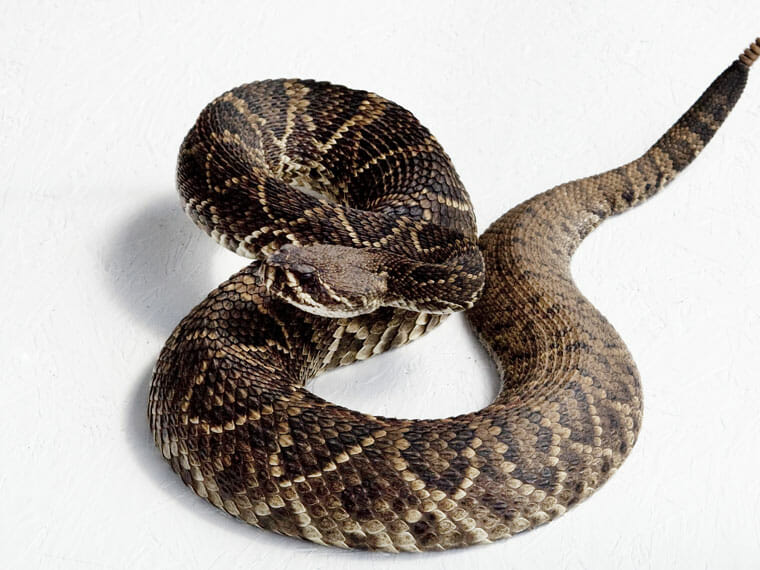
Credit: www.johnmooreservices.com
What Kind Of Snakes Might Be In Garages?
Most snakes in garages are non-venomous. However, some regions do have dangerous species. Here’s a comparison of common types:
| Type | Venomous? | Common in US Garages | Appearance |
|---|---|---|---|
| Garter Snake | No | Yes | Small, striped |
| Rat Snake | No | Yes | Medium, patterned |
| Copperhead | Yes | Sometimes | Thick, copper color |
| Black Racer | No | Yes | Long, shiny black |
If you’re unsure, do not try to handle the snake yourself.
Immediate Steps If You Find A Snake
If you see a snake, stay calm. Follow these steps to stay safe:
- Keep distance. Do not touch or try to catch the snake.
- Close off the area. Shut doors to keep the snake from escaping into the house.
- Remove pets and children. Make sure everyone is out of the garage.
- Identify if possible. Take a picture from a safe distance.
- Call professionals. If you suspect the snake is venomous, contact animal control or pest experts.
Never use your hands or try to corner the snake. Even non-venomous snakes can bite if threatened.
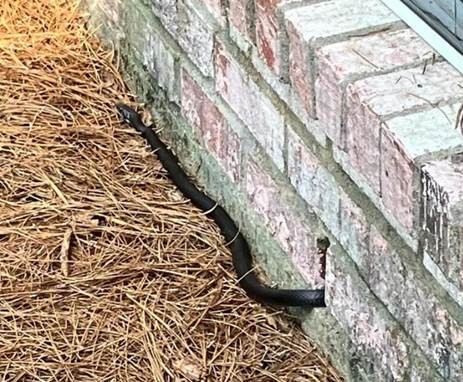
Credit: www.trutechinc.com
How To Remove A Snake Safely
For non-venomous snakes, you can try these simple methods:
- Use a broom: Gently guide the snake toward an open door. Do not hit or poke.
- Snake trap: Place a glue trap or humane trap along the wall. Check regularly.
- Professional removal: If you’re unsure or scared, hire a pest control expert.
| Method | Difficulty | Safety Level | Cost Estimate |
|---|---|---|---|
| Broom Guide | Easy | Safe (with caution) | $0 |
| Glue Trap | Moderate | Safe | $10–$20 |
| Professional Removal | Easy (for you) | Very Safe | $50–$200 |
Tip: Humane traps let you release the snake far away without hurting it.
Preventing Snakes From Entering Your Garage
Once you remove the snake, focus on prevention. Here’s what really works:
Seal Entry Points
- Check for gaps: Look around doors, windows, walls, and the floor.
- Use caulk or foam: Seal cracks and holes smaller than a quarter.
- Install door sweeps: Make sure garage doors close tightly.
Remove Food Sources
- Clean up crumbs and spills
- Store pet food in sealed containers
- Control rodents and insects
Snakes follow their prey. Reducing mice and bugs will make your garage less attractive.
Declutter Your Garage
- Remove piles of boxes, wood, or leaves
- Keep items off the floor
- Organize storage
Clutter gives snakes places to hide. Clean garages are less inviting.
Use Snake Repellents
There are commercial and natural repellents. Their effectiveness varies.
- Chemical repellents: Sold in stores, but studies show mixed results.
- Natural methods: Some people use mothballs or sulfur, but these can be harmful to pets and kids.
| Repellent Type | Effectiveness | Safety |
|---|---|---|
| Chemical Spray | Moderate | Use with caution |
| Mothballs | Low | Not safe for kids/pets |
| Essential Oils | Low | Safe, but weak effect |
Insight: Most experts agree that sealing and cleaning are more effective than repellents.
Keep The Garage Well-lit
Snakes prefer dark places. Use bright lights, especially at night, to make your garage less attractive.
Install Mesh Screens
- Cover vents and drains with fine mesh
- Check screens regularly for holes
This keeps snakes and other pests out.
Common Mistakes Beginners Make
Many beginners miss these important points:
- Leaving doors open: Even a few minutes is enough for a snake to enter.
- Ignoring small gaps: Snakes can squeeze through holes as small as 1/4 inch.
- Relying only on repellents: Repellents alone rarely work.
- Not checking behind items: Snakes hide in places you rarely look.
Example: A homeowner in Texas sealed large gaps but missed a small crack near the floor. A snake entered through that crack. Always check everywhere.
When To Call A Professional
Some situations require expert help:
- You see a venomous snake: Don’t risk your safety.
- Multiple snakes found: There may be a nest nearby.
- You’re unsure about identification: Experts can tell what kind of snake it is.
- You’re not comfortable handling snakes: It’s okay to ask for help.
Fact: According to the CDC, there are about 7,000–8,000 venomous snake bites in the US each year. Most bites happen when people try to handle snakes themselves.
Real-life Example: Successful Snake Removal
Let’s look at a real case:
A family in Georgia noticed shed snake skin and droppings in their garage. They cleaned the garage, sealed all cracks, and installed a new door sweep. They found a small rat snake hiding behind storage boxes. Using a humane trap, they caught the snake and released it far away.
After that, they kept the garage clean and checked entry points every month. They haven’t seen a snake since.
Key lessons:
- Cleaning and sealing worked better than repellents.
- Humane traps are effective and safe.
- Monthly checks prevent new problems.
Additional Data: How Often Snakes Enter Garages
Studies show that snakes enter garages more often in certain conditions:
- Rainy seasons: Snakes seek shelter from flooding.
- Cold months: Garages are warmer than outside.
- Areas with high rodent populations: Snakes follow their food.
Statistic: A survey in North Carolina found that 25% of suburban homeowners reported seeing a snake in their garage at least once a year.
Frequently Asked Questions
How Can I Tell If A Snake In My Garage Is Dangerous?
Look for color and shape. Venomous snakes often have triangular heads and bright colors. If you’re unsure, take a photo and contact animal control. Never handle the snake yourself.
What Should I Do If I See A Snake But Can’t Find It Later?
Close the garage door and search slowly. Check behind boxes, under shelves, and in corners. If you cannot find it, set traps or call a professional. Snakes hide well, so be patient and careful.
Are There Any Safe Snake Repellents I Can Use?
Most snake repellents are not very effective. Essential oils like cinnamon or clove are safe for pets but have weak results. Sealing gaps and keeping the garage clean works better.
How Do I Prevent Snakes From Returning?
- Seal all entry points
- Remove food sources
- Declutter and clean regularly
- Install mesh screens and door sweeps
Monthly checks help catch new problems early.
Should I Kill Snakes I Find In My Garage?
No. Most snakes are harmless and help control pests. Killing snakes can be dangerous and is often illegal in many areas. Use humane traps or call professionals to remove them.
If you want more detailed information about snake safety, you can check this guide from the CDC.
Final Thoughts
Getting rid of snakes in your garage is possible with simple, safe steps. Understand why they come, look for signs, and act quickly but calmly. Seal entry points, clean up, and stay alert. If you see a snake and feel unsure, calling a professional is the safest choice.
Remember, prevention is easier than removal, and most snakes are not dangerous. By following these steps, you’ll keep your garage snake-free and your family safe.
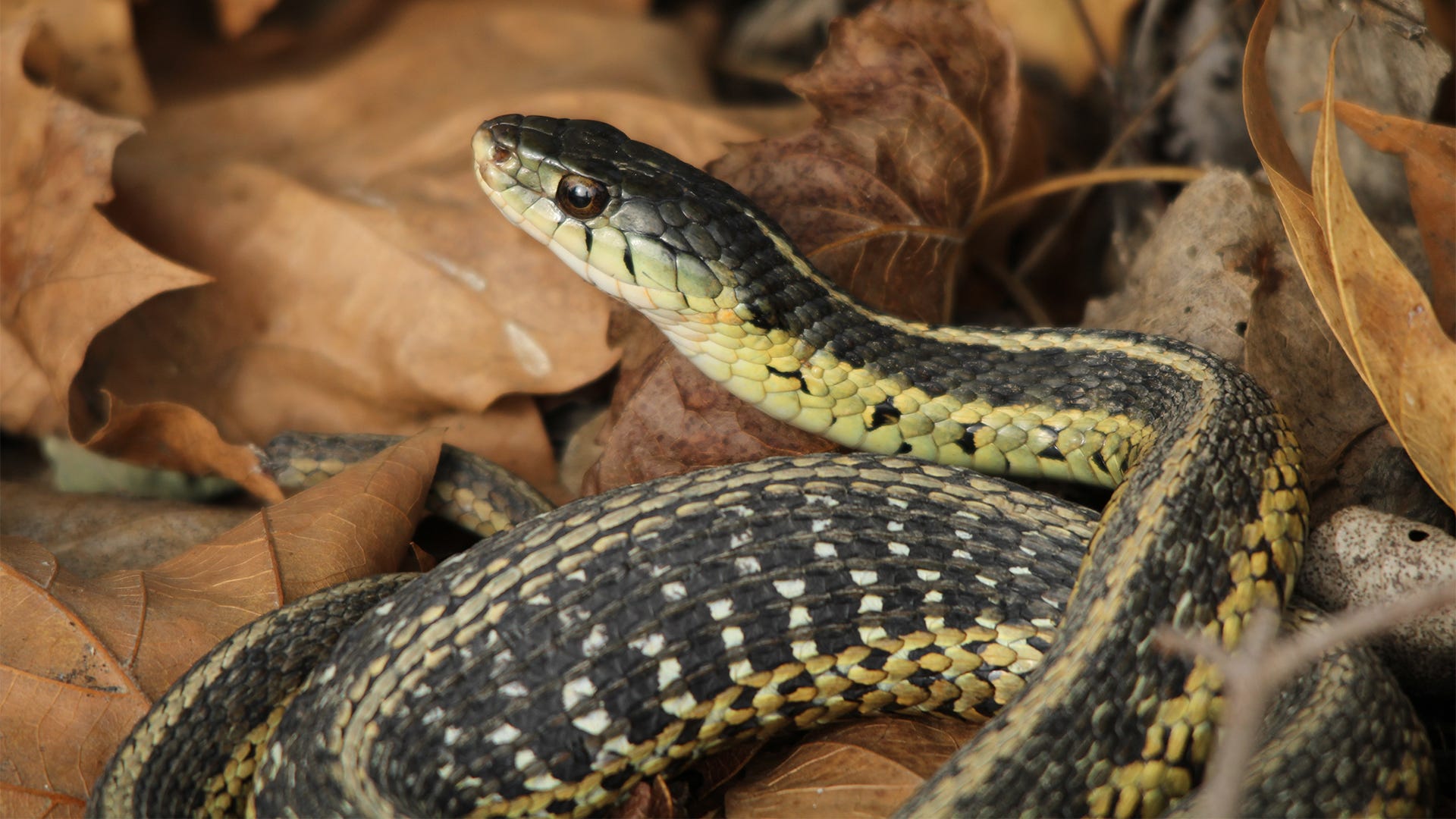
Credit: www.havahart.com