
A garage is more than just a place for cars. People store fuel, chemicals, power tools, and other items that can catch fire easily. Yet, many homeowners forget about fire safety in this area. A smoke detector in garage spaces is often overlooked, but it can protect lives, vehicles, and valuable property. If you’re new to home safety, you might wonder if you really need a smoke detector in the garage, and if so, what type works best. Let’s break down what you need to know, step by step.
Why A Smoke Detector In Your Garage Matters
Many people think garages are separate from the rest of the house, so a fire there won’t be dangerous. This is a big mistake. Fires in garages spread quickly because of:
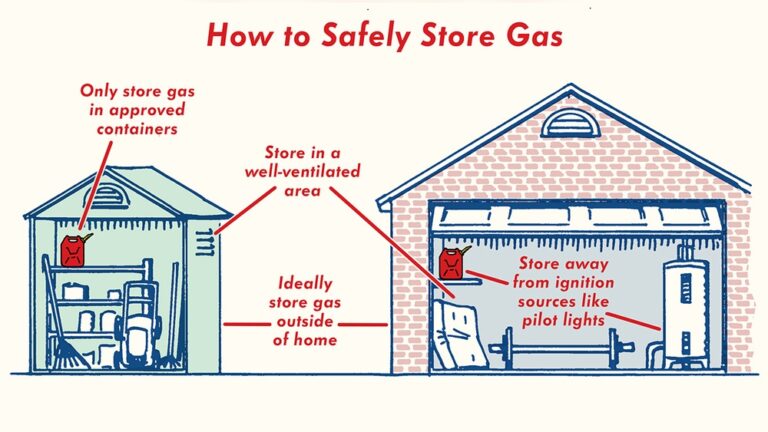
- Gasoline and oil for cars or mowers
- Paints and solvents that are highly flammable
- Power tools and batteries that can spark
- Wood, cardboard, and old furniture stored for long periods
According to the U.S. Fire Administration, about 6,600 garage fires happen in homes each year. These fires result in around 30 deaths, 400 injuries, and $457 million in property loss. Most start from electrical issues, heating equipment, or carelessly stored items.
If your garage is attached to your home, a fire can move into your living area in just a few minutes. Early detection with a smoke detector gives you time to respond or escape.
Can You Install A Smoke Detector In A Garage?
This is a common question. The simple answer: yes, you can, but with some important rules. Garages have unique challenges that make standard smoke detectors less effective.
Why Standard Smoke Detectors Can Be A Problem
- False alarms: Cars produce exhaust and dust. Standard smoke detectors often mistake these for smoke.
- Temperature swings: Garages can get very hot or cold. Many smoke detectors don’t work well outside 40–100°F.
- Humidity: Dampness can set off some detectors by mistake.
The Better Choice: Heat Detectors
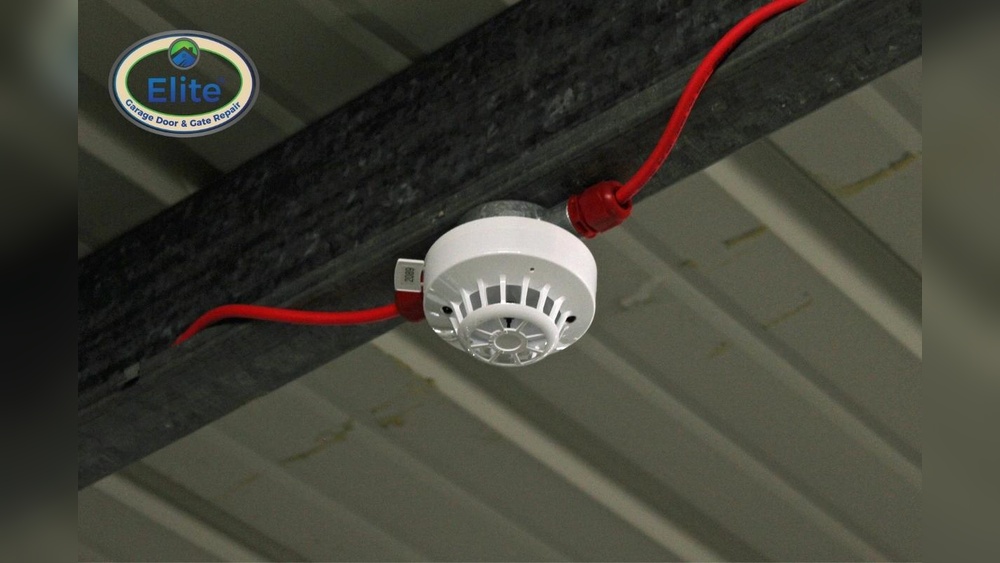
For most garages, experts recommend heat detectors instead of regular smoke alarms. Heat detectors trigger when temperature rises quickly or reaches a set point, usually between 135°F and 194°F.
Key benefits:
- Less likely to give false alarms from dust or fumes
- Designed for tough environments
Some advanced smoke detectors are built for garages, but these are rare and often more expensive.
Types Of Detectors For Garages
Let’s compare your main options.
| Type | How It Works | Best For | Common Issues |
|---|---|---|---|
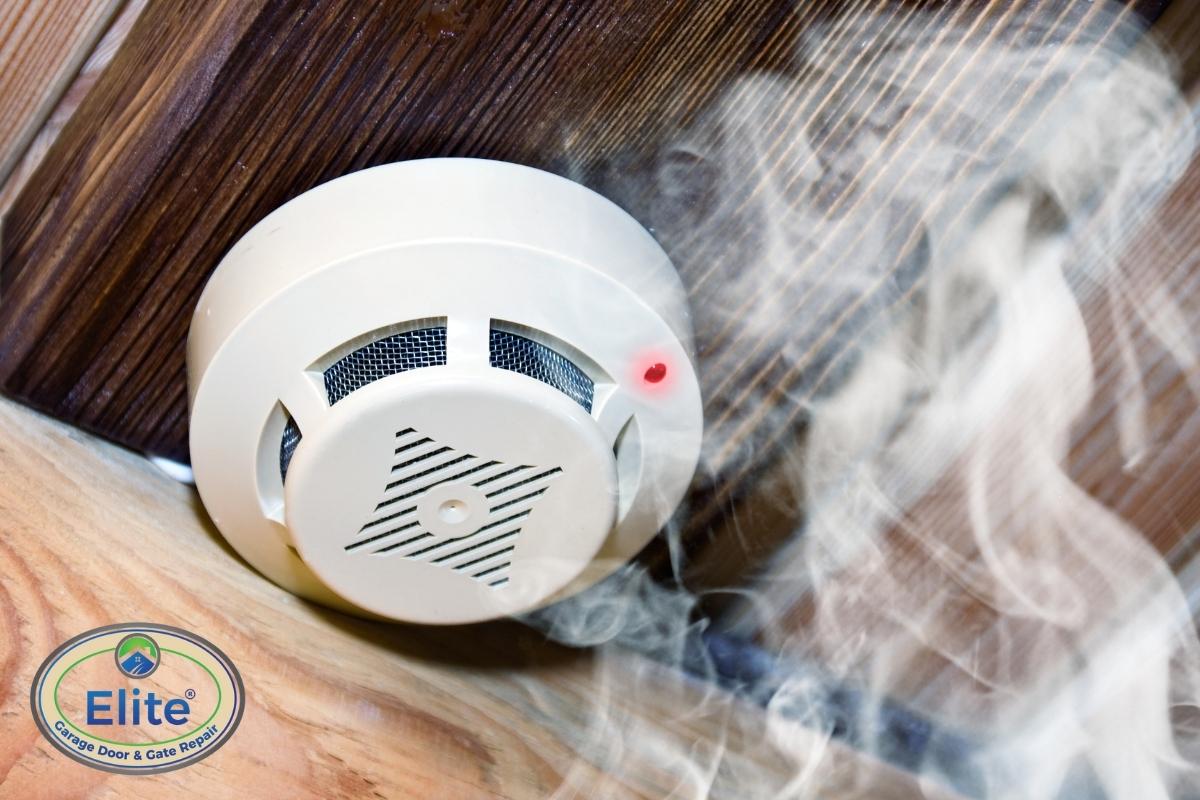
| Photoelectric Smoke Detector | Detects smoke using a light sensor | Living rooms, bedrooms | False alarms from dust in garages |
| Ionization Smoke Detector | Detects small smoke particles | Kitchen, hallways | Trigger from car exhaust, not garage-friendly |
| Heat Detector | Triggers at a set temperature or rapid rise | Garages, attics, workshops | Slower to respond to small fires |
| Dual Sensor (Smoke + Heat) | Detects both smoke and heat | Mixed spaces | May still have false alarms in garages |
Non-obvious insight: Even advanced smoke detectors with “garage mode” can fail if not installed correctly or if exposed to strong drafts.
Where To Place A Detector In The Garage
Correct placement is as important as the type you choose. Placing a detector in the wrong spot can cause false alarms or delay detection.
Best Placement Tips
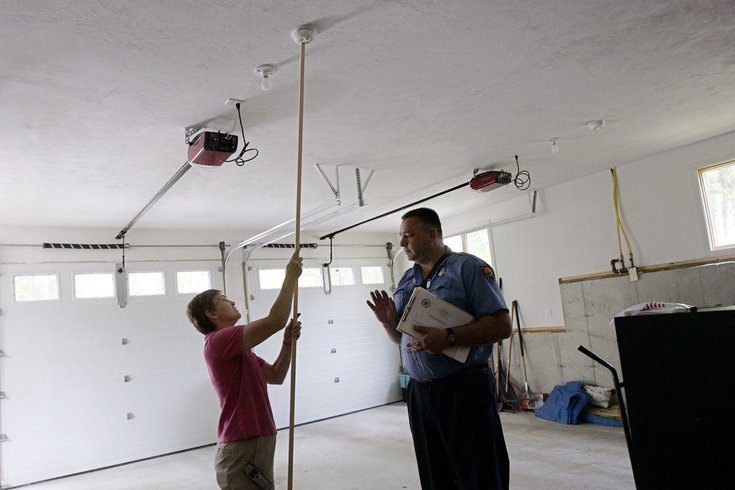
- Ceiling mount is best—heat rises, so this is where it builds up.
- Place at least 12 inches away from walls and corners, where airflow is low.
- Don’t put it directly above car exhaust pipes, workbenches, or heaters.
- Avoid areas near garage doors or windows, as drafts can affect performance.
If your garage is attached to your house, also install a smoke alarm inside the home, near the door connecting the garage.
How To Install A Heat Detector In Your Garage
You don’t need to be an expert to add safety to your garage. Here’s a beginner-friendly step-by-step guide.
- Choose the right device: Look for a heat detector rated for garages, with a temperature setting between 135°F–194°F.
- Turn off power: If installing a hardwired model, switch off the breaker for safety.
- Mark the spot: Use a pencil to mark the drill holes on the ceiling, at least 12 inches from walls.
- Drill holes: Use a drill and the right bit size for your mounting hardware.
- Mount the base: Screw the mounting bracket into the ceiling.
- Connect wires: For hardwired models, connect wires following the color codes (usually black for power, white for neutral).
- Attach the detector: Clip or screw the heat detector onto the base.
- Turn the power back on: Restore electricity and test the detector using the built-in button.
Practical tip: For battery-powered units, test the detector monthly and change batteries once a year.
Maintenance: Keeping Your Detector Ready
Even the best smoke or heat detector is useless if it doesn’t work when needed. Regular maintenance is simple but critical.
- Test monthly: Press the test button until you hear a sound.
- Clean every 6 months: Use a vacuum or dry cloth to remove dust and webs.
- Replace batteries: At least once a year or when you hear a low-battery chirp.
- Replace unit: Most detectors last 8–10 years. Check the date on the back and replace if older.
Non-obvious insight: Spiders like to build webs inside heat detectors. This can block sensors, so check for webs during cleaning.
Legal Codes And Insurance
You may wonder if the law requires a smoke detector in your garage. The answer varies by location.
- The National Fire Protection Association (NFPA) does NOT require smoke detectors in garages, but recommends heat detectors.
- Some states or cities may require them, especially in new homes.
- Insurance companies sometimes offer discounts for extra protection in your garage.
Check your local rules before installing. Sometimes, your home insurance may not cover garage fire damage if you ignore safety recommendations.
Smart Smoke And Heat Detectors
Modern technology brings smart options. Smart detectors connect to Wi-Fi and can send alerts to your phone if there’s a problem—even if you’re not home.
| Feature | Standard Detector | Smart Detector |
|---|---|---|
| Alarm Sound | Yes | Yes |
| Mobile Alerts | No | Yes |
| Self-testing | No | Yes |
| Integration with Smart Home | No | Yes |
| Price | Low | High |
Some smart units also sense carbon monoxide (CO), which is a risk if you have gas appliances or run your car in the garage.
Credit: www.reddit.com
Common Mistakes When Adding A Detector To Your Garage
Many beginners make the same errors. Avoid these for best results:
- Installing a regular smoke alarm instead of a heat detector
- Placing the detector too close to garage doors, leading to false alarms
- Forgetting to test or clean the detector
- Not checking the device’s temperature range
- Ignoring the need to wire it to other alarms in the home for full coverage
Example: If you install a basic smoke detector right above your workbench, it may trigger every time you sand wood or run your car. This leads people to remove the battery, leaving you unprotected.
Garage Detector Costs And Value
A basic heat detector for garages costs between $20 and $60. Smart models with Wi-Fi can cost $80–$150. Hardwired systems are more expensive, but you only need one unit for most garages.
Value tip: The cost of a garage detector is small compared to the price of repairing fire damage or losing valuable items.
Credit: www.phillyvoice.com
Real-world Example: Garage Fire And Detector Response
Imagine you store paint cans and gasoline in your garage. Late at night, a faulty power strip overheats and starts a small fire. A properly installed heat detector senses the rising temperature and triggers an alarm. You and your family wake up, call the fire department, and escape safely.
Damage is limited to the garage.
Without a detector, the fire could reach the house before anyone notices, causing much greater loss.
How To Choose The Right Detector
To choose the best detector for your garage, focus on these points:
- Type: Heat detector is usually best
- Temperature rating: 135°F–194°F for most garages
- Power source: Battery is easiest; hardwired offers more reliability
- Interconnection: Can it trigger alarms inside your home?
- Smart features: Do you want mobile alerts?
Always read reviews and look for units certified by UL (Underwriters Laboratories).
Credit: elitetechgarage.com
Integration With Home Security Systems
Many modern home security systems let you add garage detectors. This means you get alerts on your phone, and your system can call emergency services if needed. Check with your provider if they offer garage-friendly detectors.
Best Practices For Garage Fire Safety
A heat detector is only part of garage safety. Consider these additional steps:
- Store flammable liquids in metal containers, away from heat
- Don’t overload electrical outlets
- Keep space around cars and appliances clear
- Never run a car with the garage door closed
- Install a fire-rated door between the garage and your house
For more detailed fire safety advice, see the NFPA’s guide.
Frequently Asked Questions
Should I Use A Smoke Detector Or A Heat Detector In My Garage?
A heat detector is usually better for garages because it avoids false alarms from car exhaust, dust, or temperature changes.
Where Is The Best Place To Install A Detector In The Garage?
Mount it on the ceiling, at least 12 inches from walls and corners, and away from doors, windows, or exhaust sources.
How Often Should I Test And Clean My Garage Detector?
Test it once a month and clean it every six months to remove dust and spider webs.
Can Smart Smoke Detectors Work In Garages?
Some smart heat detectors are built for garages, but always check their temperature range and features before buying.
Is A Garage Smoke Or Heat Detector Required By Law?
Most places do not require them, but some local codes or insurance companies may. Always check your local rules.
A smoke or heat detector in your garage is a smart investment. It’s not just about protecting cars—it’s about your home, your loved ones, and your peace of mind. For a small cost and a little effort, you can greatly reduce the risk of a devastating fire.
Don’t wait for an accident to remind you why safety matters. Install the right detector, maintain it, and rest easier knowing you’re protected.