
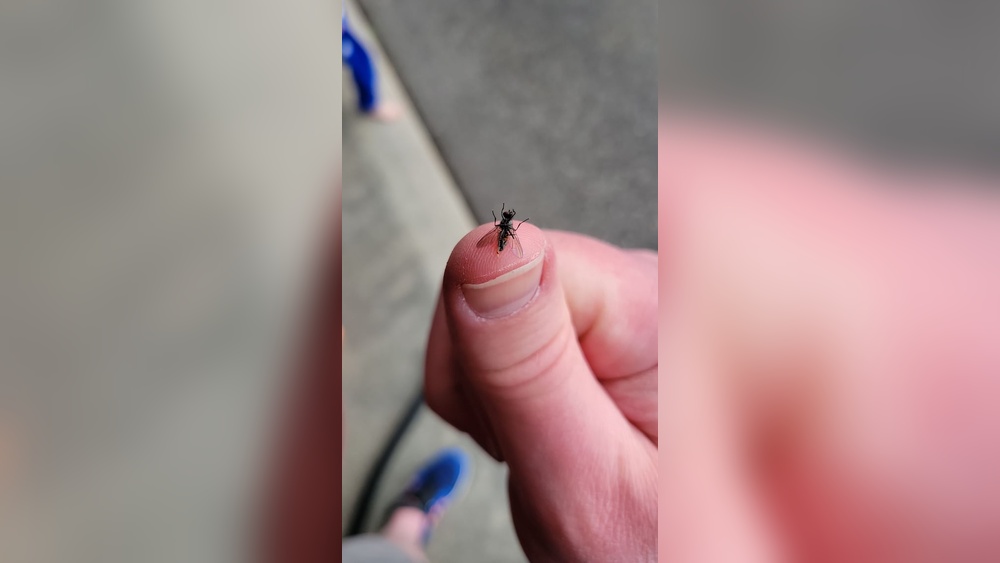
Flies In Garage: Causes, Solutions, And Prevention
Flies in the garage are a common headache for many homeowners. These buzzing insects are not just annoying—they can also bring dirt, bacteria, and even disease into your home. If you notice flies gathering in your garage, you might wonder why they chose this place and how to get rid of them for good.
This guide will help you understand why flies invade garages, how to deal with them, and practical steps to prevent them from coming back.
Why Flies Are Attracted To Garages
Garages offer many things that flies love: shelter, warmth, and food sources. Flies are opportunistic. They look for places where they can feed, breed, and stay safe from the weather.
Main reasons flies enter garages:
- Food crumbs and spills: Even a small food spill can attract flies quickly.
- Garbage cans: Uncovered or overflowing bins provide both food and breeding sites.
- Pet food: Open bags or bowls left out are magnets for flies.
- Moisture: Standing water, leaky pipes, or damp surfaces create perfect breeding spots.
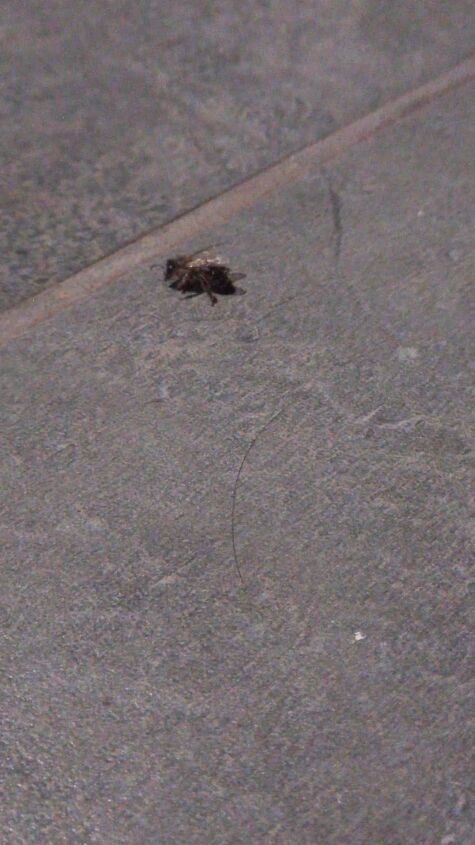
- Dead animals: Sometimes, rodents or small animals die in garages, attracting blowflies and houseflies.
- Compost or yard waste: If you store compost bins or bags of leaves, flies can lay eggs in the organic material.
Flies can get into garages through tiny gaps. Weatherstripping that is old or missing often lets them slip inside. Open doors and unscreened windows make it even easier.
Common Types Of Flies In Garages
Knowing the type of fly helps you choose the right control method. The most frequent types found in garages are:
| Fly Type | Appearance | Main Attraction |
|---|---|---|
| Housefly | Gray, 1/4 inch, red eyes | Food scraps, garbage |
| Blowfly | Metallic green/blue, larger than housefly | Dead animals, rotting meat |
| Fruit fly | Small, tan/yellow, red eyes | Overripe fruit, fermenting food |
| Drain fly | Small, fuzzy, moth-like | Moist drains, standing water |
Each fly species has its own favorite place and food. For example, blowflies often signal a dead rodent in your garage, while fruit flies thrive near spilled juice or rotting fruit.

Credit: www.upnorthsports.com
How Flies Get Inside The Garage
Flies are excellent at finding their way into homes, especially garages. They don’t need a wide opening—just a small crack or hole.
Common entry points:
- Gaps under the garage door
- Unscreened windows or vents
- Cracks around doors and walls
- Open doors left unattended
Sometimes, flies can even hitch a ride on items you bring into the garage, such as grocery bags or garden tools.
Why Flies In The Garage Are A Problem
Flies do more than just annoy. They can create real problems for your family and pets.
Problems caused by garage flies:
- Spread of bacteria: Flies land on trash, feces, and decaying matter, then on your stuff.
- Risk of disease: Some flies can carry germs that cause illnesses like salmonella and E. coli.
- Reproduction: One pair of flies can lead to hundreds of larvae (maggots) in just a few days.
- Damage: Flies can lay eggs in pet food or stored items, causing spoilage.
A small fly problem can quickly grow if you do not act fast. For example, a single housefly can lay up to 500 eggs in her short life.
How To Get Rid Of Flies In Your Garage
Solving a fly problem is easier if you act quickly. Here’s a beginner-friendly, practical plan:
1. Find And Remove The Source
Check your garage for anything that attracts flies.
- Look for spilled food, old garbage, or pet waste.
- Check corners for dead animals or rodents.
- Remove any standing water or leaky pipes.
Tip: Wear gloves and use a flashlight to check hidden spots.
2. Clean And Sanitize
Flies need organic material to survive and lay eggs.
- Sweep or vacuum all floors and corners.
- Mop with a mild bleach solution (1 part bleach to 10 parts water).
- Wash pet bowls, garbage cans, and tools.
Cleaning removes eggs and larvae you can’t see.
3. Remove And Seal Garbage
Garbage is a top reason for flies in garages.
- Use garbage cans with tight-fitting lids.
- Empty bins at least once per week.
- Clean bins with hot, soapy water to remove residue.
4. Fix Entry Points
Stop flies from coming back by sealing gaps.
- Replace old weatherstripping on doors.
- Caulk cracks in walls or around windows.
- Use screens on vents and windows.
5. Use Fly Traps And Baits
Traps help catch adult flies while you fix the main problem.
- Place sticky traps near windows or lights.
- Use electric fly zappers for larger garages.
- Try homemade traps: A jar with apple cider vinegar and a drop of dish soap attracts fruit flies.
Do not rely on traps alone—always remove the source.
6. Consider Safe Insecticides
If flies are overwhelming, use insect sprays labeled for indoor use.
- Read instructions carefully.
- Never spray near food, pets, or people.
- Use sparingly and ventilate the garage afterward.
For most garages, insecticides are a last resort.
7. Get Professional Help (if Needed)
If you cannot find the source or flies keep returning, call a pest control expert. They can find hidden problems, such as a dead animal in the walls.
How To Prevent Flies From Returning
Stopping flies is much easier than fighting an infestation. Simple habits can keep your garage fly-free all year.
Key prevention steps:
- Keep doors closed as much as possible.
- Store pet food in sealed containers.
- Remove garbage and compost quickly.
- Fix leaks or standing water right away.
- Install or repair window and vent screens.
- Clean up spills and crumbs immediately.
These steps may sound simple, but they work. Most people overlook tiny leaks, small cracks, or pet food left out—these are top reasons flies return.
Comparing Methods To Control Garage Flies
Not all solutions work equally well for every garage. Here’s a quick comparison of popular fly control methods:
| Method | Effectiveness | Cost | Ease of Use | Best For |
|---|---|---|---|---|
| Sticky traps | Moderate | Low | Easy | Small infestations |
| Electric zappers | High | Medium | Moderate | Large garages |
| Insecticides | High (short-term) | Low | Moderate | Severe infestations |
| Cleaning & sealing | Very high | Low | Easy to moderate | All situations |
| Professional pest control | Very high | High | Easy | Persistent problems |
For most homeowners, regular cleaning and sealing are the most cost-effective and long-lasting solutions.
Real-life Example: How A Fly Problem Started And Was Solved
Linda, a homeowner in Ohio, noticed flies every time she opened her garage. At first, she ignored them. After a week, there were dozens. She checked her garbage—nothing wrong. Next, she found a bag of old dog food in the corner.
It was damp, and full of maggots.
Linda threw out the bag, cleaned the area with bleach, and sealed the trash can. She also replaced the weatherstripping under the garage door. Within two days, the flies disappeared.
Key lessons from Linda’s story:
- Even sealed food can attract flies if it gets wet or old.
- Checking corners and hidden spots is important.
- Fast action can stop a small problem from growing.
Non-obvious Tips For Fly Control
Many beginners miss small details that make a big difference:
- Check garage door seals every few months. Even a small tear can let in flies.
- Store cleaning supplies off the floor. Spilled chemicals can attract drain flies.
- Don’t forget drains. Some garages have floor drains that can become breeding sites. Pour a cup of vinegar down the drain monthly.
- Monitor humidity. Flies love dampness. Use a dehumidifier if your garage is often moist.
- Keep outdoor lights off near the garage at night. Lights attract flies and other insects.
Seasonal Fluctuations: When Flies Are Worst
Flies are more active in spring and summer, especially when temperatures rise above 70°F (21°C). This is when they breed the fastest. In cooler months, you may still see flies if the garage is heated or there is a steady food source.
Practical tip: Increase cleaning and checks during warm months.

Credit: www.fiawec.com
Are Flies A Sign Of A Bigger Problem?
Sometimes, a sudden fly problem signals another issue:
- A dead animal in the wall or attic
- Sewer or drain leaks under the garage
- Hidden food spills or trash
If flies keep returning no matter what you do, investigate further or call a pest professional.
Common Mistakes To Avoid
Many people waste time and money on the wrong solutions. Here are mistakes to avoid:
- Relying only on sprays or traps without removing the source
- Ignoring small cracks or tears in weatherstripping
- Leaving pet food or bird seed in open bags
- Waiting too long to act—flies breed quickly
Always start by removing what attracts the flies. This is the foundation of any successful plan.
Environmental And Health Considerations
Most common fly control methods are safe if used correctly. However, always read product labels, especially for sprays or baits. Keep children and pets away from chemical products.
If you want a green approach, stick to:
- Cleaning and sealing
- Vinegar traps
- Essential oils (like peppermint) as mild repellents
For more about safe pest control, see the EPA’s Safe Pest Control page.
Frequently Asked Questions
What Is The Fastest Way To Get Rid Of Flies In My Garage?
The fastest way is to find and remove the source (food, garbage, or dead animals), then use sticky traps to catch remaining adults. Clean the area and seal entry points to stop more flies from coming in.
Why Do Flies Keep Coming Back Even After Cleaning?
If flies keep returning, you might have missed a hidden source, like a leaking drain or a dead rodent. Also, check for new cracks or open doors that let them inside.
Are Flies In The Garage Dangerous?
Yes, flies can carry bacteria and disease. They can contaminate pet food, stored items, and even enter your home, increasing health risks.
What Home Remedies Work Against Garage Flies?
Popular home remedies include vinegar traps (for fruit flies), sealing all food, and cleaning with bleach or vinegar. Essential oils like peppermint or eucalyptus can also help repel flies, but they are not as strong as removing the source.
When Should I Call A Professional?
Call a pest control expert if you cannot find the source, if flies return after repeated cleaning, or if you suspect a dead animal or serious infestation.
Keeping your garage fly-free is possible with careful cleaning, sealing, and quick action when you see the first signs of trouble. The key is to fix the cause, not just the symptoms. With these steps, your garage will stay cleaner, safer, and more comfortable year-round.
Credit: www.hometalk.com