
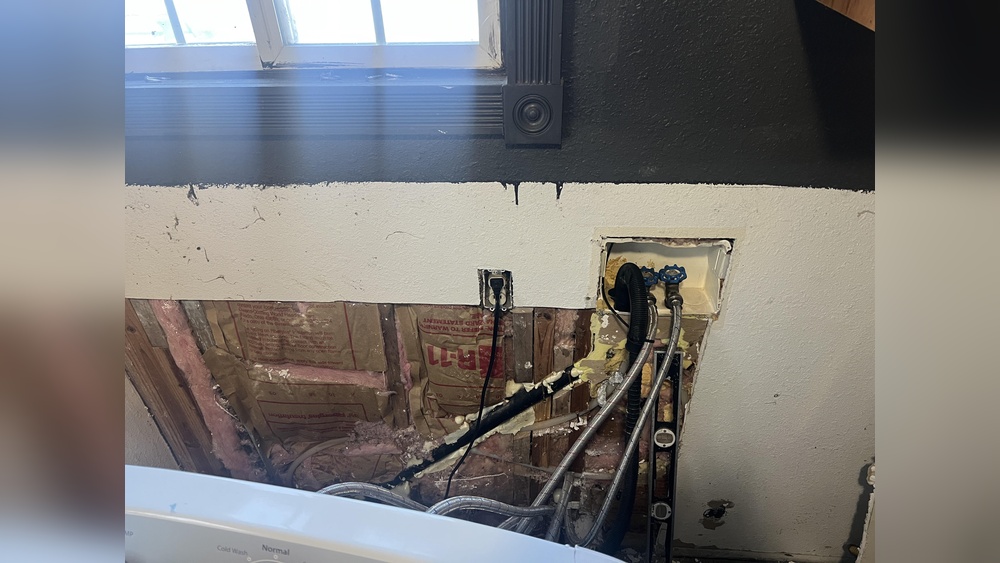
Storing your washing machine in a garage can be a smart way to save space inside your home. But when winter arrives, freezing temperatures can damage your machine and cause costly repairs. Many people don’t realize that water left inside the washer can freeze, break hoses, or even crack the pump.
Protecting your investment is easier than you think, but it does require some careful steps. This guide shows you how to keep your washing machine from freezing in the garage—even if you’re new to home maintenance.
Why Washing Machines Freeze In The Garage
Garages are usually not heated, and they lose warmth quickly. When temperatures drop below 32°F (0°C), water inside the washer, hoses, or pump can freeze. This can cause:
- Cracked hoses: Frozen water expands and splits rubber or plastic hoses.
- Broken pump: Ice can damage the internal pump, leading to leaks.
- Seals and gaskets: These can become stiff or crack, causing future leaks.
Even in insulated garages, sudden cold snaps can cause problems. Knowing the risks helps you take the right actions before damage occurs.
Signs Your Garage Is Too Cold For Your Washing Machine
Not sure if your garage gets cold enough to cause damage? Here are some signs:
- Frost on windows or walls during cold nights
- Breath visible when you enter the garage
- Water left in a cup freezes overnight
If any of these are true, your washing machine is at risk. Use a thermometer to track how cold your garage gets. Note the lowest temperature in the coldest months.
Essential Steps To Prevent Freezing
1. Disconnect And Drain All Water
The most important step is to remove all water from the washing machine and hoses.
- Unplug the machine for safety.
- Turn off water supply valves to the washer.
- Disconnect inlet hoses and let water drain into a bucket.
- Lower the drain hose to help any water left inside flow out.
Even a small amount of water can freeze and break parts. Always double-check that hoses are empty.
2. Run A Spin Or Drain Cycle
After disconnecting, run a spin or drain cycle with the washer empty. This helps remove water trapped in the pump or tub.
- Select the ‘drain’ or ‘spin’ cycle.
- Let the machine finish completely.
- Leave the door open to air dry the drum.
This step is often missed by beginners, but it’s crucial to prevent ice damage.
3. Add Antifreeze (if Needed)
For added protection, especially in very cold areas, use RV antifreeze (not car antifreeze). RV antifreeze is safe for plumbing and prevents any leftover water from freezing.
- Pour 1 cup into the drum.
- Run a short spin/drain cycle.
- Leave the door open after.
Always check your washer’s manual to see if this is recommended. Some manufacturers advise against it.
Insulation Methods For Garages And Washing Machines
If you want to keep using your washer in winter, insulation makes a big difference.
Insulate The Garage
Simple upgrades can raise the temperature by several degrees:
- Seal gaps around doors and windows with weatherstripping.
- Add insulation panels to the garage door.
- Install foam board or fiberglass insulation on walls.
These steps help keep out the cold and protect your machine.
Use A Space Heater Or Heat Lamp
A small heater can keep the garage above freezing:
- Choose an electric space heater with a thermostat.
- Place it near the washer, but away from flammable items.
- Use a smart plug or timer to turn it on only when needed.
Safety tip: Never leave a heater running unattended. Make sure your garage has working smoke and carbon monoxide detectors.
Insulate The Washing Machine Itself
You can wrap the washer with special materials:
- Water heater blankets or foam pipe insulation can cover exposed hoses.
- Thermal wraps made for appliances are available online.
This extra layer helps keep the cold out, especially for short winter periods.

Credit: www.reddit.com
Comparison: Insulation Methods
Here’s a quick look at common insulation options and their effectiveness:
| Method | Estimated Cost | Temperature Increase | Difficulty |
|---|---|---|---|
| Garage Door Insulation Kit | $70–$120 | +10°F | Medium |
| Foam Pipe Wrap | $8–$20 | +2°F (at hose) | Easy |
| Space Heater | $30–$60 | +20°F (local) | Easy |
| Full Wall Insulation | $300–$900 | +20°F | Hard |
The right method depends on your budget, DIY skills, and how cold your region gets.
Winterizing A Washing Machine: Step-by-step
If you won’t use the washer all winter, “winterizing” is the best way to avoid problems.
- Stop using the washer at least 24 hours before freezing weather.
- Disconnect from power and turn off water supply.
- Drain hoses and remove any standing water.
- Run a spin or drain cycle to clear the pump.
- Add RV antifreeze (if allowed by manufacturer).
- Wrap the hoses with foam insulation or towels.
- Cover the washing machine with a waterproof sheet or old blanket.
This process protects the machine until spring. When you’re ready to use it again, run an empty wash cycle to clear any antifreeze.
What To Avoid: Common Mistakes
Beginners often make simple errors that lead to expensive damage:
- Leaving hoses connected: Even if you turn off water, hoses can hold enough water to freeze and break.
- Forgetting the drain pump: Water can stay trapped here, causing cracks.
- Using the wrong antifreeze: Only use RV/marine antifreeze, not automotive types.
- Running a heater unsafely: Heaters must be used with care. Never block vents or leave them near flammable items.
Small details make a big difference. Taking time to do each step properly saves money and trouble later.
Real-life Example: A Winter Freeze Disaster
Consider a homeowner in Minnesota who left their washer in an unheated garage. One cold night, the temperature dropped to -5°F. Water inside the machine’s pump froze, cracking the plastic. In spring, the first wash led to a flood in the garage—and a $300 repair bill.
If the owner had drained the machine and used foam pipe wrap, this could have been avoided. This example shows why even a few dollars and minutes spent on prevention are worth it.
How Cold Is Too Cold? Data And Regional Risks
Every region is different. In southern states, garages rarely freeze except during record cold snaps. In northern states, freezing is common.
Here’s how often US regions see garage temperatures below freezing:
| Region | Average Winter Low (°F) | Freeze Risk |
|---|---|---|
| Upper Midwest | -10 to 10 | Very High |
| Northeast | 10 to 25 | High |
| Southeast | 25 to 35 | Moderate |
| Southwest | 25 to 40 | Low |
| Pacific Coast | 35 to 50 | Low |
Check your local weather data to see when you need to start winterizing.
When To Take Action
Act before the first freeze, not after. Most damage happens in the first cold snap of the year. Make a habit to:
- Winterize your washer each fall
- Check insulation in early November
- Monitor garage temperatures with a digital thermometer
Staying ahead of the weather means less stress and fewer repairs.

Credit: appliancesolutionsmn.com
How To React If Your Machine Freezes
If you suspect your washing machine has frozen, act quickly:
- Do not run the machine until it’s thawed.
- Move the washer to a warmer area if possible.
- Let it thaw naturally for 24–48 hours.
- Check for leaks before reconnecting to water.
Running a frozen washer can break more parts and cause leaks. If you see cracks or leaks, call a professional for repairs.
Cost Of Repairs Vs. Prevention
Repairing a frozen washer is expensive. Here’s a quick comparison:
| Repair/Prevention | Estimated Cost | Time Needed |
|---|---|---|
| Replace Hoses | $30–$60 | 1 hour |
| Repair Pump | $150–$300 | 2–3 hours |
| Full Machine Replacement | $500–$1200 | 1–2 hours |
| Insulation & Antifreeze | $30–$80 | 1–2 hours |
Prevention is always cheaper than repairs. A little time spent before winter saves hundreds of dollars.
Smart Tools For Peace Of Mind
Technology can help you monitor and protect your washer:
- WiFi temperature sensors: Send alerts if your garage gets too cold.
- Smart plugs: Control heaters remotely or set schedules.
- Water leak detectors: Warn you if the washer leaks after winter.
Most devices cost less than $50 and give you extra security in winter.
Extra Tips For Long-term Protection
- Check hoses for cracks every spring.
- Keep the washer door open when not in use to prevent mold.
- Label hoses and parts for easy reassembly.
- Store the washer on a pallet to keep it off cold concrete.
If you move, remember to winterize before transporting the machine in cold weather.
Credit: www.hunker.com
Frequently Asked Questions
What Temperature Will Freeze A Washing Machine In The Garage?
Any temperature below 32°F (0°C) can freeze water left in your washing machine. Even if the garage feels warmer during the day, overnight cold can cause freezing.
Can I Use Regular Antifreeze In My Washing Machine?
No. Only use RV or marine antifreeze, which is non-toxic and safe for plumbing. Never use automotive antifreeze—it is poisonous and can damage your washer.
Is It Safe To Run A Space Heater In My Garage All Winter?
You can use a space heater for short periods, but always follow safety instructions. Never leave it running unattended. Use heaters with tip-over protection and keep flammable items away.
Do I Need To Winterize The Washer If I Only Leave It Unused For A Week?
If temperatures are below freezing, winterize your washer even for short periods. Water can freeze quickly and cause damage, even after just one cold night.
Will Insulation Alone Prevent Freezing?
Insulation helps, but it may not be enough in very cold climates. Combine insulation with draining the washer and using antifreeze for the best protection.
Protecting your washing machine from freezing in the garage is not difficult, but it does require attention to detail and some preparation. With the right steps, you can avoid costly repairs and keep your washer running smoothly all year. For more information on protecting appliances in winter, you can visit Energy.gov. Stay warm, stay safe, and enjoy peace of mind through every season.