
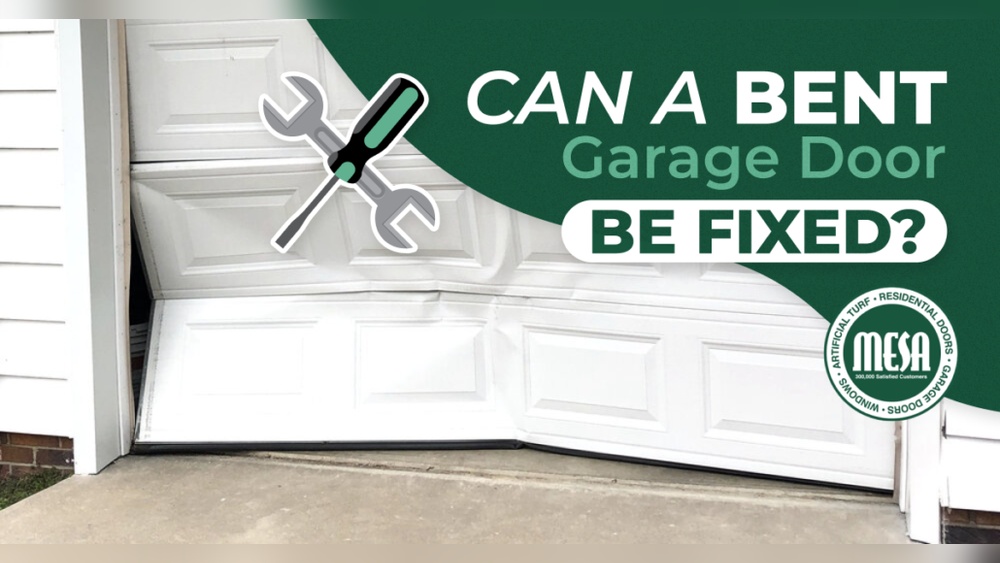
A bent garage door can be more than just an eyesore. It can lead to poor sealing, unsafe operation, and even damage to your home or vehicle. Many homeowners face this problem, but fixing a bent garage door is not as complicated as it may seem.
With the right tools, some basic knowledge, and careful steps, you can restore your garage door’s function and appearance without expensive professional help.
This guide explains how to fix a bent garage door, why doors bend, and how to prevent future problems. You’ll also find tables comparing repair options, common mistakes, and a helpful FAQ section at the end. Whether your door is steel, aluminum, or wood, you’ll find easy-to-follow advice to get your garage working smoothly again.
Why Garage Doors Get Bent
Understanding the reasons behind a bent garage door helps you fix the problem and avoid it in the future. Common causes include:
- Accidental impact: Backing into the door with your car is a frequent cause.
- Weak materials: Thin or old panels, especially aluminum, bend easily.
- Broken springs or cables: These parts balance the door. If they fail, the door can twist or bend.
- Obstructions: Objects in the door’s path may cause it to bend when closing.
- Extreme weather: Strong winds or hail can damage weaker doors.
Example
If you notice your garage door bowing inwards after a storm, weather is likely the culprit. If the bend appeared after a loud noise or sudden stop, it may be from an object or impact.
Safety Precautions Before Repair
Garage doors are heavy and under tension. Safety is critical. Before starting repairs:
- Disconnect the automatic opener to prevent accidental movement.
- Release the tension in springs and cables if you need to work on panels. This step is important for safety—springs can cause injury.
- Wear gloves and safety glasses to protect your hands and eyes.
- Work with a partner if possible, especially if the door is large or heavy.
If you feel unsure about any step, it’s best to call a professional. Some repairs, like spring replacement, can be risky for beginners.
Tools And Materials You’ll Need
Having the right tools makes the process smoother and safer. Most basic repairs require:
- Adjustable wrench
- Rubber mallet or hammer
- C-clamps or locking pliers
- Pliers
- Screwdriver (Phillips and flathead)
- Wood block or panel reinforcement bar
- Replacement panel (if severely damaged)
- Drill (optional, for panel replacement)
- Stepladder
For minor bends, you may not need all these tools. For a major repair, prepare everything before starting.
Step-by-step Guide: Fixing A Bent Garage Door
Here’s a beginner-friendly approach to fixing bent panels on most garage doors.
1. Assess The Damage
First, check how bad the bend is:
- Is it a minor dent or a deep crease?
- Is the door still opening and closing?
- Are there cracks or broken parts?
Small bends are often fixable at home. Deep creases, cracks, or twisted frames may need professional repair or panel replacement.
2. Secure The Door
- Disconnect the opener and pull the emergency release cord.
- Clamp the door to the tracks using C-clamps or locking pliers. This keeps the door from moving while you work.
3. Remove Minor Bends
For small dents or shallow bends:
- Place a wood block behind the bent area (inside the garage).
- Gently tap the front of the bend with a rubber mallet or hammer.
- Work slowly from the edges toward the center. Don’t hit too hard—gentle pressure is better.
- Repeat if needed until the panel is straight.
Example
If the door was hit by a basketball, a slight bulge may appear. Place the wood block inside and tap from the outside until the bulge flattens.
4. Reinforce The Panel (if Needed)
If the panel is weak after straightening, reinforce it:
- Attach a reinforcement bar or steel strut across the inside of the panel.
- Use screws or bolts to secure it to the door’s frame.
- This step helps prevent future bending in the same spot.
5. Replace Severely Bent Panels
If a panel is too damaged to fix:
- Remove the screws or bolts holding the damaged panel.
- Slide the panel out of the tracks.
- Insert a new, matching panel.
- Reattach with screws or bolts.
This process may need two people for large or heavy doors.
6. Test Door Operation
- Reconnect the opener.
- Open and close the door several times.
- Watch for sticking, uneven movement, or strange noises.
If the door moves smoothly and closes completely, the repair is successful. If not, check your steps or consult a pro.
Comparing Diy And Professional Repair
Some repairs are easy for beginners, while others are best left to pros. Here’s a quick comparison:
| Repair Type | DIY Difficulty | Average Cost | Time Needed | When to Call a Pro |
|---|---|---|---|---|
| Minor bend straightening | Easy | $0-$30 (tools) | 30-60 mins | Rarely |
| Panel replacement | Moderate | $150-$400 (panel) | 1-2 hours | If unsure or panel is heavy |
| Spring/cable repair | Hard | $200-$600 | 2-3 hours | Always |
Key insight: Many beginners underestimate the danger of spring repairs. If your door won’t lift or feels very heavy, a broken spring may be the cause. This is a job for professionals.
Common Mistakes To Avoid
Avoid these errors to save time and prevent injury:
- Forgetting safety steps: Not securing the door or disconnecting the opener is risky.
- Over-hammering: Too much force can make the bend worse or crack the panel.
- Ignoring hidden damage: Sometimes a small bend hides bigger issues, like a warped track or broken hinge.
- Skipping reinforcement: If you don’t reinforce a weak panel, it may bend again soon.
Data Example
A survey by the International Door Association found that 40% of DIY garage door repairs fail because of missed safety steps or underestimating the damage.
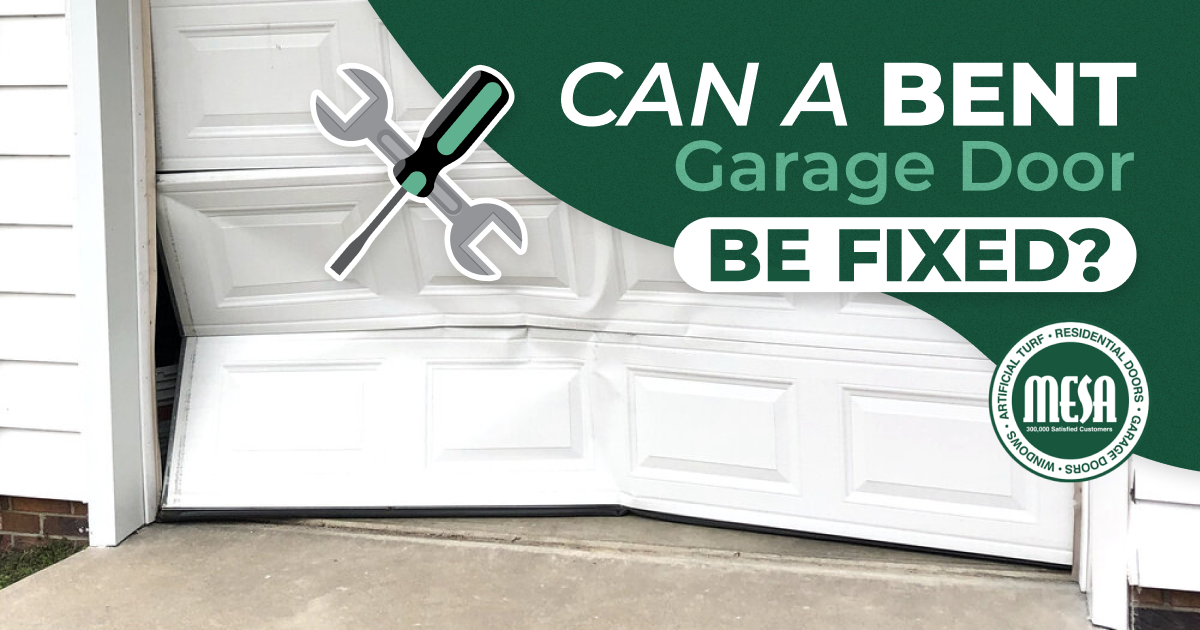
Credit: www.mesagaragedoors.com
How To Prevent Garage Door Bends
Prevention is easier and cheaper than repair. Simple steps include:
- Park carefully: Always check your mirrors and backup cameras before pulling into the garage.
- Clear obstacles: Keep bikes, tools, and other objects away from the door’s path.
- Schedule regular inspections: Check for loose screws, worn panels, or rust.
- Lubricate moving parts: This reduces strain on the door and prevents sudden jerks that can cause bends.
- Upgrade materials: If you replace your door, choose thicker steel or reinforced panels.
Materials Comparison: Which Doors Bend Most?
Not all garage doors are equal when it comes to bending. Here’s a quick look:
| Material | Bend Resistance | Common Uses | Repair Difficulty |
|---|---|---|---|
| Aluminum | Low | Modern residential | Easy |
| Steel | Medium-High | Residential & commercial | Moderate |
| Wood | Medium | Classic homes | Hard |
| Fiberglass | Medium | Coastal homes | Easy |
Insight: Aluminum doors are light and popular but bend more easily. Steel doors resist dents better but are heavier to handle.

Credit: www.youtube.com
Signs You Need Professional Help
Sometimes a bent garage door is just the start of a bigger problem. Call a professional if you notice:
- The door won’t open or close fully
- Loud grinding or popping noises
- Sagging or off-track panels
- Broken springs or cables
- Damage to more than one panel
A pro can check for hidden issues and ensure the door is safe.
Cost Breakdown: Diy Vs. Professional
Here’s a rough guide to repair costs:
| Repair Type | DIY Cost | Pro Cost |
|---|---|---|
| Minor Bend | $0-$30 | $80-$150 |
| Panel Replacement | $150-$400 | $300-$700 |
| Spring Repair | Not recommended | $200-$600 |
Note: Prices vary by location, door size, and material. Always get a quote before hiring.

Credit: www.reddit.com
Extra Tips For A Lasting Repair
- Paint over repairs to prevent rust on metal doors.
- Check door balance after fixing. A well-balanced door will stay in place if you lift it halfway and let go.
- Replace weather stripping if it’s damaged during repair.
- Document repairs with photos and notes for future reference.
Pro tip: Sometimes a door looks fixed but has a small misalignment. Listen for new noises and check if the door seals tightly when closed.
Frequently Asked Questions
What Causes Garage Doors To Bend Most Often?
The most common causes are vehicle impact, weak panels, and broken springs. Weather and accidental bumps from objects also contribute.
Can I Fix A Bent Garage Door Myself?
If the bend is minor and there are no broken springs or cables, most homeowners can fix it with basic tools. For severe bends or if the door feels very heavy, call a professional.
How Do I Know If The Panel Needs Replacement?
Replace a panel if you see deep creases, cracks, or if the panel no longer fits into the track. If the bend is minor and the panel is still strong, you can usually repair it.
What Is The Risk Of Not Fixing A Bent Door?
A bent door can lead to poor insulation, security risks, and further damage to other parts. It may also strain the opener, causing it to fail sooner.
Where Can I Find More Information About Garage Door Repairs?
The Wikipedia page on garage doors offers a detailed overview of types, parts, and safety information.
Fixing a bent garage door is a practical project for many homeowners. With the right steps and safety measures, you can save money and keep your garage secure. Remember, know your limits—when in doubt, reach out to a professional for help.
Regular checks and simple prevention will keep your door working smoothly for years.