To stop tool theft, lock your tools in secure storage, keep them out of sight, mark each item with a unique ID, record serial numbers, and use tracking devices for valuable equipment. Build these steps into your daily work routine.
Across the United States, contractors, electricians, plumbers, carpenters, mechanics, and home improvement workers rely on their tools to earn a living. A stolen drill, saw, tool chest, or work van can bring a job to a halt. It can also mean missed deadlines, replacement costs, and hours spent dealing with police reports and insurance claims.
The good news is that you do not need a costly security system to start protecting your equipment. A strong lock, a clear tool inventory, secure overnight storage, and a few consistent habits can make theft harder and help you identify stolen property. The best approach combines several layers of protection rather than relying on one device.
This guide explains how to stop tool theft at American construction sites, in work vans, at home, and in shared workshops. You will learn how to secure your tools, choose useful tracking options, reduce common security risks, and respond if something goes missing. No method can guarantee that theft will never happen, but a clear plan can reduce your exposure and improve your chances of recovery.
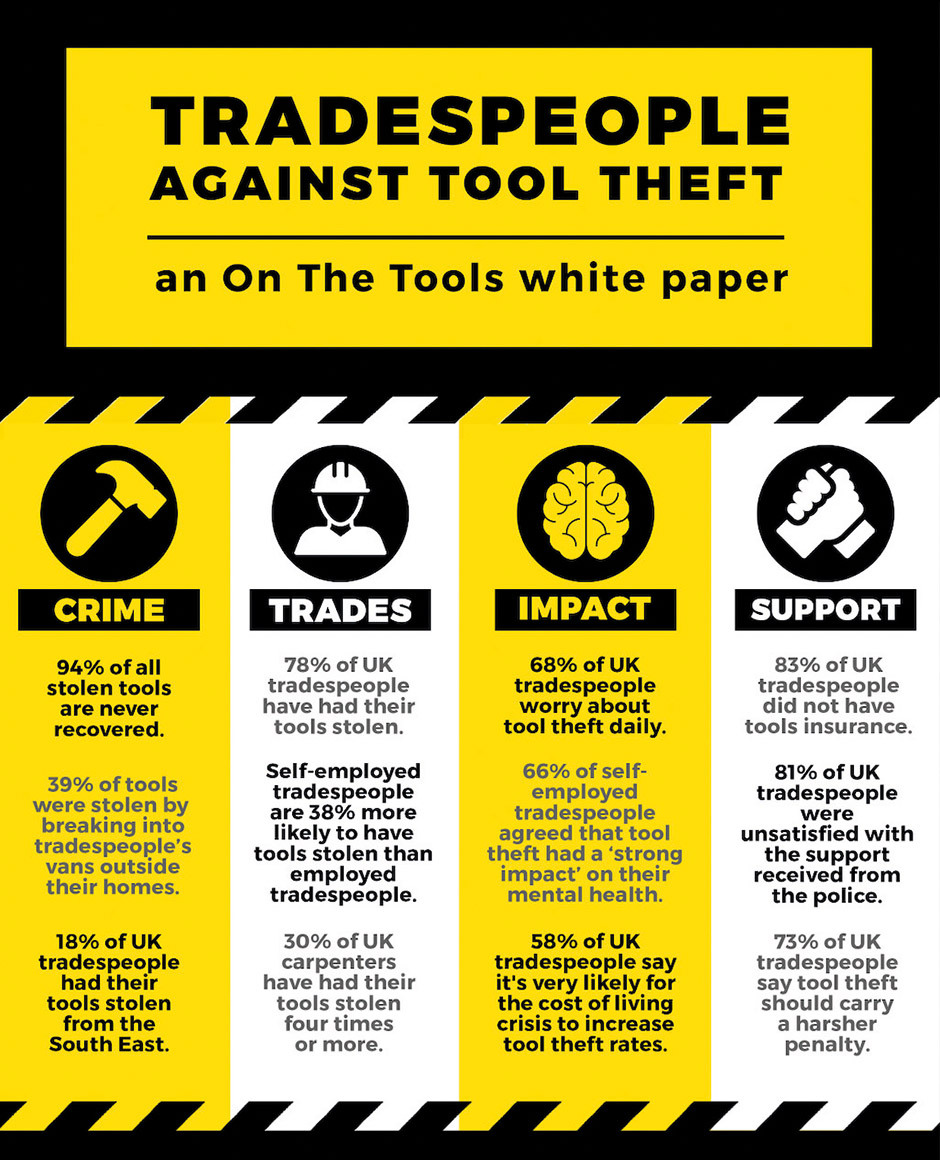
Source: groompropertymaintenance.co.uk
Why Tool Theft Happens and Which Tools Need More Protection
Tool theft often becomes easier when equipment is left unattended, stored in plain sight, or kept behind weak locks. A busy construction site may have many workers, deliveries, visitors, and subcontractors moving through the same area. That traffic can make it harder to notice when an item disappears.
Portable power tools, cordless batteries, generators, nail guns, welding equipment, and complete toolboxes deserve special attention. They can be valuable, easy to carry, and useful to many trades. Larger machines and enclosed trailers also need protection because a single theft can affect an entire crew.
Your risk depends on where you work, how long tools remain unattended, the value of the equipment, and how easy it is to move it. A residential remodel, a roadside service job, and a large commercial construction project may need different security plans.
Source: hub.its.co.uk
Small hand tools
Keep expensive or specialized items in a labeled tool case or locked cabinet. A simple inventory helps you spot missing pieces.
Cordless power tools and batteries
Store tools and batteries together in secure cases when practical. Record the serial numbers and use compatible tracking options where available.
Generators and larger equipment
Use suitable equipment locks, secure storage, and approved tracking or immobilization systems. Follow the manufacturer’s operating instructions.
Tool trailers and work vans
Protect the doors, windows, contents, and vehicle itself. A strong storage box cannot help much if a thief can take the entire vehicle.
Start With a Simple Risk Check
Walk through your normal workday and look for easy opportunities for theft. Ask where tools sit during breaks, how equipment is secured at lunch, what remains in your van overnight, and who can access the storage area. Check whether a person outside the site can see expensive tools through a window or open doorway.
Fix the easiest weaknesses first. Move visible tools out of sight, repair damaged locks, secure loose equipment, and decide who is responsible for locking up. These basic steps help you build a plan before spending money on advanced technology.
Identify high-value items
List equipment that would be costly or difficult to replace and give it extra protection.
Check access points
Inspect doors, gates, windows, storage cages, and vehicle compartments for weak or damaged security.
1. Lock Tools Away When They Are Not in Use
Secure storage is one of the most useful ways to stop tool theft. Keep equipment in a locked building, secure job box, tool cabinet, or enclosed storage trailer whenever it is not needed. Choose storage that suits the tool’s size, value, weight, and working environment.
For construction crews, a lockable steel job box may provide a practical place for drills, batteries, hand tools, and accessories. Larger sites may need a secured tool room or storage container. At home, a locked garage cabinet or workshop enclosure can help protect valuable equipment from casual access.
Choose a quality lock that fits the storage unit and is suitable for its environment. The lock is only one part of the system, so check the door, hinges, mounting points, and surrounding structure too. A strong lock on a weak box may offer less protection than expected.
Source: i.ytimg.com
Secure storage to a suitable structure
Where appropriate, anchor toolboxes or cabinets to a solid surface using manufacturer-approved hardware. Confirm that the mounting method suits the load and location.
Keep keys and access codes controlled
Limit access to people who need it. Avoid leaving keys in unlocked drawers, obvious hiding places, or unattended vehicles.
Lock up during the workday
Do not wait until the final cleanup to secure equipment. Lock valuable tools away when leaving an area for a long period.
Remove tools from exposed locations
When practical, take high-value equipment off-site instead of leaving it in a temporary building or vehicle overnight.
Choose Storage That Matches Your Work
A mobile technician may need a secured van cabinet because tools must remain available during service calls. A contractor working on a long-term project may benefit from a fixed job box with controlled access. A homeowner may prefer a locked cabinet that keeps equipment organized and away from visitors.
Think about access as well as strength. A storage system that is difficult to use may lead workers to leave tools outside. Choose a setup that makes the secure option the easy option.
For mobile trades
Use secure internal storage that limits movement and keeps equipment out of sight.
For construction sites
Place storage away from public access where possible and include it in the site’s closing inspection.
For home workshops
Keep doors and windows secure, limit access to the workshop, and avoid advertising expensive equipment to passersby.
2. Protect Your Work Van From Tool Theft
Work vans are convenient places to store tools, but they can also expose equipment to theft. If you carry tools between jobs, protect the vehicle and its contents as separate assets. Even a secure toolbox cannot prevent a thief from taking the whole van.
Always lock the doors and close the windows when leaving the vehicle, even for a brief stop. Keep tools out of sight and park in a well-lit, populated area when possible. At a jobsite, choose a parking location that reduces public visibility without blocking emergency access or creating hazards.
For high-value equipment, consider a properly installed alarm, additional door security, or a reinforced internal tool cabinet. Select upgrades that fit your vehicle and do not interfere with airbags, wiring, emergency exits, or normal operation. Ask a qualified vehicle security installer if you are unsure about compatibility.
Source: d2wmc3j6fsr8ll.cloudfront.net
Remove tools overnight when practical
Take expensive equipment indoors or to a secure storage location whenever possible. Check your insurance terms before relying on overnight van storage.
Avoid visible tool displays
Do not leave drills, cases, batteries, or other valuables on seats or near windows. Keep the interior organized and covered without obstructing visibility needed for safe driving.
Use additional vehicle security
Depending on your vehicle, a professionally installed alarm, suitable door locks, or a steering wheel lock may add another layer of protection.
Secure the vehicle itself
Park where you can see the van when practical, and use a secure driveway, locked garage, or controlled parking area when available.
Build a Van Lockup Routine
Before leaving the van, check each door, window, storage compartment, and accessible tool case. Confirm that the alarm is armed if your vehicle has one. Do not leave the engine running or the keys inside while loading or unloading equipment.
At the end of the workday, remove tools that are not needed for the next job. This reduces the amount of valuable equipment exposed to a single break-in. If removing everything is not practical, prioritize the most expensive and portable items.
Before driving away
Check that the tools you need are present and that cases are secured against movement.
Before leaving the vehicle
Close windows, lock doors, activate the security system, and check that nothing valuable is visible.
When parking overnight
Choose a secure location and follow any storage conditions stated in your insurance policy.
3. Mark Your Tools and Record Their Serial Numbers
Tool marking makes equipment easier to identify and can help show that an item belongs to you. A thief may remove a removable label, so consider adding a permanent identifier as well. Suitable methods include engraving where the manufacturer permits it, durable marking pens, distinctive paint marks, and tamper-resistant identification labels.
Avoid marking areas that could affect electrical insulation, moving parts, cooling vents, battery contacts, safety labels, or warranties. If engraving could damage the tool, use another method. The aim is to make identification easier without compromising safe operation.
Record the make, model, serial number, purchase date, and identifying marks for every valuable item. Take clear photographs of the whole tool and any unique features. Store these records in a secure digital account or another location that remains accessible if your vehicle or workshop is stolen.
Source: onthetools.tv
Use a consistent identification code
Give each item a unique asset number that matches your inventory. Avoid using the same number for multiple tools.
Photograph each item
Take well-lit photos that show the tool, brand, model label, serial number, and any distinctive marks.
Keep proof of ownership
Save receipts, invoices, warranty documents, and purchase confirmations when available.
Update records after changes
Add new purchases and record when equipment is sold, transferred, repaired, or replaced.
Make Your Tool Inventory Useful
A tool inventory is more than a shopping list. It helps you check equipment at the end of a shift, prepare insurance claims, and give police the details needed to identify missing property. A spreadsheet is enough for many small businesses, while larger crews may need an asset management system.
Keep a backup that is separate from your work van and jobsite storage. If your records are stored only on a stolen laptop, you may lose the information needed to support recovery. Review the inventory on a schedule and whenever equipment changes hands.
Record ownership
Track whether each item belongs to the business, an employee, or a subcontractor.
Record its assigned location
Note which worker, vehicle, storage unit, or jobsite currently holds the tool.
Keep a secure backup
Store a current copy in a protected cloud account or another safe location.
4. Use Tool Trackers, Alarms, and Cameras Wisely
Technology can improve tool security, but each system has limits. Bluetooth trackers, GPS devices, radio-frequency identification tags, alarms, and security cameras perform different jobs. Choose a system based on what you need to find, how quickly you need an alert, and where the equipment will be used.
A Bluetooth tracker may help locate an item through a compatible device network, depending on the product and surrounding conditions. A dedicated GPS tracker may provide location information for compatible equipment, but it can require power, a subscription, cellular coverage, or a suitable installation. RFID tags can help identify and count items when used with a compatible reader.
Before buying a tracker, confirm its range, battery life, connectivity, ongoing fees, app requirements, and compatibility with your equipment. No tracking device guarantees recovery. Devices may lose power, lack a signal, or provide limited location information inside buildings or in remote areas.
Source: myjobquote.co.uk
Use trackers for suitable assets
Consider tracking expensive, portable, or frequently transported tools. Check whether the device is designed for indoor, outdoor, or vehicle use.
Place cameras strategically
Cover entry points, storage areas, and vulnerable equipment. Check image quality, lighting, recording capacity, and alert settings.
Add alarms where useful
Use suitable alarms for vehicles, storage rooms, and equipment. Test them regularly and understand how notifications are delivered.
Protect account access
Use strong passwords, multifactor authentication when available, and restricted permissions for tracking and camera accounts.
Understand the Difference Between Trackers
Bluetooth trackers are often suitable for smaller items and nearby or network-assisted location finding. They should not be treated as a substitute for a dedicated vehicle or equipment tracking system when continuous location reporting is required.
GPS-based systems may offer more useful location reporting for vehicles and larger equipment, but performance depends on the product, power supply, communications network, and installation. RFID is often more useful for inventory and identification than for independent, live location tracking.
Before installing a device, read its documentation and follow applicable privacy rules. If a tracker is used on a company vehicle or shared equipment, establish clear policies about who can access location data and when it may be collected.
For small tools
Compare compact trackers for size, battery replacement, alert options, and network coverage.
For vehicles and machines
Consider a suitable GPS tracking system and verify its installation and service requirements.
For inventory control
Consider RFID or barcode scanning when the main goal is to check tools in and out.
5. Improve Construction Site Security
Construction sites need a shared security plan because tools may move between crews, work areas, and storage points. A fence alone is not enough if gates remain open or valuable equipment sits near the perimeter. Combine controlled access, secure storage, lighting, clear responsibility, and regular inspections.
Limit entry points where practical and make sure workers know how to secure them. Store high-value tools away from public access, and avoid leaving portable equipment in open areas after a task is complete. Schedule deliveries so materials can be checked and stored promptly rather than left unattended.
For larger projects or locations with repeated theft, consider a qualified security assessment. A security professional can help determine whether cameras, lighting, guards, monitored alarms, or stronger storage are appropriate for the site’s layout and budget.
Source: pandhengineering.co.uk
Control site access
Use appropriate fencing, secure gates, visitor procedures, and clear rules for contractors and delivery workers.
Improve lighting
Light entrances, storage areas, and vulnerable paths while avoiding glare that interferes with cameras or creates hazards.
Assign responsibility
Name the person responsible for tool inventory, lockup checks, key control, and incident reporting.
Inspect the site
Check fences, locks, storage boxes, alarms, cameras, and lighting on a regular schedule.
Create a Daily Tool Check-In and Check-Out Process
A simple checkout process helps workers know who has each tool and where it should be returned. Record the asset number, assigned worker, location, and return status for valuable shared equipment. For smaller items, a labeled case or organized storage board may make checks faster.
At the end of each shift, compare the tools on hand with the list. Follow up on missing items while the people who used them are still available. Treat a missing tool as a prompt to check carefully, not as proof that someone stole it.
Make the routine practical enough that workers will use it. A short checklist is often better than a complex process that gets skipped when a crew is busy.
Before work begins
Confirm that assigned tools are present and record any new equipment brought onto the site.
During the shift
Return unused tools to secure storage and report damaged locks or missing items promptly.
At closing time
Reconcile the inventory, secure tools and keys, close gates, and confirm that security systems are working.
6. Check Your Insurance Before You Need It
Insurance may help cover stolen tools, but coverage depends on your policy. A personal homeowners policy, a commercial property policy, a contractor’s equipment policy, and a business vehicle policy can cover different risks. Do not assume that a policy covering the van automatically covers every tool inside it.
Review the policy wording for covered property, deductibles, coverage limits, storage conditions, theft exclusions, and requirements for reporting a loss. Some policies may treat tools left in an unattended vehicle differently from tools stored in a locked building. Coverage may also vary by whether the equipment is owned, rented, or borrowed.
Contact your insurer or insurance agent if the terms are unclear. Ask how tools are covered at a jobsite, in a vehicle, at home, and during transport. Keep receipts and inventory records so you can provide evidence of ownership and value if you need to make a claim.
Source: i.ytimg.com
Check coverage limits
Confirm whether your policy has an overall limit or a separate limit for individual tools and equipment.
Understand deductibles
Compare the deductible with the cost of replacing the equipment and consider how a claim may affect your policy.
Ask about overnight storage
Verify any conditions for tools kept in vehicles, temporary jobsite buildings, trailers, or outdoor storage.
Keep claim records ready
Maintain a current inventory, purchase records, photographs, and serial numbers in a secure location.
Do Not Wait Until a Theft to Review Your Policy
A quick policy review can reveal gaps before you suffer a loss. If you regularly carry expensive tools or add new equipment, tell your insurer about changes that could affect your coverage. Ask for clarification in writing when a requirement is important to your decision.
Insurance is a financial backup, not a security plan. It may help pay for covered losses, but it cannot prevent delays, replace specialized tools immediately, or guarantee that a claim will be approved.
Review the policy at renewal
Check that the listed equipment, business activities, and storage arrangements still match your work.
Report changes
Ask whether new equipment, new vehicles, or different storage arrangements require an update.
7. What to Do If Your Tools Are Stolen
If tools disappear, stay calm and avoid confronting a suspected thief. Your safety comes first. If a theft is in progress or someone may be in immediate danger, move to a safe place and contact 911 in the United States.
Once the area is safe, notify the site supervisor, property owner, or employer as appropriate. Avoid disturbing possible evidence unnecessarily. Record when the tools were last seen, who had access, and whether doors, locks, cameras, or vehicles show signs of damage.
Report the theft to the local police department and ask how to obtain a report or case number. Provide your inventory, photographs, serial numbers, receipts, and any relevant camera footage. Contact your insurer promptly and follow its reporting requirements.
Source: content-images-hol.hilti.com
Make a detailed list
Record every missing item, including its make, model, serial number, identifying marks, and estimated replacement value.
Preserve evidence
Save photographs, access records, security footage, messages, and witness details. Do not post sensitive information publicly.
Notify the appropriate parties
Contact police, the property owner or supervisor, and your insurer as relevant to the incident.
Monitor possible recovery leads
Watch for matching listings on resale platforms and share credible evidence with police rather than attempting a confrontation.
How to Handle a Possible Online Listing
If you find a listing that appears to show your stolen tool, save the page URL, screenshots, seller information that is publicly available, the listing date, and any identifying details. Compare the item with your records before drawing conclusions. Similar models may have different owners, so a matching brand alone is not proof.
Send the information to the investigating police department and follow its advice. Avoid threats, unauthorized access, or attempts to recover the tool by arranging a confrontation. These actions can put you at risk and may interfere with an investigation.
Document the listing
Preserve the information lawfully and note any unique markings or serial numbers that match your records.
Use official reporting channels
Provide the evidence to police and follow the platform’s process for reporting suspected stolen property.
Common Tool Theft Prevention Mistakes to Avoid
Many security problems arise from small habits rather than a lack of expensive equipment. A strong lock cannot protect a tool that is left outside it, and a tracker cannot replace a useful inventory. Review the full routine, from the moment a tool leaves storage to the time it is returned.
Avoid relying on a single measure. A camera may record a theft without stopping it, while a permanent mark may help identify a tool but cannot prevent someone from taking it. A layered plan works best because it reduces easy opportunities, improves detection, and supports recovery.
Leaving tools visible
Move equipment out of sight and into secure storage instead of assuming that a brief absence is harmless.
Using weak or damaged locks
Replace damaged hardware and check that locks, hinges, doors, and mounting points work together.
Skipping inventory updates
Add new tools promptly and remove sold or retired equipment so records remain accurate.
Assuming a tracker always works
Test devices, review battery and connectivity needs, and keep separate records of identifying details.
Ignoring shared responsibility
Explain security procedures to workers and subcontractors, and assign clear responsibility for closing checks.
Waiting to report missing tools
Check likely storage locations quickly, document the facts, and report suspected theft without unnecessary delay.
A Practical Tool Security Plan for Small Businesses
Small contractors can begin with a basic plan that costs little to maintain. Start by listing valuable tools, photographing them, marking ownership, and securing storage. Then set a daily lockup routine and check insurance coverage before deciding whether to add tracking devices or cameras.
Review the plan when a tool goes missing, a vehicle changes, a new jobsite opens, or the team grows. Each change may create a new security gap. A short review helps keep your process useful without turning everyday work into a burden.
Daily
Return tools to secure storage, check the inventory, lock vehicles, and report problems.
Weekly
Inspect locks, storage units, alarms, trackers, and cameras. Check that new purchases have been recorded.
Periodically
Review insurance, access permissions, tool assignments, and the effectiveness of your security routine.
Frequently Asked Questions
Q
What Is the Best Way to Stop Tool Theft?
The most useful starting point is to lock tools away when they are not in use, keep them out of sight, mark them for identification, and maintain a current inventory. For valuable equipment, add suitable alarms or tracking devices. Combining several measures is more reliable than depending on a single lock or tracker.
Q
How Can I Stop Tools From Being Stolen From My Work Van?
Lock every door, close the windows, keep tools out of sight, and park in a secure, well-lit location whenever possible. Consider an alarm and a securely mounted internal tool cabinet. Remove valuable tools overnight when practical, and check your insurance policy for any rules about tools stored in unattended vehicles.
Q
Do Tool Trackers Help Recover Stolen Tools?
They can help, but results depend on the tracker, its power supply, network coverage, location conditions, and whether it remains attached to the tool. Bluetooth trackers, GPS devices, and RFID systems serve different purposes. Check the product specifications and test the system before relying on it. If a tracker provides a possible stolen-tool location, share it with police rather than confronting anyone yourself.
Q
Should I Engrave My Name on My Power Tools?
A permanent identifier can help distinguish your tools from similar equipment and support proof of ownership. However, engraving may damage some tools or affect their safe use. Check the manufacturer’s instructions first. If engraving is unsuitable, use durable identification labels, approved marking methods, photographs, and a record of the serial number.
Q
Does Homeowners Insurance Cover Stolen Tools?
It depends on your policy, the type of tools, where they were stored, and whether the equipment is used for business. Personal policies may treat business property differently, and coverage limits or exclusions may apply. Contractors should review suitable business or equipment coverage with their insurer and confirm any storage requirements.
Q
What Information Do Police Need After Tool Theft?
Provide a list of missing items, their brands, models, serial numbers, identifying marks, photographs, and purchase records when available. Explain when the tools were last seen and where the theft may have occurred. Share relevant security footage or credible online listings, and keep the police report or case number for your records.
Q
How Can I Prevent Tool Theft on a Construction Site With a Limited Budget?
Start with steps that cost little or nothing: create a tool inventory, mark equipment, control keys, lock storage areas, close gates, and establish a daily check-in and check-out process. Improve lighting where needed and keep high-value tools away from public view. Add cameras, alarms, or professional security only after reviewing the site’s risks and available budget.
✦ Wrapping Up
Conclusion
Learning how to stop tool theft starts with a few clear habits. Secure tools when they are not in use, protect your work van, mark valuable equipment, record serial numbers, and keep an up-to-date inventory. These actions make your property easier to identify and reduce the opportunities available to thieves.
For contractors and tradespeople across the United States, the strongest plan combines secure storage, sensible vehicle protection, clear team responsibilities, and suitable technology. Review insurance terms before you need them, and make sure every worker understands the daily lockup routine. If a theft occurs, prioritize safety, report the incident, preserve evidence, and provide detailed records to the authorities.
You do not need to make every change at once. Start with your most valuable tools and the places where they spend the most time unattended. Once those basics are in place, improve the rest of your security plan step by step.
💡 Key Takeaway
Today, photograph your five most valuable tools, record their serial numbers, mark them with a suitable ownership identifier, and choose a secure place to store them overnight. Then check your van locks and insurance terms. A short routine now can save time, money, and stress later.
Sarah believes that a messy garage is a wasted room. After years of working in professional home staging and interior design, she shifted her focus to the most neglected part of the house: the garage. She focuses on vertical storage, aesthetic floor coatings, and converting dusty corners into functional workspaces. Sarah’s goal is to help you "unlock" every square inch of your garage.
Sarah believes that a messy garage is a wasted room. After years of working in professional home staging and interior design, she shifted her focus to the most neglected part of the house: the garage. She focuses on vertical storage, aesthetic floor coatings, and converting dusty corners into functional workspaces. Sarah’s goal is to help you "unlock" every square inch of your garage.