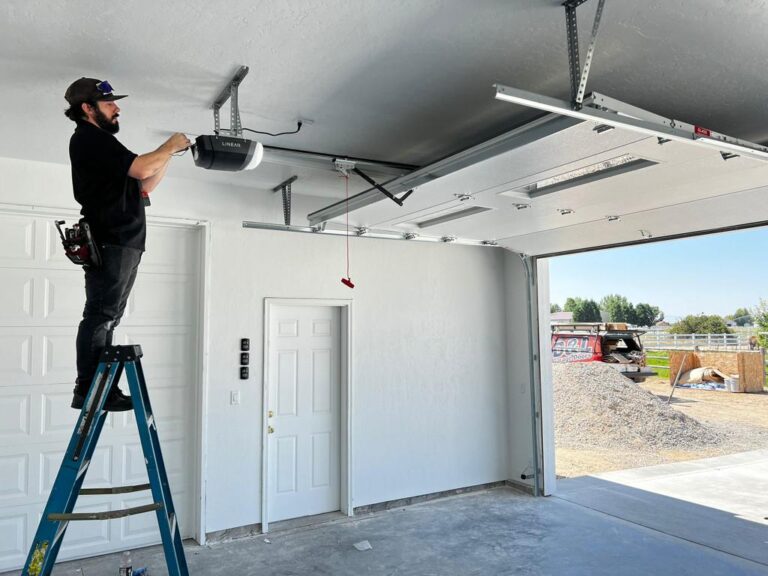
The most dangerous tools in a garage often include table saws, circular saws, angle grinders, nail guns, drills, chainsaws, and pneumatic tools. These tools can cause deep cuts, serious eye injuries, burns, hearing damage, and other harm when used without proper training and safety measures.
Across the United States, home garages serve many purposes. They hold cars, lawn equipment, woodworking benches, repair tools, and supplies for weekend projects. A garage can be a useful place to fix a fence, build shelves, or repair a bicycle. Yet the same space can contain sharp blades, fast-moving parts, high-pressure air, flammable liquids, and powerful electrical equipment.
The greatest danger does not always come from the biggest machine. A small grinder can throw sparks and fragments, while a nail gun can drive a fastener into a hand. Even a common utility knife can cause a deep cut when it slips. The risk depends on the tool, the job, the user’s skill, the condition of the equipment, and the safety measures in place.
This guide explainswhich garage tools deserve the most care, how injuries happen, and what you can do to lower the risk. It draws on established workplace machine-safety principles and applies them to common home projects. It is general safety information, not a substitute for a tool manual, formal training, or professional advice.
Source: wallpapercave.com
Why Some Garage Tools Are More Dangerous Than Others
A dangerous tool is not always a poorly made tool. Many tools are designed to cut, drill, drive, grind, or compress materials with great force. Those functions make work easier, but they can also injure a person in seconds if something goes wrong.
The most useful way to assess a tool is to consider how severe an injury could be, how easily an accident could happen, and whether the user can control the hazard. A guarded saw used by a trained person on a stable workbench presents a different risk from an unguarded saw used to cut a loose board.
For garage owners, the goal is not to avoid every powerful tool. It is to understand each hazard, choose the right tool for the job, and use controls that keep hands, eyes, ears, and other body parts away from danger.
Source: wallpapercave.com
Cutting and crushing hazards
Blades, rotating bits, moving jaws, and drive mechanisms can cut skin, trap fingers, or crush a hand.
Flying debris
Grinding wheels, saws, drills, and hammers can send metal fragments, wood chips, or broken parts toward the face.
Electrical and fire hazards
Damaged cords, overloaded circuits, sparks, fuel vapors, and hot equipment can cause shocks or fires.
Noise and dust
Loud machinery can harm hearing, while wood dust and other airborne particles may irritate the lungs or create longer-term health risks.
What makes a tool especially risky?
Risk rises when a tool has a fast-moving cutting part, can start unexpectedly, or can throw material toward the user. Poor lighting, a crowded floor, an unstable workpiece, and a missing guard add further danger. Limited experience can make these hazards harder to spot.
The material matters, too. Cutting metal can create hot sparks, while grinding concrete or masonry can produce fine dust. A tool that works well on one material may be unsafe or unsuitable for another. Always check the manual for approved uses, accessories, and operating limits.
Check the task first
Match the tool and accessory to the material, cut, and work area.
Check the user
Do not operate unfamiliar machinery until you understand its controls, guards, and safe work method.
1. Table Saws: A Major Risk in Home Woodworking
A table saw is among the most hazardous tools in a home woodworking shop because its exposed cutting area can cause severe hand injuries. The spinning blade can cut deeply, and a board may move suddenly during a cut. Injuries can happen during normal use, setup, cleaning, or an attempt to retrieve a scrap piece.
One major hazard is kickback. This occurs when wood catches on the blade or becomes trapped and is thrown back toward the operator. The force can injure the user or cause a loss of balance. Contact with the blade can also cause serious cuts or amputations.
Source: wallpapercave.com
Keep the blade guard in place
Use the manufacturer’s guard, riving knife, and other supplied safety devices as intended. Do not operate the saw when a required safety part is damaged or missing.
Use push sticks and suitable guides
Keep hands away from the blade when feeding narrow stock. Use the proper fence or guide instead of cutting freehand.
Control kickback
Use suitable, undamaged stock and follow the manual’s instructions for the cut. Do not force wood through the blade.
Wait for the blade to stop
Switch off the saw and wait until all movement has stopped before clearing scraps or making adjustments.
Common table saw mistakes
Removing the guard to make a cut seem easier can expose the user to serious harm. Reaching over a moving blade, standing in the likely path of kickback, and cutting unstable material also increase danger. A hurried cut is not worth a permanent injury.
Before starting, inspect the blade, fence, guard, and workpiece. Make sure the material is supported and the work area is clear. If a cut requires an unusual setup that you do not understand, stop and seek qualified instruction.
Never reach over a running blade
Plan the cut so that your hands stay outside the danger area.
Disconnect before servicing
Unplug the saw before blade changes, cleaning, or repairs, and follow the manufacturer’s procedure.
2. Circular Saws: Portable Power With Serious Cutting Risks
Circular saws are useful for cutting plywood, lumber, and other approved materials. Their portability also means users may operate them on a floor, ladder, driveway, or crowded workbench. If the saw slips or the blade binds, the tool can move suddenly and cause a serious injury.
A damaged blade, an unsupported board, or an incorrect cutting depth can increase the chance of binding or kickback. The lower blade guard is especially important because it should cover the blade when it is not cutting. A guard that sticks or fails to return needs attention before the saw is used again.
Source: wallpapercave.com
Inspect the guard and blade
Check for cracks, damage, loose parts, and a guard that does not move as intended.
Support the material
Secure the workpiece and plan the cut so the blade will not pinch as the material separates.
Hold the saw as instructed
Keep a firm grip and use the handle positions specified in the manual.
Keep the cord clear
Position the cord away from the blade and the cut path.
How to reduce circular saw kickback
Kickback may occur when the blade binds or the saw is forced through material. Keep the saw aligned with the cut, avoid twisting it, and let the motor reach its normal operating speed before cutting when the manual directs. Never pull a running saw backward through a cut unless the manufacturer’s instructions specifically permit the procedure.
If the blade binds, release the trigger and hold the saw still until the blade stops. Disconnect power before investigating the cause. Do not try to free a trapped blade while the tool is running.
Choose the correct blade
Use a blade designed for the material and compatible with the saw’s specifications.
Do not defeat the lower guard
If the guard sticks or is damaged, stop using the saw until it is repaired.
3. Angle Grinders: Sparks, Fragments, and Wheel Failure
An angle grinder can cut metal, remove rust, and smooth rough edges. Its high-speed wheel makes it one of the most hazardous handheld tools in many garages. A damaged or unsuitable wheel can break apart, and sparks or metal fragments can injure the eyes or start a fire.
The wheel must match the grinder, the material, and the task. A cutting wheel is not a substitute for a grinding wheel, and the accessory’s rated speed must be compatible with the tool. A wheel that has been dropped, cracked, or stored poorly should not be used.
Source: wallpapercave.com
Use the correct wheel
Check the wheel type, diameter, mounting requirements, condition, and rated speed against the tool manual.
Keep the guard fitted
Use the correct guard for the task and position it between you and the wheel where the design permits.
Protect your eyes and face
Wear suitable safety glasses and a face shield when required. A face shield does not replace safety glasses.
Control sparks
Move fuel, solvents, sawdust, cardboard, and other combustible materials away from the work area.
Why grinder wheels need careful inspection
A wheel may look usable while still having damage that makes it unsafe. Inspect it as directed by its manufacturer and do not mount an accessory with visible cracks or other damage. Make sure the wheel is installed correctly and that the flanges and mounting parts are suitable.
Hold the grinder with the prescribed grip and keep your body out of the likely path of wheel fragments. Never force the wheel into the work. If it vibrates unusually, makes a new noise, or seems damaged, switch it off and disconnect power before inspection.
Use hearing protection
Grinding can produce hazardous noise, especially in a small garage with hard surfaces.
Control metal dust
Use appropriate ventilation and dust controls for the material, and avoid breathing fine particles.
4. Nail Guns: Fasteners Can Cause Severe Puncture Injuries
Nail guns drive nails at high speed and can cause serious injuries when a fastener enters a hand, foot, or another part of the body. Some injuries occur when the tool is pressed against the wrong surface. Others happen when a nail passes through a board or strikes a hard object and changes direction.
Different nail guns use different trigger systems and safety features. Users should understand the exact model rather than assume that every tool works the same way. A safety contact tip is helpful, but it does not remove the need for careful handling.
Source: wallpapercave.com
Read the trigger instructions
Learn how the trigger and contact safety work before loading or operating the tool.
Keep hands clear
Never place a hand where a nail could emerge, including behind or beside the material.
Disconnect before clearing a jam
Follow the exact manufacturer’s steps for disconnecting the power or air supply and removing a jammed fastener.
Never point it at anyone
Treat the tool as capable of firing whenever it is connected and loaded.
Pneumatic nail guns and compressed air
Pneumatic nail guns use compressed air, which adds another hazard. A damaged hose, loose connection, or incorrect pressure setting may cause problems. Check the hose and fittings before use and keep the operating pressure within the manufacturer’s stated range.
If a nail gun misfires, double-fires, or develops a faulty safety mechanism, stop using it. Do not modify the trigger or bypass the contact safety to make work faster. Have the tool repaired by a qualified service provider when needed.
Use the specified air pressure
Do not raise the pressure beyond the tool’s rated operating range.
Wear suitable eye protection
Protect against nails, wood chips, and other material that may fly during fastening.
5. Power Drills and Impact Drivers: Hidden Risks in Everyday Jobs
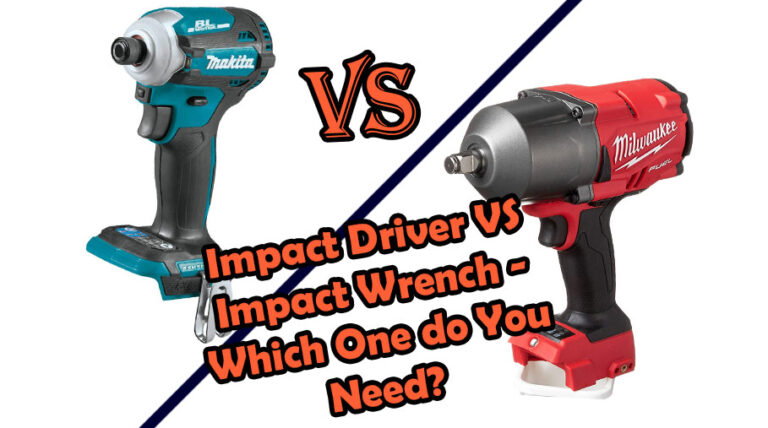
Power drills and impact drivers are common in American garages because they help with furniture assembly, repairs, and construction. They may seem less dangerous than saws, but a bit can catch suddenly and twist the tool. This reaction can strain a wrist, injure a hand, or cause the user to lose control.
Long bits, large hole saws, and heavy-duty fasteners can make sudden twisting forces harder to manage. Loose hair, jewelry, and clothing may also catch on rotating parts. A drill can overheat if it is used beyond its limits or with a bit that is dull or unsuitable.
Source: wallpapercave.com
Secure the workpiece
Use a clamp or suitable fixture rather than holding a small item in one hand while drilling with the other.
Use the correct bit
Choose a bit made for the material and ensure it is properly secured in the chuck.
Use the side handle when supplied
For tools that produce strong reaction forces, fit and hold the manufacturer’s auxiliary handle as directed.
Remove loose items
Tie back long hair and remove jewelry and loose clothing that could catch.
Avoid drill bit binding
A bit may bind when it meets an obstruction, becomes misaligned, or is used on material that is not secured. Use a steady grip and follow the manual’s speed and drilling guidance. Do not force a drill that has stopped turning.
If the bit gets stuck, release the trigger and disconnect the tool before attempting to free it. Check the bit and workpiece for damage before restarting. For large or high-torque drills, use only the handling method and accessories specified by the manufacturer.
Check batteries and cords
Do not use a battery pack, charger, plug, or cord that is damaged, swollen, overheated, or otherwise unsafe.
Avoid overheating
Follow the duty limits in the manual and allow the tool to cool when required.
6. Chainsaws: High-Power Cutting Tools With Serious Hazards
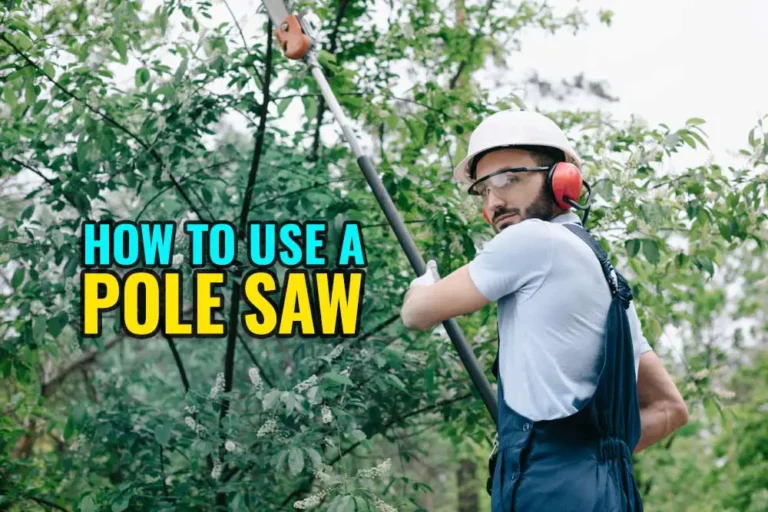
Some homeowners keep a chainsaw in the garage for pruning, cutting fallen limbs, or preparing firewood. Chainsaws can cause deep wounds and severe injuries, and their use requires more training than many routine home repairs. Kickback can occur when the moving chain contacts an object near the guide bar tip or becomes pinched.
A chainsaw is not a good tool for every homeowner or every job. Large trees, overhead branches, storm-damaged limbs, and work near power lines may require a qualified tree professional. The danger rises when a branch is under tension or the tree can move in an unexpected direction.
Source: wallpapercave.com
Get proper training
Learn the operating method, kickback risks, starting procedure, and emergency steps before use.
Inspect safety features
Check the chain brake, chain catcher, controls, chain tension, and other required parts as directed by the manual.
Wear task-specific protection
Use suitable eye, hearing, leg, foot, hand, and head protection based on the saw and job.
Know when to hire a professional
Avoid overhead cutting, unstable trees, and branches near power lines unless you have the appropriate qualifications and equipment.
Safe storage for chainsaws
Before storage, switch off the saw and let hot parts cool in a safe place. Clean and maintain it according to the manual, fit the appropriate bar cover, and store it where children cannot reach it.
For gasoline-powered models, follow the manufacturer’s fuel-storage directions and applicable local fire-safety rules. Keep gasoline in an approved, closed container away from ignition sources, and never refuel a hot saw.
Do not leave a running saw unattended
Switch it off and follow the required procedure before moving between work areas.
Inspect before every job
Do not operate a saw with a damaged chain, faulty brake, or other failed safety feature.
7. Air Compressors and Pneumatic Tools: Pressure Can Be Dangerous
Air compressors power nail guns, impact wrenches, blow guns, and other equipment. Their hazards include high-pressure air, damaged hoses, loose fittings, flying debris, and noise. A pressure vessel can also be dangerous if it is corroded, damaged, or maintained incorrectly.
Never direct compressed air at your skin or another person. Air entering the body through a wound can cause a medical emergency, and compressed air can drive dust or debris into the eyes. Use only the pressure and attachments approved for the task.
Source: wallpapercave.com
Inspect the tank and hose
Look for damage, leaks, worn fittings, rust, or other signs that require service.
Follow drainage instructions
Drain moisture from the tank only as directed by the manufacturer and keep the unit maintained.
Never modify a pressure vessel
Do not weld, drill, or otherwise alter an air tank. Replace unsafe equipment or seek qualified service.
Control airborne debris
Use a suitable vacuum or other approved cleaning method instead of blowing dust into the air.
What to do if a hose or fitting fails
If you notice a leak, unusual vibration, or a damaged hose, stop the tool and disconnect the air supply using the specified procedure. Do not try to grip or repair a pressurized hose while it is operating. Let the system depressurize before making permitted checks.
If a tank shows severe corrosion, bulging, or other signs of structural damage, stop using it. Do not attempt a home repair on a pressure vessel. Ask the manufacturer or a qualified service provider how to handle the equipment safely.
Use approved accessories
Make sure hoses, regulators, fittings, and tools are rated for the system and task.
Protect your hearing
Use suitable hearing protection when compressor noise or pneumatic tools create hazardous sound levels.
8. Bench Grinders and Sanders: Dust, Entanglement, and Flying Debris
Bench grinders and sanders help sharpen tools, smooth wood, and remove rough edges. Their moving surfaces can catch fingers, clothing, or jewelry. A damaged grinding wheel can break apart, while sanding may release fine dust that harms the eyes or lungs.
A bench grinder needs the correct wheel, properly fitted guards, and the manufacturer’s specified work-rest settings. Never use a wheel that is cracked, damaged, or unsuitable for the machine. A sanding belt or disc must also be installed and adjusted according to its instructions.
Source: wallpapercave.com
Keep guards and rests adjusted
Use the manufacturer’s clearances and adjustment procedures. Do not operate the machine with missing or damaged safeguards.
Avoid loose clothing
Tie back hair and remove jewelry that could catch on moving parts.
Control dust at the source
Use suitable extraction and ventilation for wood, metal, or other dust-producing work.
Wear suitable eye protection
Protect against flying fragments, chips, and abrasive particles.
Do not use gloves near every rotating machine
Gloves are useful for some handling tasks, but they can become caught in rotating machinery and pull a hand toward the moving part. Follow the machine manual and task-specific safety guidance rather than assuming gloves always provide protection.
For sanding and grinding, choose protective equipment based on the specific hazard. Keep hands away from moving surfaces, secure the work when appropriate, and stop the machine before making adjustments or removing trapped material.
Check wheel compatibility
Confirm that the wheel type, size, and speed rating match the grinder.
Maintain a clean floor
Remove dust and scraps safely to reduce slips, falls, and fire risks.
9. Utility Knives, Chisels, and Hammers: Do Not Underestimate Hand Tools
Hand tools do not need motors to cause serious injuries. A utility knife can slip while cutting cardboard, insulation, flooring, or packaging. A chisel can slide off a workpiece, while a hammer can send a metal fragment or a nail toward the face.
Many hand-tool injuries happen when someone rushes, uses the wrong tool, or holds the material in an unsafe position. A dull or damaged cutting edge can also require extra force, making a slip more likely.
Source: wallpapercave.com
Cut away from your body
Position the material so the blade will not strike your hand, leg, or body if it slips.
Use a stable work surface
Secure the item where practical instead of holding it in your palm while cutting or striking.
Inspect handles and striking faces
Remove tools with loose handles, cracked heads, damaged blades, or other defects from service.
Choose the right tool
Use a chisel for its intended purpose and a hammer suited to the job rather than improvising with damaged tools.
Safer handling and storage
Retract utility knife blades when they are not in use and store knives in a secure location. Keep chisels and other sharp tools in suitable sheaths or racks so their edges do not face into a walkway or drawer opening.
Use safety glasses when hammering or chiseling materials that may chip or splinter. If a tool head begins to loosen, stop using it rather than trying to finish one more task.
Keep edges in good condition
Maintain cutting tools according to the manufacturer’s instructions and use the correct sharpening method.
Keep children away
Store sharp tools in locked or otherwise inaccessible cabinets when children may enter the garage.
10. Automotive Jacks and Jack Stands: Heavy Loads Can Fall
A vehicle jack lifts a car or truck, but it is not a safe substitute for properly rated jack stands when a person must work beneath a raised vehicle. Hydraulic jacks can leak or fail, and a vehicle can shift if the ground is uneven or the lifting point is wrong.
A falling vehicle can crush a person in seconds. Before lifting a vehicle, consult the owner’s manual for approved lifting points and follow the jack and stand manufacturers’ instructions. If the surface, lifting point, or vehicle condition makes the setup uncertain, stop and seek professional help.
Source: wallpapercave.com
Use a firm, level surface
Do not lift a vehicle on soft soil, unstable paving, or a sloped area that could let the equipment move.
Use rated jack stands
Choose equipment with suitable capacity and place it at approved support points.
Secure the vehicle
Follow the vehicle manufacturer’s parking, transmission, and wheel-chocking instructions.
Never rely on a jack alone
Do not place any part of your body beneath a vehicle supported only by a hydraulic or mechanical jack.
When a vehicle should stay on the ground
Do not proceed if a jack is leaking, a stand is bent, the lifting point is damaged, or the vehicle shifts during setup. Lower the vehicle if you can do so safely and seek help with the setup before trying again.
Some repairs require equipment and training beyond a typical home garage. If you cannot identify the correct support points or safely stabilize the vehicle, a qualified automotive shop is the safer option.
Inspect equipment before use
Check the jack, stands, locking parts, and support surfaces for damage.
Follow capacity limits
Use equipment rated for the load and configuration described in its instructions.
How to Choose the Right Safety Gear for Garage Tools
Safety gear helps reduce exposure to specific hazards, but no single item protects against every injury. Start by controlling the hazard itself: use the right tool, keep guards in place, secure the workpiece, and maintain a clear work area. Then select personal protective equipment suited to the remaining risks.
A basic pair of safety glasses may be suitable for some routine work, while grinding can require a face shield in addition to eye protection. Dust-producing tasks may need extraction and a properly selected respirator. Respiratory protection must match the airborne hazard and be used correctly; a loose-fitting dust mask does not protect against every gas, vapor, or fine particle.
Source: wallpapercave.com
Eye and face protection
Choose safety eyewear designed for the task and add a suitable face shield when the hazard assessment calls for it.
Hearing protection
Use appropriate earplugs or earmuffs when tool noise may damage hearing. Follow the equipment’s guidance.
Respiratory protection
Reduce dust at its source and use suitable respiratory protection when required for the material and exposure.
Foot protection
Wear sturdy footwear suited to the job, especially when handling heavy objects or working around falling materials.
Clothing and gloves
Wear fitted clothing and tie back long hair. Use gloves only when appropriate for the task and not likely to become caught in moving parts.
Why more protective gear is not always safer
The wrong protective item can create a new hazard. Loose gloves may catch on a drill, and a face shield without safety glasses may leave the eyes exposed to debris entering from the side. Hearing protection that does not fit properly may also provide less protection than expected.
Read the instructions for both the tool and the protective equipment. If a task requires a respirator, chemical protection, or other specialized gear, make sure the equipment is appropriate for the actual exposure and that you know how to use it.
Match protection to the hazard
Do not rely on one general-purpose item for every garage task.
Replace damaged equipment
Remove cracked eyewear, worn protective items, and defective gear from use.
A Practical Garage Tool Safety Checklist
A short check before each job can catch problems before a tool starts moving. It should cover the equipment, workpiece, surroundings, and the person doing the work. A routine check is especially useful when tools are shared or have been stored for a long time.
Use this checklist before switching on a saw, grinder, drill, compressor, or other powered tool. If any required safety feature fails, do not start the job until the issue has been corrected.
Source: wallpapercave.com
Inspect the tool
Look for damaged cords, cracked housings, loose parts, dull or damaged accessories, and faulty switches or guards.
Prepare the work area
Clear clutter, provide enough light, control dust, and move combustible materials away from sparks.
Secure the workpiece
Use suitable clamps, supports, fences, or fixtures to prevent unexpected movement.
Wear the correct protection
Select eye, hearing, respiratory, hand, and foot protection based on the specific job.
Review the operating method
Confirm that you understand the controls, safe grip, accessory limits, and emergency shutdown method.
Disconnect before adjustments
Unplug the tool or isolate its power source before changing accessories, clearing jams, or cleaning, following the manufacturer’s procedure.
Store the tool safely
Switch it off, allow hot parts to cool, secure accessories, and keep the equipment away from children.
What if a tool looks or sounds wrong?
Stop using a tool if it vibrates unusually, smells of burning insulation, produces unexpected sparks, loses power, or develops a faulty guard or switch. Disconnect power when safe and inspect the equipment according to its manual. Do not restart it simply to see whether the problem has disappeared.
Replace damaged accessories and arrange qualified repairs when needed. Never improvise a repair that affects a guard, electrical component, pressure vessel, or other safety-critical part. If you cannot confirm that the tool is safe, keep it out of service.
Label unsafe equipment
Keep damaged tools unplugged and clearly separated from equipment ready for use.
Use qualified service
Ask a competent repair provider to inspect faults that you cannot safely resolve using the manufacturer’s instructions.
Garage Storage Mistakes That Increase Injury Risk
Safe tool use starts before a job begins. Poor storage can expose family members to sharp edges, leave batteries near heat, or create trip hazards around heavy equipment. A well-organized garage makes it easier to find the right tool and notice damage before use.
Keep heavy items on stable shelves that can support their weight. Store sharp accessories in suitable cases, and keep chemicals in their original, labeled containers. Follow the storage directions for fuel, solvents, adhesives, and batteries, and keep them away from ignition sources when required.
Source: wallpapercave.com
Secure dangerous tools
Use locked cabinets or other suitable barriers when children or visitors may enter the garage.
Separate chemicals from ignition sources
Follow product labels and local fire-safety guidance for flammable liquids and other hazardous materials.
Store batteries correctly
Use the specified charger and storage conditions. Stop using damaged, swollen, or overheated batteries.
Keep walkways clear
Put away cords, hoses, offcuts, and tools to reduce trips and falls.
Keep guards and accessories together
Store safety parts with the equipment or in a clearly labeled place so they are available when needed.
Keep children and pets out of the work zone
Children may not recognize the hazards of a spinning blade, a loaded nail gun, or a hot tool. Do not leave a powered tool connected or a sharp tool on a bench where a child could reach it. Keep pets out of the work area while tools are running.
After a project, disconnect tools, put away loose fasteners, clean the floor safely, and return chemicals to secure storage. Check that no hot material or battery has been left in an unsafe place.
Lock away high-risk equipment
Secure saws, grinders, nail guns, sharp tools, and hazardous supplies when they are not in use.
Leave the area ready for next time
Store equipment in a stable position and remove debris without exposing yourself to moving machinery.
Frequently Asked Questions
Q
What is the most dangerous tool in a home garage?
There is no single tool that is always the most dangerous. Table saws, circular saws, angle grinders, chainsaws, and nail guns can all cause severe injuries. The actual risk depends on the task, the tool’s condition, the user’s training, and whether the correct safety measures are in place.
Q
What garage tools should beginners learn to use first?
Beginners should start with simple tools that fit the task and learn safe handling before moving to powered equipment. Read each manual, inspect the tool, practice under suitable supervision when needed, and learn how to stop and disconnect the tool. Do not begin with a table saw, grinder, chainsaw, or nail gun without understanding its specific hazards.
Q
What safety equipment should every home garage have?
Useful basics include suitable safety glasses, hearing protection, task-appropriate footwear, a well-stocked first-aid kit, and safe storage for tools and chemicals. Depending on the work, you may also need a face shield, dust extraction, a properly selected respirator, fire-safety equipment, or specialized protective gear. Choose equipment based on the actual hazards rather than assuming one kit covers every task.
Q
Is it safe to wear gloves while using power tools?
It depends on the tool and task. Gloves can help during some material-handling jobs, but they can catch in rotating equipment such as drills and pull a hand toward moving parts. Follow the manufacturer’s instructions and relevant safety guidance, and never assume gloves make it safe to reach near a moving blade or spindle.
Q
How often should garage tools be inspected?
Inspect a tool before use and perform maintenance at the intervals specified by its manufacturer. Check safety guards, blades, wheels, cords, plugs, hoses, fittings, and other parts relevant to the tool. Remove damaged equipment from service immediately instead of waiting for the next scheduled maintenance check.
Q
What should I do after a serious tool injury?
Stop the tool and make the area safe without putting yourself or another person at further risk. Call 911 in the United States for a life-threatening injury, severe bleeding, an amputation, a major eye injury, or another medical emergency. Apply firm direct pressure to severe bleeding when appropriate, follow emergency dispatcher instructions, and do not delay care to finish the project or repair the tool.
Q
Can a small garage be made safer for power tools?
Yes, but limited space requires careful planning. Keep enough room to handle the material without twisting or reaching across a blade, maintain clear walkways, provide suitable lighting and ventilation, and keep combustible items away from sparks. If the job cannot be performed safely within the available space, move to a suitable work area or use a qualified professional.
✦ Wrapping Up
Conclusion
The most dangerous tools in a garage are often the ones that combine high speed, sharp edges, strong force, or heavy loads. Table saws, circular saws, angle grinders, nail guns, chainsaws, compressors, and vehicle jacks all deserve careful handling. Common hand tools can also cause serious injuries when used incorrectly or stored poorly.
A safer garage does not depend on skill alone. It depends on sound equipment, working guards, a clear workspace, suitable protective gear, and a willingness to stop when something feels wrong. Read the manual, secure the workpiece, disconnect power before maintenance, and seek qualified help when a job exceeds your training.
💡 Key Takeaway
Before your next garage project, inspect your tools, check every required guard, prepare the work area, and choose protection that matches the task. If a tool is damaged or you are unsure how to operate it safely, do not use it until the problem has been resolved.
Sarah believes that a messy garage is a wasted room. After years of working in professional home staging and interior design, she shifted her focus to the most neglected part of the house: the garage. She focuses on vertical storage, aesthetic floor coatings, and converting dusty corners into functional workspaces. Sarah’s goal is to help you "unlock" every square inch of your garage.
Sarah believes that a messy garage is a wasted room. After years of working in professional home staging and interior design, she shifted her focus to the most neglected part of the house: the garage. She focuses on vertical storage, aesthetic floor coatings, and converting dusty corners into functional workspaces. Sarah’s goal is to help you "unlock" every square inch of your garage.