The best way to winter-proof a garage is to seal gaps around the door, improve suitable insulation, control moisture, check the roof and drainage, and protect pipes, tools, and stored items from freezing temperatures.
In the United States, winter can bring freezing rain, snow, ice, and sharp temperature drops. A garage in Minnesota may face weeks of subfreezing weather, while one in Texas may need protection from only a few cold snaps. Your local climate, garage design, and intended use should guide your winter preparation.
A garage does not always need to stay warm. However, drafts, damp floors, frozen pipes, and poor door seals can damage stored items and make the space uncomfortable. A few well-planned repairs can help reduce these problems without the cost of turning an unheated garage into a heated living area.
Start with the garage door and the gaps around its frame. Then inspect the roof, walls, floor, plumbing, and stored items. Fix water entry and safety problems before spending money on insulation or a heater. This order helps you focus on the causes of cold and moisture rather than treating their symptoms.
Source: mygaragesolutions.com
1. Inspect Your Garage Before Cold Weather Arrives
A careful inspection helps you find the weak points that let cold air and water enter. Choose a dry day and check the garage from the outside first. Look for damaged siding, loose roof edges, cracked sealant, blocked gutters, and gaps around windows and doors.
Next, inspect the inside. Look for damp spots, peeling paint, water stains, musty odors, and visible daylight around the garage door. Check corners and the floor edges for signs that rain or melting snow enters the space.
Make a short repair list and handle the problems in order of risk. Active water leaks, damaged electrical equipment, unsafe structural parts, and vulnerable water pipes deserve attention before cosmetic changes or extra storage.
Source: greeleygaragedoorrepair.com
Check the roof and ceiling
Look for missing shingles, damaged flashing, water stains, and sagging areas. Have a qualified roofer inspect damage that is difficult or unsafe to reach.
Inspect walls and windows
Check for cracks, loose trim, failed caulk, and broken window seals. Repair the source of moisture before covering the area with insulation.
Test the garage door
Watch the door open and close. Look for uneven movement, damaged rollers, loose hardware, or worn seals, but do not adjust high-tension springs yourself.
Check the floor and drainage
Look for standing water, cracks that admit water, and areas where outdoor runoff collects near the garage. Note whether water appears during rain, snowmelt, or both.
Create a Simple Winter Preparation Checklist
Walk through the garage with a flashlight and take photos of any damage. Label each issue as urgent, important, or optional. This makes it easier to plan repairs and compare the condition of the garage after winter.
Urgent
Address active roof leaks, exposed electrical wiring, damaged door safety systems, and plumbing at risk of freezing.
Important
Repair failed weather seals, blocked drainage, and gaps that allow wind-driven rain or snow into the garage.
Optional
Consider extra storage, floor coatings, or additional insulation after moisture and safety issues are resolved.
2. Replace Worn Garage Door Weatherstripping
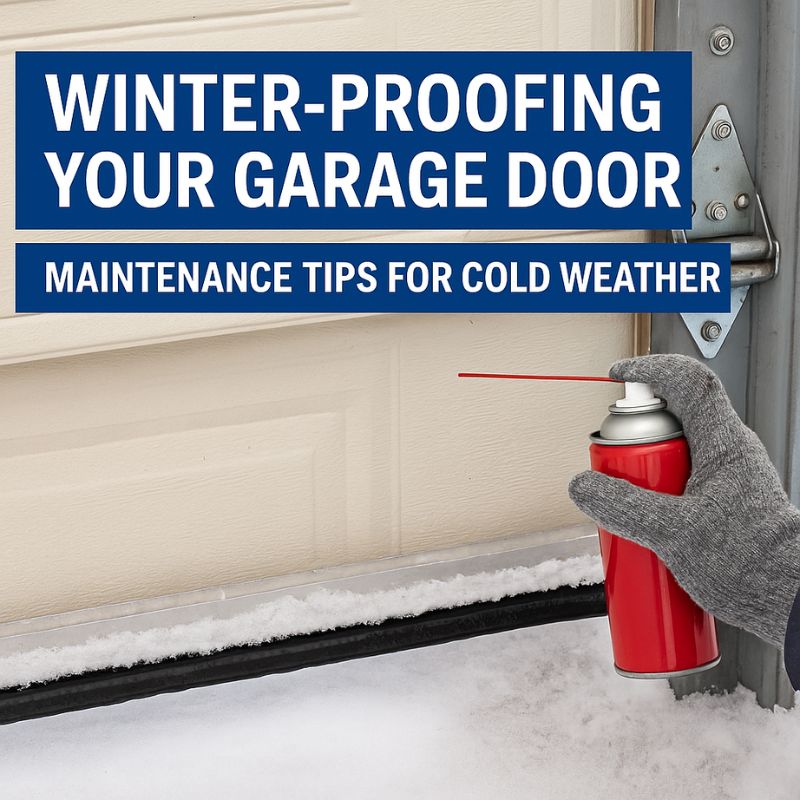
The garage door is often one of the largest openings in the building. Worn seals can let cold air, wind-driven rain, dust, and snow enter. Replacing damaged weatherstripping is often a practical first step because it targets the gaps directly.
Inspect the bottom seal, the side and top seals, and the joints between door panels. Close the door and look for uneven gaps. On a bright day, check for visible daylight around the edges, but remember that some door designs have small features that are not intended to form an airtight seal.
Use weatherstripping designed for your door and the size of the gap. A bottom seal must fit the door’s retainer, while perimeter seals must work with the frame and door movement. An incorrect profile can prevent the door from closing properly.
Source: sparkgaragedoors.com
Replace the bottom seal
Choose a compatible rubber or vinyl seal that touches the floor evenly when the door closes. Clean the retainer and follow the door manufacturer’s installation instructions.
Seal the side and top edges
Fit suitable garage door stop molding or weatherstripping along the frame. The seal should close the gap without rubbing excessively against the moving door.
Check the threshold when needed
A compatible threshold seal may help where the floor is uneven or wind-driven water enters beneath the door. Check that it does not interfere with drainage or the door’s operation.
Inspect the seal twice each winter
Cold weather can make some materials stiff or brittle. Recheck the seal after a severe cold spell and replace sections that have cracked, detached, or stopped touching the floor.
How to Tell Whether a Garage Door Seal Needs Replacing
Look for cracks, flattened sections, loose corners, and gaps that remain when the door is closed. If leaves, dust, or snow regularly collect just inside the door, the seal or surrounding surface may need attention.
Do not confuse a worn seal with a door alignment problem. If the door sits crooked, binds, reverses unexpectedly, or leaves a large uneven gap, stop using it if its safe operation is in doubt and contact a garage door technician.
Small, even gap
A compatible replacement seal may solve the problem if the door is otherwise aligned and operating correctly.
Large or uneven gap
The door, frame, floor, or tracks may need professional assessment rather than a thicker seal alone.
3. Insulate the Garage Door, Walls, and Ceiling Where Appropriate
Insulation slows heat transfer, but it does not stop air leaks by itself. For useful results, seal the main gaps first and then choose insulation suited to the garage’s construction. The amount of work needed depends on whether the garage is attached, detached, heated, or used mainly for parking and storage.
An attached garage can affect the comfort of rooms beside or above it. Insulating and air-sealing the shared wall or ceiling may be more important than insulating every exterior surface. In a detached garage used for storage, weather sealing and moisture control may be enough for your needs.
Before adding insulation, check for roof leaks, damp framing, and signs of pests. Insulating over wet materials can hide damage and may contribute to mold or decay. If you plan to heat the garage regularly, consider a building professional who understands local energy codes, fire safety, and moisture control.
Source: northsidegaragedoors.com
Insulate the garage door
Use a door insulation kit or a compatible insulated replacement door. Confirm that added weight will not interfere with the door’s balance, springs, opener, or safety systems.
Insulate exterior walls
Select insulation that fits the wall assembly and local climate. Air sealing, vapor control, and interior finishes should be planned together rather than chosen as unrelated upgrades.
Check the ceiling or roof
If a bedroom or other occupied room sits above the garage, the shared floor and ceiling assembly may need insulation and air sealing. Follow applicable fire and building requirements.
Seal small fixed gaps
Use an appropriate sealant or low-expansion foam around suitable stationary openings. Keep foam and other combustible materials away from ignition sources and areas where fire-rated protection is required.
Choose Insulation Based on How You Use the Garage
The best insulation plan depends on the goal. A workshop used every day needs a different approach from an unheated garage that stores garden tools and seasonal decorations. A heated garage also needs a plan for air leakage, moisture, safe heating, and any shared walls with the home.
Parking and basic storage
Start with door seals, roof repairs, drainage, and protection for items that cannot tolerate freezing.
Workshop or hobby space
Consider door and wall insulation, air sealing, suitable ventilation, and a heating system designed for the space.
Garage attached to a home
Pay special attention to the shared wall, ceiling, doors into the house, and openings for pipes and wiring. Maintain required fire separation and air barriers.
Avoid Adding Insulation Without Checking Moisture
A warmer interior surface does not solve every condensation problem. Moist indoor air can reach cold surfaces and form water droplets, especially around metal doors, uninsulated framing, and cold concrete. Repair leaks, limit unnecessary moisture, and choose an insulation system that suits the local climate and wall design.
Dry wet materials first
Do not cover damp wood, wet drywall, or water-stained insulation until the source has been corrected and the affected materials have been assessed.
Check local code
Vapor retarders, fire protection, and insulation requirements vary by assembly and climate. Follow local rules or consult a qualified building professional.
4. Prevent Water, Snow, and Ice From Entering the Garage
Water control is a key part of winter garage maintenance. Snow can melt on a vehicle, collect near the door, and refreeze when temperatures fall. Repeated wetting can leave puddles, encourage corrosion, and make the floor slippery.
Start outside. Clear gutters and downspouts, direct roof runoff away from the foundation, and keep drains free of leaves and debris. Check the ground around the garage to see whether it slopes toward the building or allows water to pool beside the walls.
Inside, remove snow and standing water when practical. Use a suitable floor squeegee and allow wet areas to dry. If water repeatedly enters beneath the garage door, investigate the seal, threshold, grading, and drainage instead of relying on repeated cleanup.
Source: easygaragedoorrepair.com
Keep gutters clear
Remove leaves and other debris before winter where it is safe to do so. Blocked gutters can overflow near the garage walls or contribute to ice buildup.
Extend downspouts
Direct roof water away from the foundation in a way that complies with local drainage rules and does not send water onto a neighboring property.
Clear the entrance
Remove snow from the door’s travel path and keep the bottom seal free of packed ice. Never force a frozen door to move.
Use floor coatings carefully
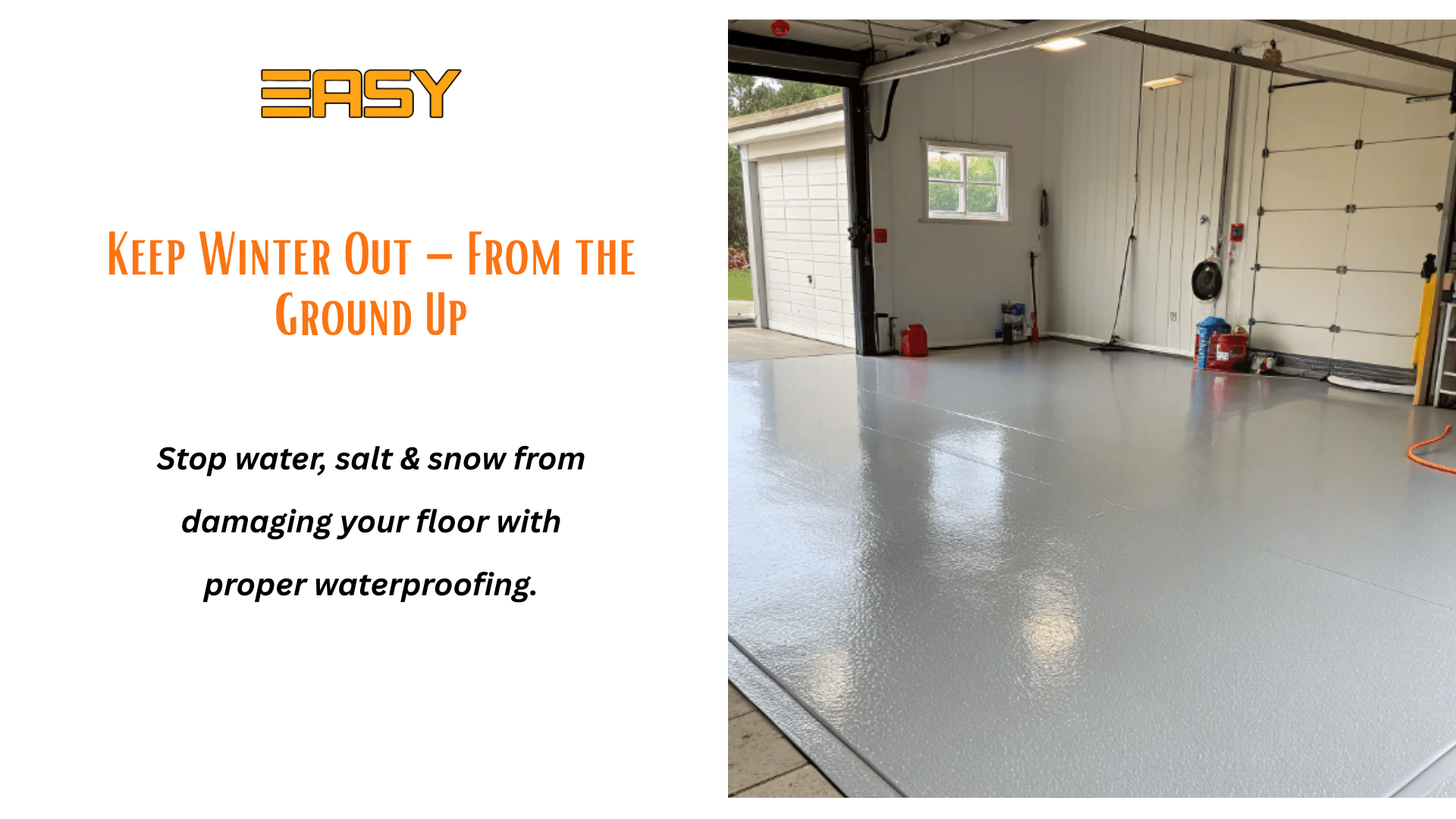
A compatible coating may make cleanup easier, but it will not correct water entering from the foundation or a high groundwater level. Prepare concrete and repair moisture problems before coating.
What to Do if Water Keeps Coming Through the Garage Door
First, note when the water appears. Water during heavy rain may point to roof runoff, poor grading, or a failed seal. Water during thawing may come from melting snow or ice near the entrance. Water that rises through the slab or appears without rain may require a more detailed foundation or plumbing inspection.
Check the simple causes first, but do not assume that a new threshold will solve a drainage problem. If water repeatedly enters despite clear gutters and sound seals, ask a qualified drainage or foundation professional to assess the site.
Water follows the door edge
Inspect the bottom seal, side seals, threshold, and floor level.
Water collects beside the wall
Check downspouts, grading, and nearby drains.
Water appears through cracks or from below
Investigate possible slab, groundwater, or plumbing problems before applying a surface coating.
5. Protect Pipes and Plumbing From Freezing
Water in an exposed pipe can freeze during a cold spell. As the water freezes, pressure can build and damage the pipe. A leak may not become obvious until the ice melts, so plumbing in an unheated garage deserves special attention.
Inspect water lines near exterior walls, garage doors, windows, and other cold areas. Check hose connections, utility sinks, washing machine supplies, and any plumbing that runs through an unheated section. A pipe that has frozen before deserves closer attention before the next freeze.
Use suitable pipe insulation where appropriate, but do not assume foam sleeves will protect every pipe in every temperature. They slow heat loss; they do not create heat. If a pipe is exposed to severe cold, the building may need better air sealing, approved heat tracing, or a different plumbing arrangement.
Source: easygaragedoorrepair.com
Insulate exposed pipes
Choose pipe insulation that fits the pipe and its surroundings. Follow product instructions and local plumbing rules, especially near hot pipes or electrical equipment.
Seal nearby drafts
Repair suitable gaps around the building envelope where cold air reaches plumbing. Keep required ventilation openings clear and do not seal combustion-air openings.
Disconnect outdoor hoses
Remove garden hoses before freezing weather and protect outdoor faucets according to the faucet type and local climate.
Know the shutoff location
Make sure you can reach the water shutoff quickly if a pipe leaks. If a pipe freezes, avoid open flames and call a plumber if you cannot thaw it safely.
What If the Garage Has No Heating?
If the garage is unheated, protect pipes as if the space could approach outdoor temperatures during a long cold spell. Insulation alone may not be enough, especially for pipes near a metal door or exterior wall. A plumber can help determine whether insulation, approved heat tracing, relocation, or seasonal draining is appropriate.
Do not use a torch
Never use an open flame to thaw a frozen pipe. It can start a fire or damage the pipe and nearby materials.
Watch for hidden leaks
If a pipe may have frozen, inspect it carefully as it thaws and know where to shut off the water if a leak develops.
6. Control Condensation and Keep the Garage Dry
Condensation forms when moist air meets a surface cold enough for water vapor to turn into liquid. In winter, this can happen on metal garage doors, cold pipes, windows, tools, and concrete. A garage may have condensation even when no rain or snow enters from outside.
Wet vehicles are a common source of moisture. Snow and ice melt from tires, wheel wells, and the underside of a car. If practical, remove heavy snow buildup before parking, clear standing water, and allow the garage to dry with safe, appropriate ventilation.
A musty smell, repeated water droplets, rust on tools, or damp cardboard can signal excess moisture. Check for plumbing leaks and water entry first. A dehumidifier may help in some conditions, but its performance and drainage needs depend on temperature and the model.
Source: storage.googleapis.com
Store items off the floor
Use stable shelving or raised storage for cardboard boxes, paper products, and other items that can absorb water from concrete.
Keep air moving when suitable
Use safe ventilation when conditions allow. Do not block required vents or create a path for vehicle exhaust to enter the home.
Choose storage containers wisely
Durable plastic bins with suitable lids can protect many belongings from splashes and damp air, but moisture trapped inside a container can still cause damage.
Inspect metal tools
Dry tools before storage and apply a suitable protective product where recommended. Check them periodically for rust or signs of dampness.
Should You Use a Dehumidifier in a Winter Garage?
A dehumidifier may be useful when the garage stays damp, but choose a unit rated for the actual operating temperature. Some compressor models remove much less water in cold spaces or may stop operating when their coils frost. Follow the manufacturer’s temperature limits and drainage instructions.
If the garage is very cold, fixing leaks, removing wet materials, and improving suitable ventilation may be more useful than running a standard household dehumidifier. Persistent condensation can also indicate inadequate insulation or air leakage.
Check the rated temperature
Confirm the unit can operate in the coldest conditions expected in the garage.
Plan drainage safely
Prevent a drain hose or collected water from freezing, spilling, or creating a slipping hazard.
7. Prepare the Garage Door Opener and Moving Parts
Cold weather can affect the movement of a garage door and the performance of some lubricants. Dirt, stiff seals, ice, and worn parts may make the door noisy or slow. A basic inspection before winter can help identify problems before the door becomes difficult to use.
Clean dirt and debris from the tracks without bending or adjusting them. Apply only the lubricant recommended by the door manufacturer to the specified moving parts. Avoid coating tracks with grease unless the manufacturer specifically instructs you to do so.
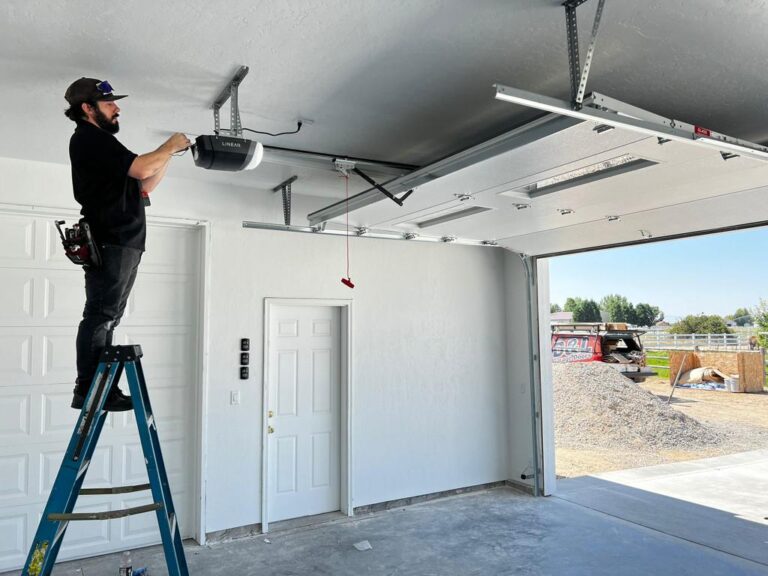
Test the door’s safety features according to its manual. Keep the photoelectric sensors clean and properly aligned, and make sure the door reverses as intended. If the opener strains, the door moves unevenly, or a spring looks damaged, stop and arrange professional service.
Source: thirdgengaragedoors.com
Clean the tracks
Remove loose dirt and debris. Do not loosen track brackets or attempt to change the door’s alignment without the proper training.
Use the correct lubricant
Follow the manufacturer’s guidance for rollers, hinges, and other approved points. Use a product compatible with the door hardware.
Test the safety sensors
Make sure the sensor lenses are clean and the system responds according to the opener’s instructions. Do not bypass or disable safety devices.
Check the remote and backup access
Replace weak remote batteries when needed and learn the manufacturer’s approved manual-release procedure in case of a power outage.
Why Does a Garage Door Stick in Freezing Weather?
Ice beneath the bottom seal, stiff weatherstripping, or a change in door balance may cause sticking. Check for ice around the threshold and remove it with a method safe for the door and floor. Never force the opener to pull a frozen door free.
If the door remains stuck, moves unevenly, or makes unusual grinding sounds, leave the mechanism alone and contact a qualified technician. Garage door springs and cables can hold dangerous tension.
Door frozen to the floor
Clear ice carefully without damaging the seal, finish, or concrete. Check the threshold after thawing.
Door stops or reverses
Check for visible obstructions and sensor problems. Do not change force settings to overcome a mechanical fault.
8. Store Tools, Chemicals, Batteries, and Seasonal Items Safely
A winter-ready garage protects more than the building. Freezing temperatures can affect paints, adhesives, cleaning products, batteries, and other stored goods. Check the label or manufacturer’s instructions for each item rather than assuming everything is safe in an unheated space.
Move temperature-sensitive supplies to a suitable indoor storage area when the label requires it. Keep chemicals in their original containers, secure them away from children and pets, and follow any temperature and ventilation requirements. Do not store incompatible chemicals together or transfer them to unmarked bottles.
Lithium-ion batteries and battery-powered equipment also need care. Follow the device maker’s guidance for storage and charging temperatures. Do not charge a cold battery unless the manufacturer permits it, and never use a damaged, swollen, leaking, or unusually hot battery.
Source: scfcachevalley.com
Check paint and adhesive labels
Many products have minimum storage temperatures. Move items that could freeze or separate to an appropriate location before temperatures drop.
Protect garden and automotive supplies
Review the storage limits for fertilizers, cleaners, car-care products, and other liquids. Keep containers sealed and away from heat sources.
Store batteries correctly
Follow the specified temperature, charge level, and storage instructions. Keep batteries away from metal objects that could bridge their terminals.
Raise valuable belongings
Keep tools, paper goods, fabrics, and electronics on shelves or in suitable containers if the floor can become wet.
Protect Items That Cannot Tolerate Freezing
Make a list of products that could be damaged by a freeze, then check their labels one by one. Some liquids can separate or become unusable after freezing, while other products tolerate cold storage. The correct answer depends on the exact product and its formulation.
Move sensitive items indoors
Use a dry, temperature-controlled location that meets the item’s storage requirements.
Avoid improvised heating
Do not use an open flame or unapproved heater to keep chemicals or stored goods warm.
9. Use Garage Heating Equipment With Care
If you need a warmer garage, choose a heating system designed for the space and its intended use. The right setup depends on the garage’s size, insulation, electrical capacity, fuel source, ventilation, and local building and fire codes. A heater that works in a living room may not be safe in a garage.
Never use a gas oven, charcoal grill, camp stove, or outdoor patio heater to heat an enclosed garage. Fuel-burning equipment can produce carbon monoxide, an odorless gas that can be fatal. Do not run a vehicle or gas-powered tool in a closed garage, even with the door partly open.
Follow the heater’s clearance requirements and keep it away from fuel, solvents, cardboard, sawdust, and other combustible materials. Use electrical equipment only within its rating and connect it as directed. Have a qualified electrician assess the circuit if you are unsure whether it can support the load.
Source: mygaragesolutions.com
Choose an approved heater
Select equipment rated for the intended location and follow its installation, clearance, ventilation, and operating instructions.
Keep combustible items away
Maintain the required clearance around the heater, including above it and around air inlets and outlets.
Protect against carbon monoxide
Never operate fuel-burning equipment in a way that exposes people to exhaust. Install and maintain carbon monoxide alarms in locations required by applicable guidance and codes.
Do not leave unsafe equipment running
Follow the heater’s instructions for unattended operation. Never bypass built-in safety controls or use damaged cords, plugs, or heaters.
Does a Garage Need to Be Heated All Winter?
No. Many garages can remain unheated if the structure is sound, moisture is controlled, and stored items can tolerate the temperature. Heating is more useful when people work there often or when certain equipment or plumbing requires protection.
If the garage shares walls or a ceiling with the home, improve the appropriate air barriers and insulation before relying on extra heat. Air leakage between a garage and living space can carry vehicle exhaust and other pollutants indoors, so sealing the building correctly matters as much as comfort.
Unheated storage garage
Focus on weather seals, drainage, dry storage, and protecting items from freezing.
Regular workshop
Assess insulation, ventilation, heating capacity, electrical safety, and fire protection as one system.
10. Adjust Your Winter Plan for Your Garage Type
Not every garage needs the same upgrades. A detached garage has different heat-loss and plumbing risks from an attached garage. A portable garage has a different structure from a permanent building, and a garage used as a workshop needs more attention to ventilation and safe heating.
Use the table below to match your first steps to the way you use the space. These are general priorities, not a substitute for a building inspection or local code requirements.
Source: portablegaragehub.com
Attached garage
Check the shared wall, ceiling, house-entry door, and penetrations for suitable air sealing and required fire separation.
Detached garage
Focus on roof and wall leaks, the door seal, drainage, vulnerable pipes, and protection of stored items.
Portable garage
Check the frame, anchors, fabric or panel condition, roof shape, and the manufacturer’s snow and wind limits.
Workshop garage
Plan heating, ventilation, insulation, electrical loads, dust control, and safe storage of flammable products together.
Quick Comparison of Winter-Proofing Priorities
Use this comparison to decide where to begin. The table ranks practical attention areas by garage type rather than claiming a measured cost saving or a guaranteed reduction in heat loss.
Attached garage
First priority: the shared wall or ceiling, house-entry door, air leakage, and any plumbing in cold areas.
Detached garage
First priority: water entry, roof condition, door seals, exposed plumbing, and moisture-sensitive belongings.
Portable garage
First priority: secure anchoring, sound framing, weather-resistant covers, and safe snow-load management.
Heated workshop
First priority: appropriate insulation, safe heating, ventilation, electrical capacity, and fire protection.
11. Follow a Practical Winter Garage Maintenance Schedule
Winter-proofing is not a one-time task. Weather seals wear out, snow can block drainage, and sudden temperature changes can reveal problems that were not obvious in autumn. A simple schedule helps you catch small issues before they become expensive repairs.
Before winter, finish the main inspection, repair leaks, check the door seals, and protect vulnerable pipes and stored goods. During winter, clear snow and ice safely, remove standing water, and watch for unusual door movement or signs of freezing.
After a major storm or deep freeze, check the roof and exterior from a safe location. Look for new water stains, damaged seals, and signs that pipes or equipment may have been affected. Do not climb onto an icy roof or attempt hazardous repairs just to complete a checklist.
Source: scfcachevalley.com
Early fall
Inspect the roof, gutters, siding, door, drainage, and plumbing. Complete repairs before freezing weather makes the work harder.
Before the first freeze
Disconnect outdoor hoses, check pipe protection, move sensitive supplies, and test garage door safety features.
After snow or freezing rain
Clear the entrance, check for standing water, and remove ice only with methods safe for the door and floor.
During a cold spell
Watch vulnerable plumbing, damp surfaces, and door operation. Follow local guidance during severe cold or power outages.
Early spring
Look for winter damage, corrosion, water stains, worn seals, and drainage problems that need repair before the next season.
How to Know Your Winter-Proofing Work Is Helping
The most useful signs are fewer drafts, less wind-driven water, a door that closes properly, drier floors, and no new signs of moisture damage. If the garage is heated, note whether the space stays comfortable under similar outdoor conditions without assuming that one warm day proves the insulation is effective.
If a problem continues, identify the source rather than adding more materials at random. Persistent dampness may need drainage or moisture repairs, while a cold shared wall may need air sealing and insulation designed for that assembly.
Drafts remain
Recheck the door perimeter, windows, and stationary gaps. Verify that the seals fit without interfering with door operation.
Water returns
Check roof runoff, grading, drainage, and the threshold. Get professional help if the source is unclear.
Pipes still freeze
Have a plumber review the exposure and determine whether insulation, approved heat tracing, relocation, or another solution is needed.
The garage stays damp
Check for leaks, wet vehicles, cold surfaces, and poor moisture management before buying a dehumidifier.
Frequently Asked Questions
Q
What is the cheapest way to winter-proof a garage?
Start by inspecting and replacing worn weatherstripping, clearing gutters, improving water drainage, and moving sensitive items away from cold or damp areas. These tasks may cost less than a full insulation project, although the total cost depends on the condition of the garage and the materials needed.
Repair active leaks and address safety problems first. Add insulation only after checking the structure and deciding how the garage will be used.
Q
Should I insulate my garage if I do not heat it?
Not always. An unheated garage used for basic parking and storage may need sound weather seals, moisture control, and protection for vulnerable belongings more than full insulation.
Insulation can still matter in an attached garage if it forms part of the boundary between the garage and occupied rooms. Follow local energy and fire requirements when improving that assembly.
Q
How do I keep my garage above freezing without a heater?
You cannot reliably guarantee above-freezing temperatures in an unheated garage during prolonged cold weather. Sealing drafts and adding suitable insulation can slow heat loss, but the garage may still reach outdoor temperatures over time.
Protect pipes and sensitive items based on the coldest conditions expected. If maintaining a specific temperature is essential, seek advice on a suitable, approved heating or plumbing-protection system.
Q
Can I use regular foam insulation on my garage door?
Use only insulation that is compatible with the door’s construction and approved or recommended for that application. Added weight, thickness, or material can affect door balance, hardware, and opener operation.
Check the manufacturer’s instructions before installing a kit. If the door becomes unbalanced or moves abnormally, stop using it and contact a qualified technician.
Q
How can I stop condensation in my garage during winter?
First, find and fix leaks, remove standing water, and reduce moisture from wet vehicles where practical. Improve suitable ventilation and address cold surfaces or air leaks when the building design allows.
A dehumidifier may help if it is rated for the garage’s temperature. If condensation keeps returning or mold appears, investigate the underlying moisture source and seek professional advice when needed.
Q
Is it safe to run a space heater in a garage?
Only use a heater approved for the intended location and follow its clearance, ventilation, installation, and operating instructions. Keep it away from fuel, solvents, sawdust, cardboard, and other combustible materials.
Never use a charcoal grill, camp stove, gas oven, or outdoor heater to warm an enclosed garage. Do not run a vehicle in a closed garage, because exhaust can introduce dangerous carbon monoxide.
Q
When should I call a professional to winter-proof my garage?
Call a qualified garage door technician for damaged springs, cables, serious alignment issues, or an unsafe opener. Ask a plumber to assess recurring frozen pipes and a qualified building or drainage professional to investigate persistent leaks, structural damage, or water entering through the slab.
A qualified electrician should assess uncertain electrical capacity or damaged wiring. Professional help is also appropriate when insulation work could affect fire separation, ventilation, or moisture control.
✦ Wrapping Up
Conclusion
The most useful tips for winter-proofing a garage begin with the basics: repair water entry, replace worn door seals, protect exposed pipes, control moisture, and store sensitive items according to their temperature requirements. Insulation can improve comfort and slow heat loss when it suits the building and its intended use.
You do not need to complete every possible upgrade at once. Start with the issues that could cause water damage, frozen plumbing, unsafe door operation, or exposure to exhaust and fire hazards. Then decide whether additional insulation or approved heating makes sense for your climate and budget.
Check your garage again during winter, especially after a major storm or a prolonged freeze. Regular inspections help reveal whether the repairs are working and where further attention is needed.
💡 Key Takeaway
Before the next freeze, inspect the garage door seals, roof drainage, floor, and exposed plumbing. Fix active leaks, remove drafts safely, protect temperature-sensitive items, and use only approved heating equipment.
Sarah believes that a messy garage is a wasted room. After years of working in professional home staging and interior design, she shifted her focus to the most neglected part of the house: the garage. She focuses on vertical storage, aesthetic floor coatings, and converting dusty corners into functional workspaces. Sarah’s goal is to help you "unlock" every square inch of your garage.
Sarah believes that a messy garage is a wasted room. After years of working in professional home staging and interior design, she shifted her focus to the most neglected part of the house: the garage. She focuses on vertical storage, aesthetic floor coatings, and converting dusty corners into functional workspaces. Sarah’s goal is to help you "unlock" every square inch of your garage.