The best bike storage options depend on your available space, bike weight, budget, and security needs. Wall racks work well in small garages, floor stands suit easy daily access, ceiling hoists free up floor space, and locked outdoor sheds protect bikes when indoor storage is not possible.
Across the United States, bicycles often compete for space with cars, lawn mowers, tools, sports gear, and holiday decorations. In a small apartment, even one bicycle can block a hallway or crowd a closet. In a suburban garage, several bikes may take up room needed for a car. The right storage setup keeps your bike easy to reach without making your home harder to use.
Before choosing a rack or storage system, consider where you ride, how often you use your bike, and whether you need to protect it from theft, rain, heat, or dust. A lightweight commuter bike has different storage needs from a heavy electric bike or a family mountain bike. Your available wall space, ceiling height, rental rules, and ability to lift the bicycle also affect which option makes sense.
This guide compares common indoor and outdoor bicycle storage methods, explains their advantages and limits, and provides practical steps for choosing and installing a suitable system. It also covers electric bikes, carbon frames, rental homes, and security concerns so you can make a sound decision without buying equipment you do not need.
Source: storeyourboard.com
1. Wall-Mounted Bike Racks
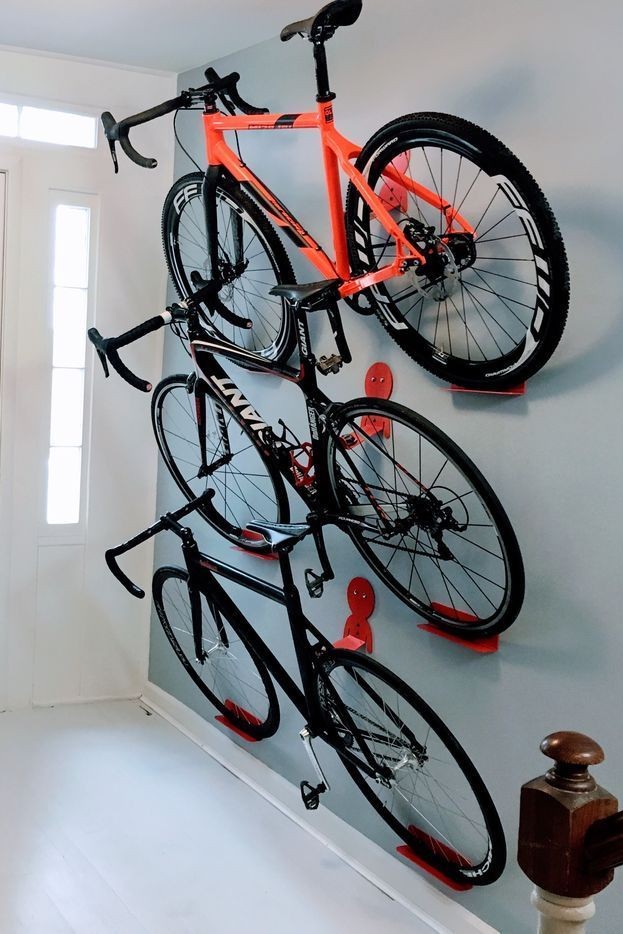
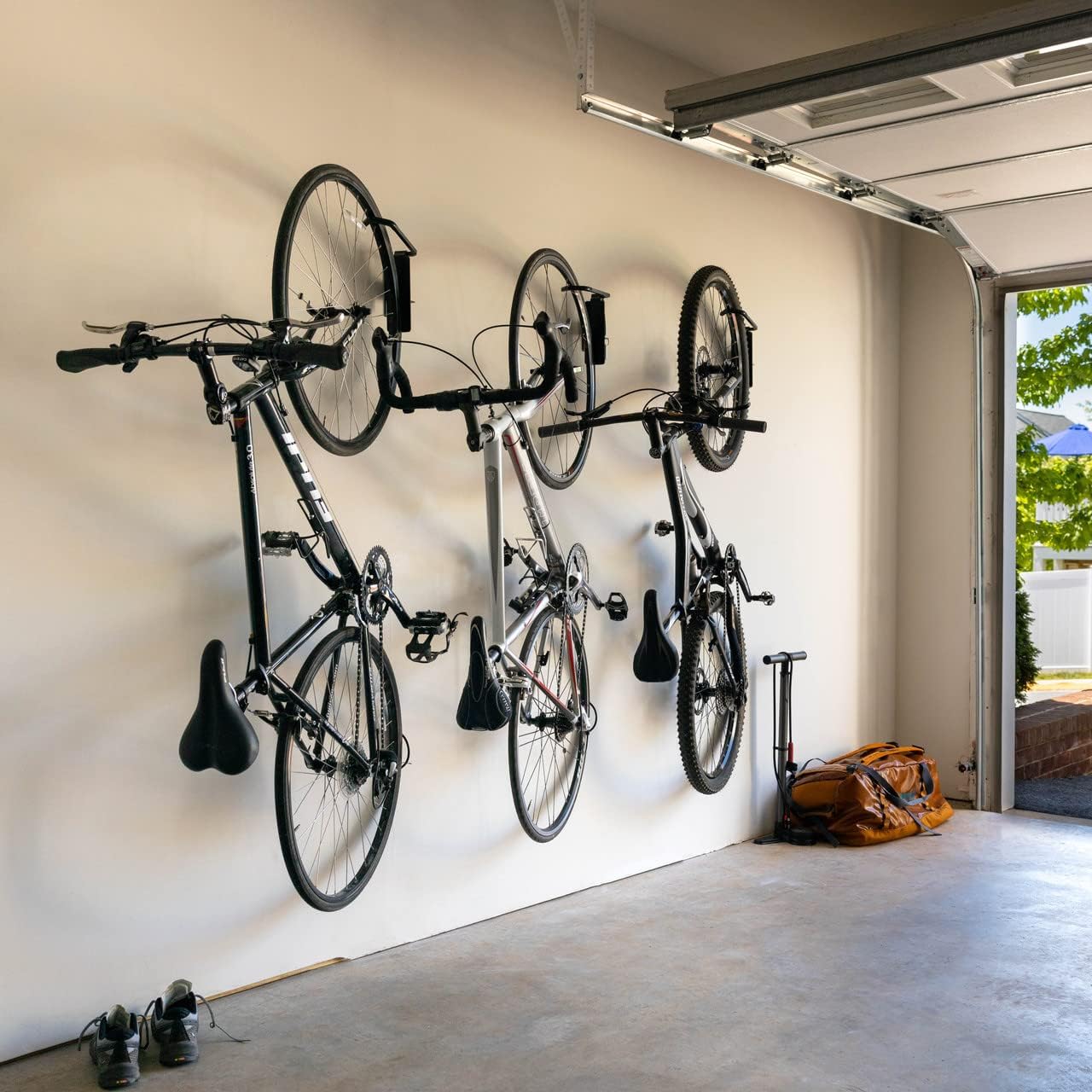
Wall-mounted bike racks are among the most useful bike storage options for homes with limited floor space. They hold a bicycle on a wall instead of leaving it in the middle of a garage, basement, or spare room. Depending on the design, a rack may support one wheel, both wheels, the frame, or a dedicated mounting point.
A wall rack can be especially useful in a typical American garage where a parked car leaves little room for bikes. It can also work in an apartment with an appropriate wall, provided the building rules permit installation. Before drilling, confirm that the wall and fasteners can safely support the complete load.
Source: www.bhg.com
Horizontal wall hooks
These hold a bicycle by a wheel or another approved contact point. They are simple and compact, but the bike may project farther into the room than expected.
Vertical wheel racks
These store a bicycle with one wheel raised and the frame standing upright. They can reduce the amount of wall width needed, although ceiling height and handlebar clearance matter.
Frame-support racks
These support the bicycle at designated frame contact points. Check the rack design carefully, especially if the bike has a carbon frame or unusual geometry.
Folding wall mounts
These can fold closer to the wall when the bicycle is removed. They are useful where a storage area doubles as a walkway or work zone.
How to choose and install a wall rack
Start by measuring the bicycle’s overall length, handlebar width, and height in the intended storage position. Mark the rack location with painter’s tape so you can check door clearance, walking space, and nearby shelves before drilling. If you plan to store several bikes, allow room for handlebars and pedals so the bicycles do not collide.
Locate suitable structural support and use fasteners approved for the wall type and rack. A wall stud, masonry wall, or other structural surface may be suitable when installed correctly. Drywall anchors alone should not be assumed adequate for a heavy bicycle unless the rack manufacturer specifically approves that installation method and load.
Best for
Garages, basements, workshops, and apartments where permanent mounting is allowed.
Main limitation
Installation requires a suitable wall, correct fasteners, and enough clearance around the bicycle.
2. Freestanding Bike Racks and Floor Stands
Freestanding bike racks are a practical choice when you want easy access without drilling into walls or ceilings. Most hold a bicycle upright by one or both wheels, while some use a frame support or a floor-mounted rail. You can move many freestanding models when rearranging a garage or changing rooms.
These stands work well for families, commuters, and anyone who rides several times a week. You can roll or lift a bicycle into its parking position without operating a ceiling pulley. A floor stand may also be a good first choice for renters who cannot make permanent changes to a property.
Source: dangerouswomanvip.com
Single-bike stands
These suit one bicycle parked near an entryway, in a garage, or beside a workbench.
Multi-bike racks
These hold several bicycles in a shared footprint. Check the spacing because wide handlebars and bulky tires can make closely packed racks difficult to use.
Gravity-style racks
Some designs lean against a wall and support bikes through a freestanding structure. Follow the manufacturer’s requirements for placement, load, and stability.
Wheel trays
These guide the tires into a fixed parking position. They are often straightforward to use but may need more floor space than wall-mounted storage.
When a floor stand makes more sense than a wall rack
Choose a floor stand if you want to avoid drilling, need quick daily access, or do not want to lift a bicycle overhead. It is also helpful when wall construction is uncertain or when several people share the storage area.
Check whether the stand supports your tire width and wheel size. A narrow road-bike stand may not hold a wide mountain-bike tire securely, while some wheel-holding designs may not suit every wheel or fender combination. Test the setup gently before leaving the bicycle unattended.
Best for
Frequent riders, renters, families, and garages where floor space is available.
Main limitation
The bicycles still occupy floor area, and an overloaded or poorly spaced rack can become unstable or difficult to use.
3. Ceiling Bike Hoists and Pulley Systems
Ceiling bike hoists use hooks, ropes, pulleys, or a lifting mechanism to raise a bicycle above the floor. They can be useful in garages with high ceilings, particularly when cars, lawn equipment, and storage cabinets compete for the same space. Once the bike is raised and secured, the floor below can remain available for other tasks.
A ceiling system is not suitable for every garage. You need enough overhead clearance, a structurally sound mounting point, and a lifting arrangement that matches the bicycle’s weight. A heavy electric bike may be difficult or unsafe to raise manually, even when a hoist’s rated capacity appears sufficient.
Source: ar.inspiredpencil.com
Manual pulley hoists
These use ropes and pulleys to reduce the effort required to raise a bicycle. The user must still control the load and secure the rope as directed.
Simple ceiling hooks
These hold a bicycle by a wheel when installed and used as specified. They may be inexpensive, but lifting the bicycle overhead can be awkward.
Multiple-bike ceiling systems
These can store several bicycles above the floor, but spacing, total load, ceiling structure, and access become more important as the system grows.
Ceiling hoist safety checks
Before installation, inspect the ceiling structure and determine where the mounting hardware must attach. Do not assume that drywall, a thin ceiling panel, or a decorative beam can carry the load. If the structure is unclear, ask a qualified installer to identify suitable mounting points.
Keep the lifting path clear of people, vehicles, garage doors, lights, and stored items. Follow the hoist instructions for rope routing, locking, and weight limits. Never stand beneath a suspended bicycle while raising, lowering, or adjusting it, and do not use a damaged rope or worn pulley.
Best for
Garages with suitable ceiling height and strong overhead mounting points.
Main limitation
Overhead lifting can be difficult, and installation errors can cause a bicycle to fall.
4. Bike Storage Cabinets, Sheds, and Outdoor Lockers
A dedicated bike shed or outdoor locker is useful when indoor storage space is limited. These structures can protect bicycles from direct sun, rain, falling debris, and casual access. Depending on the design, they may hold one bicycle or provide space for an entire family’s collection.
Outdoor storage offers convenience, but a shelter is not automatically secure or weatherproof. A lightweight enclosure may resist rain while remaining vulnerable to theft or strong wind. Look for sturdy construction, a suitable base, effective drainage, and a locking arrangement that protects the bicycle as well as the storage unit.
Source: thebikestoragecompany.co.uk
Resin sheds
These can resist moisture and require relatively little surface maintenance. Check the anchoring system, ventilation, dimensions, and security features.
Metal bike lockers
These provide a rigid enclosure, although the quality of the lock, hinges, panels, and installation affects security.
Wooden sheds
These can blend into a yard and provide room for bikes and tools. They may need periodic maintenance and protection against moisture.
Fabric bike tents
These are portable and may offer basic weather coverage. They are generally less suitable than rigid enclosures when strong theft resistance is the main goal.
How to protect a bicycle stored outdoors
Choose a level location that does not collect standing water. Secure the shed or locker according to its instructions, and check local property rules or homeowners association requirements before adding a permanent structure. Keep the bicycle off wet ground when possible and leave enough airflow to help moisture escape.
Use a quality bicycle lock and secure the bicycle to an appropriate fixed anchor when the storage design permits it. A locked shed can deter casual theft, but it does not guarantee that a bicycle cannot be stolen. For valuable bicycles, consider a more secure indoor location whenever possible.
Best for
Homes with a yard, patios, or other outdoor areas where indoor storage is impractical.
Main limitation
Weather exposure, moisture, theft risk, installation requirements, and maintenance vary by enclosure.
5. Bike Storage for Apartments and Small Homes
Small homes call for storage that uses unused wall space without blocking daily movement. A hallway corner, spare-room wall, or section of a utility room may work better than a crowded closet. Before choosing a location, check lease conditions, building rules, fire exits, and the need to keep shared hallways clear.
For many apartment residents, a compact vertical rack or a small freestanding stand provides a good balance of access and space savings. Folding bicycles may fit under a desk or inside a closet when folded, but measure the folded dimensions and check the manufacturer’s guidance for storage. Do not assume a folding bike can safely hang from an ordinary hook.
Source: artofit.org
Use vertical space
A vertical rack may reduce the width used along a wall, provided there is enough height to lift and position the bicycle.
Protect floors and walls
A removable wheel tray, floor mat, or approved wall protector can catch dirt and reduce scuffs from tires and pedals.
Keep the entryway clear
Avoid placing a bicycle where it blocks a door, emergency exit, stairway, or the route to essential household equipment.
Consider a folding bicycle
A folding model may reduce storage dimensions, although its folded footprint and lifting weight still matter.
A simple apartment storage plan
Measure the available wall and floor area, then mark the bicycle’s expected footprint. Check that doors can open fully and that people can walk past without catching clothing or bags on the handlebars. If the bike will be stored near furniture, consider how easily you can clean the floor beneath it.
If drilling is prohibited, choose a suitable freestanding rack or another storage product specifically designed to work without permanent mounting. Do not rely on improvised tension poles, furniture, or unstable hooks to support a bicycle unless the system is designed and rated for that purpose.
Best for
Renters, studio apartments, and homes without a garage.
Main limitation
Limited clearance and building rules may restrict mounting options and storage locations.
6. Choosing Bike Storage by Bicycle Type
The type of bicycle you own affects which storage system will work safely. Road bikes, mountain bikes, children’s bikes, cargo bikes, and electric bikes differ in weight, dimensions, tire width, frame shape, and accessories. A rack that works for one bicycle may not accommodate another.
Check the bicycle manufacturer’s care guidance and the rack manufacturer’s compatibility information before buying. Pay special attention to electric-bike weight, carbon-frame contact points, fenders, racks, baskets, and unusually wide handlebars. The storage method should support the bicycle as intended without damaging its frame or components.
Source: storage.googleapis.com
Road bikes
These are often relatively light and compact. Check whether the rack contacts a wheel, tire, or frame, and protect delicate components from accidental impact.
Mountain bikes
Wide tires, suspension parts, and broad handlebars can affect rack fit. Verify the supported wheel size and tire width.
Electric bikes
These may weigh substantially more than conventional bicycles. Check the complete bicycle’s weight against the rack rating and consider a low-lift storage method.
Children’s bikes
Smaller wheels may not fit every wheel hook or floor stand. Look for a rack designed for the actual wheel size.
Cargo bikes
Long frames, heavy loads, and unusual dimensions can rule out standard wall racks. Measure the full length and consider dedicated ground-level storage.
Special care for electric bikes
An electric bike can be difficult to lift because of its battery and motor. A floor stand or low-mounted rack may be more practical than a ceiling hoist. If you use a wall system, verify its rated load and the manufacturer’s instructions for lifting and frame contact.
Follow the electric-bike and battery manufacturer’s storage instructions. Use the approved charger and charging location, and avoid charging a damaged battery or one that shows signs of swelling, unusual heat, leakage, or physical damage. Keep batteries away from escape routes and combustible clutter, and stop using a suspect battery until it has been assessed by a qualified service provider.
Check total weight
Use the bicycle’s complete storage weight, including any battery or accessories that remain attached.
Make lifting manageable
Choose a ground-level solution if raising the bike causes strain or makes safe control difficult.
Protecting carbon frames and delicate finishes
Carbon-fiber frames can be damaged by inappropriate clamping pressure or contact at an unsuitable point. Use a rack approved for your bicycle’s frame type and follow the bicycle manufacturer’s instructions. A wheel-supported rack may be appropriate for some bikes, but tire and wheel compatibility must still be checked.
Avoid allowing metal hooks, pedals, handlebars, or another bicycle to rub against a delicate frame or finish. Use protective pads where the rack manufacturer allows them, and check contact points periodically for scratches, movement, or unusual pressure.
Best practice
Verify approved support points instead of assuming that every frame tube can safely carry a clamp.
Warning sign
Stop using the setup if the frame shifts, a component bends, or the rack creates visible damage.
7. Comparing Popular Bike Storage Options
The best storage method is the one that fits your space, bicycle, and daily routine without creating a safety problem. The table below compares common options by installation, floor-space needs, and practical limitations. These are general comparisons rather than product-specific performance ratings, so actual dimensions, costs, and load limits will vary.
Source: fity.club
Bike storage comparison table
Use this comparison to narrow your choices before checking individual product specifications. A low-cost hook may work for a lightweight bicycle, while a heavy electric bike may need a more substantial floor-level system.
Wall-mounted rack
Floor space: low use. Installation: usually requires suitable mounting points. Access: good after lifting the bicycle into place. Main concern: wall strength and correct fasteners.
Freestanding floor stand
Floor space: moderate use. Installation: often minimal. Access: very easy. Main concern: rack stability, wheel compatibility, and space between bikes.
Ceiling hoist
Floor space: very low use. Installation: requires suitable overhead structure. Access: less convenient than a floor stand. Main concern: lifting safety and secure locking.
Outdoor shed or locker
Floor space: uses a dedicated outdoor footprint. Installation: depends on the structure. Access: convenient when placed near the entrance. Main concern: weather protection, anchoring, and theft resistance.
Compact apartment rack
Floor space: low to moderate use. Installation: varies by design. Access: depends on mounting height. Main concern: building restrictions and hallway clearance.
Bike storage tent
Floor space: uses outdoor ground area. Installation: often portable. Access: usually simple. Main concern: wind, moisture, fabric wear, and limited theft resistance.
How much space do you need?
There is no single footprint that fits every bicycle. Measure the bicycle at its widest and longest points in the proposed storage position, then add clearance for lifting, steering, and walking. For a row of bicycles, include space for handlebars, pedals, and the movement needed to remove one bike without disturbing the others.
For example, imagine a garage wall that is 10 feet long and a bicycle that is about 6 feet long. The bicycle’s length does not determine how many bikes will fit along that wall because the result also depends on storage orientation, handlebar width, overlap, and the room needed to remove each bike. Use a full-size floor outline or painter’s tape to test the arrangement before buying a rack.
Measure first
Record the available width, height, depth, door swing, and nearby obstructions.
Test access
Make sure you can remove the intended bicycle without lifting another bike or moving heavy stored items.
8. How to Set Up a Safe and Practical Bike Storage Area
A successful bike storage setup starts with a clear space and a suitable mounting or parking system. You do not need a large garage or an expensive rack to keep a bicycle organized. A careful measurement and a few simple checks can prevent blocked walkways, unstable storage, and avoidable damage.
Source: storeyourboard.com
Step 1: Choose the storage location
Pick a dry, accessible location that does not block doors, emergency exits, electrical panels, or essential household equipment. In a garage, check that the bicycle will not interfere with the garage door, a parked vehicle, or frequently used tools. In an apartment, confirm that the location is permitted and does not obstruct shared escape routes.
Signs of a suitable location
The bike fits without blocking access, the floor is stable, and there is enough clearance to park and remove it.
Step 2: Measure the bicycle and storage area
Measure overall length, handlebar width, tire width, and the height required by the intended storage position. Check the bicycle’s weight and compare it with the rack’s rated capacity. Include helmets, locks, baskets, child seats, and other accessories if they will remain attached.
Avoid guesswork
Compare your measurements with the manufacturer’s stated dimensions and compatibility limits.
Step 3: Install or assemble the system
Follow the supplied instructions, use the specified hardware, and check that each connection is secure. For wall or ceiling mounting, verify the structural support before loading the rack. If you cannot confirm that the surface and mounting method are suitable, consult a qualified installer rather than relying on a guess.
Check stability
Before placing a bicycle on the rack, inspect the fasteners, support arms, hooks, straps, and base for looseness or damage.
Step 4: Park the bicycle and test access
Place the bicycle on the rack as directed and make sure it rests on the intended support points. Check that it does not slide, tip, or touch nearby bikes in a way that could cause damage. Remove and replace the bicycle carefully to confirm that the arrangement works in everyday use.
Signs of success
The bicycle remains stable, the rack does not move, and you can access the bike without straining or blocking a walkway.
Step 5: Maintain the storage area
Inspect the system periodically for loose fasteners, rust, cracked plastic, worn straps, and other signs of damage. Clean dirt and road salt from the bicycle before storing it for a long period. In humid spaces, improve ventilation and avoid covering a wet bicycle with a material that traps moisture.
When something fails
Unload the rack if it shifts, bends, cracks, or develops loose mounting points. Correct the problem before returning the bicycle to storage.
9. Protecting Your Bike From Theft, Weather, and Damage
Good storage protects more than the bicycle’s appearance. It can reduce the risk of theft, limit exposure to moisture, and prevent damage from falling objects or accidental impacts. The best protection depends on whether the bike stays indoors, in a shared garage, or outside.
Source: aggieswimclub.org
Improve theft resistance
Use a suitable lock through the bicycle frame and, where practical, a wheel, attached to a secure fixed anchor. A locked room or shed adds another layer but should not replace a suitable bicycle lock.
Control moisture
Store the bike in a dry, ventilated area. Wipe off rain and mud, and avoid leaving wet gear against the frame or drivetrain for long periods.
Limit heat and sunlight
Avoid prolonged exposure to intense sunlight and excessive heat, especially for tires, plastic parts, electronic components, and batteries. Follow the manufacturer’s temperature and storage guidance.
Prevent accidental damage
Keep tools, heavy boxes, and sharp objects away from the bicycle. Make sure the rack does not press on brake hoses, cables, delicate frame sections, or other vulnerable parts.
Is indoor bike storage always better?
Indoor storage usually offers better protection from rain and casual theft, but the quality of the location still matters. A damp basement, a crowded utility room, or a rack installed incorrectly can create problems. A well-anchored outdoor enclosure may be more practical than an unsuitable indoor arrangement, although it cannot eliminate environmental or theft risks.
If you store a bicycle in a shared garage or apartment storage room, consider who can access the area. Keep records of the bicycle’s serial number and photographs, and review your insurance policy to understand the applicable coverage and conditions. Coverage for bicycles stored outdoors or in shared spaces can vary.
Practical priority
Choose a stable, dry, permitted location first, then add appropriate physical security and routine maintenance.
10. Common Bike Storage Mistakes to Avoid
Many storage problems come from choosing a rack based only on appearance or price. A little planning can help you avoid unsafe mounting, damaged components, and a setup that becomes frustrating after a few rides.
Source: storage.googleapis.com
Ignoring weight limits
A rack that holds a light road bike may not be suitable for a heavy electric or cargo bike. Compare the actual load with the manufacturer’s rating.
Using unsuitable wall anchors
Mounting hardware must match the wall construction and the rack instructions. Do not assume that ordinary drywall anchors can support a bicycle.
Choosing a rack that does not fit the tires
Wide mountain-bike tires, small children’s wheels, and fenders can affect compatibility. Check the exact size range.
Lifting beyond your ability
A ceiling hoist is not a good choice if you cannot control the bicycle safely. Select a ground-level rack or seek an appropriate lifting solution.
Blocking exits and walkways
Do not place a bicycle where it obstructs a door, stairway, emergency route, or access to essential equipment.
Leaving the bicycle wet
Long-term storage while wet can encourage corrosion and leave dirt or road salt on components. Dry and clean the bicycle as appropriate.
Assuming a shed prevents theft
A storage enclosure may be easier to attack than expected. Consider the lock, hinges, construction, anchoring, and access to the location.
Forgetting routine inspections
Check mounting points, straps, hooks, and support arms periodically. Replace damaged components rather than improvising repairs that are not approved by the manufacturer.
What to do if your bike will not sit securely
Remove the bicycle and check whether the rack supports its wheel size, tire width, frame style, and weight. Inspect the rack for loose hardware, incorrect assembly, damaged parts, or a mounting surface that does not match the instructions. Do not keep using a rack that moves, slips, or shows signs of structural failure.
If the bicycle is incompatible with the current rack, choose a model designed for that bicycle or use a suitable floor stand. When the problem involves a wall or ceiling attachment, have the mounting arrangement assessed before using it again.
Stop and inspect
Unload any unstable storage system before troubleshooting.
Choose a compatible replacement
Use verified dimensions, weight ratings, and mounting requirements rather than trying to force a poor fit.
11. How Much Should You Spend on Bike Storage?
Bike storage costs vary by design, material, capacity, and installation needs. A simple floor stand or hook may cost less than a dedicated wall system, ceiling hoist, or outdoor enclosure. Prices also change by retailer, location, shipping, and product availability, so check current listings before setting a firm budget.
The purchase price is only one part of the cost. A wall rack may require suitable fasteners or professional installation, while an outdoor shed may need a base, anchoring, and ongoing maintenance. A low-cost product that does not fit your bicycle or storage area can become more expensive if you must replace it.
Source: garageage.com
Basic budget
Consider a simple wheel stand or compatible hook when you have one lightweight bicycle and a suitable storage surface.
Moderate budget
Look at adjustable floor racks, folding wall mounts, or well-designed vertical systems when convenience and space savings matter.
Larger budget
Consider dedicated multi-bike racks, quality ceiling systems, or rigid outdoor enclosures when the space and security requirements justify the added cost.
Compare total value instead of price alone
A useful comparison includes supported bicycle weight, compatibility, installation requirements, durability, warranty terms, and the effort needed to park the bike. If you ride daily, a convenient floor-level system may offer more practical value than a complicated overhead rack. If your garage is crowded, the extra cost of a space-saving mount may be worthwhile.
Before buying, confirm the return policy and check whether the product includes all required hardware. Do not rely on a product photograph or a general statement such as heavy duty as proof that a rack is appropriate for your particular bicycle.
Buying rule
Pay for verified fit, safe support, and useful space savings rather than features you will not use.
Frequently Asked Questions
Q
What is the best way to store a bike in a small garage?
A vertical wall rack is often a good choice because it can reduce the amount of floor space the bicycle uses. A ceiling hoist may also work if the garage has suitable overhead support and enough clearance. Measure the bicycle, check the mounting surface, and make sure the storage position does not interfere with a parked vehicle or garage door.
Q
Is it better to store a bike vertically or horizontally?
Neither position is best for every bicycle. Vertical storage can save wall width, while horizontal storage may make lifting and removal easier for some riders. Follow the bicycle manufacturer’s guidance, use a compatible rack, and avoid putting pressure on components that are not designed to support the bike.
Q
Can I store my bike outside all year?
You can store a bicycle outdoors if you use an appropriate enclosure and maintain it, but exposure to rain, moisture, sunlight, and temperature changes can increase wear. A weather-resistant shed or locker with good drainage and ventilation can help. Use a suitable lock and follow the manufacturer’s guidance for the bicycle’s components and any battery.
Q
What is the best storage option for a heavy electric bike?
A stable floor stand or low-mounted rack is often practical because it reduces overhead lifting. Check the rack’s weight rating and confirm that it fits the bike’s tires, frame, and accessories. Follow the battery manufacturer’s storage and charging instructions, and do not use a damaged battery.
Q
Can I hang a bike on a wall in a rental apartment?
That depends on your lease, building rules, and the wall construction. Ask for permission before drilling if required. When permanent mounting is not allowed, consider a compatible freestanding rack or another stable storage product designed for use without drilling, while keeping exits and walkways clear.
Q
How do I keep a stored bike from rusting?
Clean off dirt and road salt, dry the bicycle after wet rides, and store it in a dry area with suitable airflow. Follow the bicycle manufacturer’s maintenance instructions for the chain and other metal components. Inspect the bike periodically, especially if the storage area is humid or the bicycle has been exposed to rain.
Q
Can one rack hold different types of bicycles?
Some racks accommodate several bicycle types, but compatibility depends on wheel size, tire width, frame design, weight, and handlebar clearance. Check each bicycle against the rack specifications before loading it. Do not assume that a rack suitable for a road bike will also support a heavy electric bike or a long cargo bike.
✦ Wrapping Up
Conclusion
The right bike storage options can help you reclaim floor space, protect your bicycle, and make every ride easier to start. Wall racks are useful when floor space is limited, floor stands provide convenient daily access, and ceiling hoists make use of overhead room when the structure and lifting method are suitable. Outdoor sheds and lockers can help when indoor storage is not available, but security and weather protection still need attention.
Start with the bicycle’s weight and dimensions, the available storage area, and how often you ride. Then compare compatible systems, verify installation requirements, and leave enough space for safe access. A simple setup that fits your needs is usually more useful than an expensive rack with features you do not need.
💡 Key Takeaway
Measure your bicycle and storage area today, identify whether floor, wall, ceiling, or outdoor space is available, and shortlist two compatible storage systems. Verify their weight limits, mounting requirements, and clearance before buying.
Sarah believes that a messy garage is a wasted room. After years of working in professional home staging and interior design, she shifted her focus to the most neglected part of the house: the garage. She focuses on vertical storage, aesthetic floor coatings, and converting dusty corners into functional workspaces. Sarah’s goal is to help you "unlock" every square inch of your garage.
Sarah believes that a messy garage is a wasted room. After years of working in professional home staging and interior design, she shifted her focus to the most neglected part of the house: the garage. She focuses on vertical storage, aesthetic floor coatings, and converting dusty corners into functional workspaces. Sarah’s goal is to help you "unlock" every square inch of your garage.