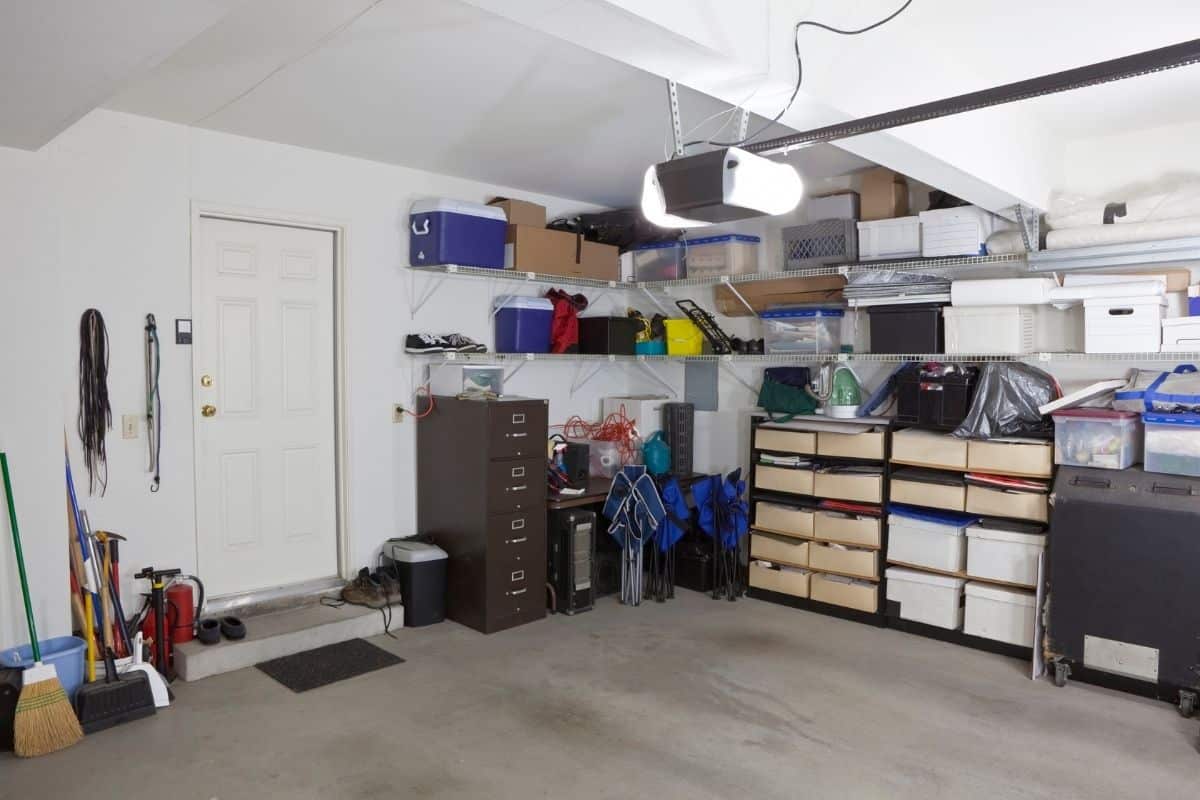
The best way to clear garage clutter is to remove everything you no longer need, sort what remains into clear groups, and give each useful item a permanent home. Work in small areas, dispose of hazardous waste safely, and use simple storage systems to keep the space tidy.
Across the United States, garages serve many purposes. They shelter cars, store lawn mowers, hold sports gear, and provide space for home repairs. Yet boxes, old furniture, holiday decorations, and unused tools can slowly take over. Before long, parking the car becomes hard, finding a screwdriver takes too long, and even walking through the garage feels like a chore.
The good news is that you do not need a costly makeover to fix the problem. A clear plan, a few basic supplies, and steady effort can help you reclaim useful space. The most effective tips for clearing garage clutter focus on removing excess items first, organizing what stays second, and building habits that stop clutter from returning.
This guide explains how to prepare for a garage cleanout, decide what to keep, donate, sell, or discard, and arrange your belongings so they are easy to find. It also covers common safety risks, storage choices, disposal options, and ways to maintain your progress. Whether you have a small one-car garage or a large two-car space, you can adapt the steps to fit your home, schedule, and budget.
Source: thesimplicityhabit.com
1. Set a Clear Goal Before You Start
Begin by deciding what you want your garage to do. Perhaps you want room to park your car, space for a workbench, or a clear path to your lawn equipment. A specific goal helps you make better choices about what belongs in the space.
Walk through the garage and note the biggest problems. Look for blocked walkways, crowded shelves, piles of cardboard, unused furniture, and items stored on the floor. You can also take a few photos to compare the space before and after your work.
Choose a realistic amount of time. A small garage with a few crowded shelves may need only a few focused sessions. A garage filled with years of belongings may take several weekends. Avoid setting a deadline that forces you to rush decisions or handle unsafe materials carelessly.
Source: www.pinterest.com
Define your main goal
Choose a clear outcome, such as parking one car inside, freeing a workbench, or making seasonal items easier to reach.
Gather basic supplies
Prepare sturdy boxes, reusable bins, labels, markers, cleaning cloths, a broom, work gloves, and a donation container.
Ask for help when needed
Arrange assistance for heavy furniture or bulky equipment. Use a qualified professional for hazardous waste, suspected structural problems, or other work beyond your skills.
Create a Simple Garage Cleanout Plan
Write down the areas you want to tackle, such as the entrance, tool wall, storage shelves, and rear corner. Rank them by importance and start with a small area that you can finish. Completing one section builds momentum and gives you a clear place to put sorted items.
If you share the garage with family members, agree on what can be donated or discarded. Some belongings may have personal value or belong to someone else. Set those items aside until the owner can decide.
Choose one starting zone
A single shelf or a small floor area is easier to manage than emptying the entire garage at once.
Set up a sorting station
Place labeled containers in a safe area so items do not become scattered across the driveway or block access.
2. Sort Everything Into Clear Categories
Sorting is the heart of garage decluttering. Instead of moving the same boxes from one corner to another, decide what each item is for and whether it deserves space in your garage. Work through one shelf, cabinet, or small floor section at a time.
Create separate groups for items you will keep, donate, sell, recycle, or throw away. Add a temporary review group for belongings that need a decision from another household member. Keep the groups separate so useful items do not get mixed with trash.
Be honest about what you use. A tool that has not been touched in years may still be worth keeping if it serves a specific purpose. However, broken objects you will not repair, duplicate tools you never use, and supplies for abandoned hobbies may be taking up valuable room.
Avoid emptying every cabinet at once unless you have enough clear space to manage the contents. Large piles can make the garage harder to navigate and create trip hazards. Finish one area before opening another.
Source: www.pinterest.com
Keep
Save items you use, need for a planned task, or rely on during specific seasons. Make sure they are safe, functional, and worth storing.
Donate
Set aside clean, usable items that someone else could use. Check each charity’s current acceptance rules before dropping items off.
Sell
Consider selling valuable tools, sports gear, or equipment in working condition. Weigh the likely return against the time needed to list and sell each item.
Recycle
Separate accepted cardboard, metal, and other recyclable materials according to your local program. Do not assume every plastic container or electronic item belongs in curbside recycling.
Discard
Remove unusable items through an appropriate disposal service. Check local rules for bulky waste, electronics, batteries, paint, and other restricted materials.
Use Simple Questions to Make Decisions
If you are unsure about an item, ask when you last used it and whether you have a clear reason to keep it. Consider whether it still works, whether a replacement would be easy to obtain, and whether the item has a real place in your home.
Do not throw away important documents, family keepsakes, or another person’s property just to finish faster. Put uncertain belongings in a labeled review box with a decision date. This keeps them from spreading through the garage again.
Check for duplicates
Keep the number of spare tools, cords, containers, and supplies that you can reasonably use.
Set limits for hobby gear
Give each hobby a defined storage area. Keep the items that support your current interests and plans.
3. Remove Trash and Unwanted Items Safely
Once you have sorted your belongings, arrange for unwanted items to leave the garage. A donation pile that stays for months is still clutter. Plan where each group will go and set a date for the next step.
Check your local city or county waste service for bulk pickup, recycling locations, household hazardous waste events, and accepted drop-off materials. Rules vary by community, so verify them before placing large items at the curb or taking materials to a collection site.
Garage cleanouts can uncover old paint, solvents, pesticides, motor oil, fuel, pool chemicals, and other substances that need special care. Keep these products in their original, labeled containers when possible. Do not pour them into drains, onto the ground, or into storm drains, and do not mix unknown chemicals.
If a container is leaking, swollen, badly corroded, or missing a readable label, avoid handling its contents or moving it unnecessarily. Keep people and pets away and contact your local household hazardous waste program for guidance. Never burn unknown materials or use a household trash fire to dispose of them.
Source: howtobuildit.org
Donate usable goods
Check the receiving organization’s rules and delivery hours before loading your vehicle.
Recycle correctly
Look up local requirements for scrap metal, electronics, batteries, and packaging before separating these materials.
Dispose of hazardous products properly
Follow local collection guidance for chemicals, fuel, oil, paint, and other regulated waste.
Arrange bulky-item removal
Check municipal pickup options or a reputable hauling service for mattresses, broken furniture, and large equipment.
What Should You Do With Old Paint and Chemicals?
Do not treat every can of paint or bottle of cleaner as ordinary trash. Disposal rules depend on the material, its condition, and your local waste program. Read the label and contact the appropriate collection service when the correct method is unclear.
Keep incompatible products apart and avoid transferring chemicals into food or drink containers. Do not mix products to save space. If you find a strong chemical odor, an active spill, or a substance that causes irritation, leave the immediate area and seek appropriate emergency or hazardous-material guidance.
Protect the area
Keep children and pets away from chemical storage and any suspected leak.
Use official local guidance
Contact your municipal waste department or household hazardous waste program for accepted materials and handling instructions.
4. Clean the Garage Before Organizing It
Cleaning is easier after unwanted items have been removed. Once a section is clear, sweep away loose dirt, dust, leaves, and debris. Wipe shelves and cabinets before returning the items you intend to keep.
Use suitable cleaning products for the surface and follow the label instructions. Avoid combining cleaners, especially products containing bleach with ammonia or acids. If the garage has heavy dust, wear suitable eye protection and a well-fitting dust mask appropriate for the task.
Look for signs of moisture, pest activity, damaged shelves, or cracks that appear to be worsening. A damp area may need a moisture-control solution before you store boxes there again. If you suspect a serious structural issue, active electrical damage, or significant mold growth, seek qualified help rather than covering the problem with new storage.
Let wet surfaces dry before placing items back. This simple step can help reduce moisture damage to cardboard, fabrics, tools, and other belongings.
Source: www.pinterest.com
Sweep from back to front
Move loose debris toward the entrance so you can collect it without walking over the clean area again.
Wipe storage surfaces
Remove dust from shelves and cabinet interiors before putting away clean belongings.
Inspect for moisture
Check corners, exterior walls, and areas near doors for dampness or signs of leaks.
Keep the floor clear
Remove cords, loose hardware, and empty boxes from walkways before moving on to organization.
Check for Pests and Moisture
Cardboard, fabric, and stored food can attract pests or provide places for them to hide. Inspect boxes before moving them back onto shelves, and remove any food or pet supplies that are attracting insects or rodents.
Choose sealed, durable containers for suitable dry goods and frequently used small items. However, a storage bin will not fix an active leak or infestation. Deal with the underlying issue before reorganizing the affected area.
Replace damaged boxes
Use clean containers that can protect contents from ordinary dust and accidental contact.
Fix the cause first
Address leaks, gaps, and pest access before filling the garage with newly organized supplies.
5. Create Zones for Different Types of Items
A well-organized garage has a clear purpose for each area. Group similar items together instead of spreading them across several shelves. When every category has a home, it becomes easier to find what you need and return it after use.
Start by deciding which items need quick access and which can stay in long-term storage. Daily tools, car-care supplies, and frequently used outdoor equipment should be easy to reach. Holiday decorations and seasonal gear can occupy higher or less accessible storage areas, provided they remain safely reachable.
Use the garage layout to guide your zones. Keep items for yard work near the door used to reach the yard, and place repair supplies near a workbench. If you park a vehicle inside, account for its full space and allow enough room to enter, exit, and open the doors safely.
Source: followtheyellowbrickhome.com
Tool zone
Keep hand tools, fasteners, and repair supplies together in a cabinet, drawer unit, or suitable wall organizer.
Outdoor zone
Group lawn care tools, gardening supplies, and outdoor cleaning equipment near a convenient exit.
Sports zone
Give balls, helmets, bicycles, and other sports gear a dedicated area with suitable racks or hooks.
Seasonal zone
Store holiday decorations and occasional-use items in labeled containers that are protected from dampness and heat where needed.
Automotive zone
Keep appropriate car-care supplies together and store automotive fluids according to their labels and local safety guidance.
Keep Frequently Used Items Within Easy Reach
Place the items you use most often between waist and shoulder height when practical. Reserve higher shelves for light items that you access only occasionally. Store heavy containers low and avoid placing them where they could fall onto people or vehicles.
Leave a clear path from the entrance to important areas. Do not block doors, electrical panels, water shutoff valves, or other equipment that may need quick access. Keep the space around any fuel-burning appliance clear according to its instructions and applicable local requirements.
Put daily items near the entrance
Make common tasks easier by keeping regularly used tools and supplies close to where you need them.
Keep special-use items together
Group related gear so you can find all the pieces needed for a task without searching several locations.
6. Use Storage That Fits Your Garage
Choose storage products only after you know what you are keeping and where each category belongs. Buying bins before decluttering often creates another problem: more containers filled with things you do not need. Measure the available space and consider the size, weight, and use of the items first.
You do not need an expensive storage system to make a garage easier to use. A few sturdy shelves, clear labels, and suitable hooks may be enough. The right setup depends on the garage layout, wall construction, moisture levels, and the type of belongings you need to store.
Check the load rating of shelves and mounting hardware before use. Attach wall-mounted systems to appropriate structural supports, using fasteners suited to the wall material and the product instructions. Do not assume that drywall alone can safely hold heavy shelves or large tools.
Overhead storage can free up floor space, but it requires careful planning. Use only a system rated for the intended load and installed according to its instructions. Keep heavy items low, leave sprinklers and lighting unobstructed, and never store items where they could fall onto a vehicle or person.
Source: www.pinterest.com
Clear bins
Use them for suitable small items so you can see the contents without opening every container.
Labeled opaque bins
Choose these for seasonal goods or items that need protection from light, with a clear label on each side you can see.
Wall hooks and racks
Use appropriately rated hooks for compatible tools and equipment to reduce floor clutter.
Sturdy shelving
Store heavy objects on lower shelves and follow the manufacturer’s limits for each shelf and the full unit.
Cabinets with doors
Use them for small parts and suitable supplies that benefit from a closed, organized storage area.
Compare Common Garage Storage Options
The following comparison can help you select a storage method without overspending. Each option serves a different purpose, and the best choice depends on your available space and what you need to access most often.
Shelves
Best for bins, boxes, and supplies that need visible, easy access. They require enough floor or wall space and must be rated for the intended load.
Wall-mounted hooks
Useful for compatible long-handled tools and selected sports equipment. Check the hook rating, attachment method, and the shape of the item.
Stackable bins
Useful for grouping small or seasonal items. Avoid stacks that are unstable or too high to access safely.
Closed cabinets
Useful for keeping small parts together and reducing visible clutter. Cabinet contents still need labels and safe storage.
Overhead racks
Useful for suitable lightweight or moderate-weight items when the rack, structure, and installation are designed for the load. Professional installation may be appropriate.
7. Make Better Use of Vertical Space
Vertical storage can help you reclaim floor space in a crowded garage. Instead of placing every tool, box, or piece of equipment on the ground, use suitable wall space for items that can be hung safely. This can make sweeping easier and keep walkways open.
Start with a wall-by-wall review. Identify studs or other appropriate structural supports before installing shelves, hooks, or racks. Check for hidden wiring and plumbing where relevant, and use mounting hardware designed for the wall type and the intended load.
Keep heavy tools, filled containers, and bulky objects at a safe height. Wall storage should make items easier to reach, not force you to lift heavy objects overhead. Use a stable step stool when necessary, and avoid climbing on boxes, chairs, or shelving.
If you rent your home, check your lease before drilling into walls or installing permanent systems. Freestanding storage may be a better fit if you need a setup that can be moved later.
Source: www.pinterest.com
Hang suitable long-handled tools
Use a rack rated for the tools and mount it so the handles cannot slide into walkways.
Use wall space for small gear
A suitable organizer can keep frequently used items visible and reduce crowded drawers.
Keep floors open
Move only items that can be stored safely off the floor, leaving room for vehicles and clear walking paths.
Plan Before Installing Overhead Storage
Overhead racks are not suitable for every garage. Before installing one, check ceiling clearance, the structure above it, the product’s load limits, and the manufacturer’s installation requirements. If you cannot confirm that the structure can support the system, consult a qualified installer.
Do not place overhead storage where it interferes with a garage door, tracks, lights, sprinklers, or required access to equipment. Store only items that can be lifted and removed without unsafe reaching or straining.
Verify the mounting structure
Use the correct supports and fasteners rather than relying on unsupported ceiling finishes.
Check access and clearance
Make sure stored goods do not obstruct the garage door, vehicle movement, or essential building systems.
8. Decide What to Do With Sentimental Items
Old toys, family photographs, handmade projects, and inherited belongings can make decluttering emotional. You do not have to discard meaningful items to create a usable garage. The goal is to choose what deserves space and find a better home for things that should not remain in a dusty or damp storage area.
Set aside sentimental belongings while you handle practical items. Give yourself time to review them later, especially when they belong to another family member. Avoid making major decisions when you are tired or under pressure to finish.
Keep a reasonable collection of items that have genuine meaning. For bulky objects, consider whether a photograph can preserve the memory while allowing you to let go of the physical item. Important documents, photographs, and delicate keepsakes may be better stored in a clean, dry indoor location with conditions suited to their preservation.
Source: thesmalleststep.com
Create a memory box
Choose a suitable container for a small group of meaningful objects and label it clearly.
Take photos of bulky items
A photo can help preserve the memory of an object that no longer has a practical place in your home.
Ask before donating shared belongings
Give family members a chance to review personal or inherited items before they leave the house.
Use a Decision Date for Uncertain Belongings
If you cannot decide what to do with an item, place it in a clearly labeled review box. Write down who needs to make the decision and choose a reasonable date to review it. This keeps uncertainty from becoming a permanent excuse for leaving things scattered around.
At the review, decide whether to keep, donate, sell, or discard the item. If it stays, assign it a specific home rather than returning it to an unidentified pile.
Set a limit
Keep review boxes to a manageable size so undecided belongings do not fill the garage again.
Follow through
Use the decision date to finish the process rather than postponing it repeatedly.
9. Avoid Common Garage Decluttering Mistakes
A few common mistakes can turn a garage cleanout into a long and frustrating project. The biggest is moving clutter instead of making decisions. Putting old boxes on a new shelf may make the floor look better, but it does not solve the underlying problem.
Another mistake is buying too many organizers before sorting. Measure your space and review the items you plan to keep first. This helps you choose storage that fits your needs instead of filling the garage with containers you do not use.
Do not attempt to finish the whole garage in one exhausting session if the job is large. Fatigue can lead to poor decisions, missed hazards, and strained muscles. Work in manageable blocks, drink water, take breaks, and ask for help with heavy or awkward objects.
Finally, do not sacrifice safety to create a neat appearance. Keep exits and walkways clear, secure unstable shelving, and store chemicals according to their labels. A tidy garage should also be a safe place to move and work.
Source: www.pinterest.com
Mistake: Keeping every spare item
Correction: Keep a useful amount of supplies and set clear limits for duplicates and rarely used gear.
Mistake: Leaving donation boxes indefinitely
Correction: Schedule a drop-off or pickup and keep the items in a designated temporary area until they leave.
Mistake: Storing everything on high shelves
Correction: Keep heavy and frequently used items at safer, more accessible heights.
Mistake: Ignoring moisture or pests
Correction: Address the source of the problem before putting belongings back.
Mistake: Blocking access to essential equipment
Correction: Preserve clear access to doors, electrical panels, shutoff valves, and other important systems.
What If You Feel Overwhelmed?
Reduce the size of the task rather than abandoning it. Set a timer for a short work session and focus on one shelf or one group of items. Stop when you have completed that section and leave the remaining work for another planned session.
If the garage is too crowded to sort safely, remove a small amount of obvious, safe waste first. Create a clear working area and continue in stages. For hoarding-related distress, severe pest problems, or hazardous conditions, consider appropriate professional support rather than forcing a rushed cleanout.
Start small
Choose a section that can be completed without moving large amounts of furniture or equipment.
Track progress
Use a checklist or before-and-after photos to see the changes you have made.
10. Keep Your Garage Clutter-Free
The easiest way to maintain an organized garage is to make putting things away part of your normal routine. When an item has a clear home, returning it takes less effort than leaving it on a bench or floor. Encourage everyone who uses the garage to follow the same basic system.
Set aside a short period each week to return stray items, break down clean cardboard for recycling where accepted, and check for new clutter. Review seasonal belongings before storing them, and remove items that are broken or no longer useful.
Use a simple rule for new purchases: decide where an item will live before bringing it home. If a shelf or bin is already full, review its contents instead of adding another container. This helps keep storage limits realistic.
A monthly check can also reveal small problems before they grow. Look for blocked walkways, loose hooks, damp boxes, unstable stacks, and supplies that need proper disposal. Small adjustments are easier than repeating a full garage cleanout.
Source: thesimplicityhabit.com
Do a weekly reset
Return tools, sports gear, and outdoor supplies to their assigned zones.
Review seasonal items
Before each season, check equipment and decorations for damage, missing parts, or items you no longer need.
Use a one-in, one-out rule where practical
When adding a similar item, consider removing an unused duplicate so storage does not grow without a clear limit.
Check safety and access
Keep paths open and inspect shelves, hooks, and storage systems for damage or signs of instability.
Use a Simple Garage Maintenance Checklist
A short checklist makes it easier to maintain the results of your cleanout. You do not need to reorganize every shelf each week. Focus on returning items to their homes and removing small piles before they spread.
Weekly
Put away loose items, clear walkways, and move donations or recycling toward their planned destination.
Monthly
Check labels, shelf stability, moisture, pest signs, and access to essential equipment.
Seasonally
Review weather-related gear, sports equipment, holiday decorations, and outdoor supplies before storing them for another season.
Frequently Asked Questions
Q
How do I start clearing a cluttered garage?
Start by choosing one small area and setting a clear goal. Gather basic supplies, create keep, donate, sell, recycle, and discard groups, and work through one shelf or section at a time. Remove unwanted items before buying organizers, and keep walkways clear as you work.
Q
Can I declutter my garage in one day?
A small or lightly cluttered garage may be manageable in one day, especially if you have help and a clear plan. A garage with many years of stored belongings, bulky furniture, or hazardous materials may need several sessions. Choose a pace that allows you to make careful decisions and handle items safely.
Q
What should I throw away when decluttering a garage?
Consider removing broken items you will not repair, unusable duplicates, empty packaging, damaged containers, and belongings that no longer serve a purpose. Donate or sell usable goods when practical. Check local disposal rules before discarding electronics, batteries, paint, chemicals, fuel, or other materials that may require special handling.
Q
How can I organize a garage on a small budget?
Declutter before spending money on storage. Reuse suitable containers you already own, add clear labels, group similar items together, and make safe use of existing shelves. Buy only the hooks, racks, or bins that solve a specific problem, and check their load limits and installation requirements.
Q
How do I keep my garage from getting cluttered again?
Give every frequently used item a permanent home and return it after use. Set a short weekly reset, review seasonal gear, and decide where new purchases will go before bringing them home. If a storage area becomes full, review its contents instead of continually adding more bins.
Q
What should never be stored carelessly in a garage?
Pay special attention to gasoline, solvents, pesticides, paint products, batteries, and other materials that may present fire, chemical, or environmental risks. Follow product labels, local requirements, and guidance from the relevant waste program. Protect essential building equipment and keep exits, walkways, and access to shutoff controls clear. Items sensitive to heat or moisture may need a different storage location.
✦ Wrapping Up
Conclusion
Clearing garage clutter does not require a complete renovation or a large budget. The most useful approach is to set a goal, sort belongings carefully, remove unwanted items, clean the space, and create a home for everything you decide to keep. Small, steady steps can turn an overcrowded garage into a more useful part of your home.
Remember that organization is about more than neat shelves. A good garage layout makes daily tasks easier, protects your belongings, and leaves clear room to move. Safe storage, proper waste disposal, and a simple maintenance routine help preserve the results long after the first cleanout.
💡 Key Takeaway
Start today with one shelf or one small corner. Sort every item, remove what you no longer need, and return the useful belongings to clearly labeled storage. Once that area is finished, move to the next. One completed section at a time will help you build a cleaner, safer, and more organized garage.
Sarah believes that a messy garage is a wasted room. After years of working in professional home staging and interior design, she shifted her focus to the most neglected part of the house: the garage. She focuses on vertical storage, aesthetic floor coatings, and converting dusty corners into functional workspaces. Sarah’s goal is to help you "unlock" every square inch of your garage.
Sarah believes that a messy garage is a wasted room. After years of working in professional home staging and interior design, she shifted her focus to the most neglected part of the house: the garage. She focuses on vertical storage, aesthetic floor coatings, and converting dusty corners into functional workspaces. Sarah’s goal is to help you "unlock" every square inch of your garage.