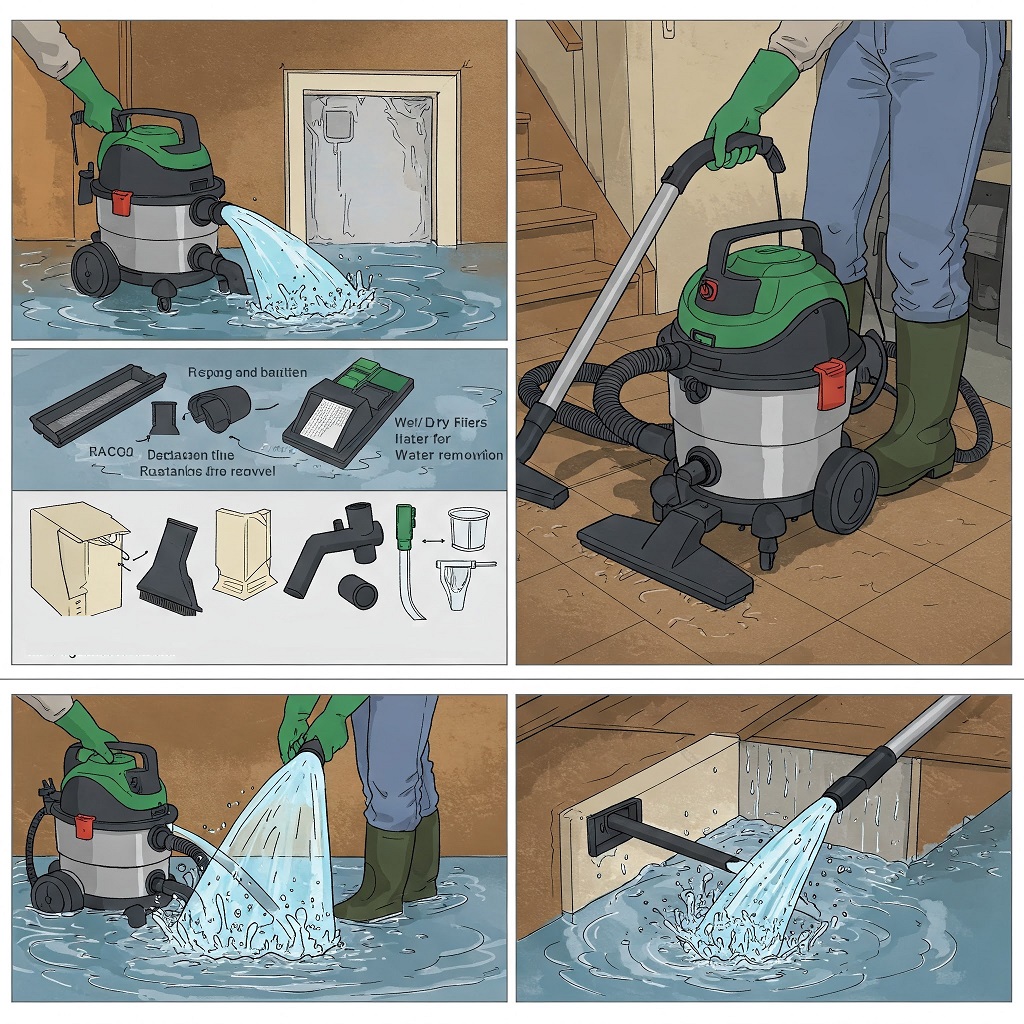
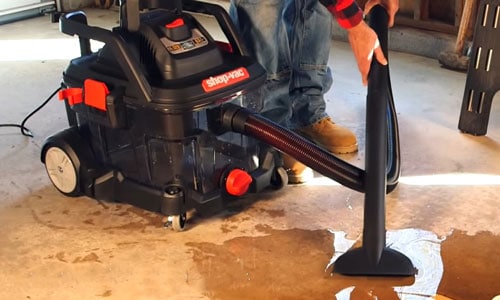
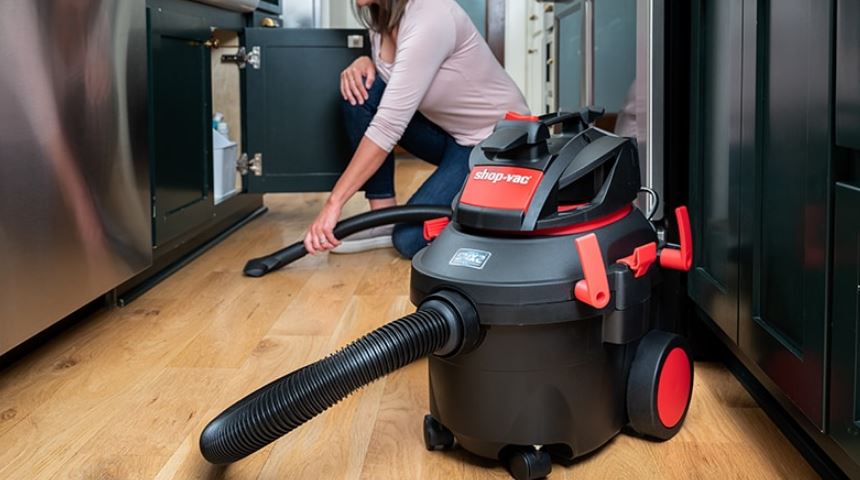
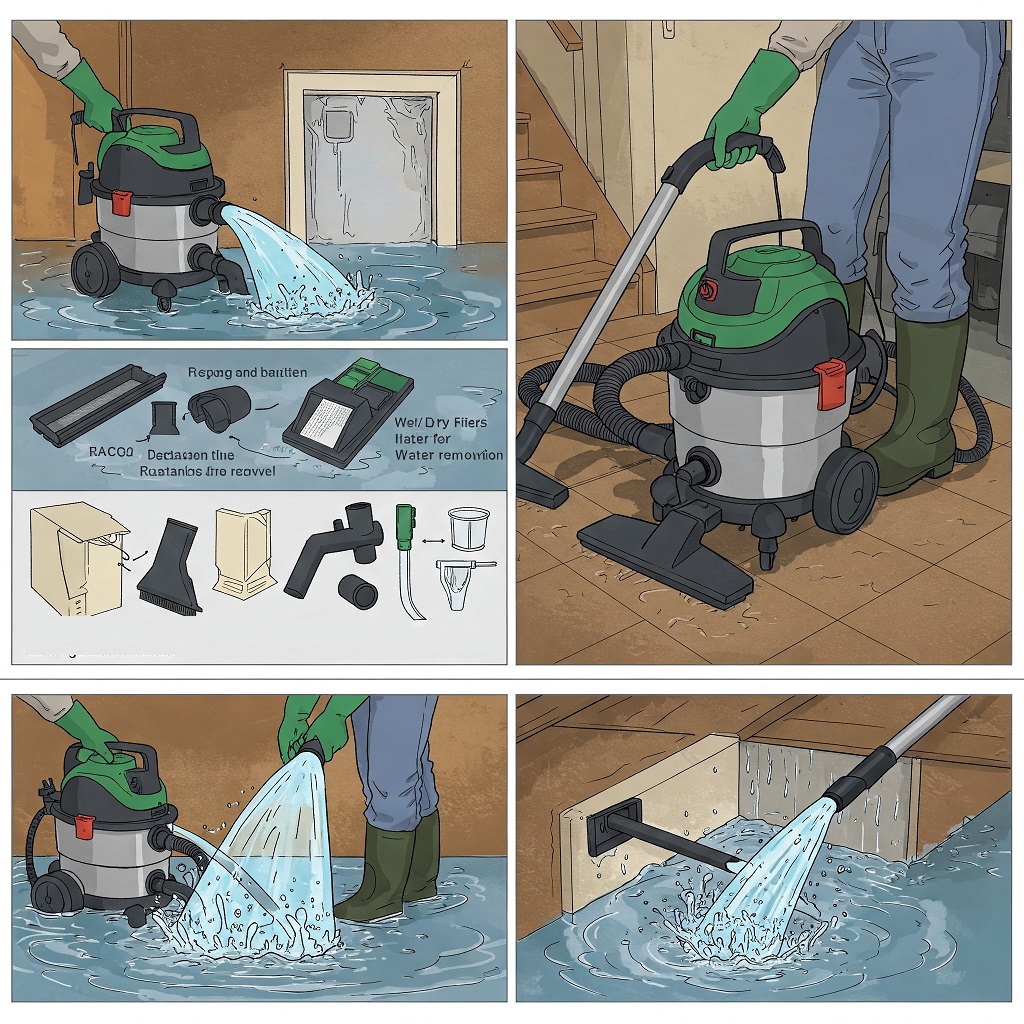
To use a shop vac, check the manual, fit the correct filter, attach the hose and nozzle, and connect the machine to a suitable power outlet. Turn it on and clean the area with slow, steady passes. Before picking up water, make sure the vacuum is rated for wet pickup and has the right filter installed.
In American homes, a shop vac is a handy tool for cleaning garages, basements, workshops, and job sites. It can collect wood chips, dirt, spilled water, and other messes that may be too much for a regular household vacuum. Many wet-dry vacuums also come with tools for cleaning car interiors, workbenches, and hard floors.
The key to using a shop vac well is knowing what you want to clean before you switch it on. Dry dust and wet spills may call for different filters and setup steps. Using the wrong filter can reduce suction, spread dust into the air, or damage parts of the machine.
This guide explains how to set up a shop vac, choose the right filter, clean dry debris, pick up water, and care for the machine after use. It also covers common problems and safety limits, so you can work with less mess and avoid preventable mistakes.
Source: worthview.com
What Is a Shop Vac and What Can It Clean?
A shop vac is a vacuum built to collect a wide range of workshop and household debris. Many models are wet-dry vacuums, which means they can collect both dry material and certain liquids when set up for the task. Their larger tanks and sturdy hoses make them useful for jobs that can quickly fill or clog an ordinary home vacuum.
A typical shop vac has a motor, collection tank, hose, filter, and one or more cleaning attachments. The motor draws air through the hose, carrying dirt into the tank. The filter helps keep particles from escaping through the exhaust, while the tank holds the collected material until you empty it.
The machine is useful, but it is not made for every kind of mess. The label wet-dry does not mean that a vacuum can safely collect every liquid or every kind of dust. Always check the manual and any warnings on the machine before using it.
Source: suggesthow.com
Garage and workshop floors
Collect ordinary dirt, wood chips, small pieces of debris, and compatible dry dust using the correct filter and nozzle.
Car interiors
Use a suitable brush or crevice tool to clean floor mats, seat gaps, cargo areas, and other accessible spaces.
Small water spills
Use a wet-dry model that is approved for liquid pickup and follow its filter and tank instructions.
Home improvement cleanup
Collect suitable debris after repairs, but use specialized dust collection when the work creates hazardous or very fine dust.
Shop Vac vs. a Regular Household Vacuum
A household vacuum is often better for routine carpet cleaning because its head, brush roll, and filtration are designed for that work. A shop vac is usually better for bulky debris, garage messes, and approved liquid pickup. Its open hose and larger tank can make cleanup easier, but some models filter fine particles less effectively than a vacuum built for indoor dust control.
Choose the tool for the material, not just the size of the mess. A large shop vac without the right filter may release fine dust back into the room.
Best for heavy cleanup
A shop vac can handle many kinds of rough debris and certain wet messes.
Best for fine indoor dust
Use a suitable high-efficiency filtration system or a vacuum designed for the specific dust hazard.
What You Need Before Using a Shop Vac
Before you start, gather the right attachments and check the vacuum. A few minutes of setup can prevent a blocked hose, poor suction, or damage to the motor. Work in a clear area with enough room to move the tank and hose without tripping over the power cord.
Place the vacuum on a firm, level surface. Inspect the power cord, plug, hose, tank, lid, and latches for visible damage. Do not use a machine with a damaged cord, cracked tank, loose electrical parts, or signs of water entering areas that should remain dry.
Use an outlet and extension cord only as permitted by the manual. If an extension cord is allowed, it must have the correct rating and be suitable for the working conditions. Keep electrical connections away from water, and do not handle the plug with wet hands.
Source: pickasaw.com
Shop vac and manual
Confirm the model supports the job you plan to do, including any wet pickup or dust collection requirements.
Hose and attachments
Choose a nozzle that fits the surface and material. Check that the hose is not split, crushed, or blocked.
Correct filter
Use a filter or collection bag approved for the vacuum and the debris being collected.
Personal protective equipment
Wear eye protection when debris could fly, hearing protection when noise calls for it, and suitable respiratory protection when required by the task.
Choose the Right Shop Vac Attachment
The attachment affects how easily the vacuum collects debris. A wide floor nozzle covers open areas, while a crevice tool reaches narrow gaps. A brush attachment can help lift loose dirt from suitable surfaces, and extension wands let you reach under benches or into corners without bending as far.
A wide hose is often useful for larger debris, but the hose must still fit the machine and accessory. Do not force oversized objects into a narrow hose. Sharp pieces can puncture it, and bulky debris may block airflow.
Floor nozzle
Use it on suitable hard floors and open areas.
Crevice tool
Use it for narrow spaces, corners, and gaps in car interiors.
Brush nozzle
Use it on surfaces that can tolerate brushing.
Extension wand
Use it to reach distant or low areas without pulling the machine by its hose.
How to Set Up a Shop Vac Step by Step
Set up your shop vac with the machine unplugged. The most important steps are checking the tank, installing the correct filter, securing the lid, and attaching the hose. Never remove the motor head or change a filter while the machine is running or connected to power.
Source: manuals.plus
Step 1: Unplug and inspect
Place the vacuum on a stable surface and disconnect the plug. Check the tank for old debris, moisture, or damage before loading it with new material.
Step 2: Choose the correct filter
For dry debris, fit the approved dry-use filter. For wet pickup, follow the manual to remove dry-only filters and install the required wet-use setup.
Step 3: Secure the motor head
Seat the lid correctly and close every latch. A poorly fitted lid can cause air leaks and reduce suction.
Step 4: Connect the hose
Insert the hose into the correct inlet and lock it in place if the design uses a locking fitting. Attach the needed nozzle or extension wand.
Step 5: Check the work area
Remove large objects that could block the hose. Keep cords, loose clothing, and other trip hazards away from the cleaning path.
Step 6: Plug in and test
With all parts secured, connect the vacuum to a suitable outlet. Turn it on and listen for unusual sounds. Check that suction is present before starting the main cleanup.
How to Check the Filter Before Use
A filter must fit properly and be in good condition. Look for tears, holes, heavy buildup, or a loose seal. A damaged or incorrectly fitted filter can let dust escape through the exhaust and may expose the motor to debris.
Do not assume that one filter works for every task. Some cartridge filters support both dry pickup and limited liquid pickup, while other models require a separate wet-use sleeve. The manual for your exact model takes priority over general advice.
Dry debris
Use the approved dry filter and a compatible collection bag when needed.
Fine dust
Use filtration rated for the dust and task. Ordinary shop-vac filtration may not be enough for hazardous particles.
Liquid pickup
Install the specified wet filter or sleeve and remove any dry-only bag or filter as directed.
How to Use a Shop Vac for Dry Debris
For ordinary dry debris, install the correct dry filter, secure the lid, and choose a nozzle that matches the surface. Start with the vacuum near the edge of the work area, then move the nozzle slowly across the debris. Steady passes give the airflow time to pull material into the hose.
Work from the edges toward the center of the mess. For larger areas, divide the floor into smaller sections and move loose debris into the path of the nozzle. Avoid pushing piles of material into the hose all at once, especially if the pieces are large or tangled.
Keep an eye on suction as you work. If airflow drops, turn the vacuum off and unplug it before checking the hose, filter, and tank. A full tank, clogged filter, or blocked hose can all reduce pickup.
Source: trustedshop.in
Move at a steady pace
Slow passes usually collect more debris than quickly waving the nozzle over the floor.
Watch the tank level
Stop and empty the tank before debris reaches the maximum fill level stated in the manual.
Keep the filter clean
Fine material can clog a filter quickly. Clean or replace it using the method stated by the manufacturer.
Control dust
Use appropriate filtration and dust controls rather than allowing fine particles to escape into the room.
How to Vacuum Sawdust and Drywall Dust
Sawdust and drywall dust can clog filters faster than larger debris. Use a compatible high-efficiency filter or collection bag where the vacuum manufacturer allows it. Empty the tank and maintain the filter as needed to keep airflow from falling.
Drywall work can create very fine airborne particles. Dust from concrete, mortar, brick, stone, and similar materials may contain respirable crystalline silica, which can cause serious lung disease. A standard shop vac is not automatically suitable for these tasks. Use the dust-control system, filtration, and work practices required for the material and operation.
Do not vacuum hazardous dust casually
Identify the material first and use an approved dust collection system when the work requires one.
Avoid blowing dust around
Compressed air and blower functions can spread hazardous particles into the air. Use a suitable containment or collection method instead.
Seal collected waste
Follow the applicable disposal instructions, especially for fine or hazardous dust.
How to Clean a Garage or Car With a Shop Vac
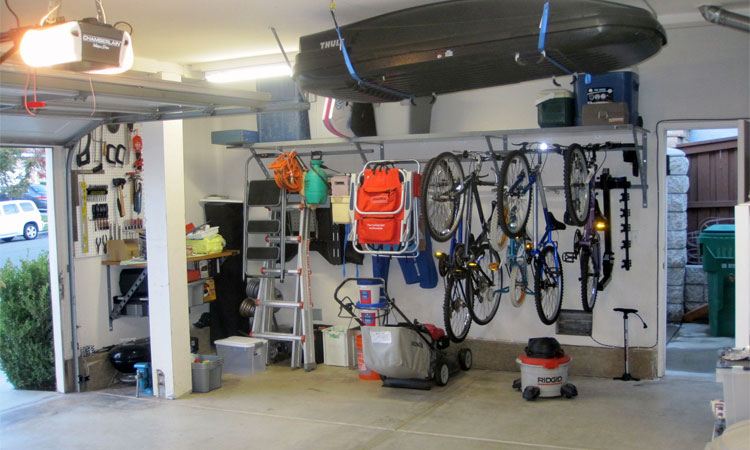
For a garage, start by removing large items that could clog the hose. Vacuum the corners, edges, and spaces beneath workbenches before moving across the open floor. Use a crevice tool around shelves and a suitable floor nozzle for the main area.
For a car, remove floor mats and vacuum them separately if the material allows it. Use a crevice tool around seat rails and between cushions. Keep the nozzle away from delicate electronic parts, exposed wiring, and loose trim.
Start high and finish low
When cleaning a workshop, collect debris from suitable shelves and benches before finishing the floor.
Use gentle contact
Avoid scraping painted surfaces, soft trim, or delicate upholstery with a hard nozzle.
How to Use a Shop Vac to Pick Up Water
You can use a wet-dry shop vac to collect certain water spills if the model is designed for wet pickup. Before starting, unplug the machine and empty any dry debris from the tank. Remove dry-only filters and collection bags, then install the wet-use filter or foam sleeve specified in the manual.
Place the vacuum on a stable surface away from standing water that could reach electrical connections. Attach the hose and a suitable wet pickup nozzle. Plug the machine into a suitable outlet only when your hands and the plug are dry and the electrical setup is safe for the conditions.
Move the nozzle across the spill in slow passes. Watch the tank and stop when the float shutoff activates, suction drops sharply, or the manual’s liquid capacity is reached. Do not assume that the vacuum can hold the same volume of water as its advertised tank size; usable liquid capacity may be lower.
Source: bestvacuumcleaner.us
Step 1: Confirm wet pickup support
Check the model’s manual and warning labels before collecting liquid.
Step 2: Prepare the tank
Remove dry debris and any filter or bag that is not approved for wet use.
Step 3: Install the wet filter
Fit the required foam sleeve or other approved filter securely.
Step 4: Collect the water
Use a suitable nozzle and move it steadily across the spill without immersing the motor head.
Step 5: Stop before overfilling
Switch off the machine if the float activates, suction stops, or the tank reaches its specified limit.
Step 6: Empty and dry
Unplug the vacuum, empty the tank safely, rinse it if permitted, and let the wet components dry as directed.
Important Safety Rules for Wet Pickup
Never use a wet-dry vacuum to collect gasoline, solvents, flammable liquids, or other hazardous chemicals unless the equipment is specifically designed and approved for that purpose. Ordinary shop vacs can create ignition risks and may not be compatible with dangerous liquids.
Do not use a shop vac to collect water near exposed live wiring, flooded electrical outlets, or electrical equipment that may be energized. Stay away from a flooded basement if electrical hazards are possible. Contact a qualified electrician or emergency service when the situation is unsafe.
If a spill may contain sewage, biological waste, or hazardous chemicals, do not treat it like clean water. Follow the appropriate cleanup procedure and use suitable protective equipment or a qualified remediation service.
Stop if mist appears
Mist or liquid at the exhaust can indicate a saturated filter or an unsuitable setup. Switch off, unplug, and inspect the machine according to its manual.
Never ignore the float shutoff
A float mechanism may stop suction as the tank fills. Do not bypass it or keep running the machine in an attempt to collect more water.
Keep electrical parts dry
Do not immerse the motor head or expose plugs and connections to water.
Can You Switch From Wet Pickup to Dry Pickup?
Yes, if the manufacturer permits it, but the tank and filter must be prepared first. Unplug the vacuum, empty the liquid, and clean the tank. Remove and clean the wet-use components as directed, then allow them to dry fully before installing a dry-use filter.
A damp cartridge filter can clog quickly when it collects dry dust. It may also reduce suction and make cleaning harder. Never install a wet filter for dry pickup unless the manual explicitly allows that use.
Empty the tank
Remove all liquid and loose wet debris.
Clean and dry components
Follow the manufacturer’s care instructions and allow the filter to dry fully when required.
Recheck the setup
Fit the correct dry filter and confirm that the lid and latches are secure before restarting.
Common Shop Vac Problems and How to Fix Them
If a shop vac stops picking up dirt, do not assume the motor has failed. A full tank, clogged filter, blocked hose, loose lid, or poorly fitted accessory may be the cause. Turn the machine off and unplug it before inspecting any parts.
Check the simplest causes first. Empty the tank if needed, examine the hose for blockages, and inspect the filter for heavy buildup or damage. Make sure the lid is seated and the hose connections are secure. If the vacuum still performs poorly, consult the troubleshooting section of the manual.
Source: worthview.com
Weak suction
Possible causes include a full tank, clogged filter, blocked hose, leaking connection, or loose lid. Unplug the vacuum and check each item in turn.
Dust escaping from the exhaust
The filter may be missing, damaged, incorrectly installed, or unsuitable for the material. Stop use until the correct filtration setup is restored.
Unusual noise
A blocked hose, loose part, or debris near the motor may cause abnormal sounds. Turn off the vacuum and inspect only the parts the manual identifies as user-serviceable.
Motor stops during wet pickup
A float shutoff may have activated, the tank may be full, or a safety feature may have interrupted operation. Disconnect power and check the manual before restarting.
Liquid mist or dripping
A saturated filter or an incorrect wet pickup setup may be responsible. Stop the machine, unplug it, and correct the setup before further use.
What to Do When the Shop Vac Will Not Turn On
First, confirm that the switch is in the off position and that the plug and outlet are in good condition. If it is safe to do so, check the outlet with another suitable device or use a known working outlet that matches the vacuum’s electrical requirements. Do not test a damaged plug or exposed wiring.
If the vacuum still does not run, check the manual for any reset procedure or user-serviceable safety feature. Never open the motor housing or bypass a switch to force the machine to run. Contact a qualified repair service if the cord, switch, motor, or internal wiring may be damaged.
Avoid unsafe electrical tests
Do not touch damaged wiring or attempt repairs while the vacuum is connected to power.
Stop if the motor smells burnt
Disconnect power if safe and do not restart the machine until it has been inspected.
Frequently Asked Questions
Q
Can you use a shop vac without a filter?
For ordinary dry pickup, no. A suitable dry-use filter is needed to keep dust from escaping through the exhaust and to help protect the motor. Some wet pickup setups require a different filter or sleeve, while a few models have specific exceptions. Follow the instructions for your exact vacuum rather than removing the filter without checking.
Q
Do you need to remove the filter to vacuum water?
It depends on the model. Many wet-dry vacuums require you to remove dry-only collection bags and filters and install a foam sleeve or another approved wet filter. Some models allow a particular cartridge filter for limited liquid pickup. Check the manual before collecting water.
Q
Can a shop vac pick up drywall dust?
A shop vac may collect some drywall dust when equipped with a compatible high-efficiency filter or collection bag. However, drywall work can create fine airborne dust, and concrete or masonry work may create respirable crystalline silica. For hazardous dust or work governed by occupational rules, use the required dust collection system and controls rather than relying on an ordinary shop vac.
Q
How often should you empty a shop vac?
Empty the tank when it reaches the fill limit stated in the manual or sooner if suction begins to fall. Fine dust may fill the filter quickly even when the tank is not full. During wet pickup, stop when the float activates or the machine’s liquid limit is reached.
Q
Can you use a shop vac to clean a car?
Yes. A shop vac can clean car mats, floor areas, seat gaps, and cargo spaces. Use a suitable nozzle and gentle contact around delicate trim and wiring. For fine dust inside the cabin, choose filtration that prevents the particles from being blown back into the air.
Q
Can you use a shop vac as a blower?
Some shop vacs have a blower port that lets you connect the hose to the exhaust. Use this feature only if the manual approves it, and secure the hose before switching on the machine. Wear eye protection and keep people away from flying debris. Do not use a blower to scatter hazardous dust or clean dust from clothing.
Q
Why does my shop vac lose suction?
A clogged filter, blocked hose, full tank, loose lid, or leaking connection can reduce suction. Turn off and unplug the machine before checking these parts. Clean or replace the filter as directed and remove any blockage that can be safely reached. If suction remains weak, consult the manual or a qualified repair service.
✦ Wrapping Up
Conclusion
Learning how to use a shop vac starts with three basic tasks: choosing the correct filter, securing the hose and lid, and matching the machine to the material you need to clean. Once the setup is right, slow and steady passes can help you collect garage debris, workshop dust, and approved liquid spills with less effort.
Safety matters just as much as suction. Keep electrical connections away from water, unplug the vacuum before maintenance, and never assume that a wet-dry model can handle hazardous dust or flammable liquids. The manufacturer’s manual is the best source for model-specific limits, filter choices, and maintenance steps.
After each job, empty the tank, clean the parts as directed, inspect the hose and filter, and let wet components dry fully when required. A clean, well-maintained vacuum is easier to use and more likely to perform as intended on the next cleanup.
💡 Key Takeaway
Before your next cleanup, unplug the shop vac, inspect the hose and tank, install the filter suited to the task, and confirm that the work area is safe. Then test suction briefly and begin cleaning with slow, controlled passes.
Sarah believes that a messy garage is a wasted room. After years of working in professional home staging and interior design, she shifted her focus to the most neglected part of the house: the garage. She focuses on vertical storage, aesthetic floor coatings, and converting dusty corners into functional workspaces. Sarah’s goal is to help you "unlock" every square inch of your garage.
Sarah believes that a messy garage is a wasted room. After years of working in professional home staging and interior design, she shifted her focus to the most neglected part of the house: the garage. She focuses on vertical storage, aesthetic floor coatings, and converting dusty corners into functional workspaces. Sarah’s goal is to help you "unlock" every square inch of your garage.