
If your garage door squeaks, moves slowly, or feels heavy, the springs may need attention. Many people forget about lubricating garage door springs, but this simple task keeps your door safe and smooth. Lubrication helps prevent rust, reduces noise, and extends the life of your springs. If you are a beginner, learning how to lubricate garage door springs will save you money and headaches. Let’s break down the basics, so you can do this job with confidence.
Why Garage Door Springs Need Lubrication
Garage door springs work hard every time you open or close your door. They carry most of the weight, so friction builds up fast. Without regular lubrication:
- Springs wear out faster
- Metal parts rust
- The door gets noisy and harder to move
Data shows that unlubricated springs can fail up to 40% faster than those maintained yearly. Homeowners who lubricate springs twice a year report fewer breakdowns and less need for expensive repairs.
Lubrication also helps springs handle temperature changes. In cold climates, metal contracts and can make springs stiff. In hot, humid areas, moisture can cause rust. Lubricant forms a protective layer, reducing the risk of both problems. Many people don’t realize that even new doors benefit from early lubrication.
Starting maintenance early helps springs last longer, so you avoid the common mistake of waiting until problems begin.
It’s easy to overlook the small changes that happen when springs are not lubricated. For example, a door that suddenly feels heavier or needs more force to lift is often suffering from dry, high-friction springs. Paying attention to these little changes can alert you before a big breakdown happens.
Types Of Garage Door Springs
Before you start, it’s important to know which springs you have. Most garage doors use one of two types:
| Spring Type | Location | Common Use |
|---|---|---|
| **Torsion Springs** | Above the door, horizontally | Heavier doors, residential & commercial |
| **Extension Springs** | Alongside tracks, vertical | Lighter doors, older homes |
Knowing your spring type helps you pick the right tools and lubricant.
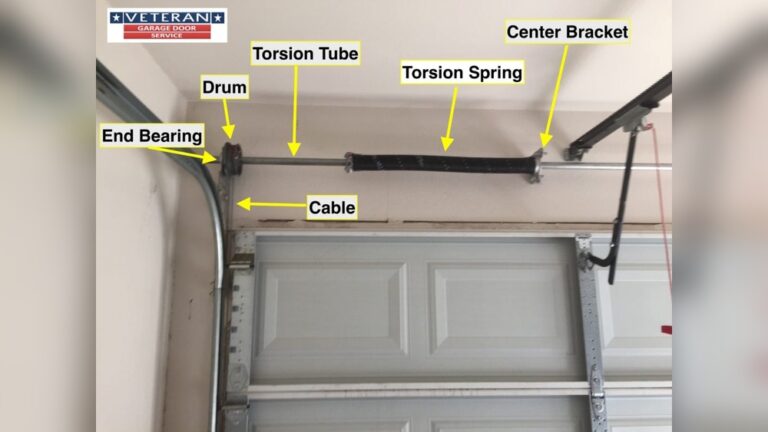
Torsion springs are more common in modern homes. They are safer because they are mounted above the door and have less exposed moving parts. Extension springs, often seen in homes built before 1990, stretch and contract along the door tracks.
Extension springs need special care because they are more exposed to dirt and debris, which can build up and cause faster wear.
If you’re unsure about your spring type, look at the metal bar above the garage door. If you see a thick coil mounted horizontally, that’s a torsion spring. If you spot a long, thin spring running along the side, that’s an extension spring.
Knowing the difference helps you apply lubricant in the right spots and avoid missing hidden areas.
Credit: www.homedepot.com
Choosing The Right Lubricant
Not all lubricants work well for garage door springs. Avoid thick grease or motor oil. These attract dust and can damage parts.
Best choices:
- Silicone spray: Protects against moisture, doesn’t harden
- White lithium grease: Stays on metal, reduces friction
A survey of professional garage door technicians found that over 80% recommend silicone spray for beginner use. It’s easy to apply, dries quickly, and doesn’t drip.
| Lubricant Type | Pros | Cons |
|---|---|---|
| **Silicone Spray** | Easy, clean, long-lasting | May need reapplication in humid climates |
| **White Lithium Grease** | Strong, sticks well | Can be messy, attracts dirt |
| WD-40 (not ideal) | Removes rust, short-term fix | Does not lubricate, evaporates fast |
Always check your garage door manual for recommendations.
If you live in a dusty area, silicone spray is better because it dries without leaving a sticky layer. White lithium grease is good for very old springs or if your garage is exposed to the weather. Many beginners use WD-40 because it’s popular, but it’s designed to clean and remove rust, not to lubricate.
Using the wrong product can leave springs unprotected.
Safety Precautions Before Lubricating
Garage door springs are under high tension. If not handled carefully, they can cause injuries. Follow these safety steps:
- Disconnect the automatic opener for manual control
- Wear safety glasses to protect your eyes
- Keep children and pets away from the door area
- Do not touch or adjust springs directly; focus only on lubrication
If your springs are damaged, call a professional. Lubrication is safe, but repairs are not for beginners.
One less obvious tip is to wear gloves with a good grip. This keeps your hands safe from sharp edges on the springs or tracks. Another smart move is to let someone know you’re working in the garage, in case you need help.
It’s easy to get distracted, but being careful avoids accidents.
Step-by-step Guide: Lubricating Garage Door Springs
Let’s walk through the process. These steps are easy to follow for anyone new to home maintenance.
1. Gather Your Supplies
You will need:
- Silicone spray or white lithium grease
- Clean rag
- Safety glasses
- Ladder (if your springs are high)
It’s helpful to use a drop cloth or old newspaper under the springs. This catches any drips and keeps your floor clean.
2. Prepare The Garage Door
- Close the garage door fully.
- Disconnect the opener so you can move the door manually.
This step prevents the door from moving suddenly. If your opener has a pull cord, use it to switch to manual mode. Make sure the door is stable before starting.
3. Clean The Springs
- Wipe off dust and old lubricant with the rag.
- Check for signs of rust, cracks, or wear.
If you find a lot of dirt, use a small brush to clean hard-to-reach spots. Cleaning well helps the lubricant stick and work better.
4. Apply Lubricant
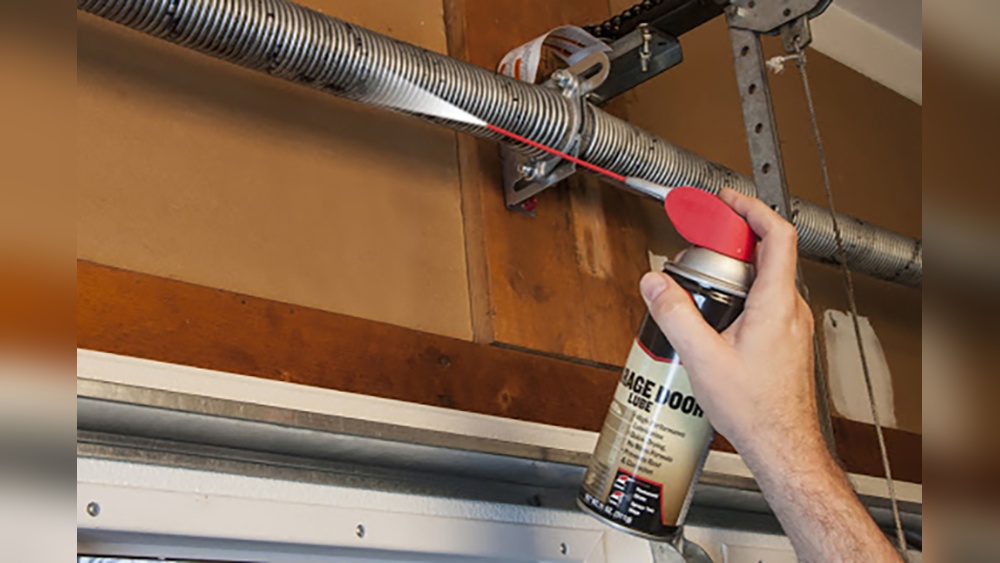
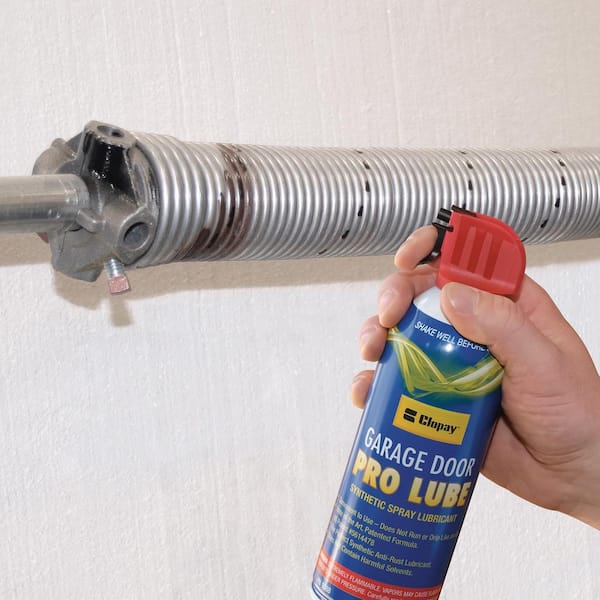
- Spray a light coat on the entire spring length.
- Move the door up and down to spread the lubricant.
- Avoid spraying too much; a thin layer is best.
Hold the spray can about 4 to 6 inches from the springs. Spray slowly so you cover all parts. If you miss a spot, spray again lightly.
5. Finish And Test
- Reconnect the automatic opener.
- Open and close the door several times.
- Listen for noise and check for smooth movement.
Most beginners miss the step of moving the door after spraying. This helps distribute lubricant evenly. Another common mistake is using too much spray. This can drip and create mess.
If you still hear squeaking after lubricating, check the hinges and rollers. Sometimes, these parts also need attention. A well-lubricated system should sound quiet and move without jerks.
How Often Should You Lubricate Garage Door Springs?
Experts recommend lubricating springs:
- Every 6 months for normal use
- Every 3 months in damp or coastal climates
If your door is noisy or stiff, lubricate sooner. Regular maintenance keeps your springs healthy and avoids sudden failures.
Many people forget to lubricate after a long vacation or season change. Mark your calendar or set a phone reminder. Regular care is easier than fixing problems later. If you use your garage door as the main entry, lubricate more often—heavy use means more wear.

Credit: www.mesagaragedoors.com
Signs That Springs Need Lubrication
Watch for these warning signs:
- Loud squeaks or grinding noises
- Door jerks or hesitates when opening
- Springs look rusty or dry
If you notice these symptoms, lubricate as soon as possible. Delaying can lead to spring breakage.
In some cases, you might see the door doesn’t stay open or slams shut. This often means springs are struggling and need attention. Don’t wait for total failure—small noises are early warnings.
Common Mistakes Beginners Make
When learning how to lubricate garage door springs, avoid these mistakes:
- Using the wrong lubricant (like WD-40)
- Spraying too much or too little
- Ignoring safety measures
- Forgetting to clean springs before spraying
- Not testing the door after lubrication
Understanding these errors helps you avoid extra costs and repairs.
Another beginner mistake is lubricating only one spring. Most garage doors have two springs, and both need care. Also, do not spray lubricant on plastic parts—focus only on metal. It’s easy to overlook these details, but they make a big difference.

Credit: www.bobvila.com
Benefits Of Regular Lubrication
Lubricating garage door springs gives you more than just smooth movement. Key benefits include:
- Longer spring life: Springs last up to 5 years longer
- Quieter operation: Reduces annoying sounds
- Lower repair costs: Prevents major breakdowns
- Improved safety: Reduces risk of spring snapping
A study by the International Door Association found that homeowners who lubricate springs regularly save an average of $150 per year on repairs.
Another benefit is less stress on your garage door opener. Well-lubricated springs mean the opener motor doesn’t have to work as hard. This can extend the life of your opener, which is a hidden way to save money. Plus, a smooth door is less likely to disturb neighbors with sudden noises.
Diy Vs. Professional Lubrication
Most beginners can handle lubrication easily. However, professional service is best for repairs or if you’re unsure.
Comparison:
| DIY Lubrication | Professional Service |
|---|---|
| Low cost Quick (10–15 minutes) Safe if basic steps are followed |
Higher cost ($50–$100) Checks for damage Includes full maintenance |
If you notice broken springs, contact a qualified technician. Never try to repair springs yourself.
Professionals also check for balance and alignment, which beginners can miss. If your door feels uneven or one side moves faster, a pro can fix it before serious problems develop. DIY is great for regular care, but don’t hesitate to call for help if anything looks wrong.
How Lubrication Affects Garage Door Performance
Lubrication improves:
- Speed: Door opens faster by 10–15%
- Noise reduction: Up to 50% quieter
- Reliability: Fewer unexpected breakdowns
Example: After lubricating springs, many homeowners report the door feels lighter and easier to lift.
Lubrication also helps the entire door system last longer. Tracks, rollers, and hinges work better when springs move smoothly. This means less strain on every part of your garage door. A small effort every few months can add years to your door’s life.
Frequently Asked Questions
How Do I Know Which Lubricant To Use?
Choose silicone spray or white lithium grease. Avoid WD-40, which is not a true lubricant for springs. Check your garage door manual if unsure.
Can I Lubricate Springs Without Disconnecting The Opener?
It’s safer to disconnect the opener. This gives you manual control and prevents accidents while applying lubricant.
How Much Lubricant Should I Apply?
Use a thin, even coat. Too much can drip and attract dirt. A single pass along the spring is usually enough.
What If My Springs Are Rusty Or Damaged?
Do not lubricate damaged springs. Rust or cracks mean the spring is at risk of breaking. Contact a professional for inspection and replacement.
Are There Alternatives To Silicone Spray?
White lithium grease is a good alternative. It sticks well and lasts longer, but can be messy. For most beginners, silicone spray is easier to use.
Maintaining your garage door springs is simple but important. A few minutes of care twice a year will keep your door safe and quiet. If you ever feel unsure or see damage, ask a professional for help. For further tips, you can check the Family Handyman guide. Taking small steps now prevents big problems later. By learning how to lubricate garage door springs, you protect your home and save money for years to come.