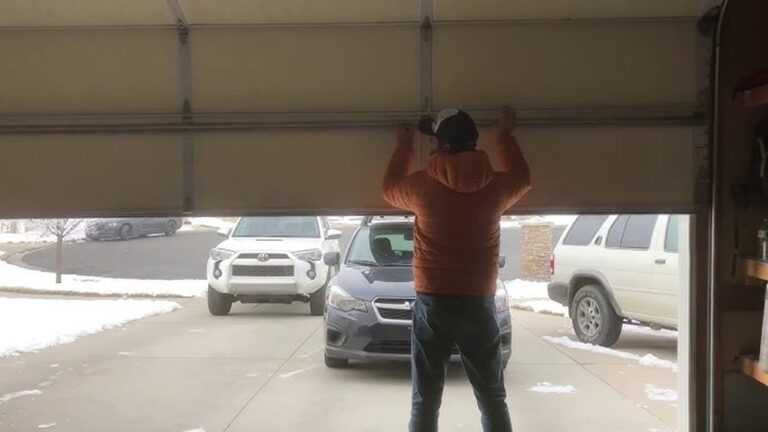

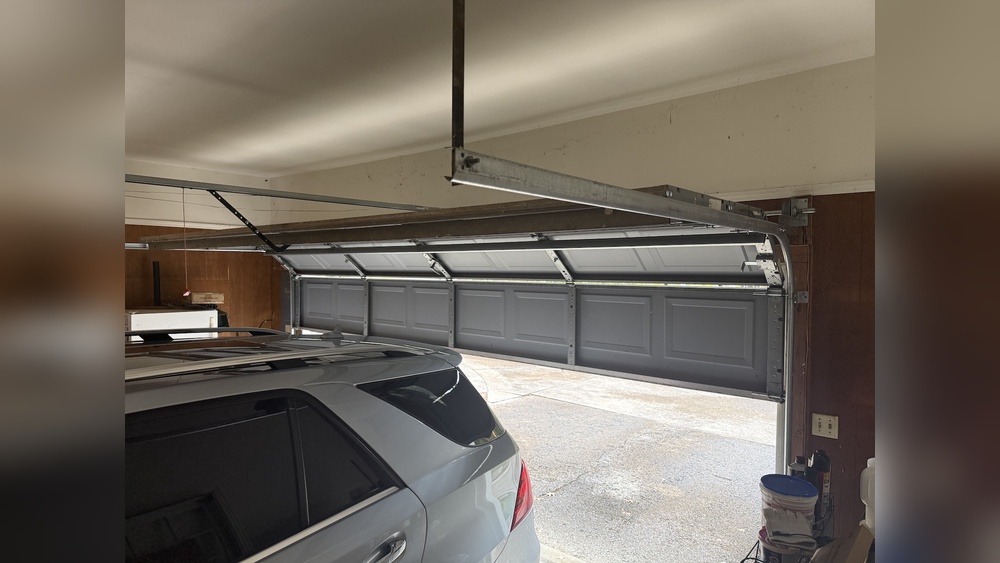
When your garage door stops when opening, it can quickly turn your morning routine into a headache. Many homeowners face this issue, often with little warning. The door might move a few inches, make a grinding sound, or simply freeze in place. Understanding the cause is the first step toward a safe and effective solution.
Garage doors are heavy and rely on several parts working together. Even a small problem can cause the whole system to stall. While some fixes are simple, others may need a professional. This article will walk you through the most common causes, DIY troubleshooting steps, and how to know when it’s time to call an expert.
Common Reasons Your Garage Door Stops When Opening
Knowing why your garage door halts can save you time and money. Here are the top reasons:
1. Obstructed Tracks
Dirt, rocks, or debris can block the tracks. Even a small object can cause the door to stop.
2. Misaligned Tracks
If the tracks are not straight or have gaps, the door cannot move smoothly.
3. Worn Rollers
Rollers let the door glide up and down. When they wear out, they can stick or pop out of the track.
4. Faulty Sensors
Modern garage doors have safety sensors near the floor. If something blocks the sensor, or if they get dirty or misaligned, the door may stop.
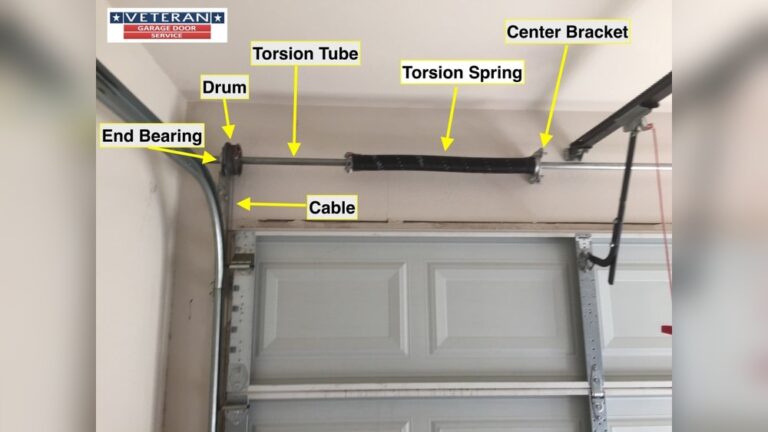
5. Broken Springs
Springs help lift the heavy door. If a spring breaks, the opener will struggle or stop to prevent damage.
6. Opener Force Settings
Garage door openers have force settings. If set too low, the door may stop if it feels a slight resistance.
7. Power Problems
A weak power supply or a faulty motor can make the opener stop mid-way.
8. Remote Control Issues
Weak batteries or interference can cause the door to pause or stop.
Let’s look at these problems in more detail and see how you can check or fix them.
Step-by-step Troubleshooting Guide
Fixing a garage door that stops when opening is often possible with basic tools and some attention to detail.
1. Check For Obstructions
- Look along both tracks for small objects, stones, or debris.
- Clean the tracks with a brush or cloth.
- Try operating the door manually. If it moves smoothly, debris was likely the problem.
2. Inspect Track Alignment
- Stand back and look at the tracks. They should be straight and parallel.
- Gaps or bends mean the tracks need adjustment.
- Use a level to check alignment.
- If tracks are loose, tighten the mounting brackets.
- Avoid using force—too much pressure can bend the tracks further.
3. Examine Rollers
- Watch the rollers as the door moves.
- Rollers should spin and slide easily.
- If they stick, apply a silicone-based lubricant.
- Broken or chipped rollers must be replaced.
- Metal rollers last about 10,000 cycles; nylon rollers last up to 20,000 cycles.
4. Test The Safety Sensors
- Locate the sensors about 6 inches above the floor, on both sides of the door.
- Make sure they face each other directly.
- Clean the sensor lenses with a soft cloth.
- The small indicator lights should be solid (not blinking).
- If the light blinks, adjust the sensors until the light is steady.
5. Look For Broken Springs
- Springs are usually above the door or along the sides.
- A broken spring often makes a loud bang.
- If the spring is split or stretched, do not try to fix it yourself—call a professional.
- A garage door spring lasts about 7–9 years (based on 10,000 cycles).
6. Adjust Opener Force Settings
- Find the force adjustment knob on the opener unit.
- Turn it slightly higher and test the door.
- Increase force in small steps to avoid stressing the system.
7. Check Power Supply
- Make sure the opener is plugged in.
- Test the outlet with another device.
- If the opener hums but does not move, the motor may need service.
8. Try The Remote And Wall Switch
- Change remote batteries.
- Try the wall switch. If it works, the remote may be faulty.
Credit: www.precisiondoor.net
When To Call A Professional
Some garage door problems are unsafe to fix without training. Call an expert if:
- The spring is broken or stretched.
- The door is off its track or crooked.
- You hear grinding, popping, or loud bangs.
- The door is very heavy to lift by hand.
- The problem comes back after a DIY fix.
Professional repair costs range from $80 to $350, depending on the problem. Regular maintenance can prevent most breakdowns.
Real-world Example
Consider this scenario: Lisa noticed her garage door stopped halfway every morning. She checked the tracks and found a small stone blocking the path. After removing the stone, the door worked perfectly. Two months later, the problem returned. This time, Lisa found a misaligned sensor caused by her dog bumping the bracket. Fixing the alignment solved the issue.
Lesson: Problems can return if not fully fixed. Always check more than one part.
Data: Most Common Garage Door Problems
Below is a comparison of how often each issue causes a door to stop:
| Problem | % of Cases | DIY Fixable? |
|---|---|---|
| Obstructed Tracks | 30% | Yes |
| Misaligned Tracks | 20% | Yes |
| Broken Springs | 18% | No |
| Sensor Issues | 15% | Yes |
| Opener Problems | 10% | Sometimes |
| Other | 7% | Varies |
Insight: Most issues can be fixed by the homeowner, but about 1 in 5 need expert help.
Practical Tips For Preventing Garage Door Stops
Prevention is better than repair. Here’s how to avoid common problems:
- Clean tracks every month.
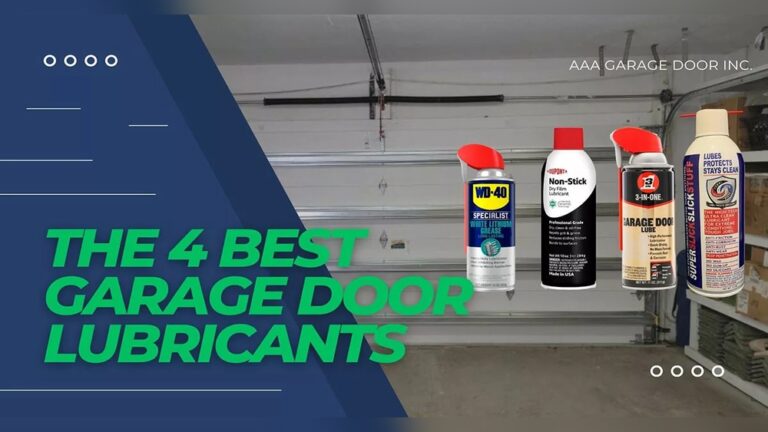
- Lubricate rollers and hinges twice a year.
- Test the safety sensors regularly.
- Watch and listen for changes in the door’s movement or sound.
- Schedule a professional inspection once a year.
Comparing Garage Door Opener Types
The type of opener can affect how often your garage door stops:
| Opener Type | Noise Level | Common Problems | Best For |
|---|---|---|---|
| Chain Drive | High | Chain wear, noise | Detached garages |
| Belt Drive | Low | Belt stretch | Attached garages |
| Screw Drive | Medium | Thread wear | Warm climates |
| Direct Drive | Very Low | Motor wear | Quiet operation |
Tip: Belt and direct drive openers are less likely to stop due to worn parts, but cost more.
How To Test Your Garage Door Balance
A door that is out of balance can stop or reverse. Here’s how to check:
- Disconnect the opener by pulling the release handle.
- Raise the door halfway by hand.
- Let go. The door should stay in place.
- If it moves up or down, the springs may need adjusting.
A balanced door is easier for the opener to lift and less likely to stop mid-way.

Credit: www.reddit.com
Important Safety Reminders
Garage doors are heavy—some weigh over 200 pounds. Never:
- Try to fix or replace springs yourself.
- Stand under a door that is stuck or unstable.
- Ignore grinding, popping, or shaking.
Many accidents happen during DIY repairs. When in doubt, get help.
Two Insights Most Beginners Miss
1. Sensor Alignment Is Critical
Many homeowners focus only on the tracks or springs. But sensor misalignment is a top reason modern doors stop. Even small bumps or dirt can cause problems. Check sensors first if your door stops.
2. Seasonal Temperature Changes Matter
Cold weather can stiffen lubricants and cause metal to contract, leading to extra resistance. Adjusting opener force settings in winter can prevent stops. In summer, check for expansion that might misalign tracks.
Cost Comparison: Diy Vs Professional Garage Door Repair
Repair costs can add up. Here’s a quick comparison:
| Repair Type | DIY Cost | Pro Cost | Risk Level |
|---|---|---|---|
| Track Cleaning/Alignment | $0–$20 | $80–$150 | Low |
| Roller Replacement | $20–$50 | $100–$200 | Medium |
| Sensor Adjustment | $0 | $80–$120 | Low |
| Spring Replacement | Not Safe | $150–$350 | High |
You can see why basic maintenance is worth the effort.
How Often Should You Service Your Garage Door?
Most experts suggest:
- Visual inspection: Every month
- Lubrication: Every six months
- Professional service: Every year
Regular care extends the life of your door and opener.
Credit: inlandoverheaddoor.com
One Useful Resource
For more in-depth information on garage door types and safety, visit the CDC’s garage door safety page.
Frequently Asked Questions
Why Does My Garage Door Stop And Reverse?
This often means the safety sensors are blocked, dirty, or misaligned. It can also happen if the door feels too much resistance, like from a misaligned track or worn rollers.
Can I Fix A Garage Door Spring Myself?
No. Garage door springs are under high tension and can cause serious injury. Always call a professional for spring repairs.
How Do I Know If My Garage Door Opener Is Bad?
If the door only moves a few inches, makes unusual noises, or stops and starts, the opener motor or electronics may be failing. Test with the wall switch and remote. If both fail, call a technician.
What Should I Do If My Garage Door Is Crooked?
Stop using the door and check for a broken cable or roller. A crooked door can fall or cause more damage. Get professional help right away.
How Long Does A Typical Garage Door Last?
A well-maintained garage door lasts 15–30 years. Rollers, springs, and openers need replacement sooner—usually every 7–10 years.
If your garage door stops when opening, stay calm. Most issues are easy to spot and fix with simple checks and regular maintenance. When in doubt, don’t risk safety—call a professional. Regular care keeps your door reliable, safe, and ready for daily use.