
Epoxy Garage Floor Cost: A Beginner’s Guide
Thinking about upgrading your garage floor? Many homeowners choose epoxy flooring for its durability, clean look, and resistance to stains. But the first question most people ask is: How much does an epoxy garage floor cost? If you’re new to this topic, you’ll find answers below—explained in clear, simple English, with practical examples and real numbers.
What Is Epoxy Garage Flooring?
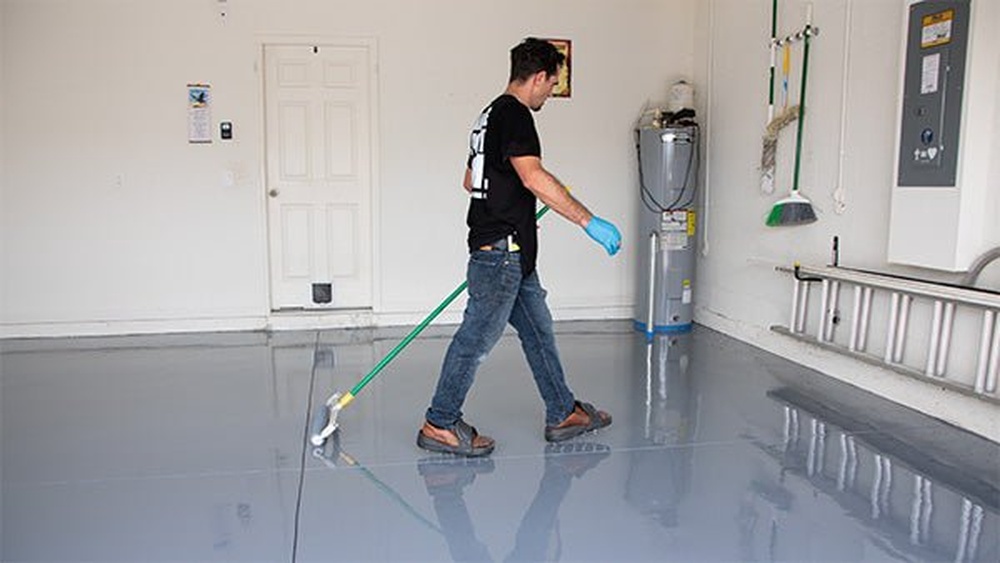
Epoxy garage flooring is a coating system made from resin and hardener. When mixed, they create a tough, shiny surface that sticks to concrete. This makes your garage floor:
- Stronger against impacts and chemicals
- Easier to clean
- More attractive
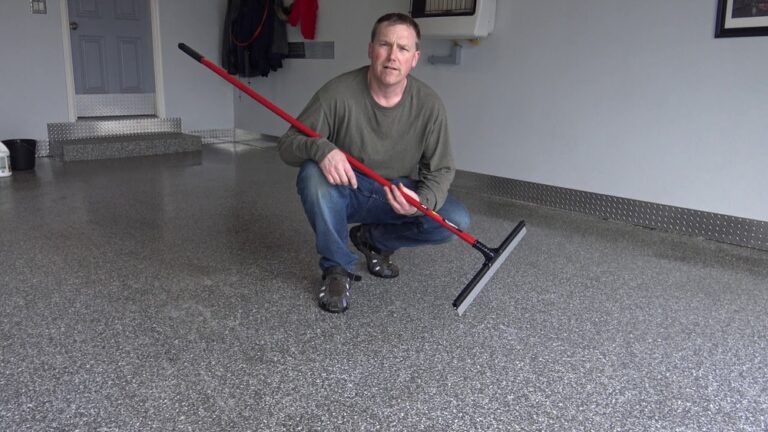
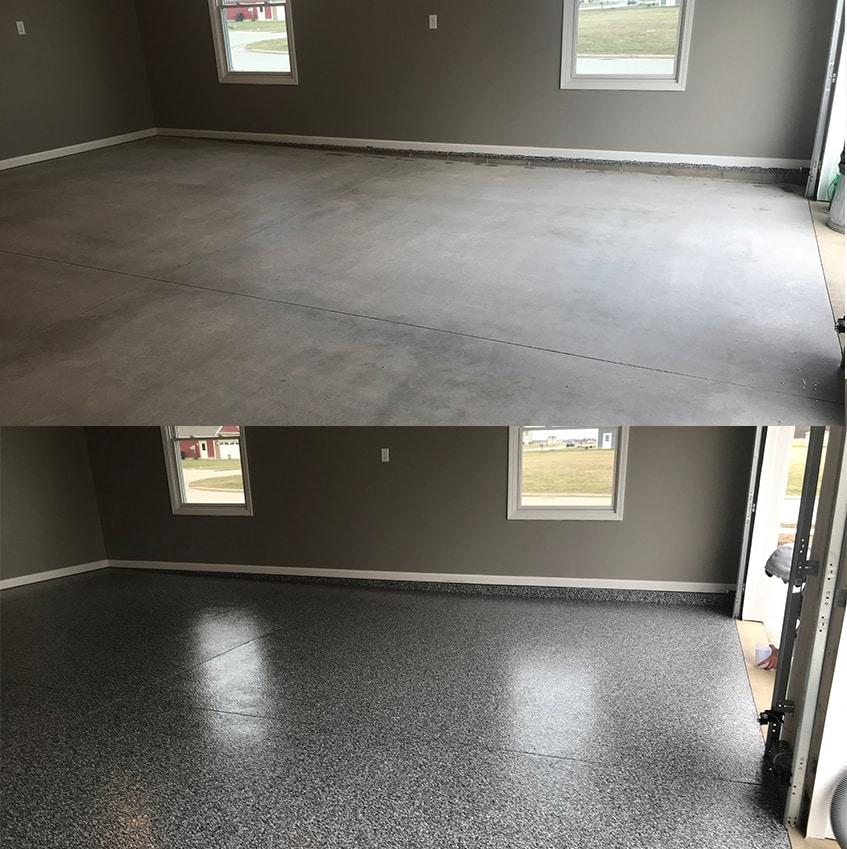
Epoxy floors come in many colors and styles. Some even have flakes or metallic finishes. If you like a bright, modern look, you can choose light gray or white. For a more unique style, metallic or marble-effect finishes are available, though they cost more.
A big advantage of epoxy is that it hides small flaws in your concrete. For example, if your garage floor has old stains or faded paint, epoxy can cover them and make everything look fresh. Many people also like epoxy because it resists oil, road salt, and even hot tire marks.
This makes it popular in places with cold winters or where cars track in snow and dirt.
Key Factors That Affect Epoxy Garage Floor Cost
The price for epoxy flooring is not the same for everyone. Several things change the cost:
- Garage size: Larger spaces use more materials and time.
- Epoxy type: Simple coatings cost less; special finishes cost more.
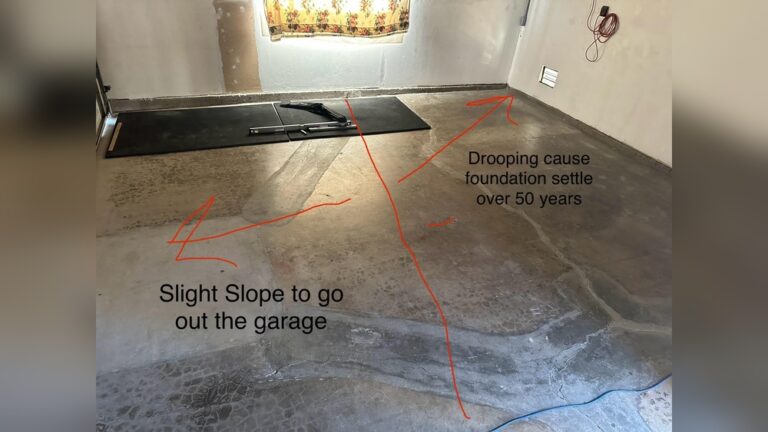
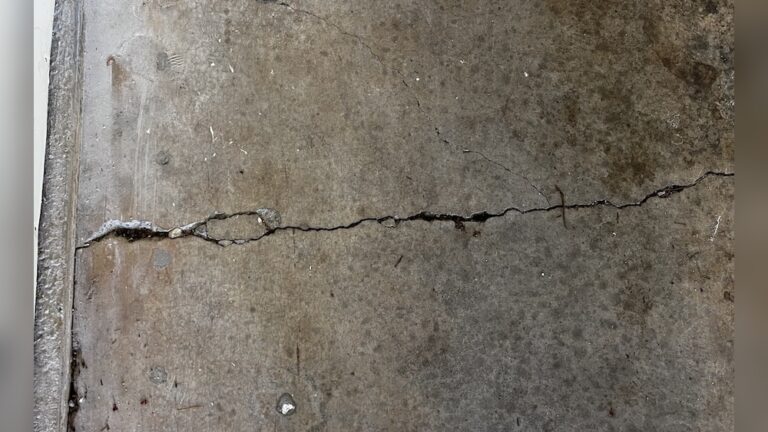
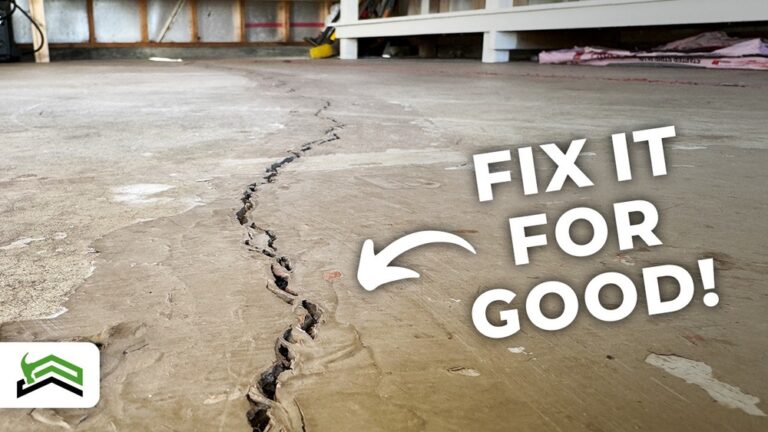
- Preparation needs: Cracked or uneven concrete needs extra work.
- Professional vs DIY: Hiring a pro costs more, but DIY has hidden expenses.
- Location: Prices change in different cities and states.
Let’s explore these factors in detail.
Garage Size
Most garages in the US are:
- Single-car: About 250–400 sq. Ft.
- Two-car: About 400–600 sq. Ft.
Epoxy installers often charge per square foot. The bigger your garage, the higher the total cost. But large jobs sometimes get a lower price per foot.
For example, coating a small 250 sq. Ft. garage may cost more per square foot than a large 600 sq. Ft. garage because installers save time and effort when working on bigger areas. If you’re sharing the project with a neighbor (like in a townhouse), you might get a better deal by combining both garages.
Epoxy Type
Basic epoxy coatings are cheaper. Fancy looks—like metallic or flake—raise the price.
- Water-based epoxy: Least expensive, often used in DIY kits.
- 100% solids epoxy: Thick, durable, professional-grade.
- Decorative epoxy: Flakes, quartz, or metallic effects add cost.
A simple gray, water-based epoxy might be enough for a basic home garage. If you want a garage that looks like a car showroom, you’ll pay more for metallic or multi-layer decorative finishes. Some decorative systems also include a clear topcoat for extra shine and strength.
Preparation Needs
Epoxy sticks best to clean, dry, even concrete. If your floor has:
- Cracks
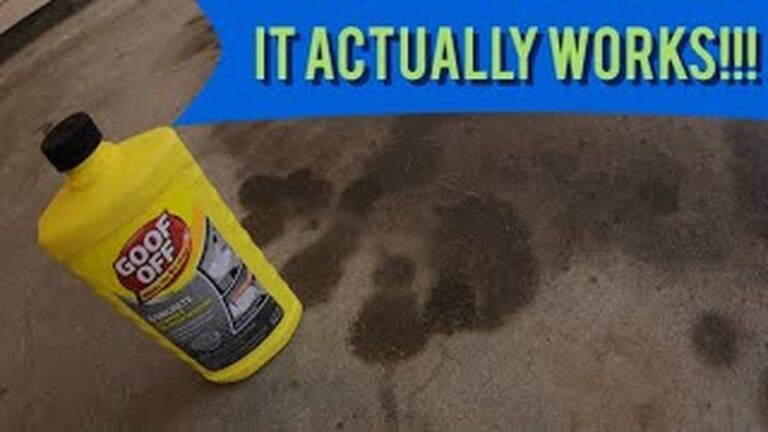
- Oil stains
- Moisture problems
You may pay extra for repairs or cleaning.
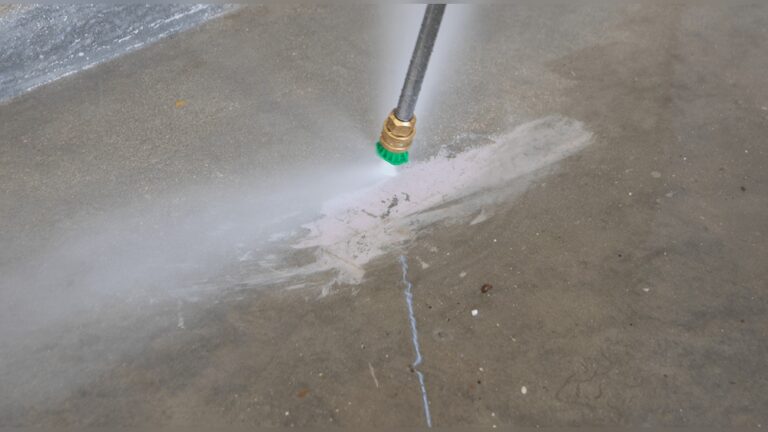
Sometimes, installers use machines to grind or shot-blast the surface for better adhesion. If your concrete has old paint, glue, or heavy pitting, this step is essential. Skipping prep work can make the epoxy peel or bubble, so spending more here saves problems later.
Professional Vs Diy
- Professional install: Higher quality, but more expensive.
- DIY kits: Cheaper upfront, but mistakes can cost more later.
DIY kits often look simple but need careful prep and timing. If your first try fails, removing a bad epoxy job is time-consuming and expensive. Professionals offer experience, warranties, and better materials, which can save money in the long run.
Location
Labor and material costs vary across the country. For example, big cities often charge more.
If you live in a region with high demand for home improvements, expect to pay more for both labor and materials. Rural areas may have fewer installers, but sometimes lower prices. Also, shipping costs for heavy materials can add up if you’re far from suppliers.

Credit: ctvegas.com
Typical Epoxy Garage Floor Cost (us Data)
Here is a summary of average costs for different options.
| Type | DIY Cost (per sq. ft.) | Pro Install Cost (per sq. ft.) |
|---|---|---|
| Water-Based Epoxy | $1.50 – $2.50 | $3 – $5 |
| 100% Solids Epoxy | $2 – $3.50 | $5 – $7 |
| Decorative/Flake Epoxy | $3 – $5 | $6 – $12 |
Example:
If you have a two-car garage (500 sq. ft.), and you want a basic professional epoxy floor, your cost might be:
- $3 x 500 sq. Ft. = $1,500 (low end)
- $5 x 500 sq. Ft. = $2,500 (high end)
If you choose a decorative finish, prices can reach $6,000 or more.
Remember, these are just averages. If your garage needs lots of repairs, or you live in a high-cost area, your price can be higher. For very small garages, some installers have a minimum charge even if your square footage is less.
Step-by-step Cost Breakdown
Here’s what makes up the total price:
- Materials: Epoxy, primer, flakes, tools
- Labor: Professional installation, prep work
- Concrete repairs: Filling cracks, patching holes
- Surface prep: Cleaning, grinding, etching
- Extra finishes: Topcoat, anti-slip additives
A typical breakdown for a professional job:
| Item | Estimated Cost |
|---|---|
| Materials | $300 – $700 |
| Labor | $1,000 – $2,000 |
| Repairs | $100 – $500 |
| Prep | $200 – $600 |
| Finishes | $100 – $500 |
These numbers are for a typical two-car garage.
Keep in mind that if your garage needs a heavy-duty moisture barrier or two coats instead of one, the material and labor costs will rise. Some installers include a basic topcoat in the price, but anti-slip flakes or color upgrades may be “extras.
” Be sure to ask for a detailed estimate so you’re not surprised by add-on fees.
Diy Vs Professional Installation: Cost And Risks
Many people think DIY epoxy saves money. Let’s compare the two options.
| Factor | DIY | Professional |
|---|---|---|
| Cost | Lower upfront | Higher upfront |
| Skill needed | High (needs careful prep) | Low (experts handle it) |
| Finish quality | Can be uneven | Smooth, durable |
| Warranty | None | Often included |
| Time | Longer (several days) | Faster (1–2 days) |
Non-obvious insight:
Many beginners don’t realize epoxy is sensitive to temperature and humidity. If conditions aren’t right, your DIY floor may peel or fail. Professionals have tools to measure and control these factors.
Another detail: professional installers usually use better primers and topcoats. These protect against chemicals, sunlight, and tire marks. Many DIY kits skip these layers, so the floor may wear out faster or fade in color.
How To Estimate Your Total Epoxy Garage Floor Cost
Follow these steps to get a realistic price for your project:
- Measure your garage: Length x width = square footage.
- Choose your epoxy type: Basic, decorative, or high-end.
- Check your concrete: Look for cracks, stains, moisture.
- Decide DIY or pro: Weigh skill, time, and risk.
- Get quotes: Ask local installers for written estimates.
Example calculation:
You have a 400 sq. Ft. garage, want a basic epoxy, and plan to hire a pro.
- $4 per sq. Ft. x 400 = $1,600 total
Add $300 for repairs if needed. Your total: about $1,900.
Don’t forget to ask about taxes, travel fees, or disposal of old materials. Some installers offer free quotes, while others may charge a small inspection fee that’s taken off your final bill if you hire them.
Ways To Save Money On Epoxy Garage Floors
If you want to cut costs, consider these tips:
- Choose a basic epoxy finish (no flakes or metallic)
- Do simple prep work yourself (cleaning, minor repairs)
- Get multiple quotes from local installers
- Schedule during off-season (winter is often cheaper)
- Avoid unnecessary extras (like custom logos)
Non-obvious insight:
Some companies offer package deals—epoxy plus storage cabinets or wall paint. These can sometimes lower your per-foot cost.
Another overlooked tip: ask if your installer has leftover materials from bigger jobs. Sometimes, you can get a discount by choosing a color or flake style they already have in stock.
What Does The Warranty Cover?
Most professional installers offer a warranty. Typical coverage includes:
- Peeling or bubbling within 1–5 years
- Stain resistance
- Color fading
Always read the fine print. Some warranties exclude damage from car tires, oil spills, or flooding.
If your floor develops problems, contact the installer quickly. Taking photos and keeping your contract paperwork makes warranty claims easier. Ask about what actions (like using harsh chemicals) might void your warranty.
Credit: www.utahgaragefloorcoatings.com
Epoxy Garage Floor Lifespan: Is It Worth The Cost?
Epoxy floors usually last 8–15 years with regular use. Factors that affect lifespan:
- Type of epoxy
- Prep quality
- How much you use the garage
If you plan to stay in your home, epoxy can raise your property value. Many home buyers like a clean, sealed garage floor.
Heavy use (like dropping tools or parking heavy vehicles) can shorten the floor’s life. Adding a thick topcoat or using mats under tires can help protect your floor. In most homes, an epoxy garage floor stays looking good for years with basic care.
Common Mistakes Beginners Make
Many beginners skip important steps or choose the wrong materials. Watch out for these errors:
- Not cleaning the floor enough before applying epoxy
- Ignoring moisture problems (leads to peeling)
- Applying too thin a coat
- Not following curing times
- Using cheap DIY kits on bad concrete
If you’re unsure, ask a pro for advice or pay for an inspection.
A less obvious mistake: not checking for vapor coming through the concrete. Tape a plastic sheet to the floor for 24 hours—if water appears underneath, you may need a moisture barrier before applying epoxy.
Is Epoxy Garage Flooring A Good Investment?
Epoxy flooring is a smart choice if:
- You want easy cleaning and maintenance
- Your garage is used for hobbies, storage, or as a workshop
- You plan to sell your home soon
It’s not ideal for garages with major water leaks or heavy movement (like car lifts).
If you use your garage mainly for storage or as a gym, epoxy keeps dust down and makes spills easy to wipe up. For people with allergies, this sealed surface is a nice bonus.
Epoxy Garage Floor Cost Vs Other Flooring Options
How does epoxy compare to other popular garage floor finishes? Here’s a quick comparison.
| Flooring Type | Average Cost (per sq. ft.) | Durability | Maintenance |
|---|---|---|---|
| Epoxy | $3 – $12 | High | Low |
| Paint | $1 – $3 | Low | Medium |
| Interlocking Tiles | $2 – $6 | Medium | Low |
| Sealed Concrete | $0.50 – $2 | Medium | Medium |
Epoxy costs more than paint or sealers, but lasts longer and looks better.
Painted floors chip easily and need regular touch-ups. Interlocking tiles are easier to replace if damaged, but can move or trap moisture underneath. Sealed concrete improves durability but doesn’t offer the same shine or color options as epoxy.

Credit: www.epoxyplus.com
Practical Tips For Beginners
If you’re just starting out, keep these in mind:
- Ask for references from installers
- Check reviews online
- Visit a showroom or ask for sample boards
- Make sure your garage is empty before installation
- Allow 2–3 days for curing (don’t drive on it right away)
If you have pets or need to park outside during the work, plan ahead. Weather can delay installation, especially in wet or humid climates. Take photos before and after for your records.
For more detailed advice, see this Family Handyman guide.
Frequently Asked Questions
How Long Does Epoxy Garage Floor Installation Take?
Most professional jobs take 1–2 days. DIY projects may take up to 4 days, including drying and curing.
If humidity is high or temperatures are low, the curing process can take longer. Always ask your installer for a timeline so you can plan when to move your car or belongings back inside.
Can I Install Epoxy If My Garage Floor Is Old Or Cracked?
Yes, but repairs are needed first. Fill cracks and clean stains for best results. Deep damage may need professional help.
Some installers offer crack fillers or patching as part of the price. For large holes or structural issues, concrete repair specialists may be needed before epoxy can be applied.
Does Epoxy Flooring Have A Strong Smell?
Epoxy can have a chemical odor during application. The smell fades after curing. Good ventilation helps.
Opening windows and doors speeds up the process. If you’re sensitive to smells or chemicals, consider staying out of the garage for a few days until the odor disappears.
How Do I Clean An Epoxy Garage Floor?
Sweep and mop with mild soap. Avoid harsh chemicals or abrasive tools. For tough stains, use warm water and a soft brush.
Heavy-duty cleaning isn’t usually needed. For oil spots, act fast—blot with paper towels, then wash with soapy water. Avoid using acidic cleaners, as they can dull the finish over time.
Is Epoxy Garage Flooring Slippery?
Smooth epoxy can be slippery when wet. Adding anti-slip additives or flakes helps improve grip.
If you live in a snowy or rainy area, anti-slip flakes are a smart choice. You can also place rubber mats near doors or workbenches for extra safety.
Epoxy garage flooring is a practical, attractive upgrade for many homes. With the right information and planning, you’ll know what to expect and how to get the best value for your budget.