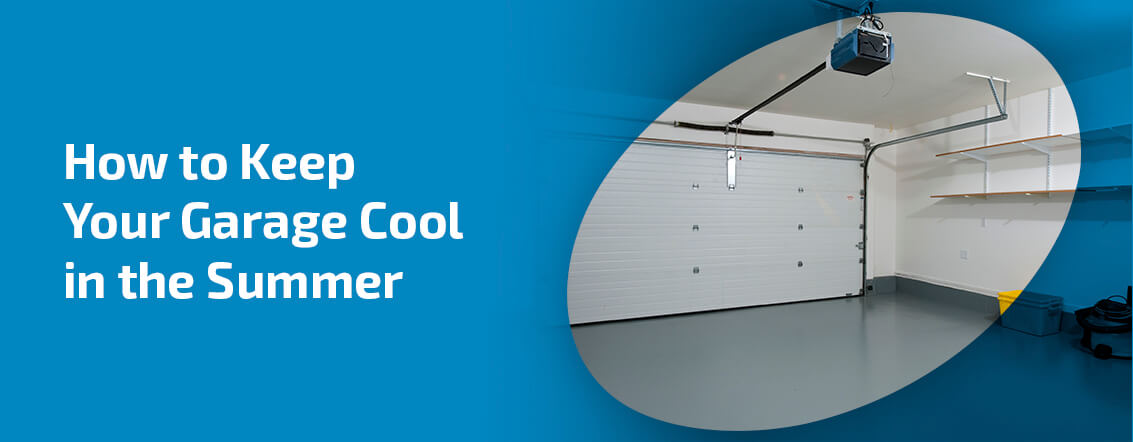
The best way to keep a garage cool in summer is to block heat before it enters, improve airflow, insulate the garage door and ceiling, and use fans or suitable cooling equipment when needed.
From hot Texas afternoons to humid Florida summers and dry heat in Arizona, many American homeowners face the same problem: a garage that feels much hotter than the rest of the house. A closed garage can trap heat from the roof, walls, concrete floor, parked vehicles, and stored items. This can make simple jobs, such as fixing a bicycle, organizing tools, or working on a car, uncomfortable.
Keeping a garage cool during summer does not always require a costly air conditioner. Start with simple steps that reduce direct sunlight and help hot air escape. Then check the insulation, air leaks, and cooling needs of your space. The right approach depends on your local climate, garage size, roof design, and how often you use the room.
This guide explains how to cool a garage with practical methods for American homes, including attached and detached garages. It also covers fan placement, insulation, ventilation, air conditioning, safety concerns, and common mistakes. The goal is to help you choose useful improvements without wasting money on equipment that cannot overcome the heat entering your garage.
Source: tempcube.io
Why Does a Garage Get So Hot in Summer?
A garage heats up when sunlight and outdoor heat enter faster than the space can release them. A large garage door may receive direct afternoon sun, while the roof absorbs heat for hours. Poor insulation allows that heat to move indoors, and limited airflow can leave warm air trapped near the ceiling.
The type of garage also matters. An attached garage may gain heat from the roof and exterior walls, while heat can also move between the garage and nearby rooms. A detached garage may have more exposure to sunlight and outdoor air. In either case, the temperature depends on the building, the weather, and the time of day.
Humidity adds another challenge. In humid states such as Florida, Louisiana, and Georgia, outdoor air can contain a great deal of moisture. Ventilating with that air may help when it is cooler, but it can make the space feel damp and may contribute to condensation on cold surfaces.
Before making changes, place a basic thermometer in the garage and check it at several times during the day. Compare the readings with the outdoor temperature and note whether the garage door, roof, or a sun-facing wall gets direct sun. These simple checks can help you choose the most useful first step.
Source: doorpros.com
Direct sunlight
Sunlight heats the garage door, roof, and walls. Exterior shade and reflective surfaces can reduce the amount of heat absorbed.
Poor insulation
A thin or uninsulated garage door and roof can allow outdoor heat to pass into the space.
Limited air movement
Warm air can collect near the ceiling when there is little effective airflow through the garage.
Heat from equipment and vehicles
A recently driven car, a running engine, a freezer, or power tools can add heat to the space.
Does an Attached Garage Affect Indoor Comfort?
Yes, an attached garage can affect the comfort of nearby rooms if heat passes through shared walls, ceilings, doors, or air leaks. This does not mean every hot garage will make a house hot, but weak insulation and poor air sealing can make temperature control harder.
Give special attention to the wall and ceiling between the garage and the living space. Preserve required fire-rated materials and separation features, and use suitable products and methods for those surfaces. Do not cover a required fire door or seal a ventilation opening that serves a combustion appliance.
Check shared boundaries
Look for damaged weatherstripping, gaps, and insulation problems around the garage-to-house boundary.
Keep the house separated
Maintain required fire protection and air sealing between the garage and living areas.
1. Block Sunlight Before It Heats the Garage
Reducing direct sunlight is one of the simplest ways to limit heat gain. If the garage door faces west, strong afternoon sun may heat the door for hours. Shade and suitable reflective finishes can reduce the heat absorbed by the exterior surfaces.
Start with changes outside the garage. A well-placed shade tree, an approved awning, or a suitable shade structure can reduce direct solar exposure. Keep trees and structures clear of the garage door, roof drainage, electrical lines, and vehicle access.
You can also look at the roof and garage door finish. A light-colored or reflective finish may absorb less solar heat than a dark surface, although the actual benefit depends on the material, finish, sun exposure, and insulation beneath it. Check manufacturer guidance before painting a garage door or changing a roof finish.
Avoid placing combustible shade materials close to hot equipment, exhaust outlets, or other heat sources. Any exterior structure should be secure enough for local wind conditions and comply with applicable building rules.
Source: i.pinimg.com
Add exterior shade
Use a suitable awning or shade structure to block direct sun without interfering with the garage door.
Review the roof
If the roof receives intense sunlight, ask a qualified roofing professional about reflective materials suitable for your roof type.
Reduce door heat gain
Consider a compatible light-colored finish or a reflective treatment approved for the garage door material.
Should You Keep the Garage Door Open in Summer?
Opening the garage door can release hot air and improve airflow, especially when outdoor air is cooler than the garage. However, leaving the door open during the hottest part of the day can allow more heat, humidity, dust, insects, and unwanted visitors to enter.
Try opening the door during a cooler morning or evening period when outdoor conditions are favorable. Close it when outside air becomes hotter than the garage, when security is a concern, or when weather conditions make opening it unsafe. Never leave an unattended garage open if children, pets, or valuable equipment could be at risk.
Open when conditions help
Use cooler outdoor air to exchange heat when it is safe and practical.
Close during peak heat
Limit hot air and moisture entering when outdoor conditions are warmer or more humid than the garage.
2. Improve Garage Ventilation
Good ventilation helps remove warm air when the incoming outdoor air is cooler or when a suitable exhaust system moves heat out of the space. It can also help control moisture in some conditions. However, ventilation alone cannot reliably cool a garage below the temperature of the air entering it.
Begin by checking for existing vents and making sure they are not blocked by stored boxes, insulation, or debris. Roof, gable, and wall vents may support airflow, but their performance depends on their location, available openings, wind, and the building design. Simply adding more vents does not guarantee better cooling.
For a garage used as a workshop, a powered exhaust fan may help remove warm air. It needs a suitable path for replacement air, such as an approved intake opening. Without that path, airflow can be weak or air may be drawn from unwanted areas, including the house.
Choose equipment rated for the location and intended use. A professional should assess powered ventilation if the garage contains gas-fired appliances, fuel-burning equipment, or other sources of combustion gases. Exhaust fans can create pressure differences that interfere with combustion appliance venting and may draw dangerous gases into occupied areas.
Source: gaugemagazine.com
Clear existing vents
Remove loose debris and stored items that block approved ventilation openings without changing their intended function.
Create a useful airflow path
Arrange suitable intake and exhaust openings so warmer air can leave while replacement air enters.
Choose a suitable exhaust fan
Match the fan to the garage size, airflow requirements, installation conditions, and electrical supply.
Account for humidity
In humid climates, avoid assuming that outdoor air will always improve comfort or moisture control.
Where Should a Garage Exhaust Fan Go?
Warm air often gathers near the ceiling, so an appropriately installed high exhaust point can help remove it. The fan must still have a reliable source of replacement air, and the exhaust must discharge to a suitable outdoor location rather than into an attic or another enclosed space.
The best location depends on the roof design, existing vents, wiring, and any combustion equipment. Follow the fan manufacturer’s instructions and local building requirements. If the installation involves cutting a roof or wall, modifying fire-rated construction, or working near electrical wiring, hire a qualified professional.
Check the exhaust route
Make sure warm air is discharged outdoors and cannot enter the house or an enclosed attic.
Confirm electrical safety
Use a properly rated fan, suitable circuit protection, and a compliant installation.
3. Use Fans to Improve Comfort
A fan can make a garage feel more comfortable by moving air across your skin and helping sweat evaporate. It does not remove heat from the room by itself, so the air temperature may remain high even when the airflow feels pleasant.
For a small garage, a portable fan may be enough for short tasks. A wall-mounted or ceiling fan can move air across a larger area, provided it is rated for the location and mounted securely. In a workshop, choose a fan that suits the dust, moisture, and other conditions in the space.
Position the fan to move air through the occupied work area instead of pointing it toward an empty corner. When outdoor air is cooler than indoor air, use an intake fan or a safe cross-ventilation arrangement to bring cooler air in and move warm air out. When outdoor air is hotter, a fan may still improve personal comfort, but bringing more hot air inside may raise the room temperature.
Keep fan blades and cords away from vehicles, moving garage doors, walkways, and stored items. Never use damaged cords or place ordinary household fans where they may be exposed to rain, water spray, flammable vapors, or combustible dust.
Source: i.ytimg.com
Portable fans
Useful for temporary work areas and small garages when placed on a stable surface with clear airflow.
Wall-mounted fans
Can free up floor space and direct airflow across a workshop or storage area.
Ceiling fans
Can circulate air across a larger area but need secure mounting and adequate clearance.
Should You Run a Fan All Day?
You do not need to run a fan continuously if nobody is using the garage and the fan is not part of a designed ventilation system. A fan is most useful when someone needs airflow or when the arrangement helps move heat out under suitable outdoor conditions.
Check the fan’s rated duty, electrical condition, and manufacturer’s guidance. Switch it off when it is not needed unless the system is designed to operate automatically. Never rely on a standard circulation fan to remove vehicle exhaust, solvent vapors, or other hazardous airborne contaminants.
Use fans for people
Direct airflow toward the work area when the main goal is personal comfort.
Use ventilation for heat removal
Choose an appropriate intake and exhaust setup when the goal is to exchange indoor air with outdoor air.
4. Insulate the Garage Door, Ceiling, and Walls
Insulation slows heat transfer through a building surface. It can help keep a garage cooler during the day and reduce temperature swings, especially when the roof and garage door receive strong sunlight. Insulation works best as part of a system that also controls air leaks and unwanted moisture.
Start with the garage door because it often covers a large part of the exterior wall. An insulated door may reduce heat transfer compared with an uninsulated door, but the improvement depends on the door’s construction and overall insulation performance. If you already have a door, a compatible insulation kit may be an option.
Before installing a kit, check the door manufacturer’s guidance and the door’s balance. Added weight can affect springs, cables, tracks, and the opener. Use only an approved system that is suitable for the specific door, and arrange professional adjustment if the added weight requires changes.
The ceiling or roof may be even more important when it receives direct sun throughout the day. Insulating a roof or ceiling can help limit heat entering from above. Wall insulation may also help, especially in a detached garage with several sun-exposed walls, but the right approach depends on the wall assembly and local climate.
Do not cover required vents, electrical equipment, or safety labels. Use suitable vapor and moisture control for the climate and assembly. If the garage shares a wall or ceiling with the house, preserve required fire-rated construction and do not use ordinary foam products in places where building codes require a protected assembly.
Source: sparkgaragedoors.com
Insulate the garage door
Choose a kit or replacement door compatible with the door’s construction, weight limits, and operating hardware.
Check the ceiling
Assess the roof or ceiling for heat gain, air leakage, and moisture concerns before adding insulation.
Seal suitable air gaps
Use compatible weatherstripping and sealants around approved openings without blocking required ventilation.
Protect the door mechanism
Have a qualified garage door technician check balance and hardware if insulation changes the door’s weight.
Is Garage Door Insulation Worth It?
Garage door insulation may be worthwhile when the door receives direct sunlight, the garage is used often, or the space shares a boundary with air-conditioned rooms. It is less likely to solve the problem on its own if the roof is poorly insulated, large air leaks remain, or hot outdoor air enters freely.
Compare the cost of an insulation kit with the cost of a better-insulated replacement door. Consider the door’s existing condition, operating mechanism, and how long you plan to use the garage. A well-sealed, properly insulated door can be useful, but it should not be treated as a substitute for every other heat-control measure.
Best fit
Garages with a sun-exposed door and regular use may benefit from improved door insulation.
Important limit
Insulation slows heat transfer but does not actively cool the air.
5. Choose Air Conditioning When You Need Lasting Cooling
Air conditioning is a practical option when you need the garage to stay cooler for extended periods. Unlike a fan, an air conditioner removes heat from indoor air and releases it elsewhere. However, it works best when the garage is reasonably insulated, air leaks are controlled, and the equipment is correctly sized.
A mini-split system may suit a garage used as a workshop, hobby room, or regular workspace. A window air conditioner may be possible where the building and local rules allow it. A portable air conditioner can be another option, but its exhaust hose must discharge outdoors, and its cooling capacity may be limited by the heat entering the garage.
Do not choose equipment based on floor area alone. Ceiling height, roof insulation, door construction, sunlight, air leakage, climate, and the amount of heat generated inside all affect cooling demand. A qualified HVAC professional can estimate the load and recommend equipment suited to the garage.
An oversized system is not always better. In humid conditions, equipment that cools the air too quickly without enough moisture removal can leave the space damp. Correct sizing, suitable controls, and proper drainage help the system operate as intended.
Also consider whether the garage contains gasoline, paint, solvents, or other flammable products. Ordinary air conditioners and electrical equipment are not automatically safe for areas where flammable vapors may be present. Follow product labels, keep hazardous materials stored properly, and obtain professional advice when needed.
Source: d1y2bcnc5x6gss.cloudfront.net
Mini-split air conditioner
Can provide sustained cooling without a conventional window opening, but requires proper sizing, installation, and condensate management.
Window air conditioner
May work in a suitable opening when local rules, electrical requirements, security, and installation instructions permit it.
Portable air conditioner
Can be useful for temporary cooling, but needs a proper exhaust route and enough capacity for the actual heat load.
Can You Use a Portable Air Conditioner in a Garage?
Yes, if the unit is designed for the conditions, has adequate cooling capacity, and can exhaust hot air outdoors. The exhaust hose must be installed as directed, with a suitable opening that does not create a major source of hot-air leakage.
A portable unit may struggle in a poorly insulated garage with a hot metal door and an uninsulated roof. Before buying one, reduce heat gain and check the manufacturer’s guidance for operating temperature, electrical supply, ventilation, and drainage.
Check the exhaust
Make sure the hot exhaust air cannot return to the garage through gaps or nearby openings.
Check electrical needs
Use the required circuit and receptacle, and avoid extension cords unless the manufacturer explicitly permits them.
6. Reduce Heat from Cars, Tools, and Stored Items
The way you use your garage can affect how hot it becomes. A recently driven vehicle releases heat from its engine, exhaust system, and other components. Power tools, freezers, refrigerators, and some battery chargers can also release heat while operating.
When practical, allow a hot vehicle to cool in a safe, suitable outdoor location before parking it in the garage. Never leave a running vehicle in an enclosed garage to cool it down. Engine exhaust contains carbon monoxide, a colorless and odorless gas that can cause severe injury or death.
Move heat-producing equipment away from your main work area when its instructions allow it. Keep refrigerator and freezer ventilation clear, since blocked vents can reduce efficiency and cause the appliance to work harder. Avoid stacking boxes against equipment that needs open space for cooling.
Decluttering can also make the garage easier to ventilate and safer to use. Removing unnecessary cardboard, fabric, and other stored items can open airflow paths and reduce combustible clutter. However, do not remove required fire barriers or use a fan as a substitute for safe storage of fuels and chemicals.
Source: i.pinimg.com
Limit trapped vehicle heat
Park only after a vehicle has been used safely and never run its engine inside an enclosed garage.
Give appliances space
Follow clearance requirements for refrigerators, freezers, chargers, and other heat-producing equipment.
Clear crowded areas
Keep vents, walkways, and equipment clear to support airflow and reduce fire hazards.
How Should You Store Paint, Gasoline, and Chemicals?
Do not try to manage flammable vapors by running an ordinary fan. Gasoline, solvents, and some paints can release vapors that ignite when exposed to a suitable ignition source. Store these products according to their labels and applicable local requirements.
Keep incompatible chemicals apart, use approved containers, and avoid storing hazardous products near heaters, electrical equipment, or other ignition sources. If you regularly work with solvents or fuel-powered tools, consult the product safety information and a qualified professional about suitable ventilation and storage.
Follow product labels
Use the stated storage conditions and keep containers closed when not in use.
Avoid unsafe cooling methods
Do not direct ordinary electrical fans at areas where flammable vapors or combustible dust may be present.
7. Manage Moisture in Hot and Humid Climates
A cool-feeling garage is not always a dry garage. In humid parts of the United States, outdoor air can carry substantial moisture, and warm, damp air may condense on cooler surfaces. This can lead to musty smells, rust, damp cardboard, and damage to stored belongings.
A dehumidifier can help when excessive indoor moisture is the main problem, but it is not a replacement for air conditioning when the goal is lower air temperature. A dehumidifier also releases heat into the room, so it can make a hot garage warmer even while removing moisture.
Check for water entering through the roof, walls, windows, or garage door. Repair leaks, improve drainage where needed, and avoid storing damp items directly against walls. If you see repeated condensation, investigate the moisture source rather than relying only on a portable appliance.
When choosing cooling equipment, consider both temperature and humidity. Air conditioning may help control both, while ventilation can help or hurt depending on the moisture content and temperature of the outdoor air. Use indoor readings and the equipment manufacturer’s guidance to make an informed choice.
Look for water sources
Check roof leaks, wall seepage, poor drainage, and moisture entering around doors.
Use dehumidification carefully
Choose a suitable unit for moisture control, but account for the heat it adds to the garage.
Protect stored items
Keep belongings off damp floors and allow air to move around items that need ventilation.
Should You Use a Dehumidifier or an Air Conditioner?
Choose an air conditioner when lowering the air temperature is the main goal and the garage can be adequately enclosed. Choose a dehumidifier when excess moisture is the main problem and a higher room temperature is acceptable.
If the garage is both hot and damp, suitable air conditioning may address both issues, but the system must be sized for the actual conditions. Persistent moisture, visible mold, or recurring water intrusion may need professional assessment before you add equipment.
Mainly too hot
Reduce solar heat gain, improve insulation, and consider air conditioning when sustained cooling is needed.
Mainly too damp
Find and correct moisture sources, then assess whether dehumidification is appropriate.
8. Choose the Best Garage Cooling Method for Your Budget
The best method depends on how hot the garage gets, how often you use it, and how much control you need over the temperature. A garage used for occasional storage usually needs a different solution from one used as a daily workshop. Start with low-cost changes and move to powered cooling when the simpler steps are not enough.
The table below compares common options by their main purpose and limits. These are general comparisons rather than measured performance claims. Actual results depend on installation quality, outdoor conditions, garage construction, and equipment specifications.
Low-cost starting point
Use shade, weatherstripping, sensible storage, and fans where appropriate before investing in major equipment.
Long-term improvement
Consider insulation and air sealing when heat passes through the garage door, roof, or walls.
Sustained temperature control
Consider a properly sized air conditioner when the garage needs to remain cool for long periods.
Garage Cooling Options at a Glance
Use this comparison to narrow your choices. A low purchase cost does not always mean the lowest long-term cost, and no single method works equally well in every climate.
Shade and reflective finishes
Best for reducing direct solar heat gain. They do not actively lower indoor air temperature.
Portable or wall-mounted fans
Best for improving personal comfort and moving air. They do not provide refrigeration.
Exhaust ventilation
Best when warm indoor air can be replaced with more favorable outdoor air. Results depend on airflow and weather.
Door and roof insulation
Best for slowing heat transfer. Insulation alone cannot remove heat already inside the garage.
Air conditioning
Best for sustained temperature control when properly sized and installed. It usually requires more upfront investment and energy.
Dehumidification
Best for moisture control rather than cooling. A dehumidifier adds heat to the room.
Estimate the Cost Before You Start
Write down the changes you are considering and get local prices for materials, installation, and ongoing energy use. Costs vary by region, garage size, equipment capacity, labor rates, electrical work, and building conditions, so a single national price would not reliably describe every project.
For powered equipment, compare the rated electrical input and expected hours of use. If a device draws 1 kilowatt and runs for 5 hours, it uses 5 kilowatt-hours of electricity. Multiply that amount by your electricity rate to estimate the energy cost for that period, then add any relevant fixed charges or other costs if you want a fuller estimate.
List upfront costs
Include equipment, insulation, installation, electrical work, repairs, and any required permits.
Estimate energy use
Use the equipment’s actual power rating, realistic operating hours, and your utility rate.
Account for maintenance
Include filter cleaning, inspection, repairs, and other maintenance required by the manufacturer.
9. Common Garage Cooling Mistakes to Avoid
A few common mistakes can waste energy or create safety problems. The most useful approach is to match each method to the source of the heat rather than buying the largest fan or air conditioner you can find.
Cooling equipment cannot compensate efficiently for every open gap, uninsulated roof, or direct-sun problem. Check the building first, then select the equipment that addresses the remaining need.
Using a fan as an air conditioner
A circulation fan improves comfort but does not remove heat from the room. Use appropriate ventilation or refrigeration when heat removal is needed.
Running ventilation without checking outdoor conditions
Hot or humid outdoor air can make the garage warmer or damper. Compare indoor and outdoor conditions before ventilating for comfort.
Ignoring the roof
A sun-exposed, poorly insulated roof may allow substantial heat into the garage. Assess the ceiling and roof before assuming the door is the only problem.
Buying an oversized air conditioner
Equipment size should reflect the cooling load and moisture conditions. Ask an HVAC professional to assess the garage rather than relying on floor area alone.
Blocking required ventilation
Do not cover combustion-air openings, appliance vents, or other required openings while adding insulation or weatherstripping.
Ignoring carbon monoxide
Never run a vehicle or fuel-burning engine in an enclosed garage. A fan cannot make engine exhaust safe.
Overlooking door safety
Extra insulation weight can affect garage door balance and opener operation. Follow the manufacturer’s instructions and seek professional adjustment when required.
When Should You Call a Professional?
Get professional help if you need new electrical circuits, a roof-mounted exhaust fan, major insulation work, air conditioning installation, or changes to a fire-rated wall or ceiling. A professional can also assess unusual moisture problems, poor airflow, and combustion appliance risks.
Stop using damaged electrical equipment, and do not attempt repairs to loaded garage door springs or cables. These components can cause serious injuries if handled incorrectly. A qualified technician is the safer choice for work that involves stored mechanical energy or complex electrical systems.
Electrical or HVAC work
Use qualified professionals for work that requires technical assessment, wiring changes, refrigerant handling, or code compliance.
Garage door repairs
Get professional help with springs, cables, balance problems, or an opener affected by added door weight.
Persistent moisture
Investigate recurring condensation, leaks, or mold instead of relying only on fans or dehumidifiers.
10. Follow a Simple Summer Garage Cooling Plan
A step-by-step plan makes it easier to see which changes help before spending more money. Begin with observations, fix basic problems, and then add equipment only if the garage remains too hot for its intended use.
Check the temperature on several hot days and note when the garage is hottest. This helps you tell whether the main issue is afternoon sunlight, heat trapped overnight, poor airflow, or moisture. Repeat the same checks after making changes so you can compare conditions more fairly.
Step 1: Measure the conditions
Record indoor and outdoor temperatures in the morning, afternoon, and evening. Note direct sunlight and humidity when available.
Inspect the garage door, ceiling, walls, existing vents, weatherstripping, and signs of moisture.
Step 4: Improve airflow
Use fans or suitable ventilation when the outdoor conditions and building design make air exchange useful.
Step 5: Upgrade insulation
Address the surfaces that allow the most heat transfer while preserving required ventilation and fire protection.
Step 6: Add active cooling if needed
Consider properly sized air conditioning if the garage still needs sustained cooling after heat gain and air leakage are addressed.
Step 7: Review the results
Compare temperature readings, comfort, moisture, and energy use to see whether further changes are worthwhile.
How Do You Know If Your Cooling Changes Are Working?
Look for a lower indoor temperature during comparable weather, less heat buildup late in the day, improved comfort while working, and fewer signs of dampness. Compare readings taken at similar times and under similar outdoor conditions because weather changes can affect the result.
If the garage remains very hot, review the roof and wall insulation, direct sunlight, and airflow path before buying additional equipment. If a cooling unit runs constantly without reaching its set temperature, have its capacity, installation, filters, and heat load assessed.
Temperature
Compare indoor and outdoor readings at similar times over several days.
Airflow
Check that air moves through the intended area without creating unsafe pressure differences or pulling exhaust gases indoors.
Moisture
Watch for condensation, damp storage, and musty odors that suggest unresolved humidity or water intrusion.
Energy use
Review electricity consumption after adding powered equipment and adjust operation in line with manufacturer guidance.
Frequently Asked Questions
Q
What is the cheapest way to keep a garage cool in summer?
Start by blocking direct sunlight, clearing existing vents, improving suitable weatherstripping, and reducing unnecessary heat sources. A portable fan can improve comfort for short tasks. If the garage remains hot, check the roof and garage door insulation before paying for active cooling.
Q
Does spraying water on a garage roof help cool it?
Water can absorb heat as it evaporates, but spraying a roof is not always a practical or safe cooling method. It can waste water, create runoff, affect roofing materials, or increase moisture problems. Do not spray electrical equipment or use a method that conflicts with roofing manufacturer guidance. Suitable shade, roof improvements, and insulation are generally easier to manage.
Q
Will insulating a garage make it cooler in summer?
Insulation can slow heat entering through the garage door, roof, and walls. It can reduce temperature swings, but it does not actively remove heat already inside the room. For the best result, combine suitable insulation with air sealing, solar heat control, and ventilation or air conditioning when conditions call for it.
Q
Should I use an evaporative cooler in my garage?
An evaporative cooler can lower air temperature by evaporating water, but it adds moisture to the air. It tends to be more suitable in dry climates than in humid regions. Before using one, consider outdoor humidity, ventilation, moisture-sensitive tools, and the manufacturer’s instructions.
Q
Can a garage be cooler than the outdoor temperature without air conditioning?
Sometimes, depending on shade, the building materials, ground conditions, ventilation, and the outdoor temperature. A shaded or partly below-grade garage may stay cooler than the air outside for a time. However, fans and ordinary ventilation cannot reliably maintain a temperature below incoming outdoor air without another cooling mechanism.
Q
How can I keep a garage cool while protecting stored items?
Keep items away from direct sunlight, roof leaks, and damp walls. Use suitable storage containers, leave airflow space around belongings, and follow storage instructions for paint, chemicals, batteries, and other temperature-sensitive products. If you store items that require a controlled temperature, use a properly designed cooling system and monitor conditions with a thermometer.
Q
Is a dehumidifier enough to cool a hot garage?
No. A dehumidifier removes moisture but releases heat into the room. It may make a damp garage feel less clammy, but it is not the right stand-alone choice when the main goal is to lower air temperature. Consider air conditioning for cooling and investigate any ongoing moisture source.
✦ Wrapping Up
Conclusion
Keeping a garage cool in summer starts with stopping heat before it builds up. Shade, suitable reflective finishes, clear ventilation paths, and reduced heat sources can make a useful difference. Insulation and air sealing help slow heat transfer, while fans can improve comfort when the air is moving in a useful direction.
If you use the garage as a workshop or spend long periods inside, a properly sized air conditioner may be worth considering. The best choice depends on your garage design, outdoor temperature, humidity, insulation, and electrical setup. Make changes in stages, check the results, and avoid shortcuts that compromise fire safety, ventilation, or garage door operation.
💡 Key Takeaway
Start this week by measuring your garage temperature, identifying the surfaces that receive the most sun, and clearing blocked vents. Make the simplest safe improvements first, then assess insulation and cooling equipment based on the results.
Sarah believes that a messy garage is a wasted room. After years of working in professional home staging and interior design, she shifted her focus to the most neglected part of the house: the garage. She focuses on vertical storage, aesthetic floor coatings, and converting dusty corners into functional workspaces. Sarah’s goal is to help you "unlock" every square inch of your garage.
Sarah believes that a messy garage is a wasted room. After years of working in professional home staging and interior design, she shifted her focus to the most neglected part of the house: the garage. She focuses on vertical storage, aesthetic floor coatings, and converting dusty corners into functional workspaces. Sarah’s goal is to help you "unlock" every square inch of your garage.