To thaw frozen pipes underground, first confirm that the buried water line is frozen, locate the affected section, and contact your water utility or a licensed plumber. Professionals can use approved pipe-thawing equipment to melt ice without digging up the entire line. Never use an open flame, pour boiling water into a pipe, or apply electrical heat to a buried line yourself.
When winter temperatures drop across the United States, homeowners in places such as Minnesota, Michigan, North Dakota, and New England may face frozen water lines. A buried pipe can freeze when the ground gets cold enough, especially if the line is too close to the surface or passes through an exposed area. Losing running water can disrupt daily life, but the right checks can help you avoid unnecessary digging and costly repairs.
An underground frozen pipe needs a different approach from a pipe beneath a kitchen sink. Soil covers the line, so you usually cannot see the ice or apply gentle heat directly. The safest first step is to work out whether the problem affects your home alone, the buried service line, the water meter, or the wider public water system.
This guide explains how to recognize a frozen underground water pipe, what you can safely check, how professional thawing works, and when excavation may be needed. It also covers common mistakes, repair costs to plan for, and ways to reduce the risk of another freeze. The goal is to restore water safely while protecting your plumbing and property.
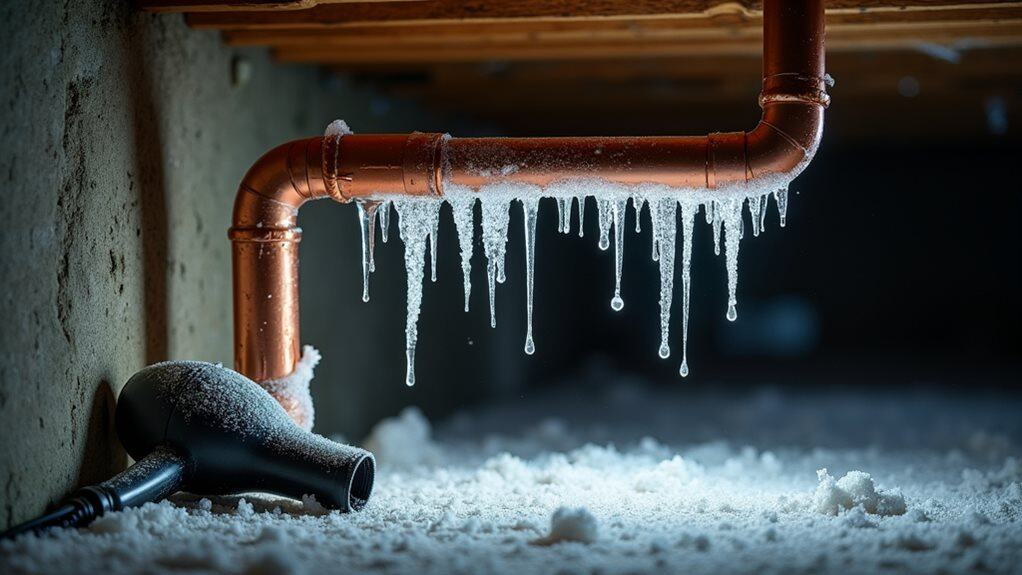
Source: libertycomfortsystems.com
What Causes Underground Water Pipes to Freeze?
Underground water pipes freeze when the surrounding soil loses enough heat to bring the water inside the pipe to its freezing point. The risk depends on how cold the ground becomes, how long the cold lasts, the pipe’s depth, the soil conditions, and the amount of water movement. A short cold spell may not freeze a deeply buried line, while a long period of severe cold can affect a shallow one.
In many parts of the United States, water service lines are installed below the local frost line. The frost line is the depth to which soil may freeze under expected local conditions. Its depth varies by region, elevation, soil type, and climate, so there is no single burial depth that works everywhere.
A pipe may also freeze near the foundation, inside a shallow utility trench, or where a line passes through an unheated space. These locations can be more vulnerable than the deeper section of the same line. If the pipe freezes repeatedly, the installation may need a closer inspection rather than repeated thawing.
Source: utahfloodcleanup.com
Shallow burial
A line installed above the local frost depth may be exposed to colder soil during prolonged freezes.
Long periods of cold weather
The ground can lose heat over time, allowing freezing to reach deeper than it might during a brief cold snap.
Poor insulation or exposed entry points
Water lines near foundations, crawl spaces, and unheated meter areas may freeze at vulnerable transitions.
Low water movement
Water that remains still may freeze under suitable conditions, although moving water is not a guarantee against freezing.
Existing plumbing problems
A damaged line, faulty installation, or exposed fitting can make a system more vulnerable to cold and leaks.
Can a Deep Underground Pipe Still Freeze?
Yes. A deeply buried pipe is generally better protected from short periods of cold, but burial depth alone does not guarantee safety. Severe or prolonged cold, unusual soil conditions, shallow sections, and poorly protected entry points can still cause trouble.
If a buried line freezes more than once, ask a qualified plumber or utility professional to assess its depth, route, insulation, and exposure. Repeatedly thawing the same section may restore water for a while without addressing the reason it freezes.
Check local requirements
Ask your local building department or water utility about the applicable frost depth and service-line installation rules.
How to Tell Whether an Underground Pipe Is Frozen
Start with simple checks before arranging pipe thawing. A frozen service line is one possible cause of lost water, but similar symptoms can come from a closed valve, a water-main problem, a damaged pipe, or a failed well system. Checking the likely causes in order can save time and help you avoid digging in the wrong place.
Turn on a cold-water faucet and observe what happens. If every faucet has no water or only a weak trickle, the issue may involve the main supply or service line. If only one faucet is affected, the blockage may be in a smaller branch pipe inside the home.
Ask a nearby neighbor whether their water is working, if they use the same public supply. If several homes have lost water, contact the water utility before assuming your own buried pipe is frozen. A public main break, planned shutoff, or other supply issue may be responsible.
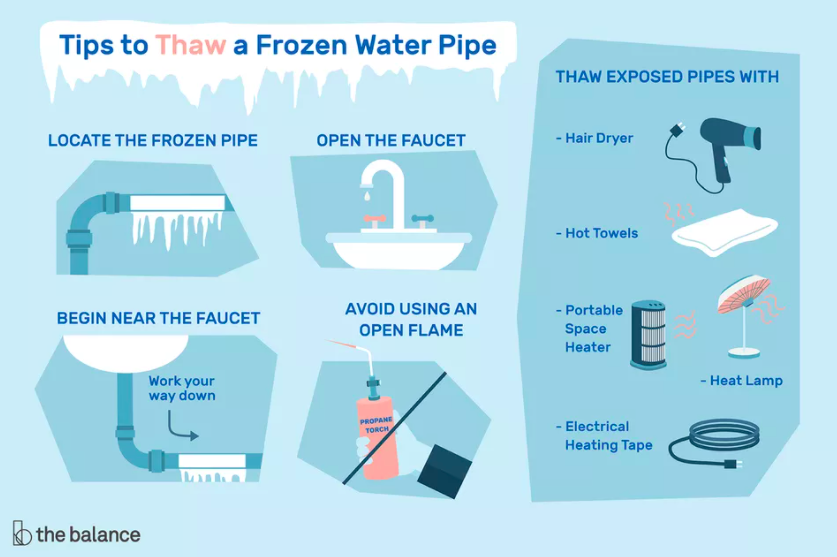
Source: plumbertip.com
No water at any faucet
This can indicate a frozen service line, a closed main valve, a frozen meter, a supply outage, or a failed well pump.
Low flow throughout the house
A partial ice blockage or another restriction may be reducing flow, but a leak or supply problem is also possible.
Water works in nearby homes
If neighbors on the same system have normal service, the problem may be within your property’s plumbing or service line.
Unexpected wet soil or a water bill increase
These signs may point to a leak rather than a simple frozen blockage. Stop the water supply if safe and arrange an inspection.
A Safe Troubleshooting Sequence
First, check whether a utility outage has been reported and whether your main shutoff valve is in its normal operating position. Do not force a stiff valve or operate an unfamiliar utility valve. If the property uses a private well, check for a pump or power problem only if you can do so safely.
Next, look for visible leaks around accessible plumbing and the water meter. Do not open a sealed meter pit or enter a flooded area. If you suspect a frozen underground line and cannot identify the cause through these basic checks, contact the utility or a plumber who handles frozen service lines.
Stop if you find a leak
Shut off the home’s main water supply if you can do so safely, then arrange prompt professional help.
Do not start digging blindly
Have underground utilities marked before any excavation. Buried electrical, gas, communications, and other lines may share the area.
How to Thaw Frozen Pipes Underground Safely
The safest way to thaw a confirmed frozen underground service line is to have a qualified professional locate the blockage and select equipment suited to the pipe. Unlike an exposed pipe under a sink, a buried line cannot be warmed safely from the outside without first locating and accessing the affected area.
Professional thawing may use approved internal thawing equipment, controlled hot water or steam systems designed for the specific job, or other methods approved for the pipe material and local requirements. Some systems can thaw a line from an accessible end, which may avoid digging up the entire route. The method depends on the pipe’s material, length, diameter, condition, and location.
Do not attempt to push a hose, wire, heating element, or improvised device into the service line. You could damage the pipe, contaminate drinking water, cause an electrical injury, or create a leak that is difficult to find. Internal thawing should be left to professionals with the proper tools and training.
Source: 1tomplumber.com
Step 1: Protect the property
Locate the indoor main shutoff and make sure you can reach it. If there is flooding, an electrical hazard, or a suspected burst pipe, avoid the affected area and get professional assistance.
Step 2: Contact the right service
Call the local water utility if the meter, public supply, or utility-owned section may be involved. Contact a licensed plumber for the private service line or building plumbing.
Step 3: Confirm the frozen section
The professional can inspect accessible points, review the line route, check the meter, and use suitable diagnostic tools to narrow down the blockage location.
Step 4: Choose an approved thawing method
The professional selects a method based on the pipe’s material, condition, access points, and equipment requirements.
Step 5: Restore water gradually
Once thawing is complete, restore the supply in a controlled way and check the line and connected plumbing for leaks.
Step 6: Find the cause
If the pipe is likely to freeze again, investigate burial depth, insulation, drainage, and exposed sections before the next cold spell.
Can You Thaw an Underground Pipe Without Digging?
Sometimes. If the frozen section can be reached from an existing access point, a trained technician may be able to thaw the line internally. This can reduce excavation, but it is not possible in every plumbing system. A pipe with a collapsed section, a major leak, or an inaccessible blockage may need repair or excavation.
Ask the plumber whether the proposed method is approved for your pipe material and whether it could affect pipe joints, coatings, or water quality. Also ask how the technician will confirm that water flow has returned and the line has not been damaged.
A good candidate for internal thawing
The line is intact, its route and access points are known, and suitable equipment can reach the blockage.
A likely candidate for repair or excavation
The pipe has collapsed, is leaking, has inaccessible damage, or cannot be safely thawed using available equipment.
What About Pouring Hot Water Into the Ground?
Pouring hot water onto frozen soil is not a dependable way to thaw a buried water line. The heat may not reach the pipe, and the water can run away from the frozen section or create slippery conditions. Digging into frozen ground and pouring boiling water into an exposed or buried pipe can also cause injuries and plumbing damage.
A professional may use a controlled hot-water system designed for internal pipe thawing, but that is not the same as pouring hot water into a hole or forcing it through an improvised tube. Leave such work to a qualified technician.
Avoid uncontrolled heat
Do not use boiling water, open flames, charcoal burners, or improvised heaters around underground plumbing.
What to Do While Waiting for a Plumber
While waiting for professional help, focus on preventing water damage and gathering useful information. You do not need to expose the buried line or try to heat the ground. A few careful actions can make the diagnosis easier and reduce the risk of a costly leak.
Find the indoor main water shutoff and learn how to operate it if it is accessible and safe. Keep the area around the meter and indoor plumbing dry, and watch for signs of water entering the basement, crawl space, or utility area. If the pipe bursts during thawing, the supply may need to be shut off at once.
If the house is cold, keep the indoor temperature at a safe, steady level and protect accessible plumbing from cold drafts. Do not use a portable heater in a wet area or close to flammable materials. If you have no water, use a safe alternative supply for drinking and essential tasks while the problem is resolved.
Source: superiorrestore.com
Keep an eye on leaks
Watch accessible pipes, the meter area, walls, and floors for dampness or new water stains.
Record the symptoms
Note when the water stopped, whether all faucets are affected, recent weather, and whether neighbors have service.
Protect people and pets
Keep everyone away from flooded areas, exposed wiring, open excavations, and any unsafe heating equipment.
Save useful details
Gather service-line records, prior repair details, and the location of accessible shutoff valves for the plumber.
When Should You Shut Off the Main Water Supply?
Shut off the home’s main water supply if you find a burst pipe or an active leak and can reach the valve safely. This can limit flooding while you wait for repairs. Do not enter standing water where electrical equipment or wiring may be present.
If there is no visible leak, the decision depends on the plumbing layout and the plumber’s advice. A frozen line can remain pressurized, and damage may become apparent only as the ice melts. Know where the shutoff is before you need it, and never force a valve that will not turn normally.
Active flooding
Turn off the supply if safe, keep clear of electrical hazards, and arrange urgent repair.
No visible leak
Seek professional advice on whether the supply should remain on or be isolated until the frozen section is assessed.
Common Mistakes to Avoid When Thawing Underground Pipes
The biggest mistake is treating an underground service line like an exposed household pipe. An exposed pipe may sometimes be warmed slowly with suitable equipment, but a buried line needs a different plan because its location, condition, and nearby utilities are not always known.
Another common error is assuming that water flow returning means the pipe is undamaged. Ice can place stress on pipe walls and joints. A crack may start leaking only after the ice melts and the supply pressure returns, so the line should be checked after thawing.
Avoid methods that promise a quick fix without confirming the pipe material or the location of the blockage. Fast heating, rough excavation, and unapproved electrical equipment can turn a temporary water outage into a serious repair.
Source: catsupandmustard.com
Using an open flame
A torch or burner can start a fire, overheat pipe material, damage joints, or cause dangerous pressure and steam conditions.
Using electrical equipment near water
Hair dryers, heaters, and other electrical devices must never be used in standing water or around wet electrical connections.
Digging before locating utilities
Excavation without utility marking can damage gas lines, electric cables, communications lines, or other buried services.
Assuming every loss of water is a freeze
A closed valve, failed pump, damaged pipe, meter issue, or utility outage can produce similar symptoms.
Ignoring the cause of repeated freezing
A recurring freeze may signal a shallow line, poor protection, or an installation problem that needs correction.
Why You Should Not Force Water Through a Frozen Line
A fully blocked pipe may not allow water to pass, and forcing water into the system will not safely remove the ice. Depending on the equipment and plumbing layout, pressure can rise or a weak section can leak. Leave pressure testing and internal thawing to a qualified professional.
If water begins to return by itself, avoid repeatedly opening and closing valves in an attempt to speed up the process. Follow the plumber’s instructions and watch for leaks as normal flow is restored.
Use controlled diagnosis
Confirm the blockage and select a suitable method instead of trying repeated, unverified fixes.
How Much Does It Cost to Thaw a Frozen Underground Pipe?
The cost depends on where the blockage is, how easily the line can be accessed, the equipment required, and whether the pipe needs repair. A simple thawing service may cost less than a job involving leak detection, excavation, replacement pipe, restoration of landscaping, or work near other buried utilities.
There is no reliable single price for every US property. Local labor rates, emergency callout fees, travel distance, pipe material, and the time required can change the final bill. Ask for an estimate after the technician has assessed the line rather than relying on a general online price.
Before approving work, ask whether the quote covers locating the freeze, thawing the pipe, checking for leaks, and restoring the affected area. If excavation is needed, clarify whether backfilling and surface repairs are included. Your water utility may also have different rules for public and private sections of the service line.
Source: plumbingnav.com
Diagnosis and service call
The plumber may charge for travel, inspection, and identifying the likely frozen section.
Thawing equipment
The chosen method and the time needed to restore flow can affect labor and equipment charges.
Leak detection and repair
A damaged pipe may need a repair or replacement in addition to thawing.
Excavation and site restoration
Digging, utility protection, backfilling, and restoring pavement or landscaping may add substantial costs.
Emergency service
After-hours or urgent winter service may cost more than a scheduled appointment.
Questions to Ask Before Hiring a Plumber
A clear estimate helps you compare options and understand what will happen if thawing does not work. Choose a qualified professional who can explain the proposed method and the risks for your particular pipe.
For public water service, contact the utility before paying for work on a section that may be its responsibility. Ownership and repair duties vary by municipality and service agreement.
What is included?
Ask whether diagnosis, thawing, leak checks, repairs, and excavation are included or billed separately.
Is the method suitable for my pipe?
Confirm that the equipment is appropriate for the pipe material, size, and condition.
Who owns the affected section?
Ask the local utility or property manager whether the frozen section falls under public or private responsibility.
What happens if the pipe is damaged?
Request a clear explanation of likely repair options and how additional work will be approved.
How to Prevent Underground Water Pipes From Freezing Again
Preventing another freeze starts with identifying why the line froze in the first place. If the pipe is too shallow, has an exposed section, or passes through a cold area, repeated thawing alone will not solve the problem. A plumber or utility professional can assess the installation and recommend changes that suit local conditions.
The best preventive measure for a buried water line is usually proper installation below the local frost depth, as required by applicable codes and utility standards. Existing lines may need more complex work if they were installed too close to the surface. Do not assume that adding insulation over the ground will protect a deeply buried line in every climate.
Protect the parts of the system that you can reach, such as plumbing near the foundation, exposed fittings, and indoor meter areas. Seal cold drafts around pipe entry points and keep heated indoor spaces at a safe temperature during winter. If you plan to leave the property during freezing weather, ask a plumber about the correct winterization steps for your system.
Source: yardandgardenguru.com
Check burial depth
Have a professional compare the service-line depth with local frost conditions and applicable requirements.
Protect exposed sections
Use suitable pipe insulation on accessible vulnerable sections, following the manufacturer’s instructions.
Seal cold drafts
Close gaps where pipes enter the building and improve protection around unheated spaces.
Keep indoor heating steady
Avoid allowing rooms with plumbing to become dangerously cold during extended winter absences.
Plan for severe cold
Know the shutoff location, monitor local weather, and follow guidance from your water utility.
Inspect after thawing
Check the repaired line and accessible plumbing for leaks before considering the problem fully resolved.
Should You Leave a Faucet Dripping in Winter?
A small flow of water may help reduce the risk of freezing in certain vulnerable plumbing systems during severe cold. However, dripping a faucet is not a reliable fix for a deeply buried frozen service line, and it may waste water or create a drainage hazard if the outlet freezes.
Follow your local utility’s advice and a plumber’s guidance for your specific system. If a line has frozen before, investigate the cause rather than relying only on a dripping faucet.
Use this measure selectively
Follow local guidance for vulnerable household pipes and do not treat a running faucet as a substitute for proper service-line protection.
What to Do Before Leaving Home During Winter
If you will be away during a cold spell, plan for the plumbing before leaving. Keep the indoor temperature within the safe range recommended for your home, arrange for someone to check the property, and ask a plumber whether draining or isolating parts of the system is appropriate.
Do not shut off and drain a system without considering appliances, heating equipment, fire sprinklers, and other connected plumbing. Some systems require specific procedures to avoid damage or loss of protection.
Prepare the home
Check the heating system, accessible pipe insulation, and shutoff valve before a long absence.
Arrange checks
Have a trusted person look for signs of a heating failure, leaks, or unusual cold inside the property.
Frequently Asked Questions
Q
How long does it take to thaw an underground water pipe?
There is no fixed thawing time for an underground water pipe. The time depends on the length of the frozen section, pipe diameter and material, soil temperature, access, and the equipment used. A professional may restore flow relatively quickly in some cases, while a deep or extensive freeze can take much longer or require excavation.
Ask the technician for an estimate after the blockage has been assessed. Avoid using a general thawing time for an exposed indoor pipe as a promise for an underground line.
Q
Can I thaw frozen underground pipes myself?
You can perform basic checks, such as confirming whether nearby homes have water, checking accessible valves, and looking for visible leaks. However, thawing a buried service line usually requires specialized equipment and knowledge of the pipe route, material, and condition.
Do not dig without locating buried utilities or use an open flame, improvised heating device, or inserted tool. Contact your water utility or a qualified plumber to choose a safe method.
Q
Will underground water pipes thaw on their own?
A frozen pipe may thaw when the surrounding ground warms, but this is not guaranteed to happen soon. Deeply frozen soil can remain cold after outdoor air temperatures rise, and the pipe may stay blocked until the ground around it warms enough.
Waiting can be risky if the pipe is damaged or the property needs water. If the outage persists, contact a plumber or utility rather than relying on warmer weather alone.
Q
Can a frozen underground pipe burst?
Yes. Water expands as it freezes, and ice can create pressure that damages a pipe or its joints. A pipe may also crack due to pressure between an ice blockage and a closed section, so damage is not always limited to the frozen spot.
After thawing, check for wet soil, unexplained water use, pressure changes, or leaks inside the home. If you suspect a break, shut off the supply when safe and arrange prompt repair.
Q
How do plumbers find a frozen underground water line?
A plumber may start by checking the meter, accessible pipework, service records, and the symptoms at the faucets. Depending on the installation, the technician may use suitable locating equipment or other diagnostic methods to narrow down the affected area.
No single method works for every property. The professional chooses a diagnostic approach based on the pipe material, known route, access points, and available equipment.
Q
Should I call the water company or a plumber?
Contact the water utility first if nearby homes have lost water, the meter may be frozen, or the public water supply may be affected. If the problem appears limited to your private service line or indoor plumbing, contact a licensed plumber experienced with frozen water lines.
Responsibility for the service line varies by location. Ask the utility where its responsibility ends and where the property owner’s responsibility begins before authorizing excavation or repair.
Q
Does pipe insulation stop underground pipes from freezing?
Suitable insulation can help reduce heat loss in accessible plumbing, but it does not guarantee that an underground pipe will never freeze. Burial depth, soil conditions, the length of the cold spell, and exposed transitions all affect the risk.
For a line that has already frozen underground, ask a qualified professional to assess the installation. Correcting inadequate depth or another underlying issue may be more effective than adding insulation alone.
Q
What if water returns but the pressure is still low?
Low pressure after thawing may mean that ice remains in part of the line, a valve is not fully open, a meter or filter is restricted, or a leak has developed. Do not assume that the blockage has cleared just because some water flows.
Contact the plumber or utility for further checks. If you notice wet soil, new water stains, or an unexplained increase in water use, report a possible leak promptly.
✦ Wrapping Up
Conclusion
Learning how to thaw frozen pipes underground starts with understanding that a buried service line is not the same as an exposed indoor pipe. Confirm the symptoms, rule out a wider water outage, check accessible plumbing safely, and contact the water utility or a qualified plumber when the buried line appears frozen.
Professional thawing can sometimes restore water without digging up the entire line, but the right method depends on the pipe’s location, material, and condition. Avoid open flames, improvised heating methods, and blind excavation. Once the water returns, inspect for leaks and address the cause of the freeze to help prevent another outage.
A careful diagnosis may take longer than a quick DIY attempt, but it can help protect your home, reduce unnecessary digging, and prevent a temporary loss of water from turning into a major repair.
💡 Key Takeaway
If your home has no water during freezing weather, check whether neighbors have service, inspect only accessible plumbing, and contact your water utility or a licensed plumber. If you find a leak, shut off the supply when safe and arrange urgent repairs.
Sarah believes that a messy garage is a wasted room. After years of working in professional home staging and interior design, she shifted her focus to the most neglected part of the house: the garage. She focuses on vertical storage, aesthetic floor coatings, and converting dusty corners into functional workspaces. Sarah’s goal is to help you "unlock" every square inch of your garage.
Sarah believes that a messy garage is a wasted room. After years of working in professional home staging and interior design, she shifted her focus to the most neglected part of the house: the garage. She focuses on vertical storage, aesthetic floor coatings, and converting dusty corners into functional workspaces. Sarah’s goal is to help you "unlock" every square inch of your garage.